A newer paddle is worth considering when it solves a specific problem with your current one. That problem might be damage, an unsuitable handle, inconsistent response or an approval status that no longer fits the event you want to enter. A new release date alone is not a reason to replace equipment that works.
This is a keep-or-upgrade decision guide. If you already know you need another paddle, use the controlled paddle-demo plan to compare candidates.
Start by naming the problem
Write one sentence describing what you want to change: “the grip turns in my hand,” “I struggle to prepare this paddle quickly,” or “the response has changed after damage.” Avoid a goal as broad as “play better,” because it cannot tell you whether a purchase helped.
Separate repeated equipment discomfort from a particular shot you are still learning. If a drop is unreliable with every paddle you try, practice or instruction may be the more useful next investment. A paddle cannot decide your shot selection or move you into a better court position.
Inspect the current paddle before shopping
Check the handle, grip, edge guard and face for looseness or damage. Follow the manufacturer's care advice. A worn grip may be replaceable; a damaged face or changed internal response may require the maker's assessment. Do not modify a questionable paddle to disguise the problem.
Stop using equipment that has become unsafe. Record the serial or model information and contact the manufacturer about inspection, warranty or replacement options. Ask what the policy actually covers rather than assuming every performance change qualifies for a refund.
Verify approval for the event you plan to play
For a USA Pickleball sanctioned event, check the exact model in the current approved paddle database. A brand name or an old “approved” logo does not establish the status of every version. Read your event's equipment rules as well, since different organizers can use different governing standards.
Approval is an eligibility matter, not a rating of suitability for your hand or playing style. It also does not mean that a damaged paddle remains compliant. Recheck before entering an event rather than relying on a screenshot saved when the paddle was purchased.
Compare the features that you can actually assess
| Feature | Useful comparison | Question for the demo |
|---|---|---|
| Handle length and circumference | Your usual grip and backhand setup | Can I hold it comfortably without readjusting? |
| Face shape | Contact location and reach | Can I find the face reliably on routine shots? |
| Weight and balance | Preparation, control and fatigue | Does it remain manageable late in the session? |
| Ball response | Soft shots and blocks as well as drives | Does it solve the named problem consistently? |
| Care and warranty | Maker's instructions and exclusions | Can I maintain it and get support if it fails? |
Materials and construction names describe how a maker presents its product. They do not establish that you will gain a fixed amount of spin or power. Avoid choosing from unsupported percentages or a ranking that offers no testing method.
Use your old paddle as the baseline
Bring the existing paddle to a demo and use the same ball, court and partner. Alternate between it and the candidate rather than completing the entire session with the new one first. Compare ordinary shots before trying the most powerful swing you can make.
Record a few observations tied to the original problem. If the candidate helps only with a dramatic drive but makes routine blocks harder, decide whether that trade-off fits your game. Repeating the comparison on another day can help distinguish a dependable preference from novelty.
Include the full cost
Count the purchase, demo charge, shipping, possible return fee and any permitted accessories. Read whether court-used paddles can be returned, how long the window lasts and whether the policy comes from the maker or the retailer.
A higher price is not evidence of a better result for you. Set the spending limit before the demo, then compare the options that fit it. If your current paddle still suits your game, a replacement grip, a lesson or regular practice may use the budget more effectively.
Choose one of three outcomes
- Keep: the paddle is sound, eligible for your plans and comfortable, with no clear improvement from the demo.
- Maintain: a permitted replaceable part, such as the grip, is the actual problem; follow maker and event guidance.
- Replace: condition or eligibility requires it, or a repeatable comparison shows a useful improvement within budget.
Write down the reason for the decision. It gives you a reference when the next launch appears. An upgrade should have a job to do; the calendar and a promotional technology label are not enough.
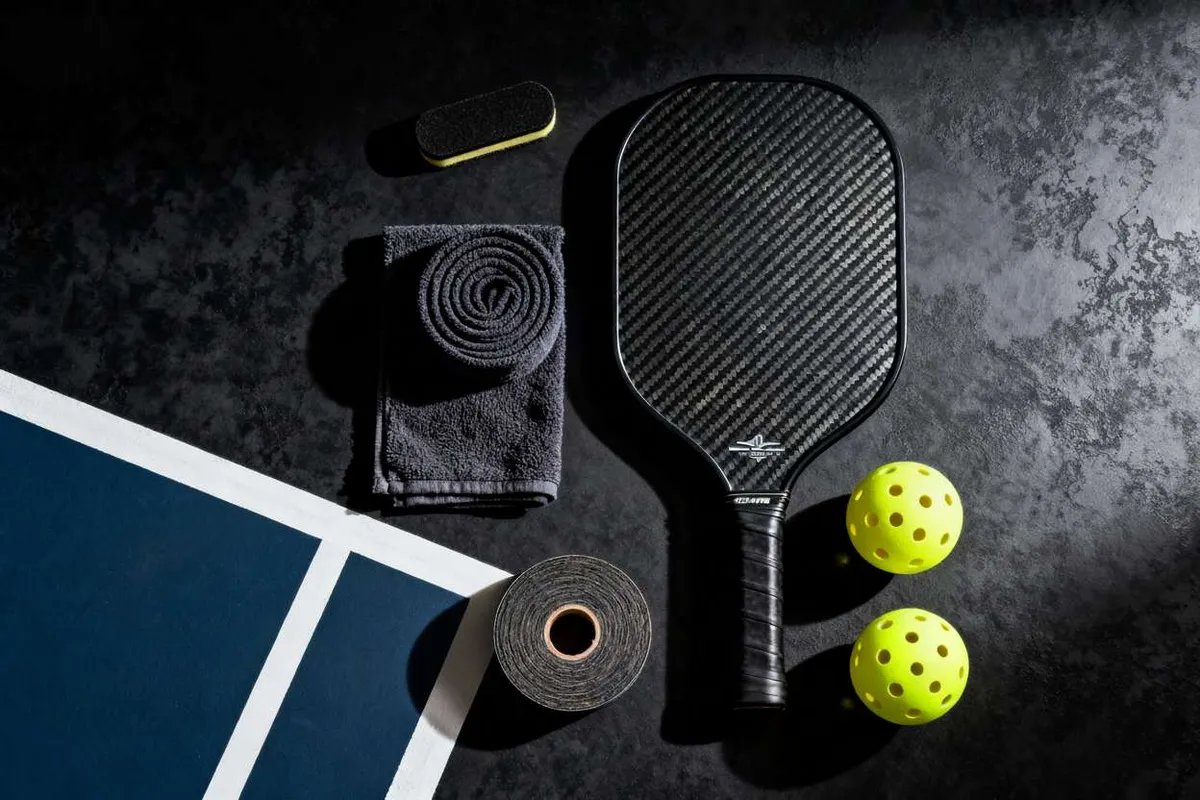
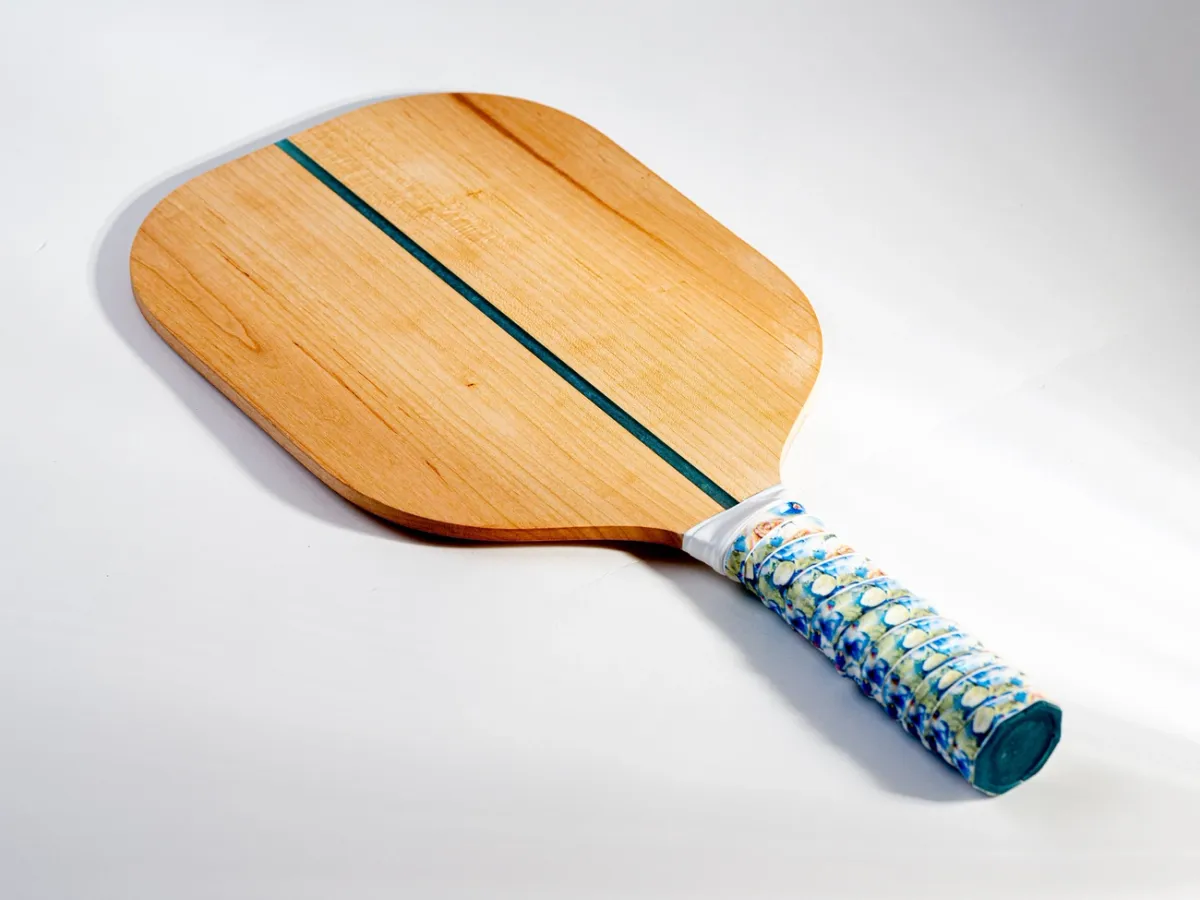
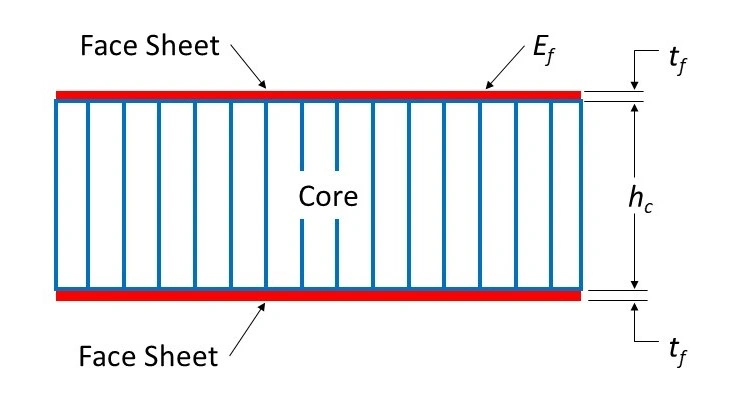
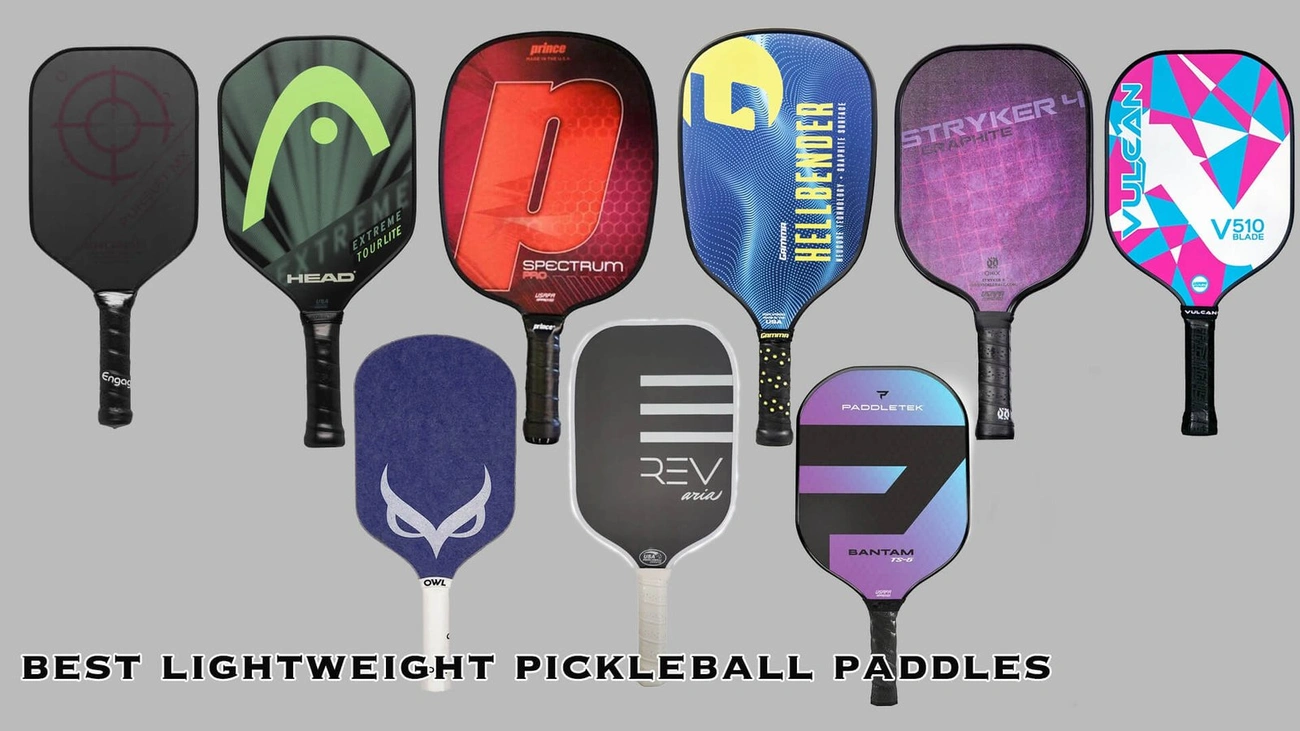
Paddle construction and court illustrations
Visual examples of equipment and court settings. Images are illustrative; current specifications and fit should be checked with the maker or retailer.
Frequently asked questions
Does a newer paddle automatically offer more spin or control?
No. Construction descriptions do not establish your result. Compare the exact candidate with your current paddle using the same ball, court and routine shots.
Can I rely on an old approval sticker?
Check the current database and the event’s rules for the exact model. Approval status and equipment condition need to suit the event at the time you play.
When is keeping the old paddle the better choice?
Keeping it is reasonable when it is sound, comfortable, suitable for your event and no candidate provides a useful repeatable improvement. Maintenance or instruction may address the actual problem.