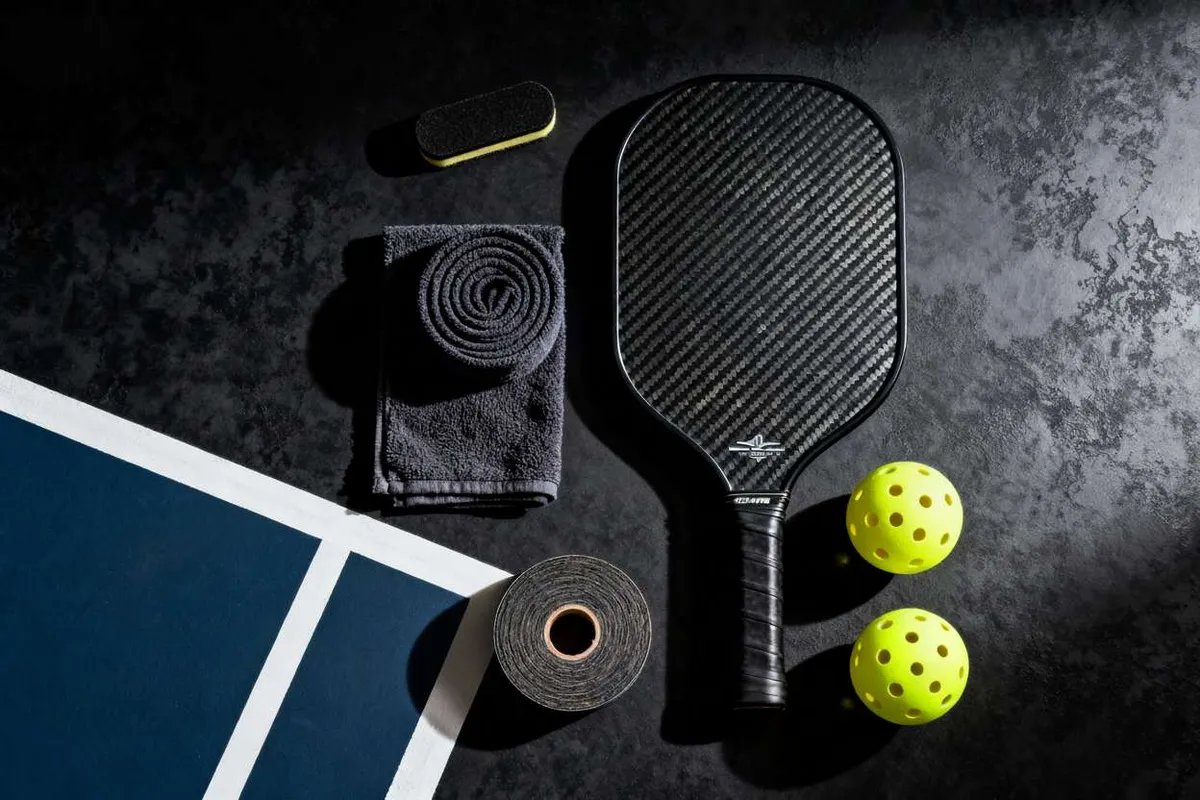
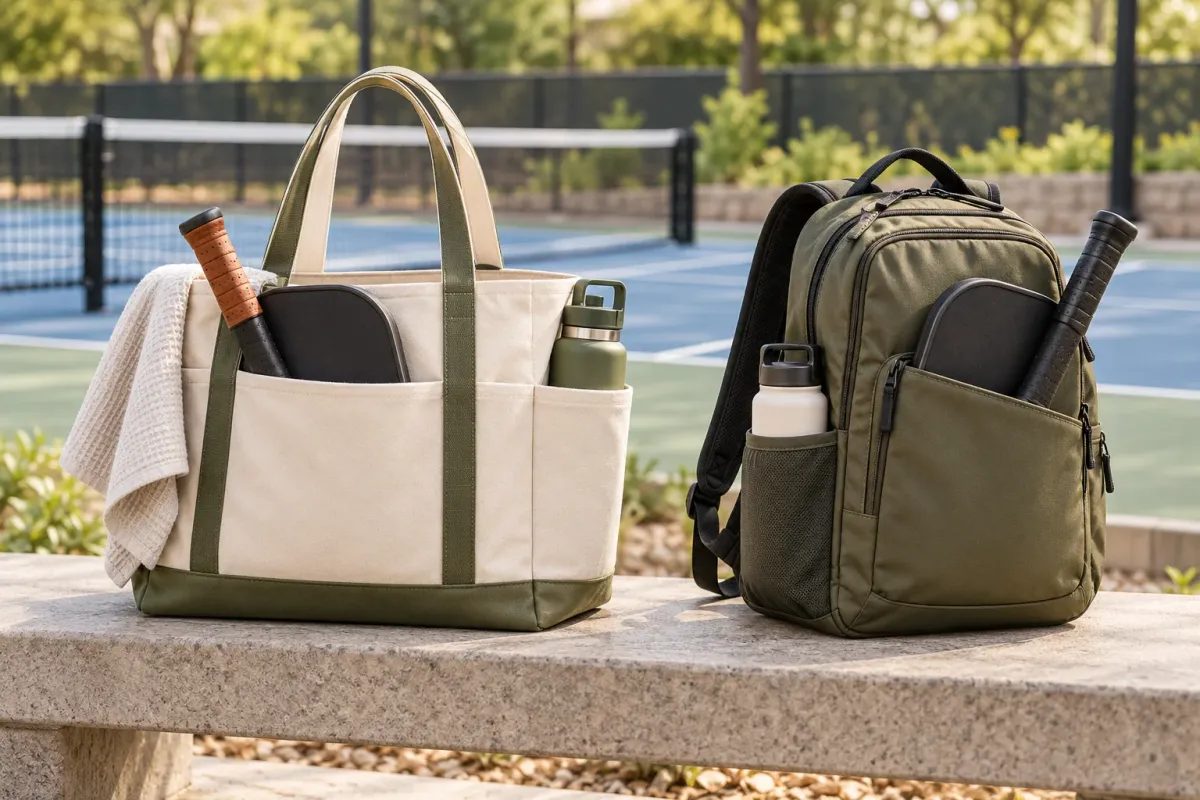
Choose an accessory when it addresses a problem you actually have: collecting balls during drills, carrying damp clothes separately or keeping a worn grip manageable. Buying a complete “pro kit” is not a requirement for better play.
Training Tools: Compare the Practice Task
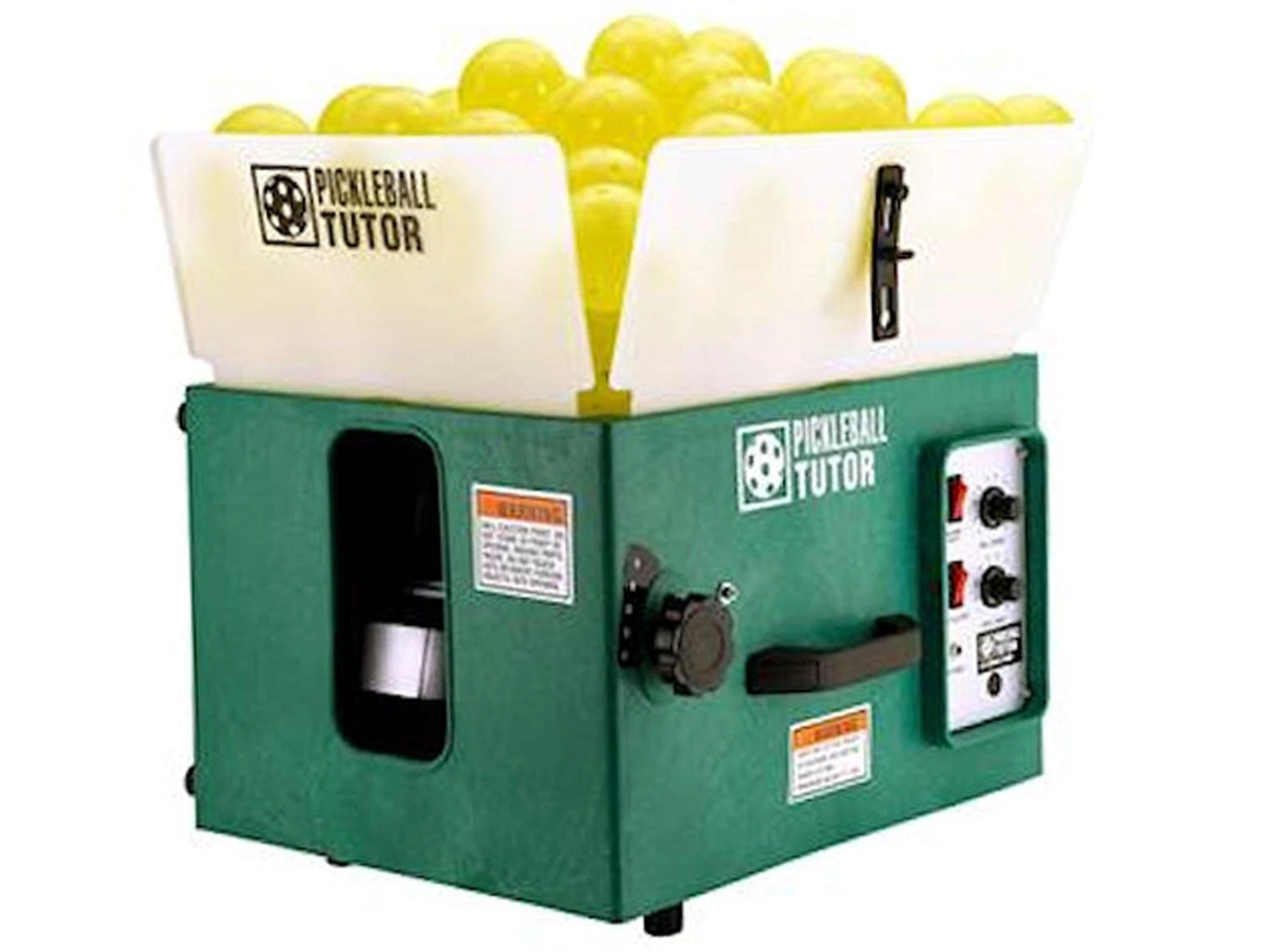
A ball machine can make repeated feeds convenient, while target rings can provide a visual goal for placement. Check the machine’s feed settings, power needs, storage and service before purchase. A target is useful only if the drill also matches the shot you want to practice.
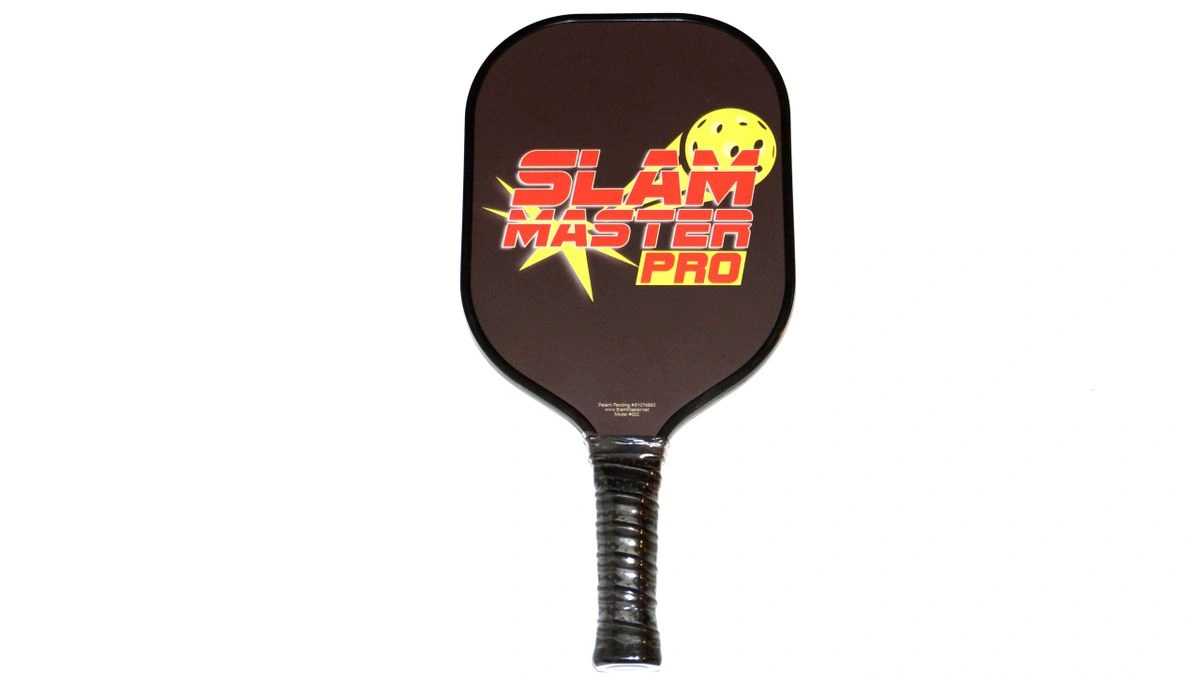
Tethered trainers and smaller training paddles may serve coordination exercises, but their rebound and contact conditions differ from matches. Do not treat them as a complete substitute for practice with a partner and standard equipment.
Thirteen Accessory Categories to Consider
| Accessory | Potential use | Check first |
|---|---|---|
| Tethered trainer | Repeat a coordination exercise without a partner | Safe space and how rebound differs from normal play |
| Ball machine | Repeated feeds for a defined drill | Feed settings, power, transport and service |
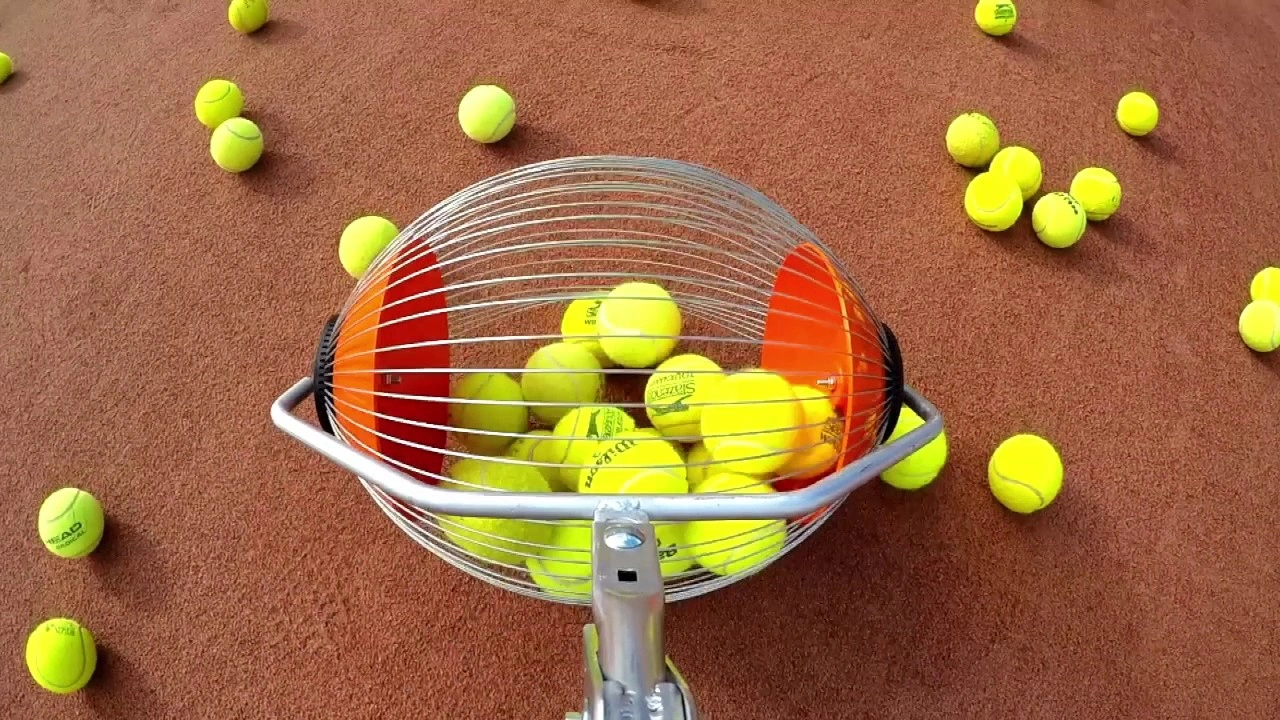
| Rolling collector | Gather balls after a large drill | Ball compatibility and surface suitability |
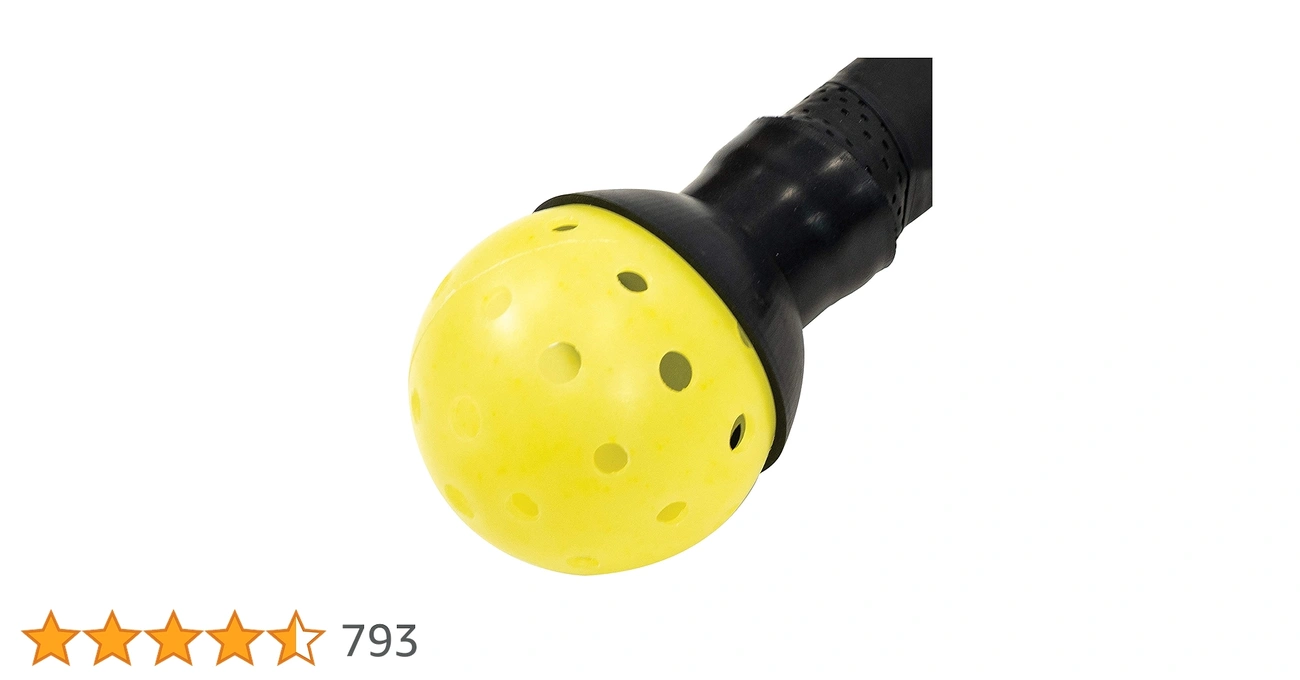
| Ball retriever | Reduce some repeated bending | Secure attachment and whether it affects handling |
| Targets | Practice placement | Visibility and trip hazards |
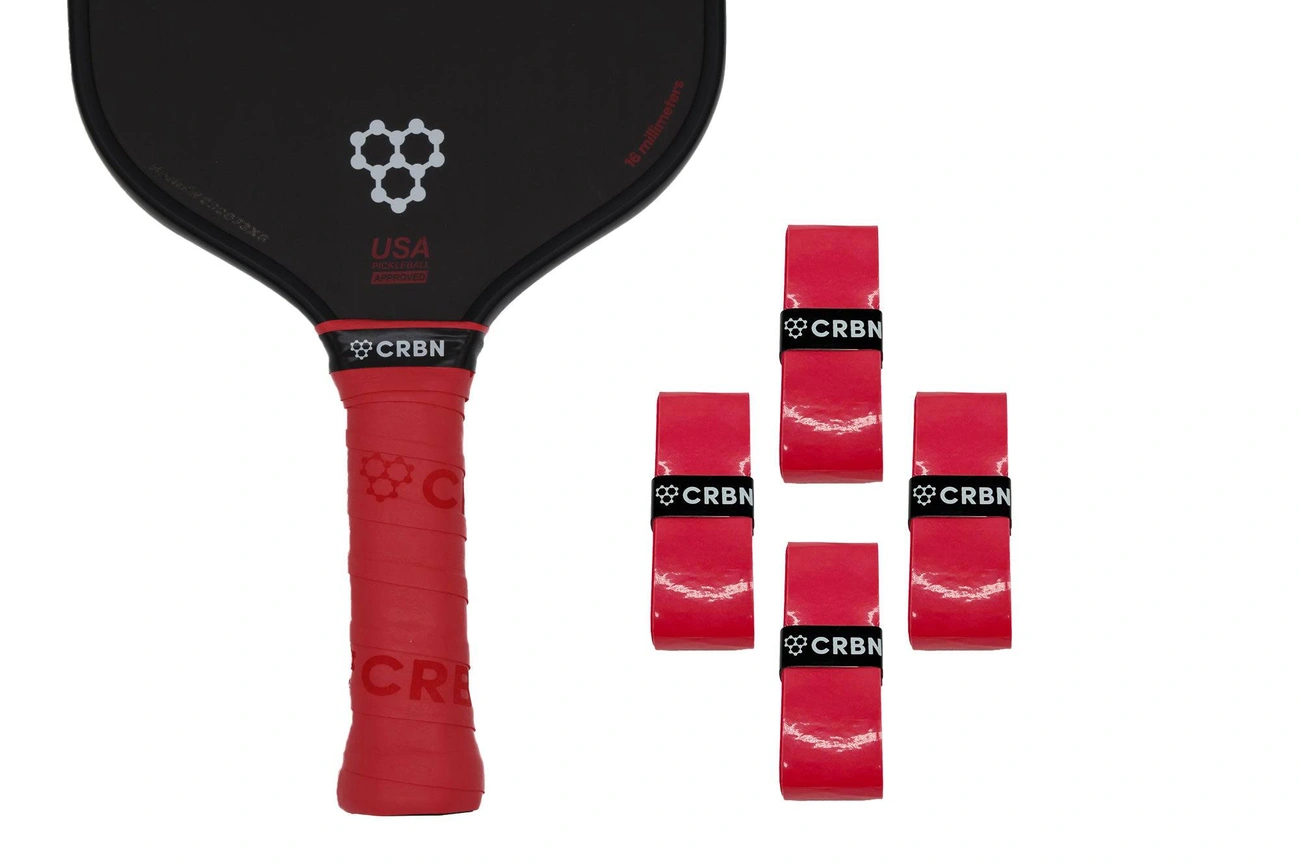
| Overgrip | Adjust a worn or unsuitable grip feel | Thickness, comfort and installation |
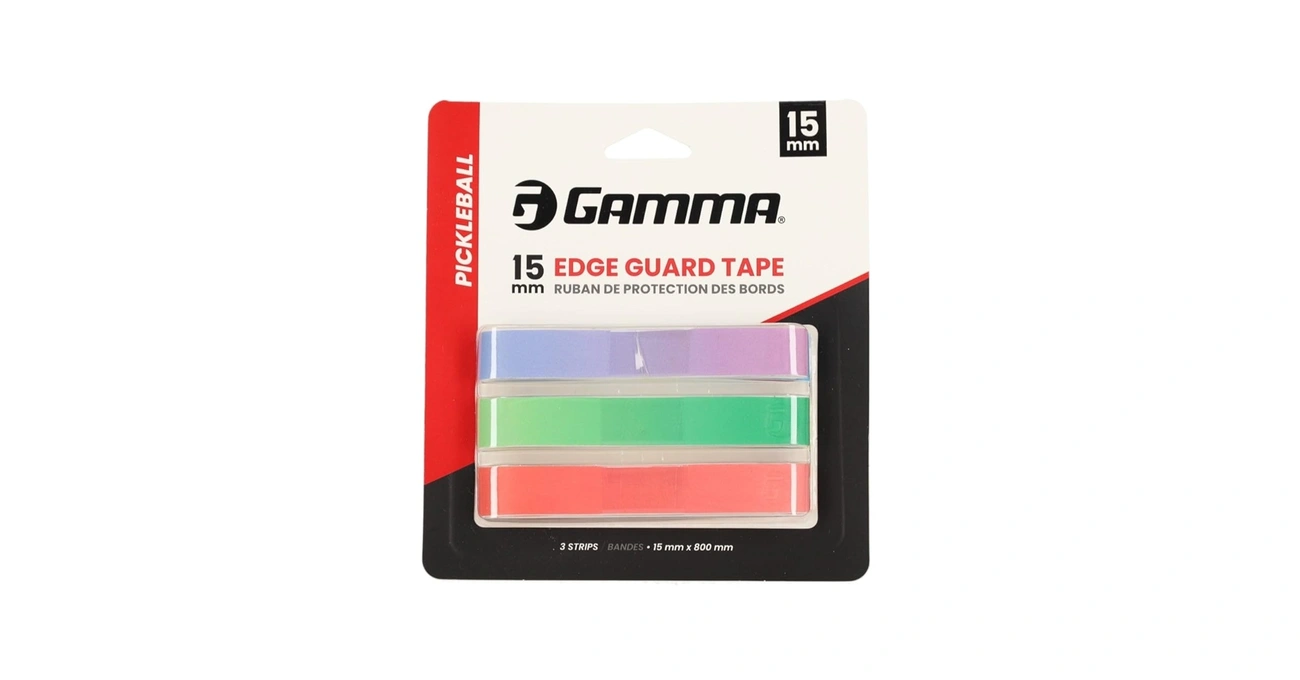
| Edge tape | Protect an edge from some scuffs | Manufacturer instructions and added weight |
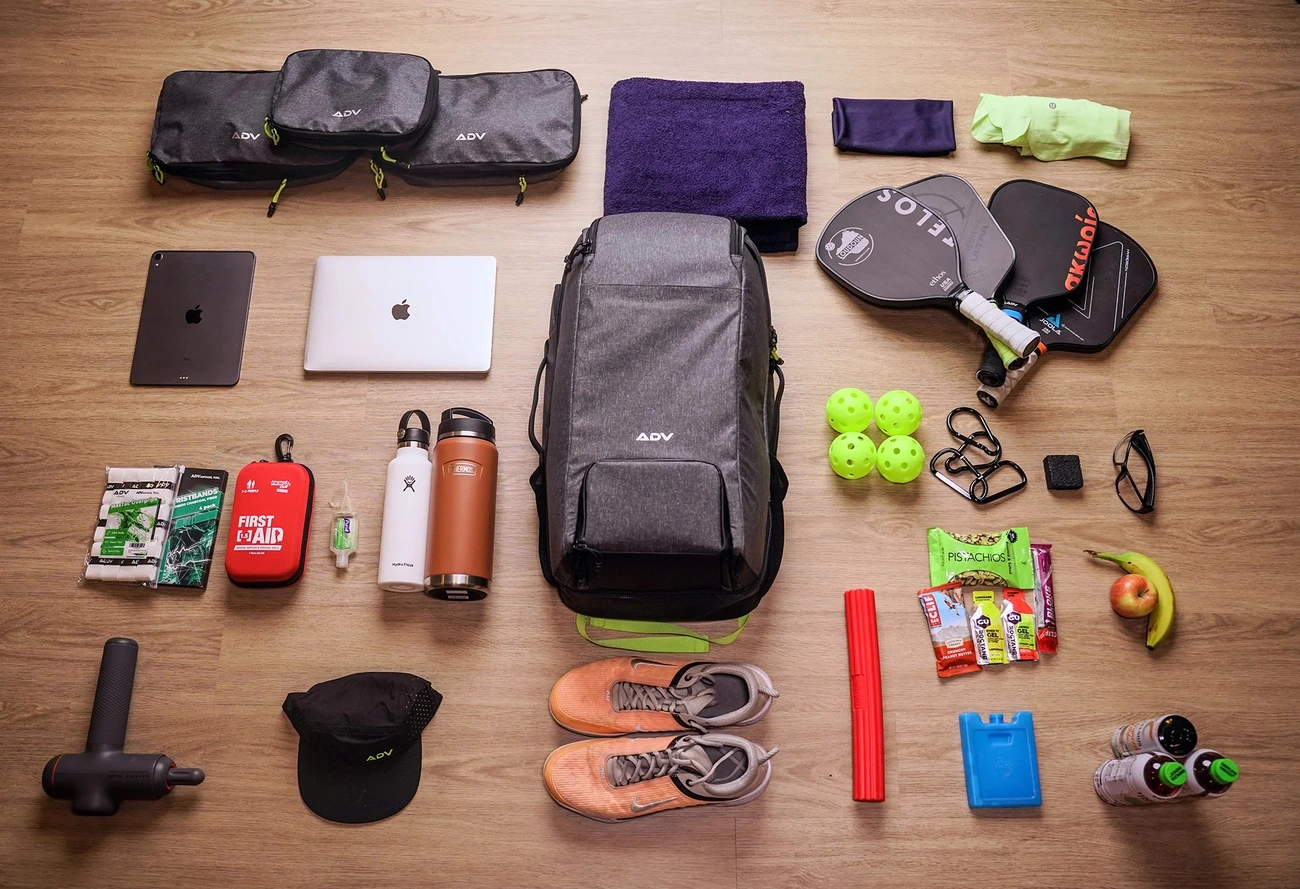
| Compartment bag | Separate paddles, shoes and personal items | Fit of your actual kit |
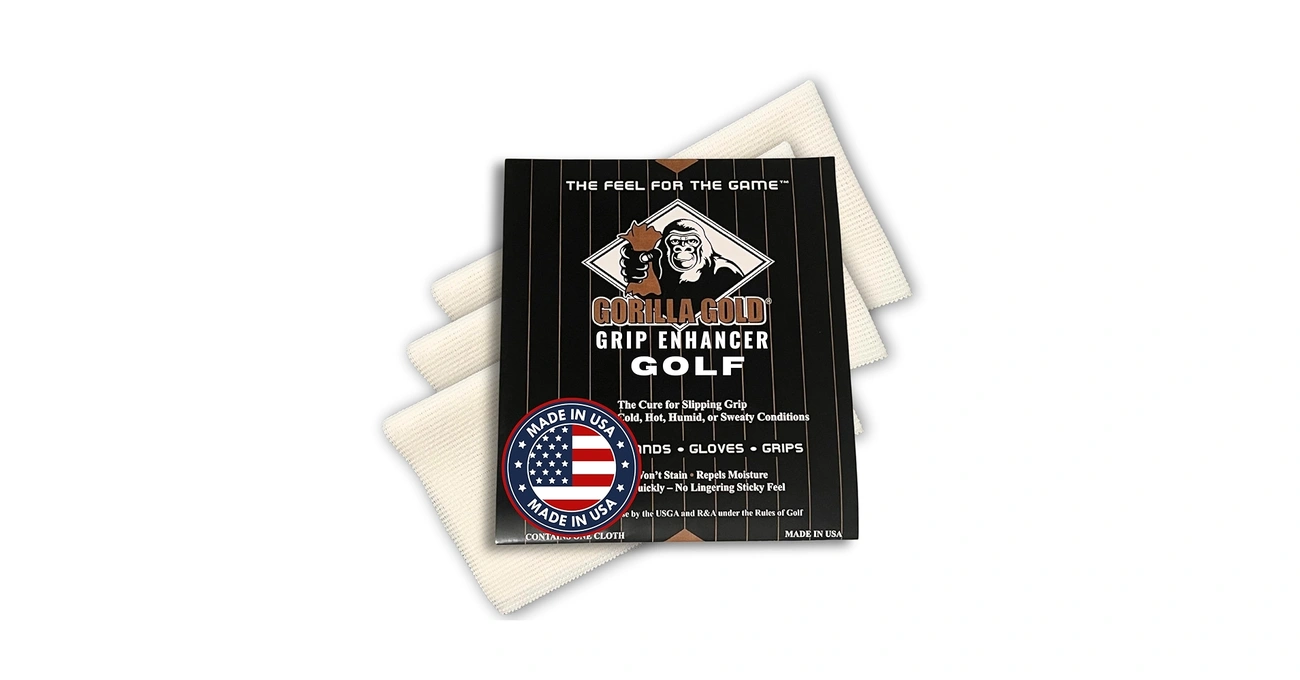
| Grip towel | Manage sweat or grip feel | Residue, skin comfort and permitted use |
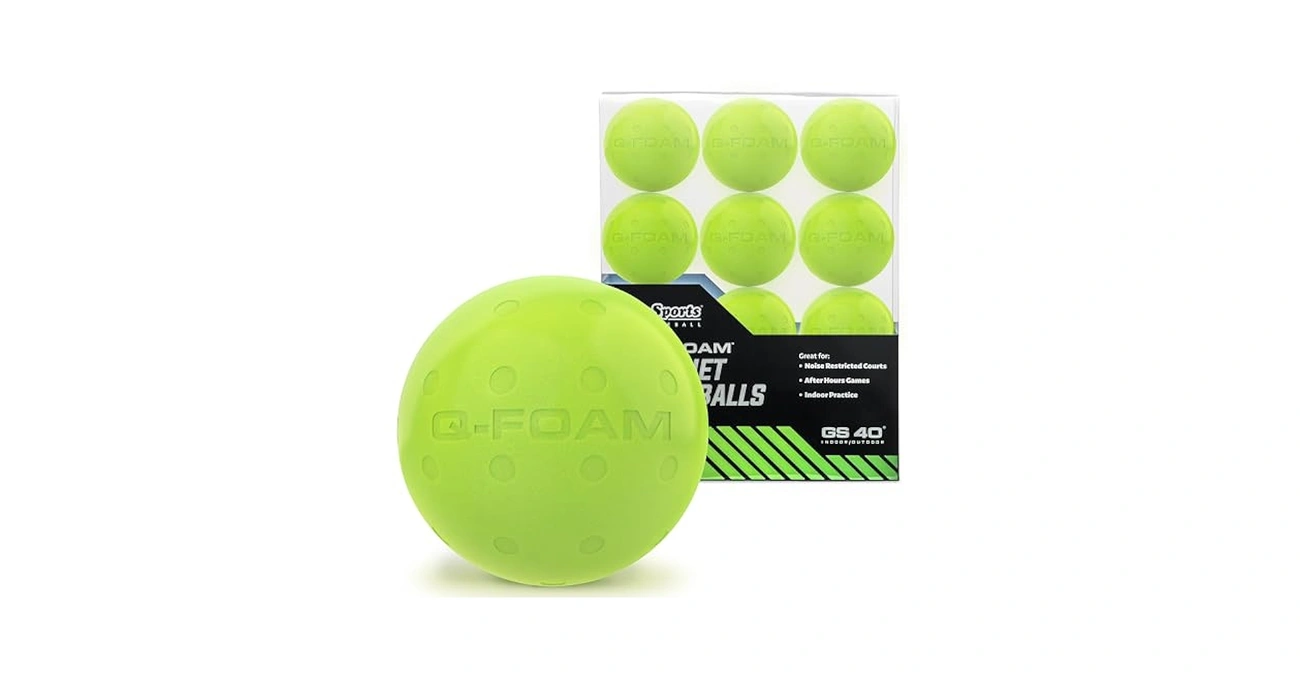
| Quiet practice ball | Lower-noise coordination practice | Different rebound and venue policy |
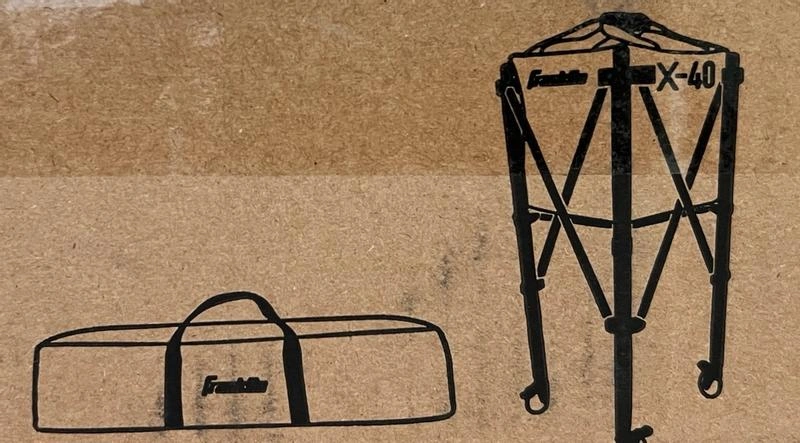
| Ball caddy | Keep a drill supply within reach | Stable placement outside movement paths |
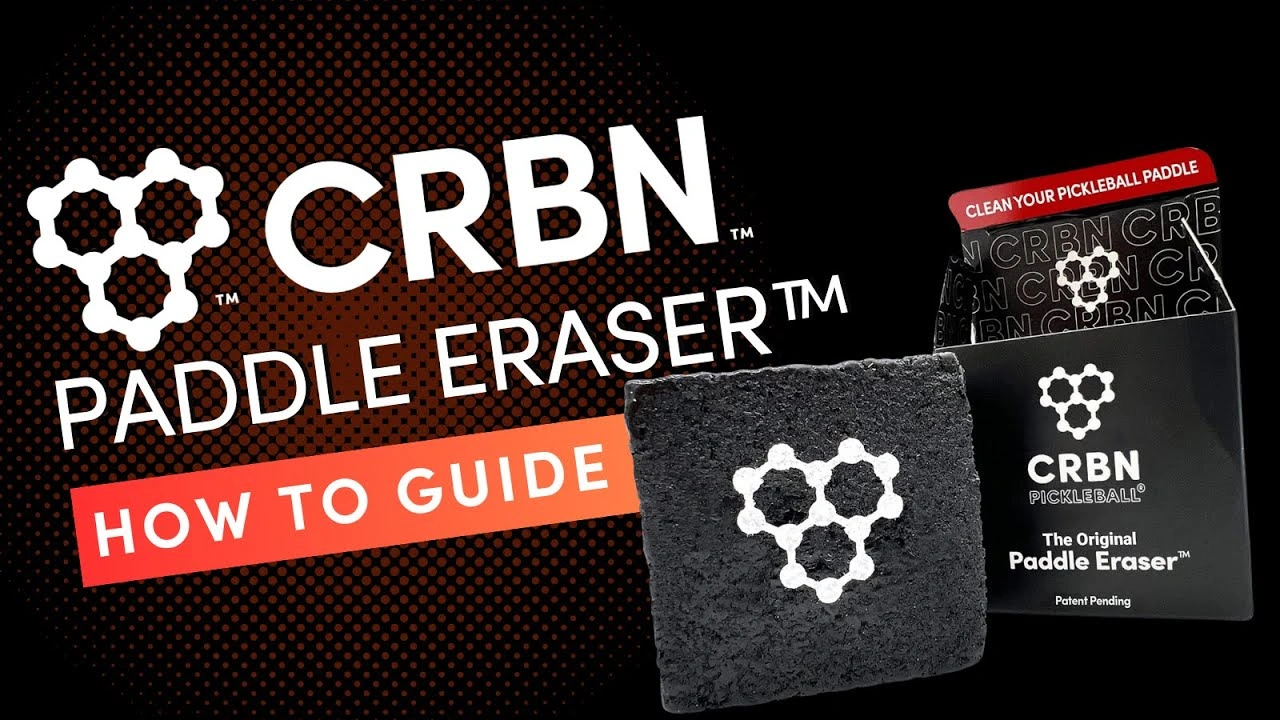
| Paddle cleaner | Remove permitted surface residue | Compatibility with the exact face |
| Mini net | Small-area touch exercises | Space, stability and differences from a full court |
Use the Manufacturer’s Care Instructions
A paddle eraser is not suitable for every face. Check your model’s cleaning instructions before using friction cleaners, liquids or household products. Do not sand a face or assume that cleaning restores its original spin performance.
Edge tape may prevent some cosmetic scuffs, but this guide does not claim a fixed percentage increase in paddle life. Inspect loose tape and fit it without creating an unsafe edge or disallowed surface modification.
Quiet Practice Is a Different Setup
Consult the USA Pickleball acoustic equipment list for recognized options. Foam practice balls may sound and rebound differently from match balls. Choose it for its intended practice task rather than assuming match-ball timing.
Check space around a home drill. A low-noise ball does not remove the risk of hitting a person or fragile object. Use your normal match ball when practicing competition timing in a suitable venue.
Check Competition Requirements
Follow the current rulebook and the event’s equipment policy when adding accessories. Paddle approval does not automatically approve every change to the playing surface. For sanctioned play, verify the exact paddle’s listing too.
Buy in Order of Need
Start with the item that solves the most frequent friction in your current sessions. Demo or borrow large training equipment before purchasing where possible. Compare current cost, maintenance, storage and return terms rather than an old “pro-approved” claim.
Frequently Asked Questions
No. They serve different tasks. Buy for an actual need rather than a complete pro kit.
Check the manufacturer’s instructions, secure attachment, added weight and applicable event rules. Inspect the paddle itself for damage instead of relying on tape to restore it.
No. Check the exact manufacturer’s cleaning instructions and compatible surfaces.
Not necessarily. Their flight and rebound can differ, and venue or tournament acceptance must be checked.
No. A defined drill and appropriate practice are still needed, and tools differ from actual match conditions.