
A quieter paddle can be one part of a community court's noise plan. It cannot, on its own, guarantee that a nearby resident will be undisturbed or that a court will stay open. The useful question is which combination of equipment, operating hours and site design fits this particular venue.
Key Takeaways
- Check acoustic recognition and tournament approval separately.
- A foam core is a construction choice, not proof of a particular sound reduction.
- Compare equipment at the actual court, with the same ball and playing conditions.
- Include neighbors and the facility operator in a plan with measurable follow-up.
Why Court Noise Needs a Site Plan
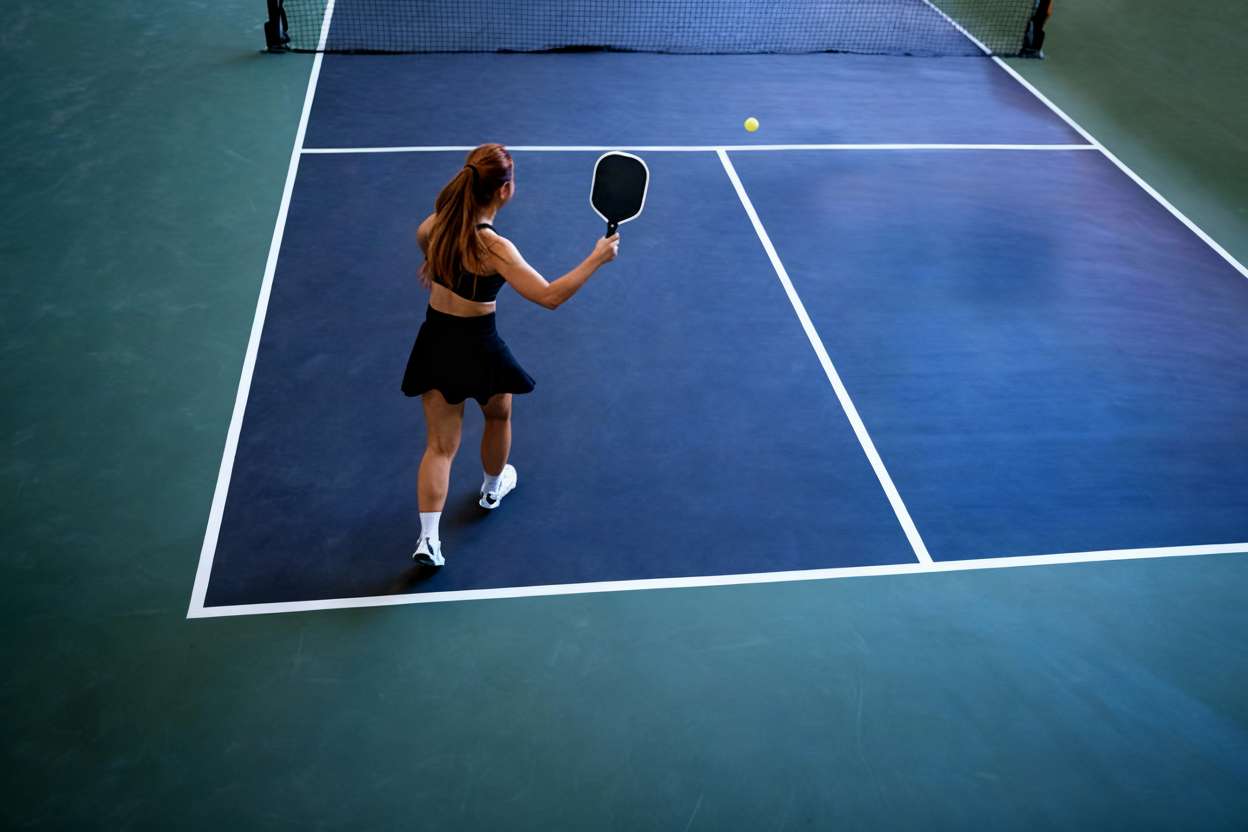
The sound of paddle-ball impact is only part of what neighbors hear. Court placement, distance to homes, the number of simultaneous games, voices, barriers and the time of day all matter. A paddle that sounds softer to the player may still be noticeable at a nearby property.
USA Pickleball’s acoustics resources cover quieter equipment, acoustic mitigation and facilities support. This is a better starting point than assuming that a universal decibel figure describes every court.
Quiet Recognition and Tournament Approval Are Different Checks
USA Pickleball maintains an acoustic equipment list and a separate approved paddle list for sanctioned play. Verify the exact model, not just the brand. A Quiet Category listing is not a blanket guarantee that a paddle, cover or sleeve is legal in a sanctioned tournament.
Before a club buys equipment, ask the facility operator which products its local policy accepts. Before entering an event, check that event’s rules and the relevant approved list. Keep a suitable backup paddle if a recreational quiet setup is not approved for the competition.
What Foam Construction Can and Cannot Tell You
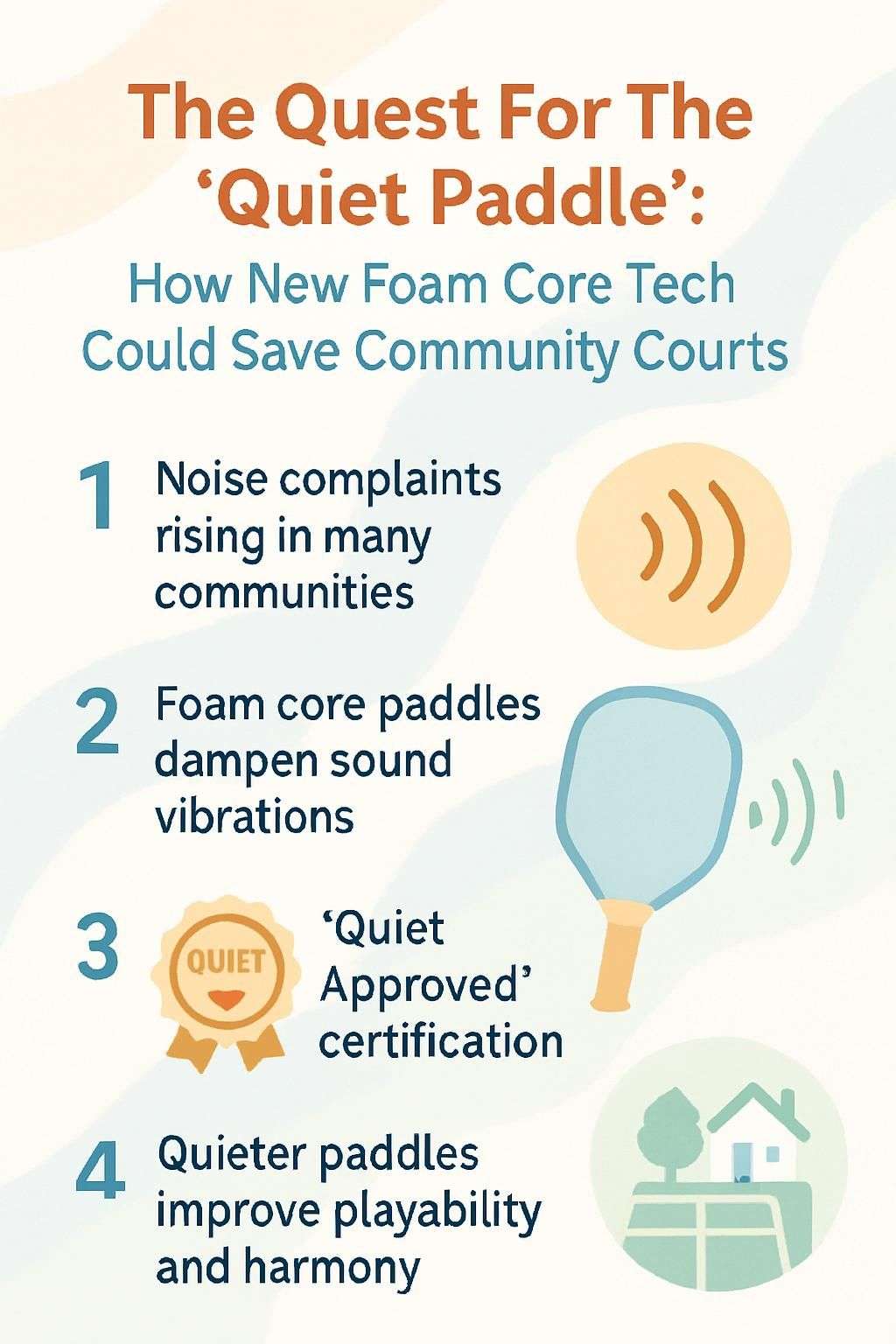
Paddle noise depends on the complete paddle and ball system. Core construction, face material, bonding and surface treatments can change the sound and feel at impact. Manufacturers also use acoustic covers and other approaches; quiet equipment is not synonymous with full-foam construction.
Do not infer lower sound, a larger sweet spot, longer life or elbow protection from the word “foam.” Those are separate performance claims that need model-specific evidence. Even a published sound measurement needs its test distance, ball, impact method and environment before it can be meaningfully compared with another result.
Build a Practical Trial With the Facility Operator
- Define the concern. Record when and where noise is disruptive. Include play hours and the number of active courts.
- Agree on accepted equipment. Make a shortlist from the official acoustic list and the venue’s policy.
- Run comparable sessions. Use the same court, ball and approximate level of play. Compare the full session rather than one demonstration hit.
- Get qualified help where needed. An acoustic professional can assess the receiving property and the effect of proposed barriers or layout changes.
- Review the outcome. Ask residents and players whether the agreed trial addressed the concern before making a permanent rule.
A phone recording can help document the situation, but it is not a calibrated compliance assessment. Avoid presenting an informal app reading as proof that an ordinance has been met.
Keep Playability in the Decision
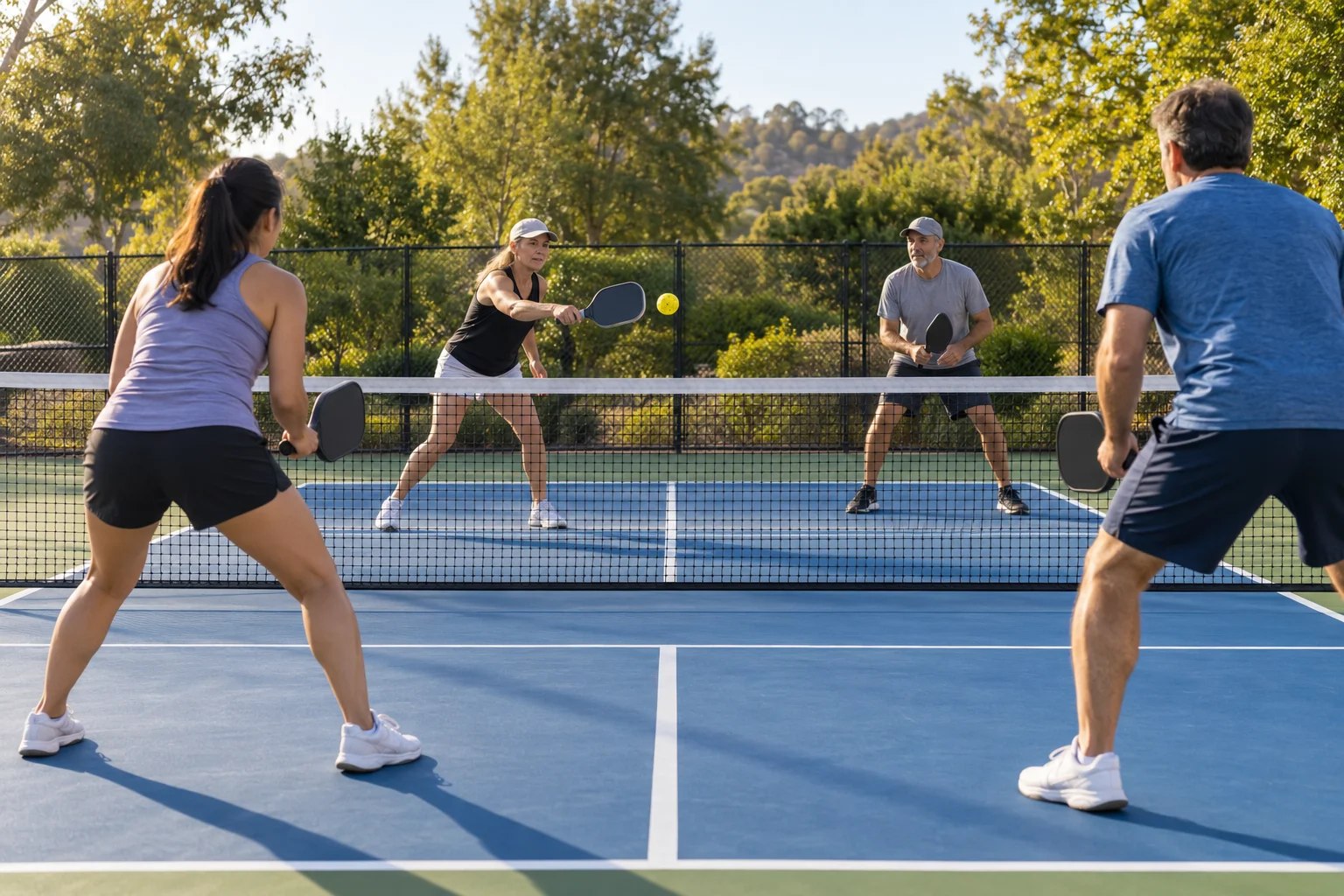
Try serves, dinks, blocks and drives before a group purchases a new model. Compare comfortable grip, maneuverability and predictable rebound. A quieter setup can feel different, and players should have time to adjust.
Quiet balls may also change flight and rebound. A foam practice ball can be useful for low-noise drills without reproducing standard match conditions. Choose it for the task it serves, and confirm it is accepted at the venue.
Equipment Is One Part of Being a Good Neighbor
Combine an equipment trial with reasonable hours, clear signage and a contact point for concerns. Facilities may also need sound barriers or a different court layout. The best plan is one the operator can explain, enforce and revisit with the community.
For a shopping checklist, see our quiet paddle selection guide. It focuses on the evidence to check before buying rather than promising that a material alone will solve court noise.
Frequently Asked Questions
It may help reduce one source of noise, but access depends on local policy, site acoustics and the full operating plan. There is no universal guarantee.
No. Check the specific model’s acoustic recognition and evidence. The complete construction and the ball affect impact sound.
No. Look up the exact model on the tournament approval list and follow the event’s equipment rules.
Evaluate the paddle and ball together. Quiet practice balls can feel different and may not be appropriate or approved for standard match play.
A phone can help record observations, but ordinance compliance or a formal site assessment should use the required method and appropriate equipment.