Good clothing information describes the exact garment: fiber composition, measurements, lining, pockets and care. A phrase such as “performance fabric” does not tell you how a particular cut will feel when you move.
This checklist helps you evaluate a listing or a fitting-room candidate. For putting pieces together in different conditions, use the outfit guide.
Separate fiber composition from a performance promise
The fiber label tells you what the textile contains. It does not, on its own, establish airflow, drying behavior, durability or comfort. Yarn, construction, finishing and the garment's layers also matter.
Read the specific product description and ask for missing information. Avoid assuming that every polyester blend behaves alike or that a familiar brand name proves the same properties across its entire range.
Understand stretch as a movement question
A stretch claim is useful when the garment lets you perform the movements you need. Try a comfortable ready stance, a gentle reach and small side steps. Check whether the fabric pulls, the waistband shifts or the seams rub.
Four-way stretch is not a guarantee of fit. A stretchy garment can still be too tight, too long or shaped poorly for you. Use the seller's measurements and a permitted try-on rather than choosing from the claim alone.
Look at ventilation and moisture claims
Check whether the seller explains a feature through the construction or a stated test. Mesh panels, a loose cut and lining can all change how a garment feels, but appearance alone does not prove the claimed result.
Consider the actual climate and effort. Clothing does not eliminate overheating or the need for breaks. If you need a documented feature, ask the maker about that feature in the exact version rather than treating a promotional adjective as evidence.
Inspect the parts that contact your body
Seams, liners, labels and leg openings can matter as much as the outer fabric. Sit and move while checking those contact points. A garment that looks comfortable standing still may behave differently when the liner moves.
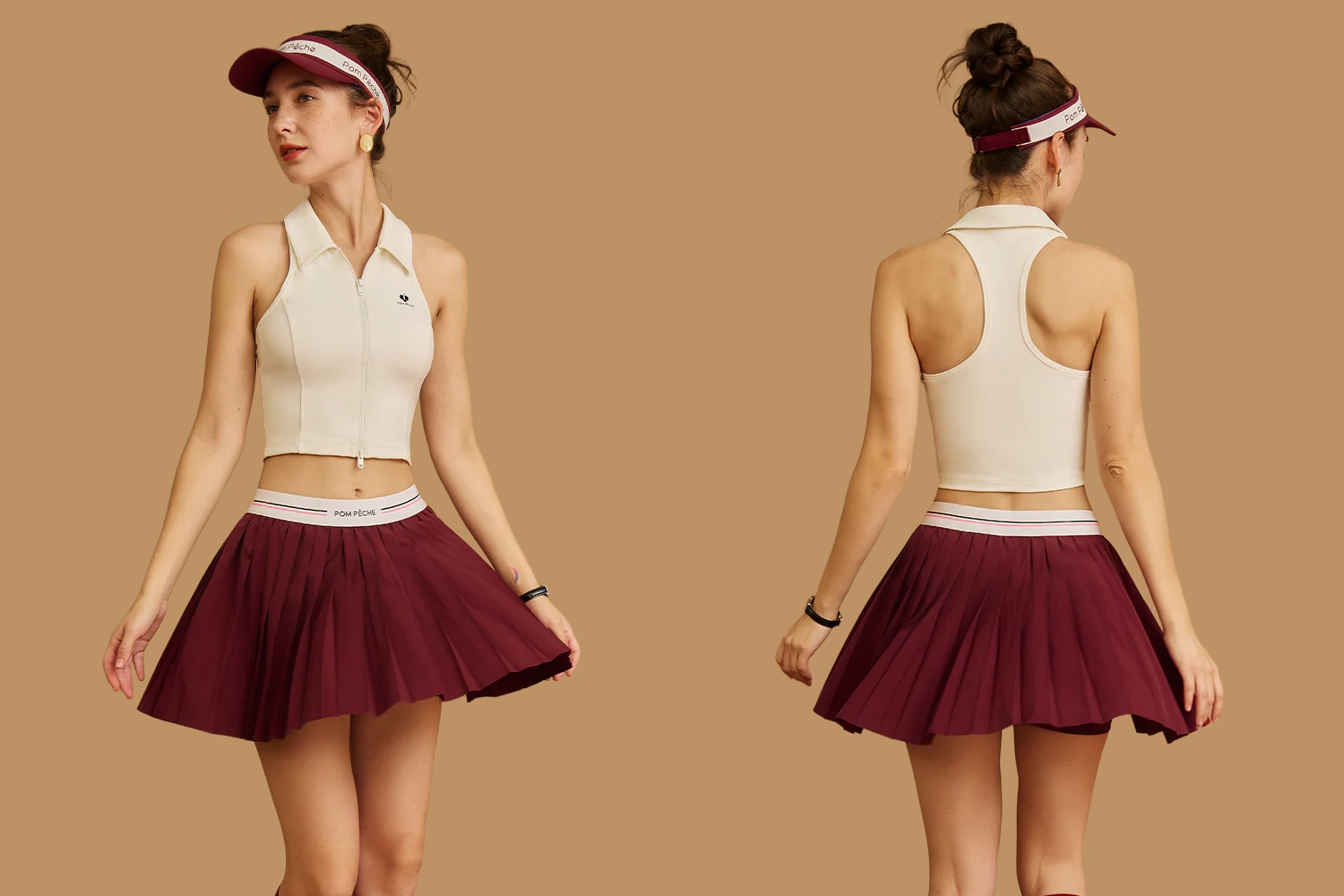
For a skort, inspect liner dimensions separately from the skirt's length. For a top, test sleeve and shoulder movement with the paddle position you normally use. Choose support garments according to your needs and fitting advice where appropriate.
Test pocket function
| Pocket use | What to check |
|---|---|
| Ball | Access, retention and whether it affects movement |
| Phone | Weight and bounce during gentle steps |
| Key | Secure closure and placement away from uncomfortable contact |
| Empty during play | Whether the pocket or zipper still interferes |
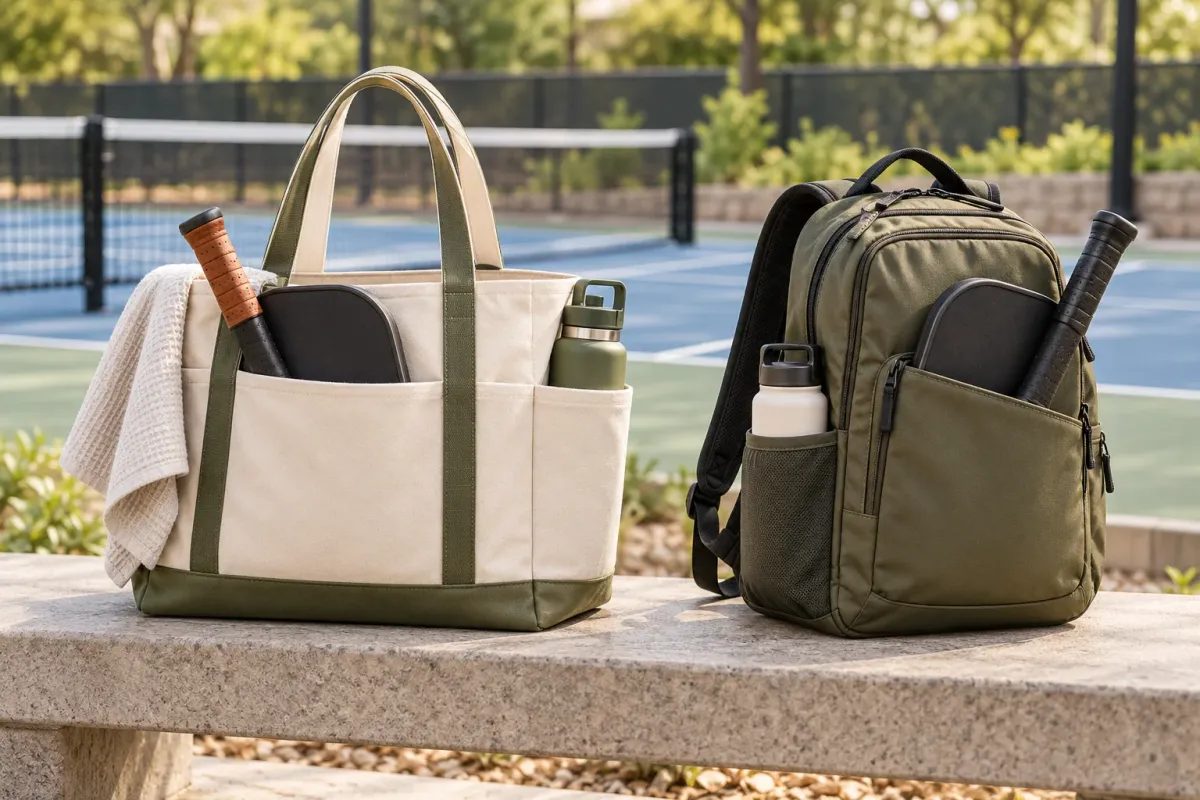
You do not need to carry every item a pocket can hold. Put objects in the bag when that is more comfortable or appropriate for the session.
Verify sun-protection claims
Look for a documented UPF rating if sun protection is a required purchasing feature. Do not assume every athletic garment offers a specific rating, and consider which skin it leaves uncovered.
The American Academy of Dermatology's clothing guidance explains protective coverage and complementary sun-protection measures. The garment is one part of the outdoor plan.
Read the care label before committing
The FTC's care-label guidance describes washing, drying and relevant warnings. Follow the exact garment's directions, including any requirements affected by its lining, trims or other parts.
Compare those instructions with your laundry routine. An appealing item that you cannot realistically maintain may be a poor fit for frequent play. Ask for missing care details before ordering.
Make the purchasing decision
Choose a garment that passes the fit, movement and care checks, then compare price, return terms and personal style. Higher cost does not automatically prove better construction or an improved game.
After wearing it, note what worked and inspect the condition during ordinary care. Keep those observations for future purchases. They are useful personal evidence without becoming a claim that every player will have the same experience.
Clothing construction and court illustrations
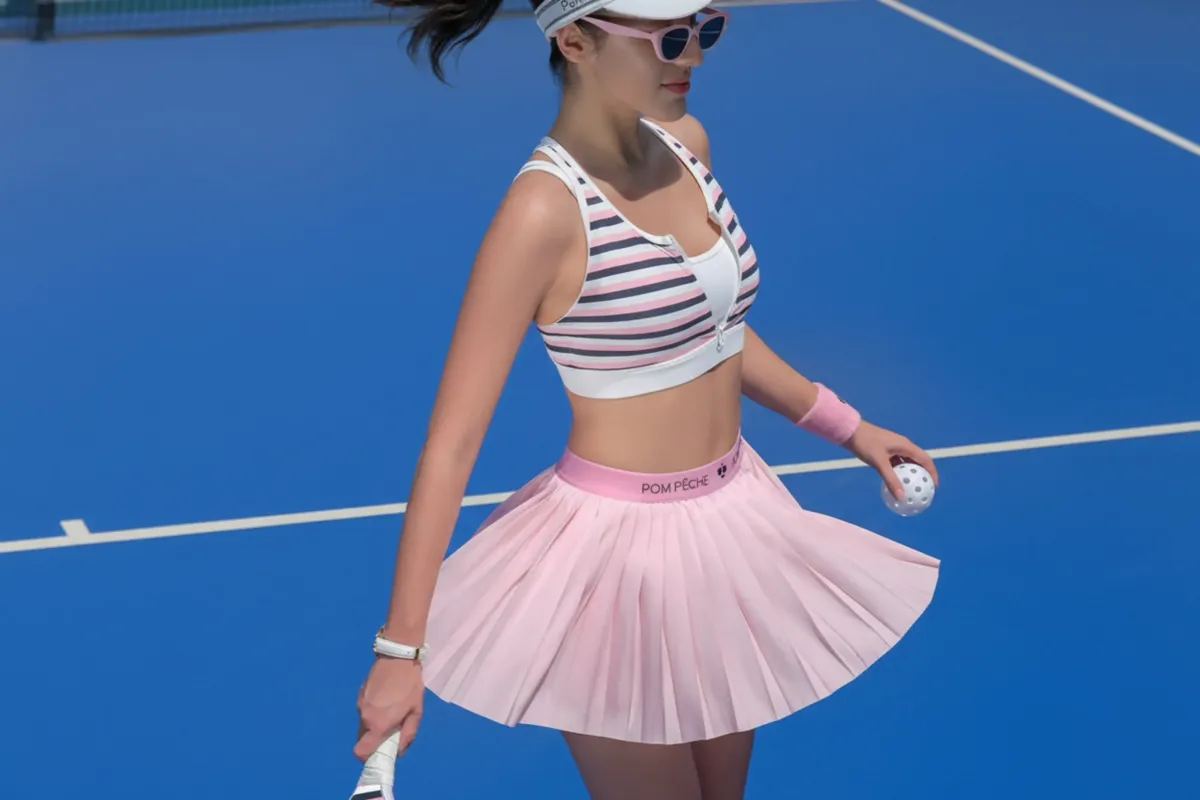
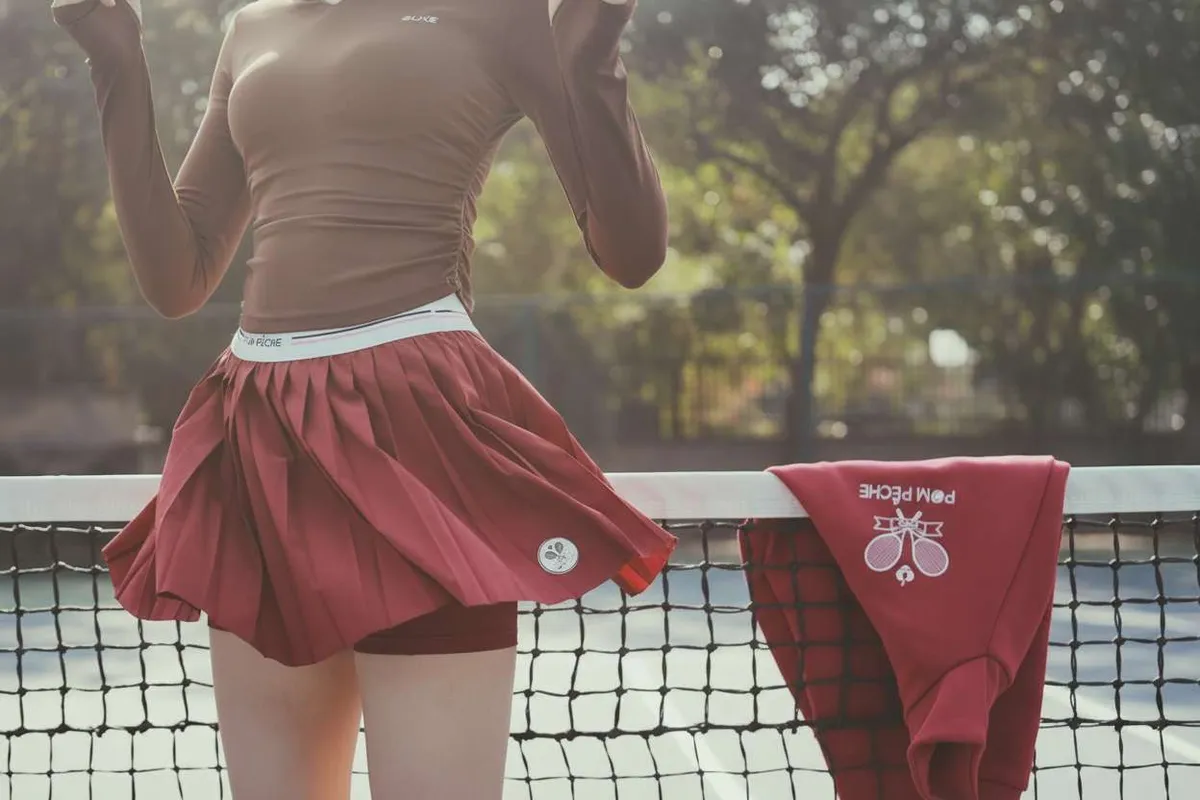
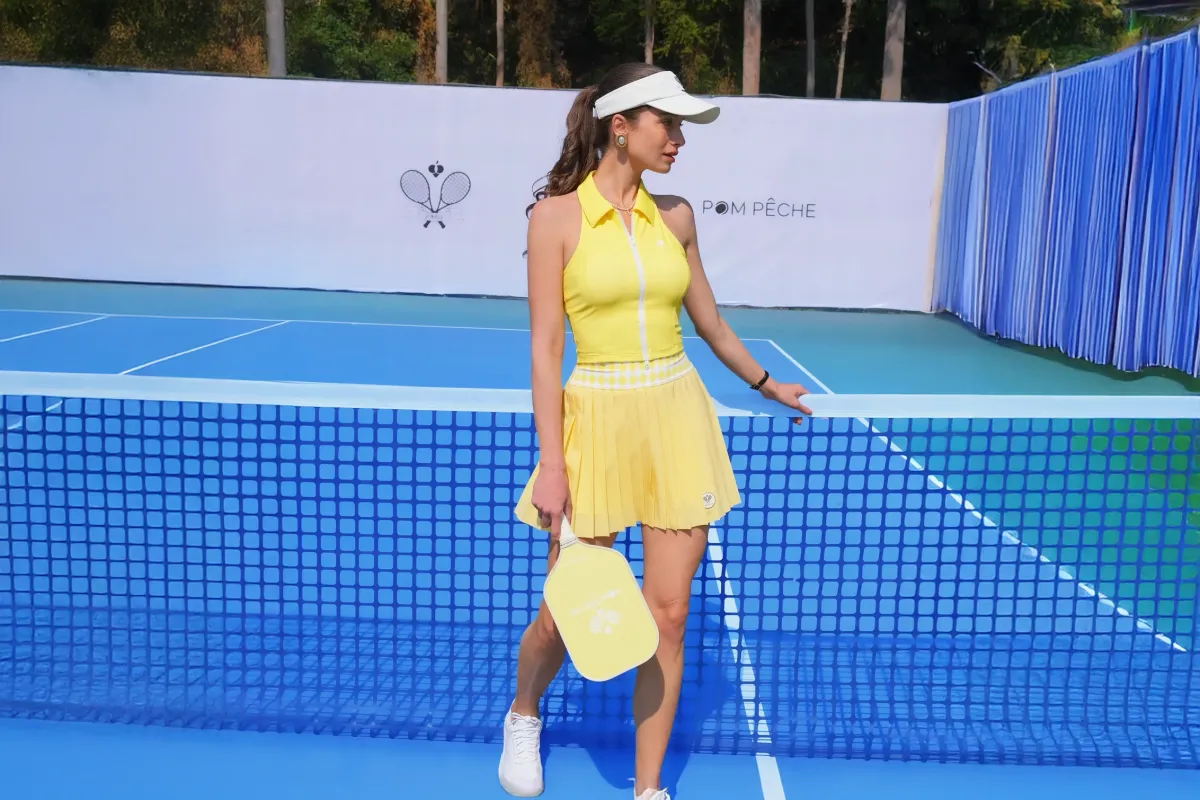
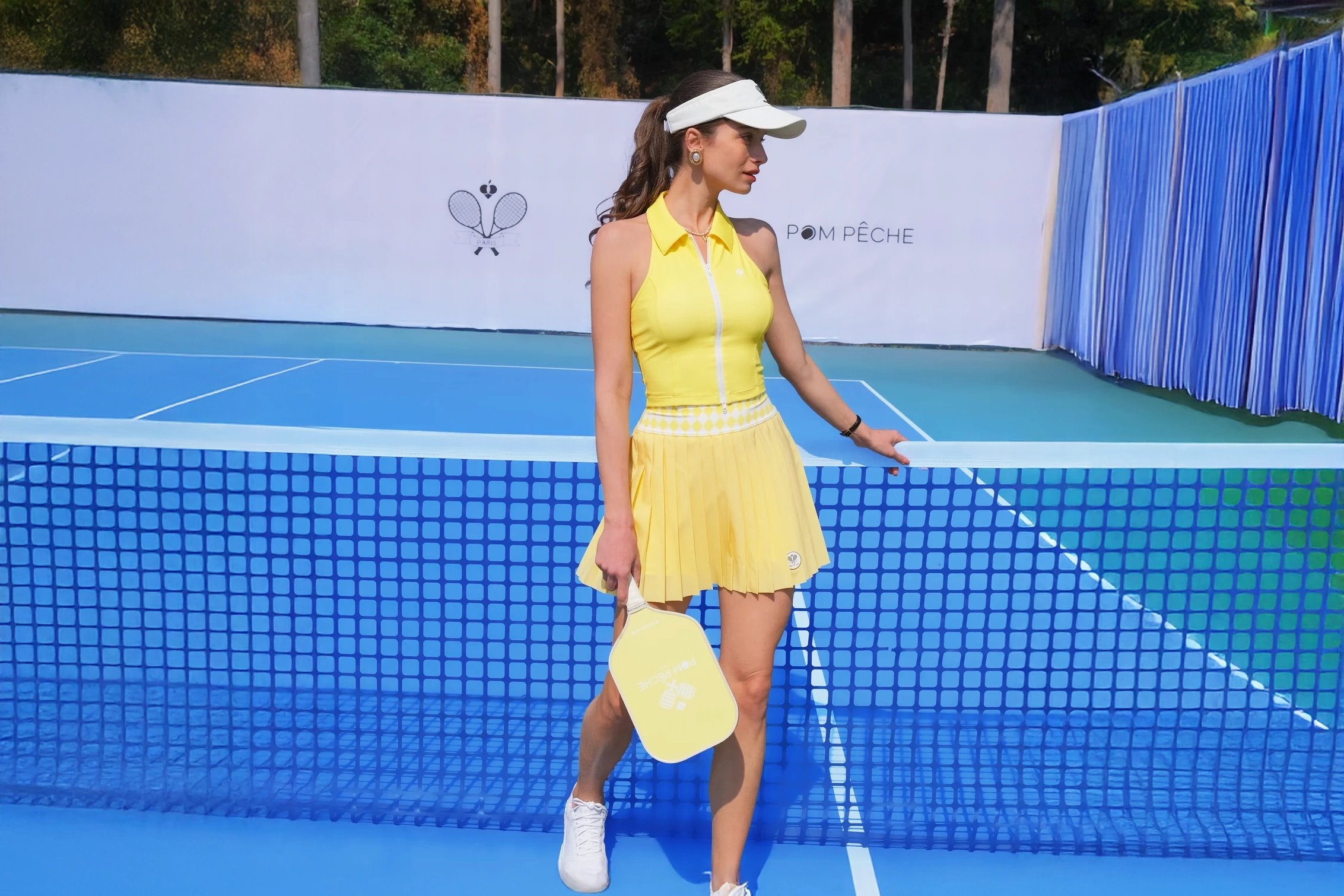
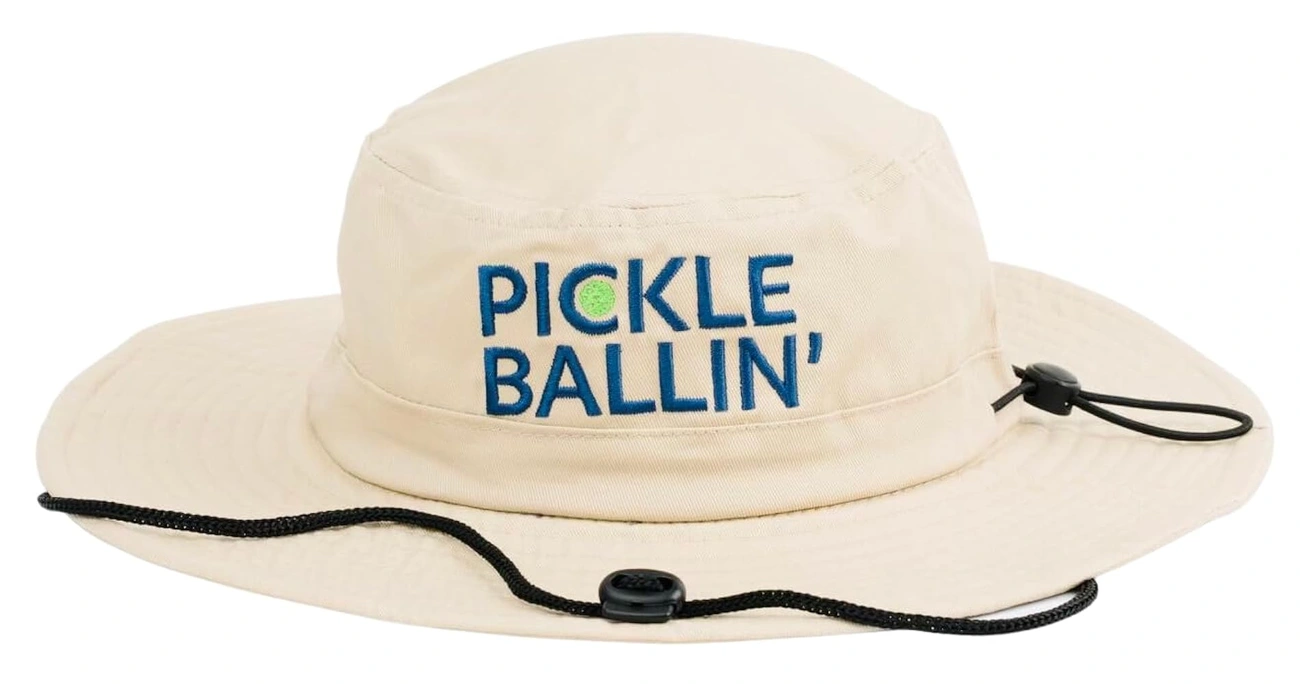
Visual examples of equipment and court settings. Images are illustrative; current specifications and fit should be checked with the maker or retailer.
Frequently asked questions
Does a moisture-wicking label prove I will stay comfortable?
It describes a claimed property, while comfort also depends on construction, fit, layers, conditions and the person. Ask for specific product information and assess the garment in your setup.
Is more stretch always better?
No. Fit, support and movement need to work together. A stretchy garment can still shift, rub or restrict movement because of its cut.
Why check care instructions before buying?
The garment needs to fit your maintenance routine as well as your body. Read the exact washing, drying and warning instructions so you know what keeping it useful requires.