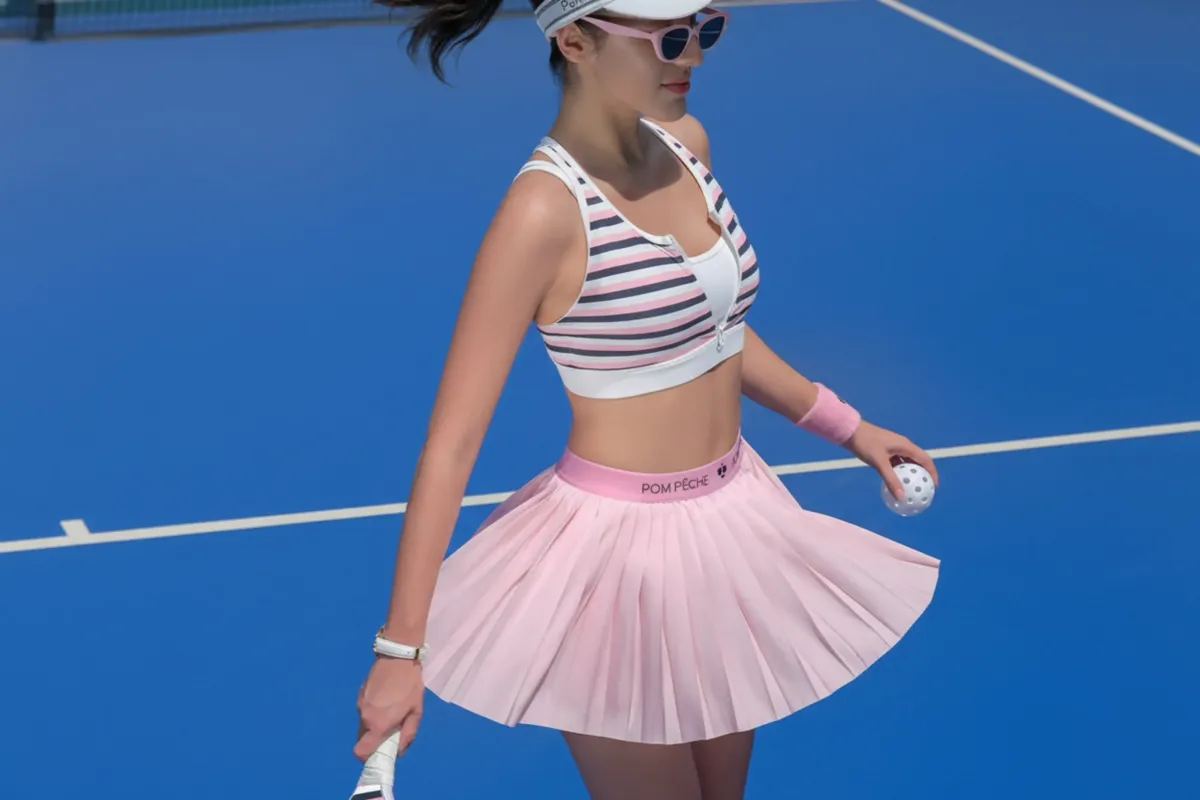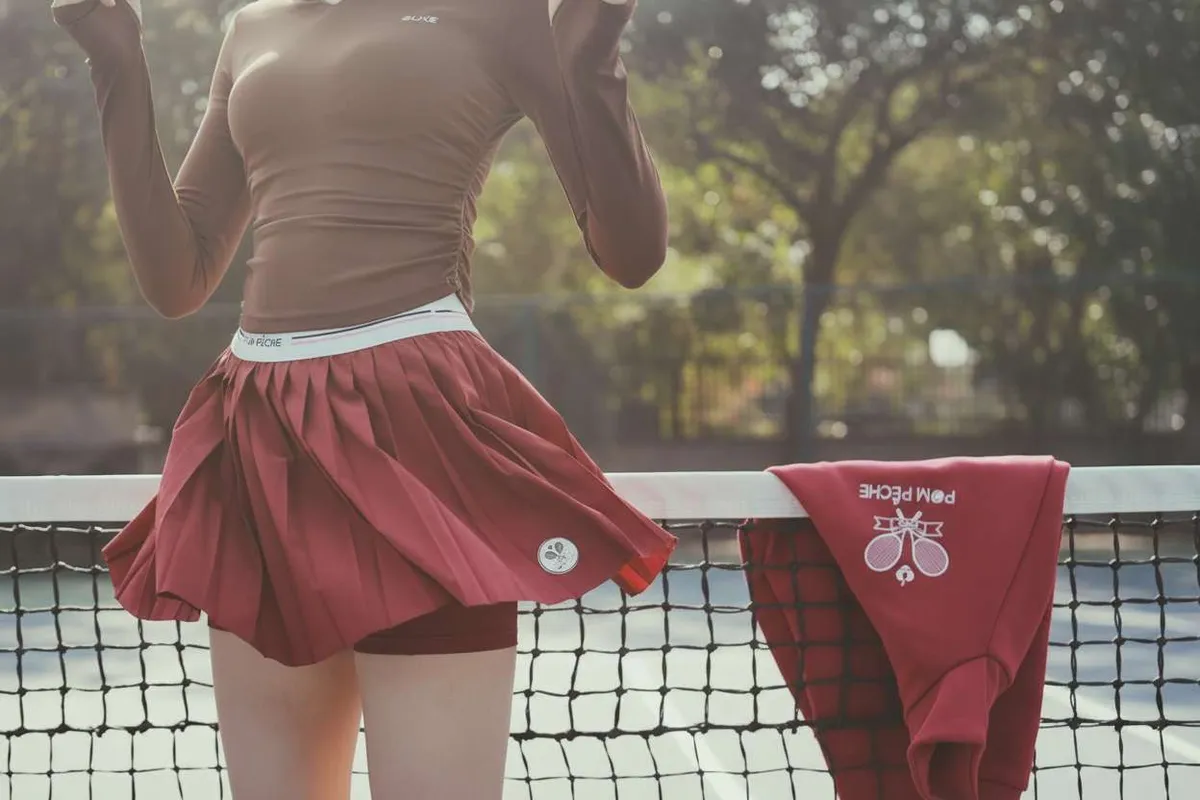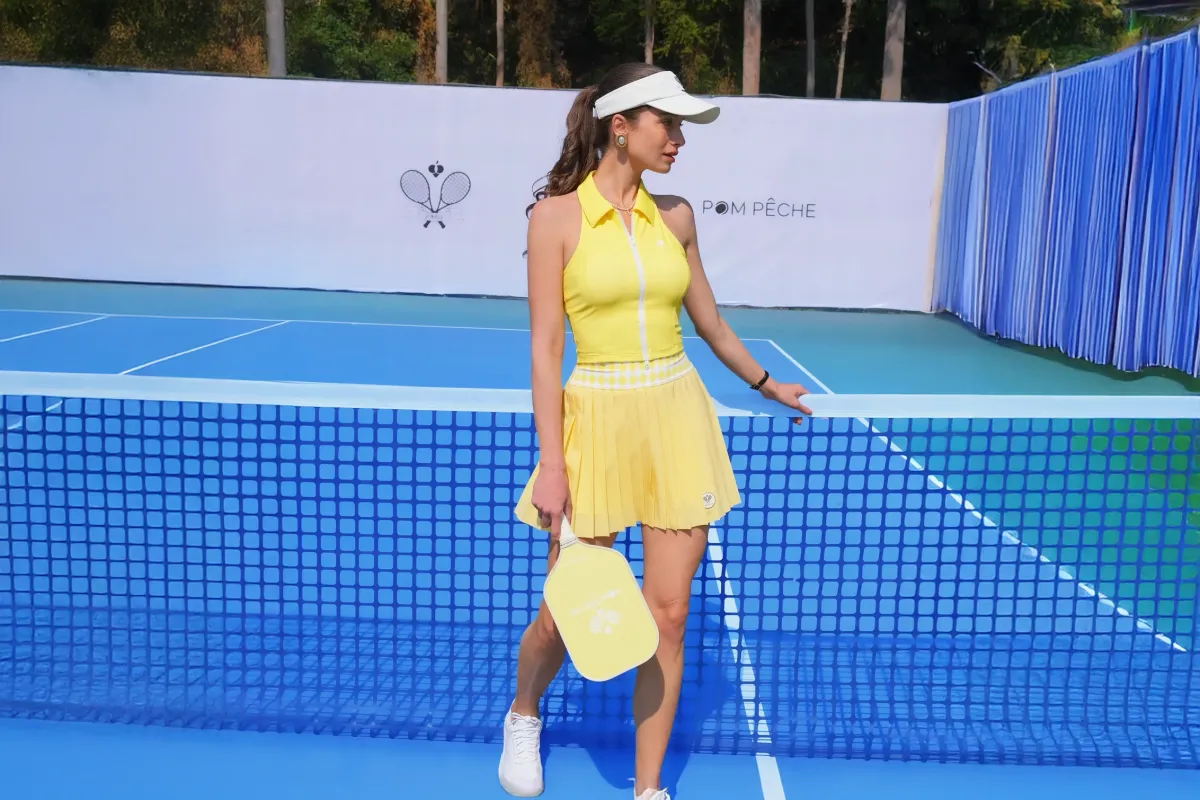
A useful pickleball skirt is one that stays comfortable through the movements you make on court. Marketing names and a product photograph cannot answer every fit question. Use five checks—size, movement, liner coverage, storage and care—to compare candidates on equal terms.
The checklist works for a skirt with separate shorts as well as a skort with an integrated liner. It is a way to assess features and fit, not a ranking based on original match testing.
1. Match measurements to the exact size chart
Measure your waist and hips as the seller directs, then consult the chart for that specific garment. Look for finished garment dimensions where available. A size chart that only names small, medium and large gives less information than one that also explains the intended fit.
Check the outer skirt length and liner inseam separately. If you are between sizes, ask the seller how the waistband and liner are designed to fit. A review from someone with similar measurements may suggest a question to ask, but it cannot guarantee your fit.
- Confirm whether the chart shows body or garment measurements.
- Check whether the waistband is adjustable or fixed.
- Review return and exchange conditions before ordering several sizes.

2. Check movement before choosing a silhouette
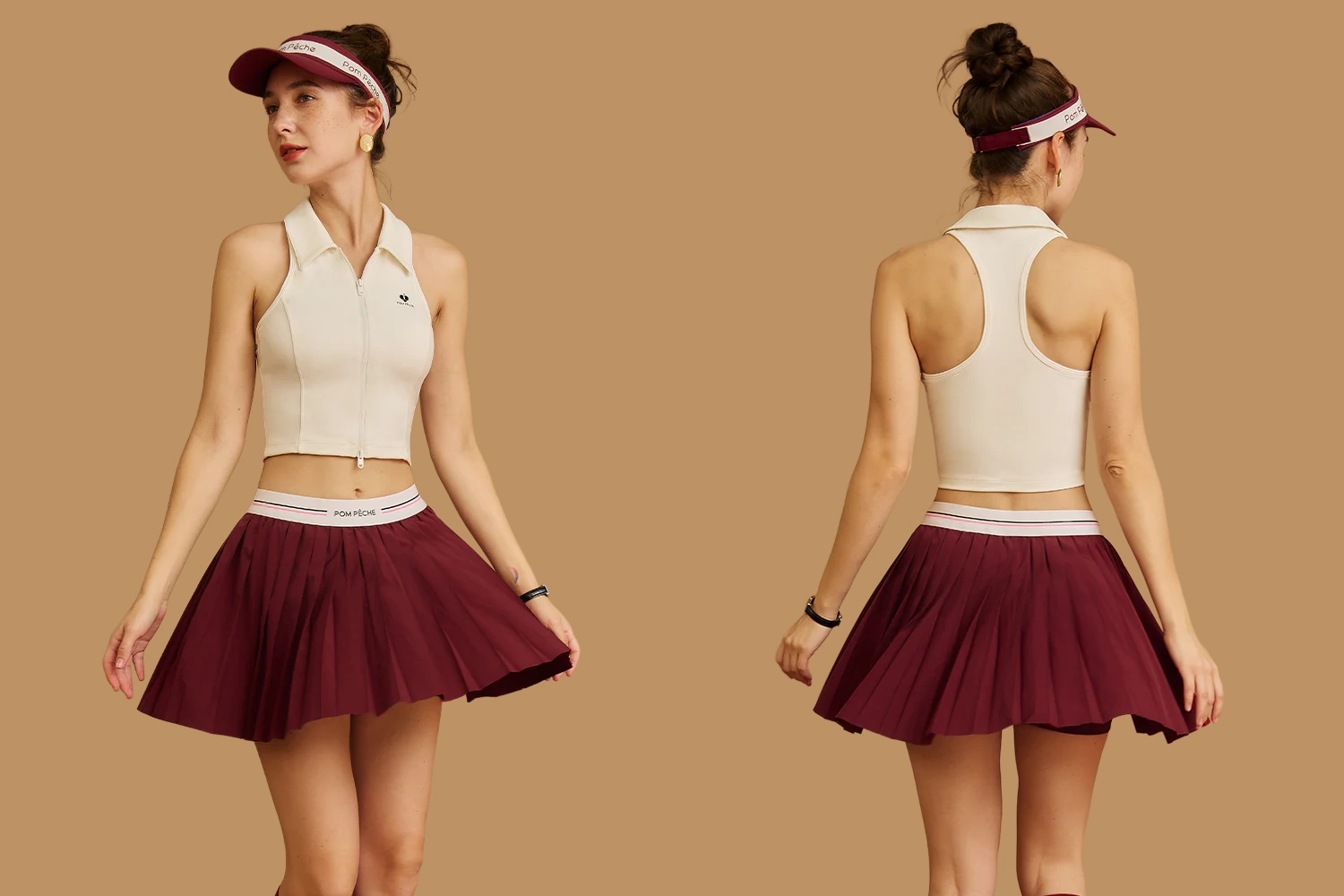
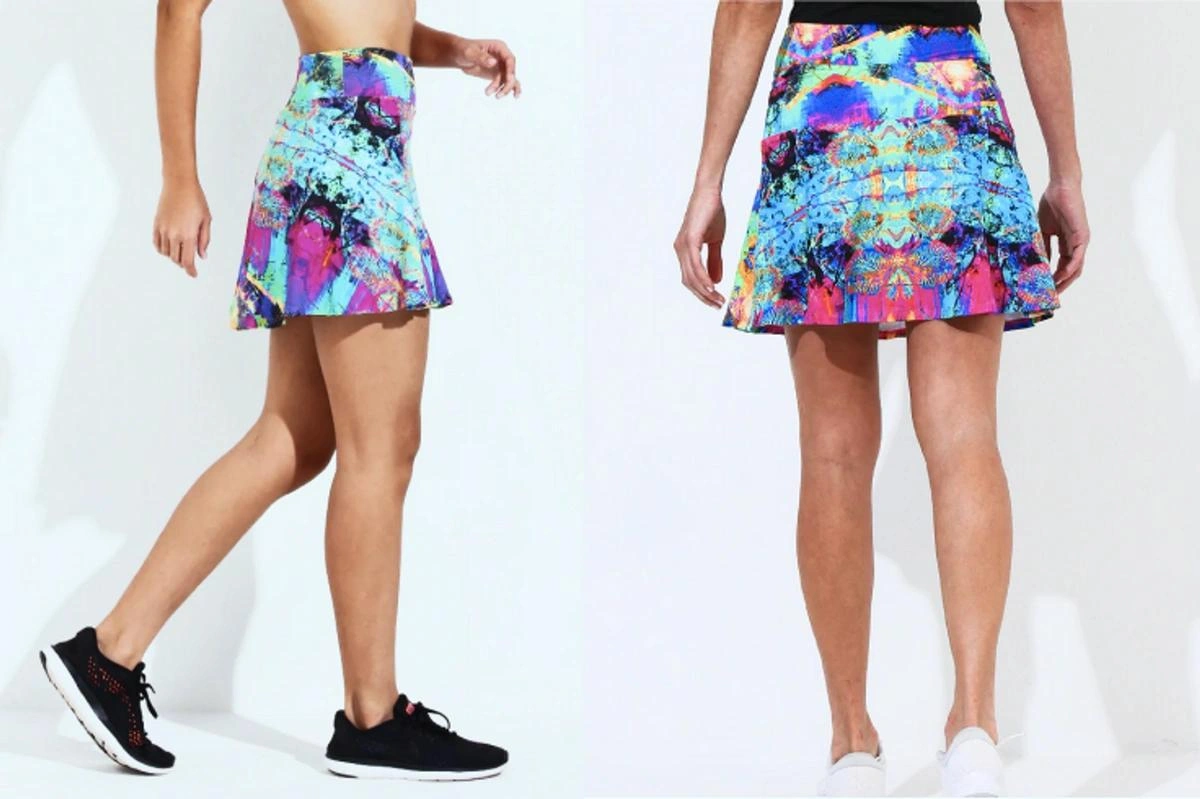
Pleats, an A-line cut, a straight skirt and side slits offer different shapes. The name of a silhouette does not determine whether it will suit your stride. Try controlled side steps, a lunge, a squat and a reaching motion in the garment, keeping it clean and within return conditions.
Watch for the waistband folding or sliding, fabric pulling across the hips and a hem that catches or restricts a step. Comfort in a standing mirror check may not translate to movement. Compare the candidate with clothing you already enjoy wearing on court.
3. Assess the liner independently
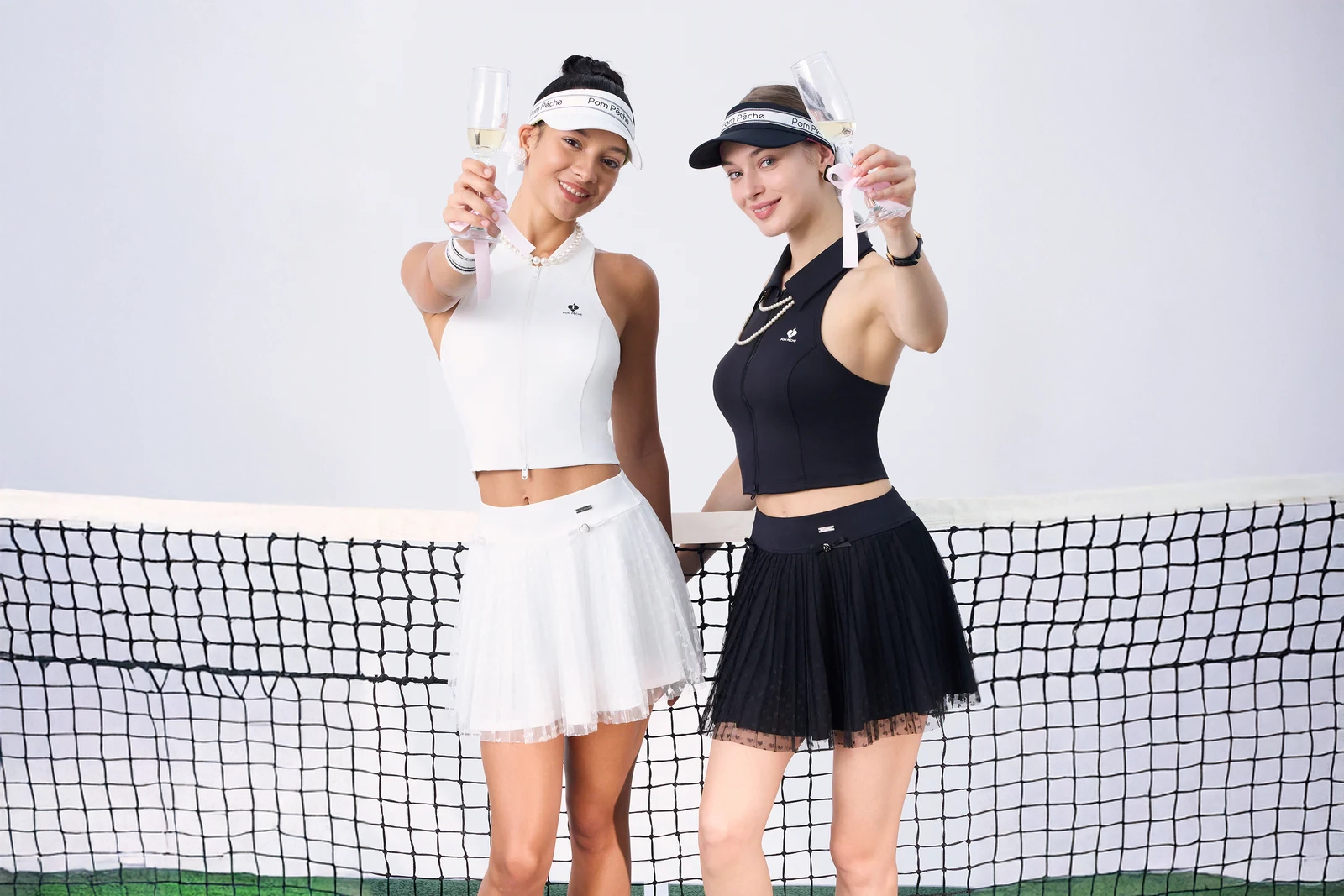
The outer skirt and the liner can fit differently. Check whether the liner offers the coverage you want, whether its seams rub and whether it remains in place during repeated steps. A gripper at the hem is one design option; it is not necessary for every comfortable fit.
Look at coverage in bright light and when the fabric is stretched. Choose compression according to your preference rather than assuming a tighter liner will improve performance. If the garment needs extra shorts to work for you, include that layer in your movement and temperature checks.
4. Try the storage you will actually use
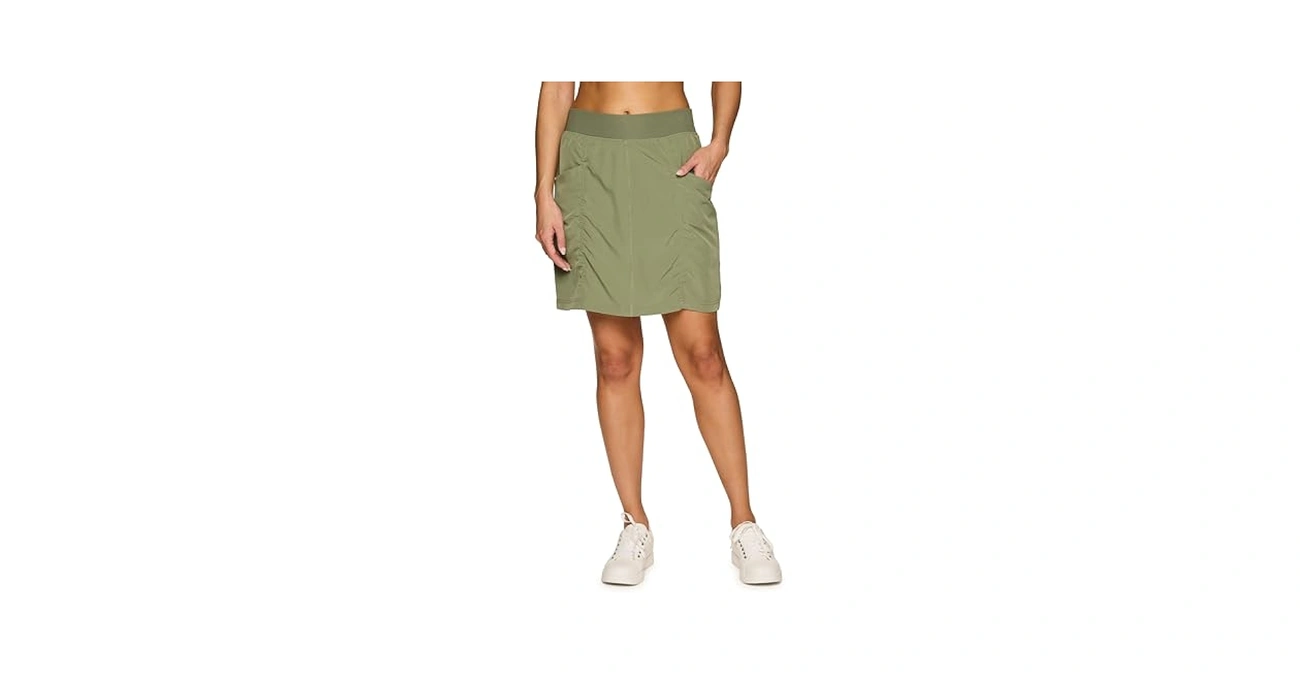
Compare pocket access, opening and position with your routine. Place a ball in a intended ball pocket and move carefully. Check that it is held securely without pulling the waistband or pressing uncomfortably against your leg. A phone pocket may be useful off court, but carrying a phone during play is a personal decision.
Do not judge storage from pocket count alone. A small, secure pocket can be more useful than several loose ones. If you prefer to leave belongings in a bag, a simple garment may be a better fit than a feature-heavy alternative.
5. Read the fabric and care information
Check the label for fiber content and care instructions. Construction and finishing influence fabric behavior as well as fiber type: for example, CottonWorks describes engineered moisture-management treatment. That explanation does not verify the performance of a particular skirt.
Evaluate opacity, feel and useful stretch in the finished garment. If UV protection, recycled content or an odor treatment matters to you, look for a specific, qualified product claim and its care limitations. Avoid treating an unqualified environmental label as evidence; the FTC guidance on environmental claims is a useful reference.
Make the final comparison
Write a short note for each candidate: size confidence, movement, liner comfort, useful storage, care and total cost. Mark an unresolved issue as a question rather than turning it into a favorable score. Confirm missing information with the seller, especially when returns are limited.
For a closer fit check, read the movement and liner guide. For outfit combinations and silhouette choices, use the skirt styles guide. Choose the garment that passes your checks; it does not need to be the most expensive or carry a pickleball-specific label.
Frequently Asked Questions
What should be checked first when buying a pickleball skirt?
Start with the size chart for the exact model and your measurements. Then check movement, liner coverage, useful storage and care rather than relying on a size name alone.
Does a skirt need to be designed specifically for pickleball?
No. Another athletic skirt or skort may work if it fits comfortably, offers the coverage you want and allows your court movements.
Are built-in shorts essential?
They are one way to provide coverage. A skirt with separate suitable shorts is another option. Check the fit and movement of whichever combination you choose.
How should pocket quality be assessed?
Try the pocket with the items you intend to carry, move carefully and check security, access and pressure. Pocket count alone does not establish usefulness.
Can fabric content predict comfort?
Fiber content is helpful but not sufficient. Weight, structure, finishing, fit and the conditions in which you play also affect how the finished garment feels.