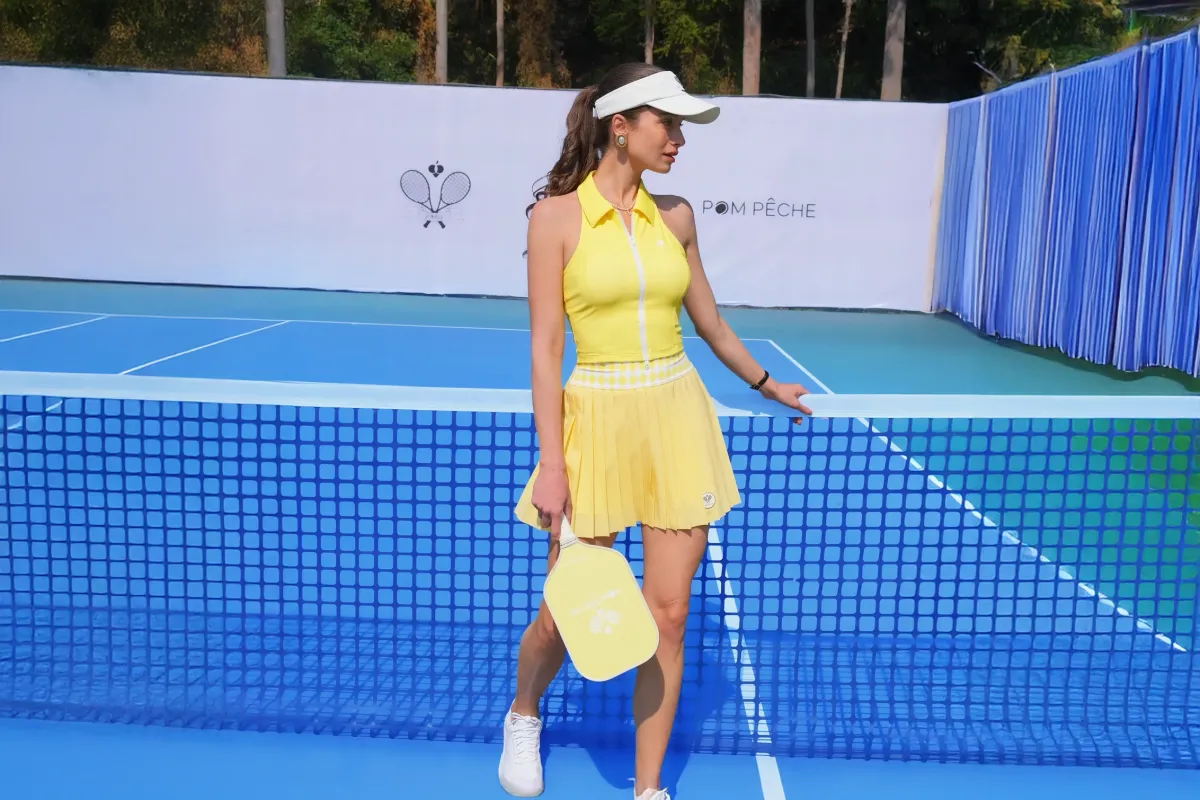
A low-priced pickleball skort can be a sensible purchase when it fits, moves comfortably and gets worn. A higher price does not prove that another garment will last longer. The useful question is what you receive for the total cost: a workable fit, sound construction, storage you use and care requirements you can follow.
This guide helps you compare value without assigning an invented lifespan to a fabric or treating a premium brand as a quality test. Start with the garment in front of you and the conditions in which you play.
Check the construction before the label
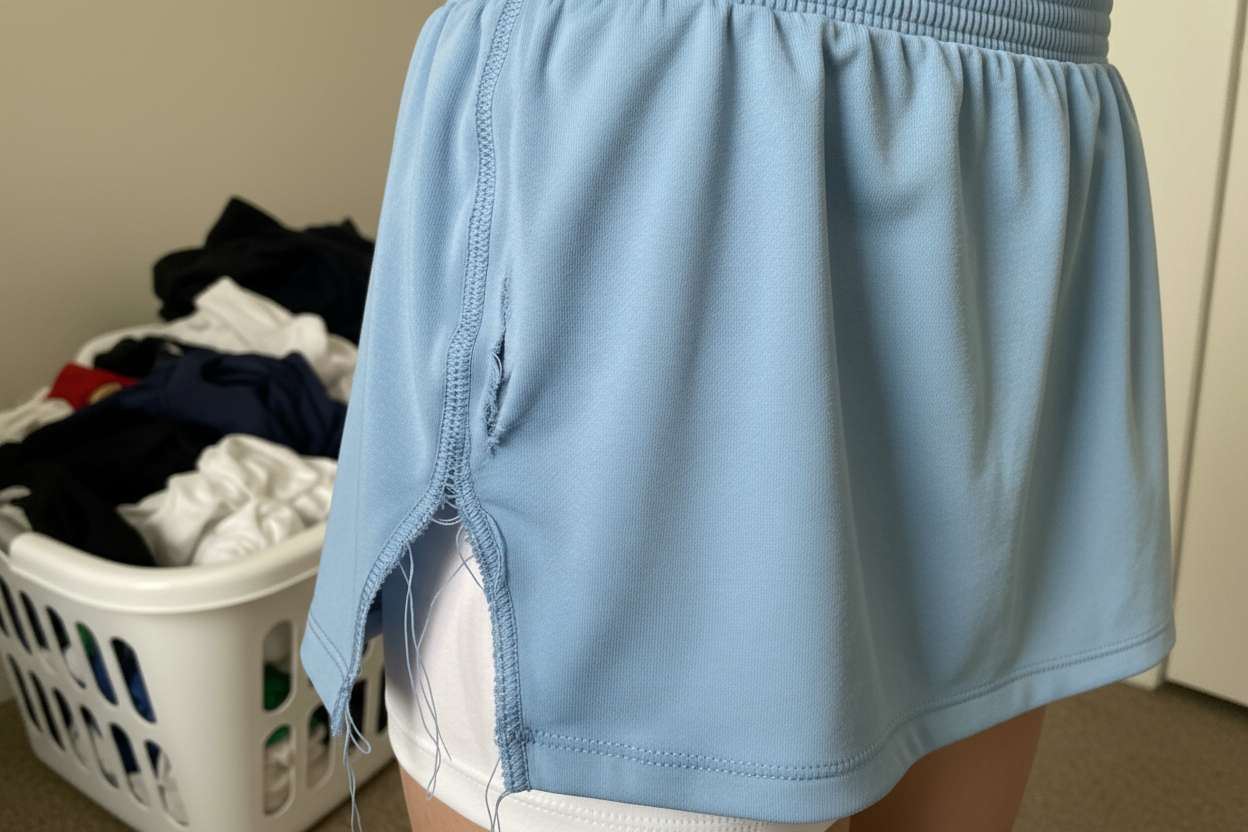
Inspect the waistband, side seams, liner joins, pocket openings and hem. Look for loose threads, uneven stitches, gaps and fabric that puckers around a join. Gently stretch a seam within the movement the garment is designed to allow. The seam should not feel like the point at which your lunge stops.
Reinforcement and flat seams may be useful features, but a named stitch type alone does not establish durability. Fabric quality, seam placement, workmanship and care all matter. Compare the actual construction of two candidates rather than assuming an inexpensive item has weak seams.
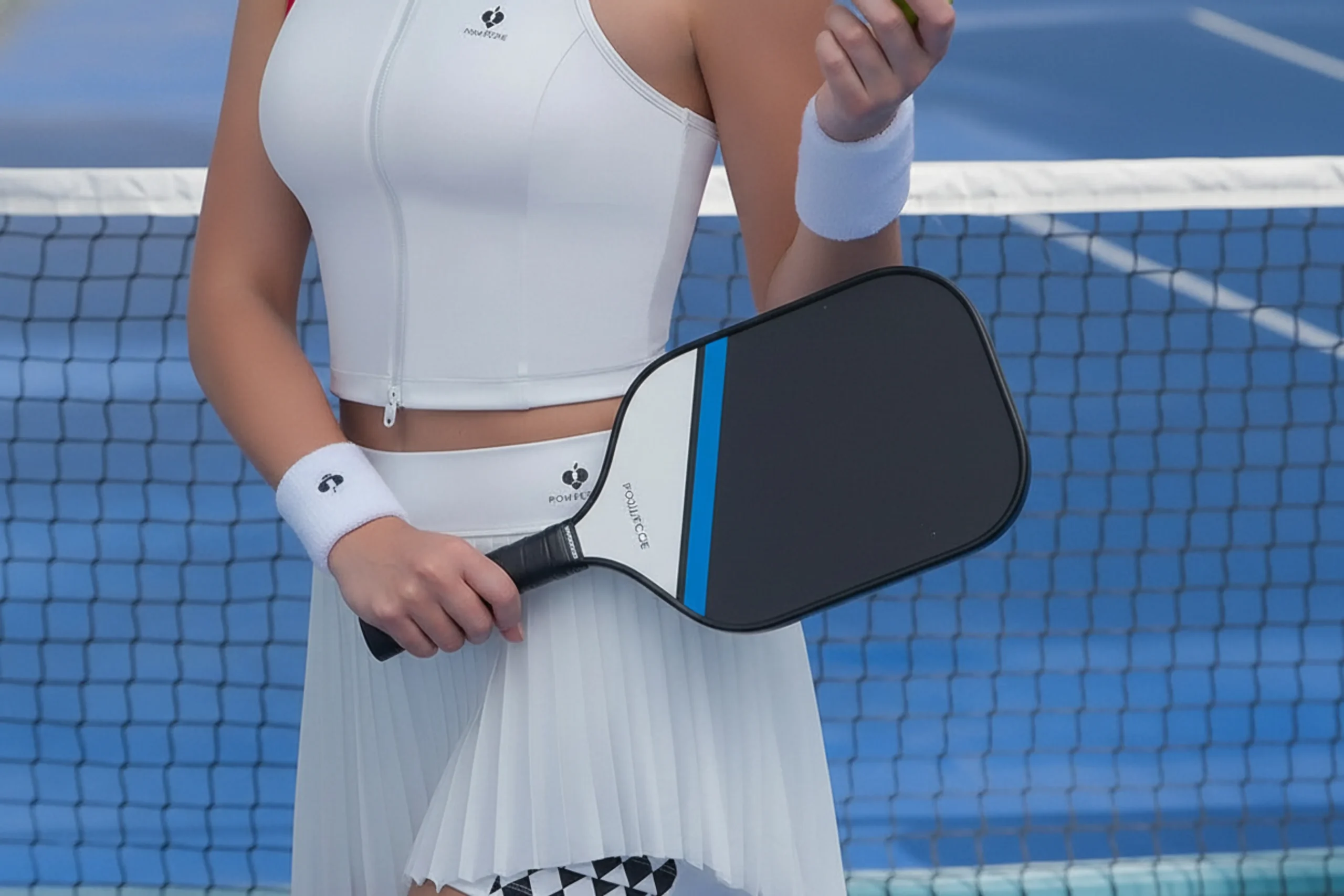
Make fit the first return decision
Use the size chart for the exact model. Compare waist and hip measurements, skirt length and liner length when those dimensions are available. Size names can vary between brands and even between collections from the same brand.
Try a controlled squat, a forward lunge, side steps and a reaching motion while the garment is clean and returnable. Check whether the waistband rolls, the outer layer restricts movement or the liner rides up. A comfortably fitted skirt you use often may offer better value than a technically impressive garment that stays in a drawer.

Test pockets with the items you carry
A pocket count says little about pocket usefulness. Check the position, opening, depth and stretch with a ball or another item you actually need to carry. Move carefully and see whether the load swings, pulls the waistband or escapes. Keep heavy or sharp objects out of pockets during play.
Some players want a ball pocket, others prefer to leave everything beside the court. Pay for storage that supports your routine. Unused pockets are not an automatic improvement.
Judge fabric as a finished garment
Fiber percentages are useful information, but they do not by themselves establish breathability, drying speed, opacity or resistance to pilling. A fabric’s structure, weight and finishing also influence how it behaves. Check whether stretched areas remain adequately covered and whether the surface feels comfortable against your skin.
Claims such as cooling, odor resistance and UV protection need information for the specific product. Check the label and care directions rather than transferring a claim from a similar-looking garment. For environmental claims, the FTC Green Guides summary explains why vague green language needs qualification.
Calculate value using your own wear history
Cost per wear is a comparison tool, not a promise about how long clothing will last. Divide the total amount you paid by the number of times you actually wore the item. Include shipping, alterations or non-refundable returns when they materially change the purchase cost.
For a new item, use several possible wear counts rather than assuming it will last for a fixed number of seasons. The most uncertain inputs are whether you enjoy wearing it, whether it fits after washing and how it holds up in your routine. A lower upfront price can still be the better choice.
- Keep a simple note of purchase cost and return terms.
- Review fit and seams after the first wash, following the care label.
- Repair a minor defect when a sound repair is practical.
- Replace clothing because of its actual condition, not an assumed expiry date.
Read reviews and care instructions critically
Recent, specific reviews can help identify questions to investigate. A useful review describes the exact model, size, care routine and fit issue. Repeated comments about a waistband or liner are reasons to check those features; they are not laboratory evidence that every item will fail.
Follow the garment’s own wash and drying instructions. A universal cold-wash or no-dryer rule cannot substitute for the label. Compare the return window, hygiene conditions and exchange costs before removing tags. Continue with the five-point skirt selection checklist when comparing individual candidates.
Frequently Asked Questions
Are cheap pickleball skorts always poor quality?
No. Price alone does not establish construction quality, comfort or durability. Check the exact garment, its fit, its care instructions and the return terms.
What is the most useful value comparison?
Combine total purchase cost with useful wear. For an item you already own, cost per wear is total cost divided by actual wears. For a new item, treat future wear counts as scenarios rather than predictions.
Should a skort have a particular fiber percentage?
There is no universal blend that fits every player or condition. Assess the finished fabric, liner, stretch, coverage and feel rather than choosing from the fiber percentage alone.
How can fit be checked before playing?
While keeping the garment clean and within the seller’s return conditions, try controlled lunges, side steps, a squat and reaching motions. Check the waistband, liner security and coverage.
Does a premium label guarantee a longer lifespan?
No. A specific model’s workmanship, fabric, fit, use and care matter. A premium price or brand name is not a verified durability result.