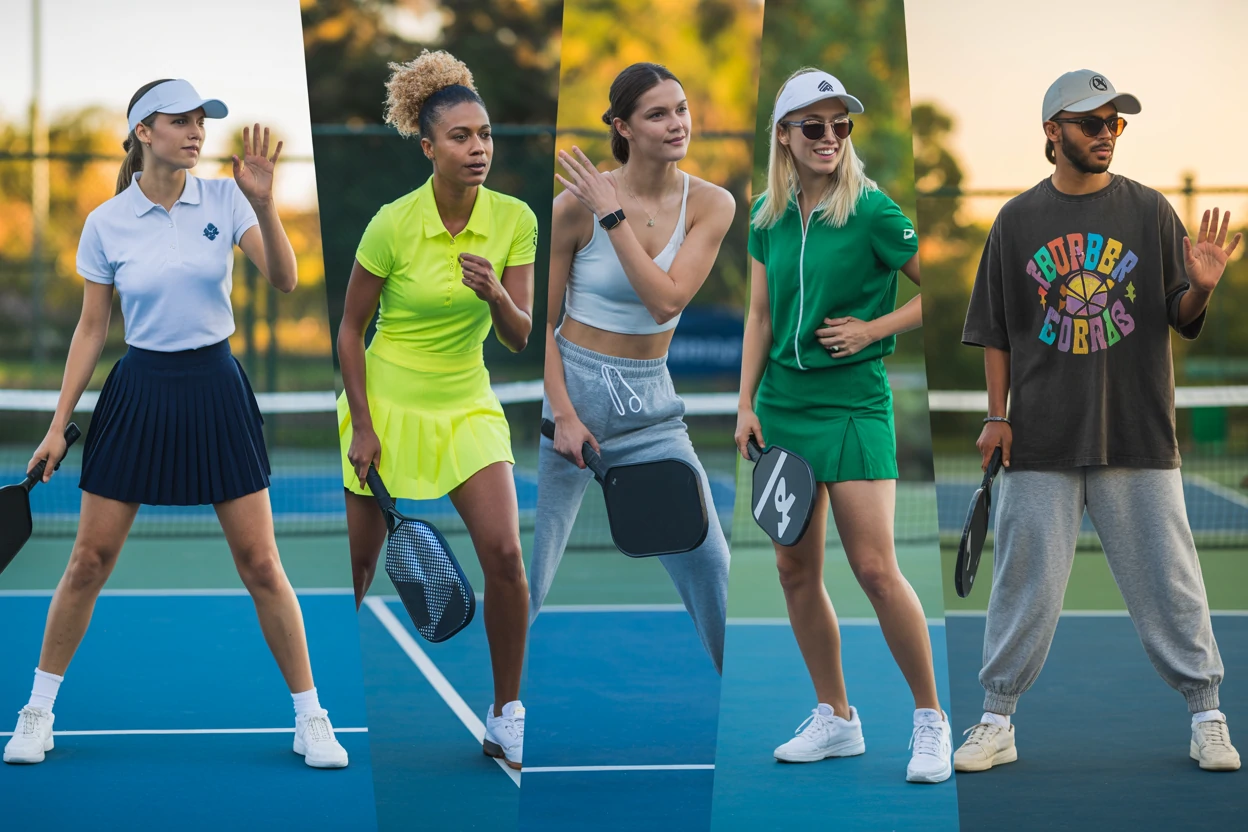
A court-ready outfit is a practical combination for the venue, weather and movement you expect. You may already own suitable athletic clothing. Start with comfortable pieces, then check how they work together during a ready stance and small steps.
For reading fabric and care claims, see the clothing-label checklist. This guide organizes the outfit by playing conditions.
Begin with the venue's requirements
Ask about footwear and clothing rules, including any event requirements. Confirm the floor type instead of assuming that an indoor building means a gym surface. Choose shoes for the actual court and test fit separately with the footwear checklist.
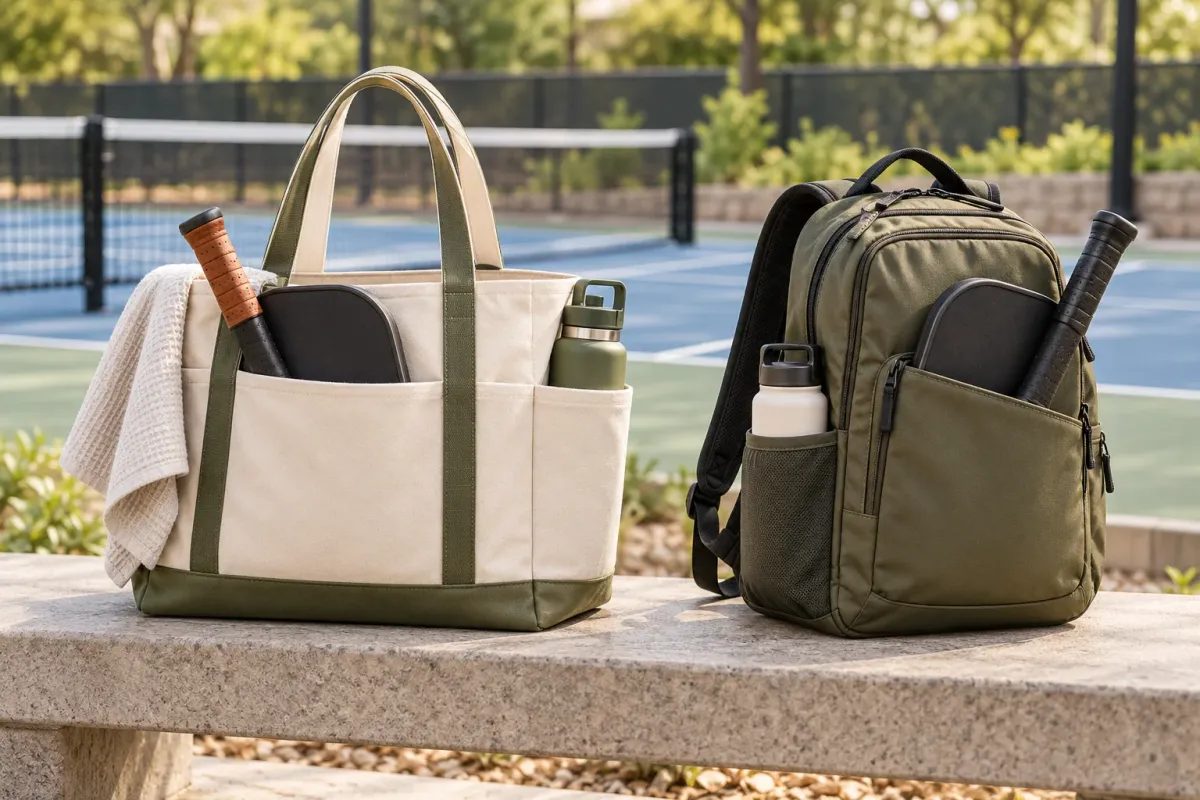
Keep accessories simple enough that they do not distract you or create a movement hazard. Put unnecessary hard objects in the bag rather than carrying them in a pocket during every rally.
An indoor session
Choose a comfortable top and bottoms that allow a ready stance, small lateral steps and a gentle reach. Test the outfit with the footwear and any liner you will use. Check the facility's non-marking policy and keep outdoor grit off the floor.
An air-conditioned venue may feel different while waiting than during rallies. Bring a removable layer if useful, and place it outside movement paths when you take it off.
A warm outdoor session
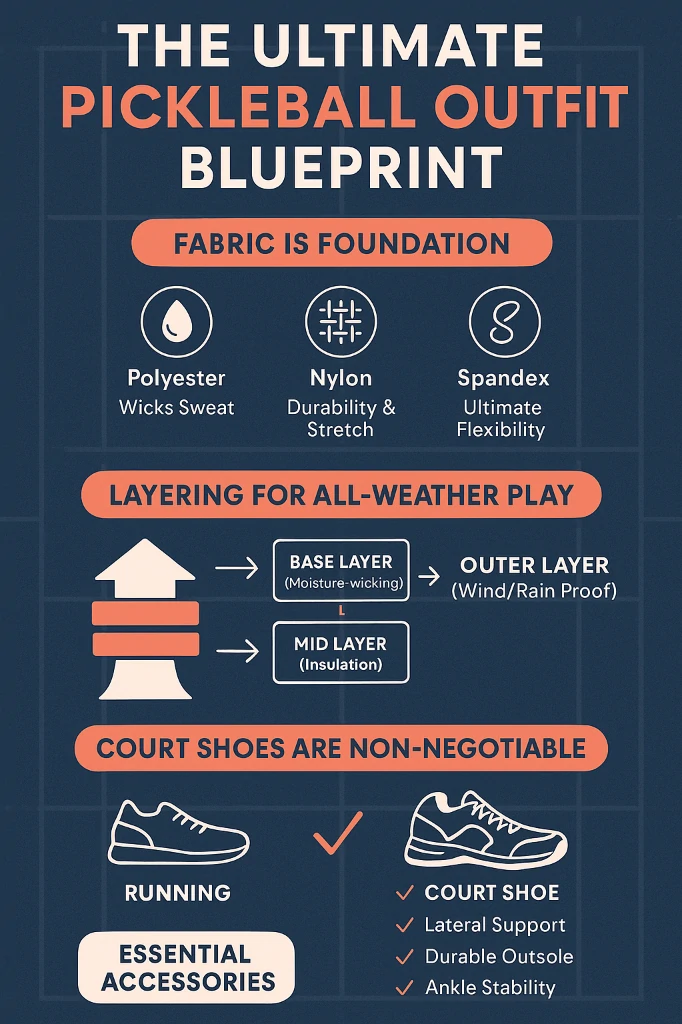
Consider airflow, coverage and how the clothing feels during sustained movement. Check the actual conditions and take appropriate breaks. A product's moisture-wicking claim does not eliminate the need to manage heat or adapt the playing duration.
Plan sun protection for uncovered skin. The American Academy of Dermatology recommends protective clothing, shade and sunscreen. Look for a documented UPF rating when that feature is part of the purchasing decision.
A cool or windy session
Use layers that permit the paddle movement and footwork you intend. Check that sleeves do not restrict the swing and that a jacket does not catch on the paddle. A light outer layer can be removed as conditions and effort change.
Try the full combination at home before the session. Extra layers can alter waistband comfort, liner fit and pocket access. Do not assume a garment that works alone will be equally comfortable under another.
Choose bottoms by movement and coverage
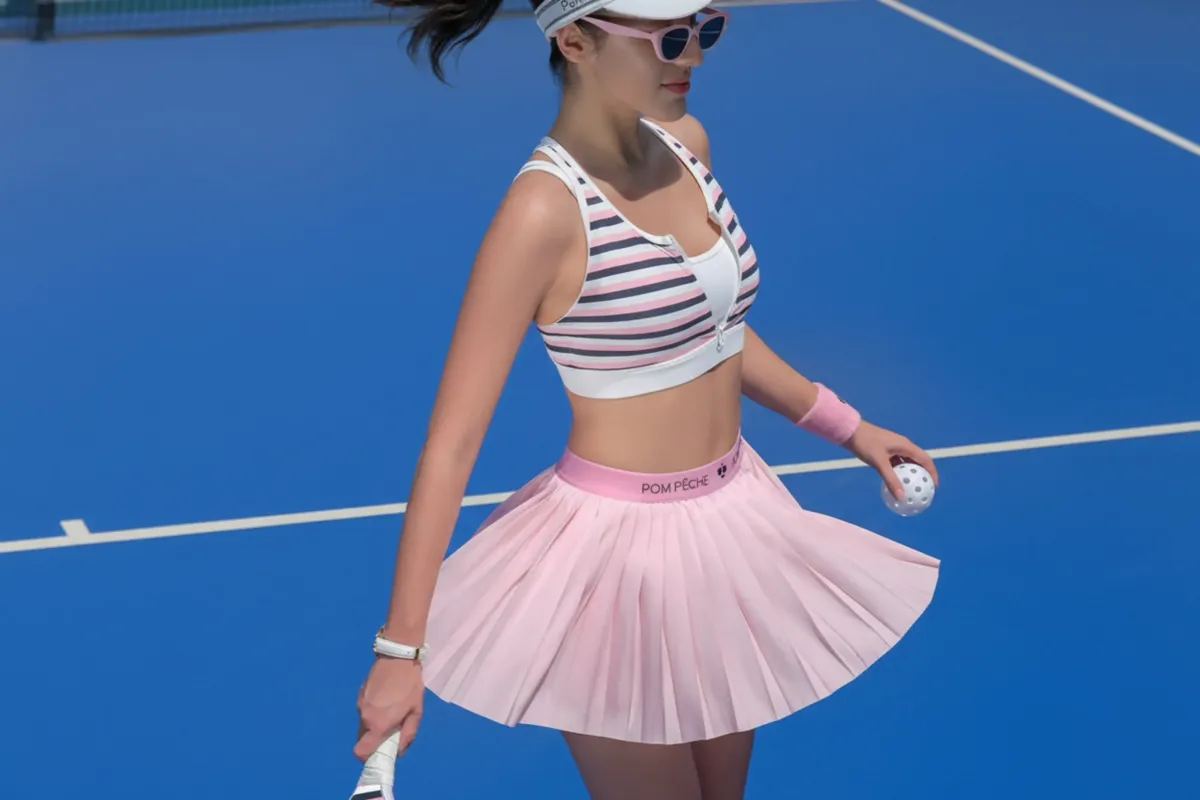
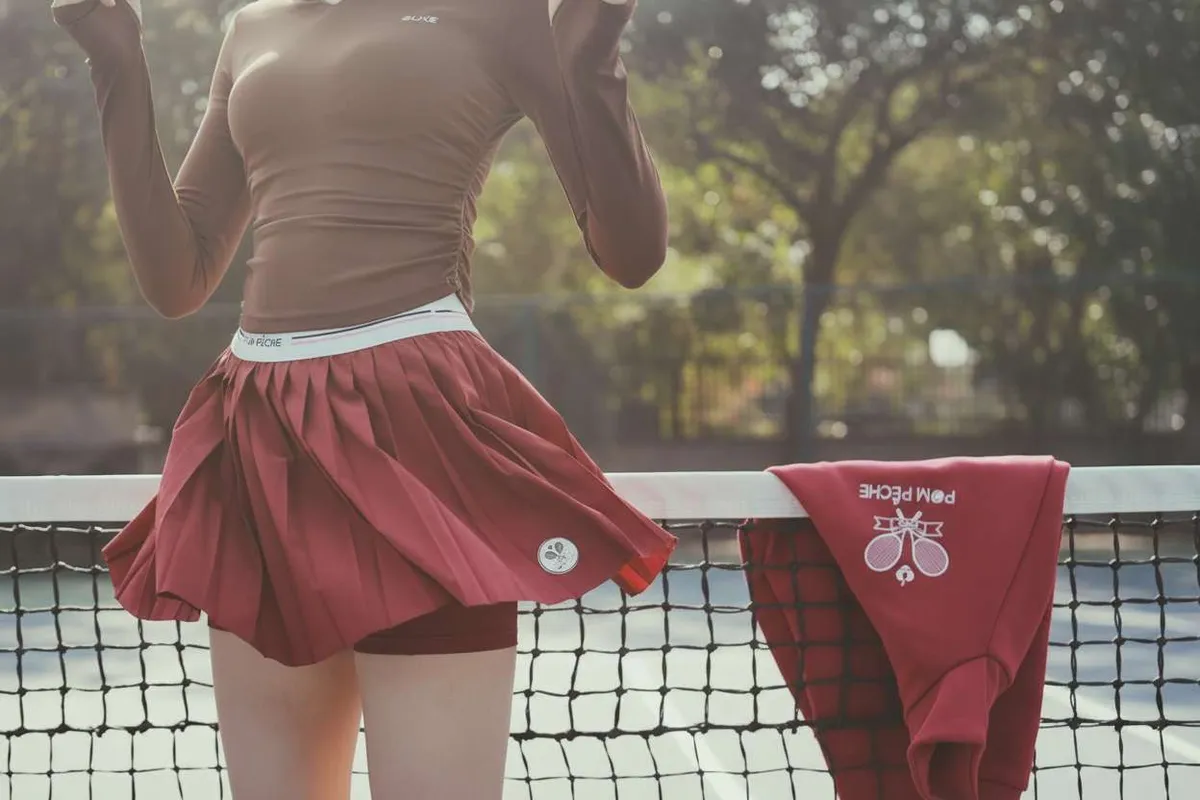
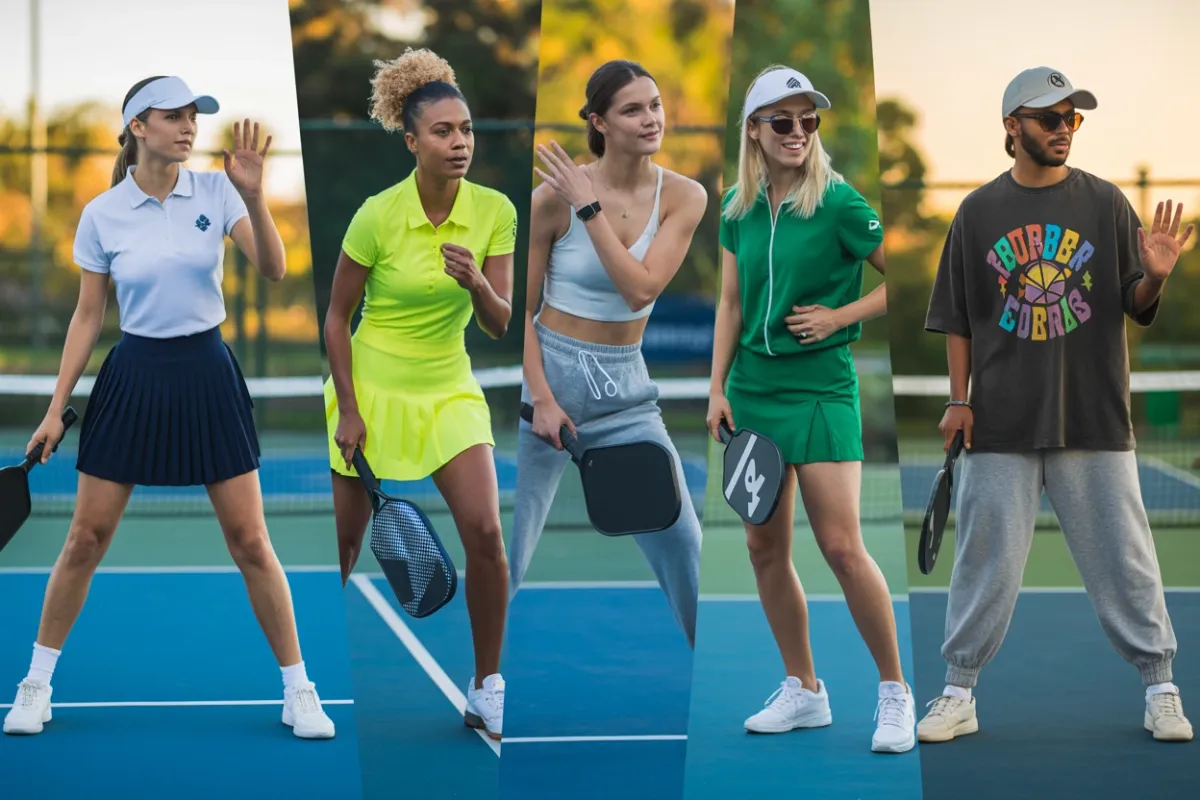
Shorts, leggings and skorts are options rather than rules tied to a gender or playing level. Check length, liner placement, waistband security and the cut's allowance for a comfortable stance. If you keep adjusting the garment while rehearsing, compare another fit.
For skorts, use the liner and fit checklist. More outer-skirt length does not automatically mean more liner coverage.
Run a full-outfit check
- Put on the socks, shoes, underwear or liner and top you will actually wear.
- Sit, stand and make a comfortable ready stance.
- Take gentle side steps and reach in each direction.
- Check sleeves, hems and waistband for repeated interference.
- Test intended pocket contents and remove distractions.
- Confirm that layers can be stored away from the court.
This check identifies obvious clothing problems. It is not evidence that an outfit prevents injury or improves your results by a fixed amount.
Prepare for the journey after the game
Pack a change if needed and a practical way to separate damp items. Follow each garment's washing and drying instructions. Avoid leaving wet clothing in a closed bag between sessions.
Use existing pieces where they pass the checks. Add a specialist garment only when it solves a specific problem—coverage, liner comfort, pocket access or care. Once the combination works, choose the colors and style you enjoy without treating the outfit as a substitute for practice.
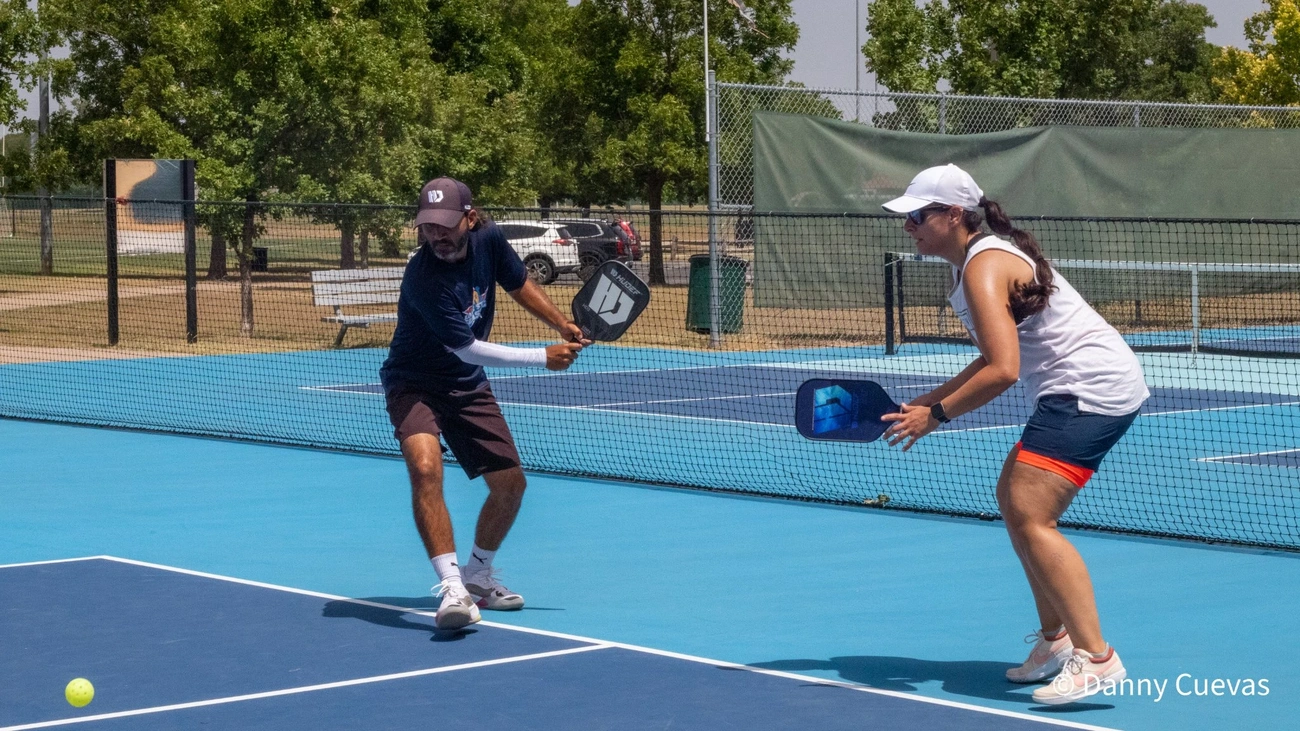
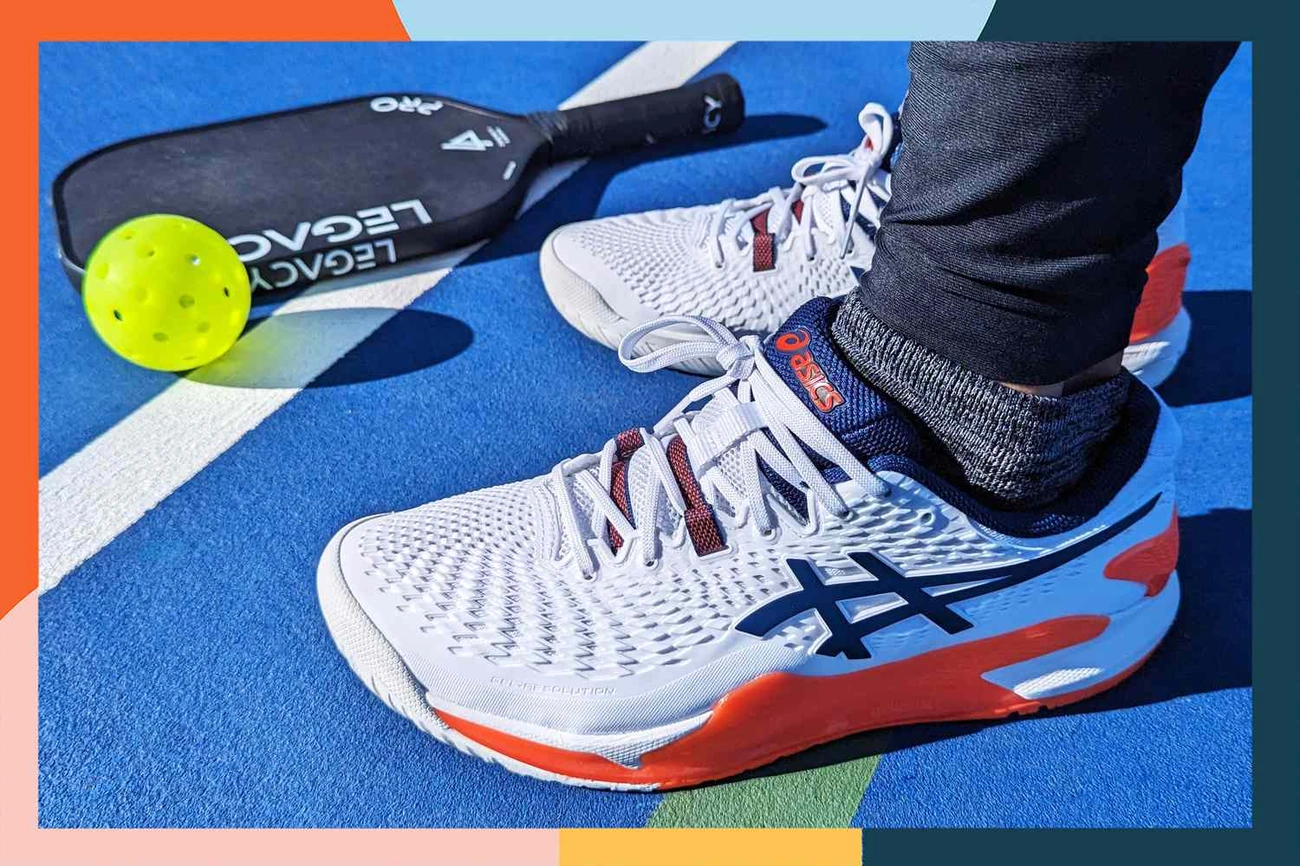
Court outfit and layering illustrations
Visual examples of equipment and court settings. Images are illustrative; current specifications and fit should be checked with the maker or retailer.
Frequently asked questions
Do I need pickleball-branded clothing?
No. Suitable athletic clothing can work when it permits movement, fits comfortably and meets venue requirements. Judge the actual garment rather than the sport named on its label.
Is cotton always unsuitable?
No blanket fabric rule describes every garment, condition and player. Assess the construction, comfort and care for your session rather than treating one fiber name as a complete verdict.
What should I check when adding a layer?
Repeat movement and sitting checks with the full combination. Notice sleeve restriction, waistband crowding, liner fit and access to pockets.