A good partner drill has a defined task, a manageable feed and a way to review what happened. It does not need an invented professional endorsement or a promise that your rating will change in a fixed number of weeks.
The routine below uses an appropriate court and normal playing equipment. If you are practicing without court access, choose the small-space home exercises instead.
Agree the feed before starting
Explain who starts the ball, where it should go and whether the exercise is cooperative or competitive. Put spare balls and targets outside movement paths. Begin slowly enough that both players can complete the task without scrambling.
Stop to collect loose balls rather than leaving them around the feet. Follow the venue's rules and the current rulebook when the drill includes serve or volley situations.
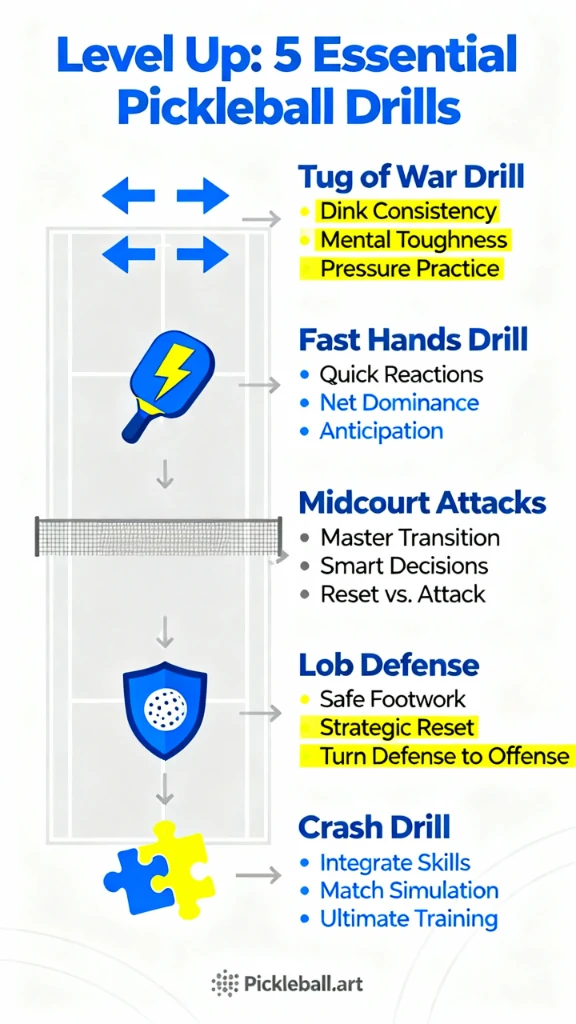
1. Cooperative dink placement
Setup: start on opposite sides near the kitchen with controlled spacing. Task: exchange soft bounced shots toward a broad kitchen target. Review: notice contact control and whether the feed stays comfortable for the partner.
Begin straight ahead, then try crosscourt exchanges as a separate task. The USA Pickleball dinking lesson provides a reference for the shot. Add pace or angle only after the cooperative pattern works.
2. Serve and return targets
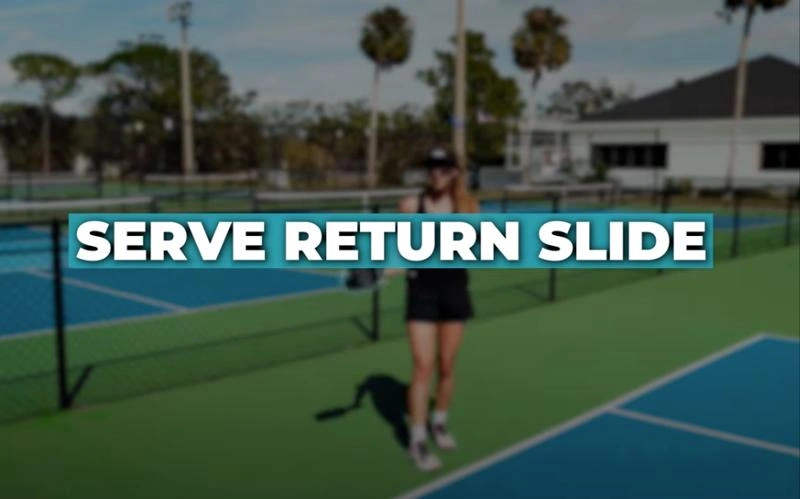
Setup: one player serves legally and the other returns after the bounce. Task: aim at generous areas with margin inside the lines. Review: separate serve faults, target misses and return preparation.
Choose one focus at a time. A deeper return target can be practiced without turning the serve into a maximum-power contest. Swap roles so each player gets both tasks.
3. Third shot and controlled advance
Setup: play serve, return and third shot. Task: the serving side chooses a drop or controlled drive, then observes whether it permits movement forward. Review: pause to discuss the decision before continuing.
The purpose is to connect shot and position. Do not advance automatically after every intended drop. Use the first-five-shots playbook to interpret the actual reply.
4. Defensive reset
Setup: feed manageable pace to the defending player from a safe position. Task: send a softer controlled reply. Review: note whether the reply makes the next ball easier to manage.
Start below the pace of a full attack. Increase difficulty only when the defender has control and agrees. A drill with constant unmanageable feeds can become practice in reacting late rather than learning the intended shot.
5. Doubles middle-ball coverage
Setup: use a pair on one side and a controlled feeder or another pair opposite. Task: send balls between partners and to a side, requiring early calls and a shared shift. Review: distinguish communication uncertainty from a shot miss.
Agree “mine,” “yours” and any switch call before the exercise. Use the teamwork guide to build the agreement. Begin with slower feeds so players have time to understand their coverage.
Progress one variable at a time
| Change | Why to introduce it gradually |
|---|---|
| Target size | A smaller target raises placement difficulty |
| Feed pace | Faster feeds reduce preparation time |
| Movement | Contact now follows repositioning |
| Uncertainty | The player must read the next location |
| Scoring | Pressure can change decisions |
Keep notes about the task and conditions. If you count attempts, use the figures for your own comparison rather than advertising an exact performance gain from a brief session.
Finish with a game that uses one focus
Choose the skill you want to carry into a normal rally. Play a short game segment and review that skill afterward. A drill can look smooth while the decision fails to appear in games, so the transfer matters.
Repeat the useful task in future sessions and change it when it no longer addresses the problem. Improvement requires appropriate practice, feedback and recovery; the drill title alone does not establish a professional test or a guaranteed result.
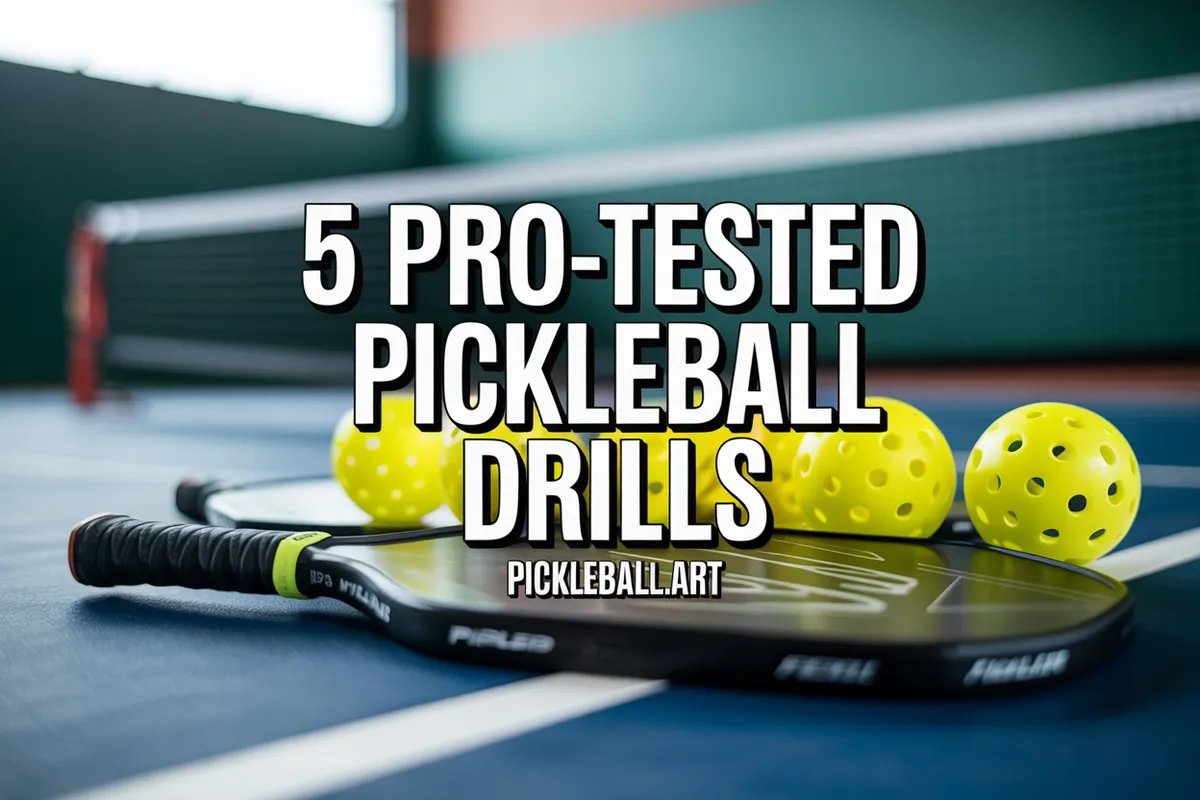
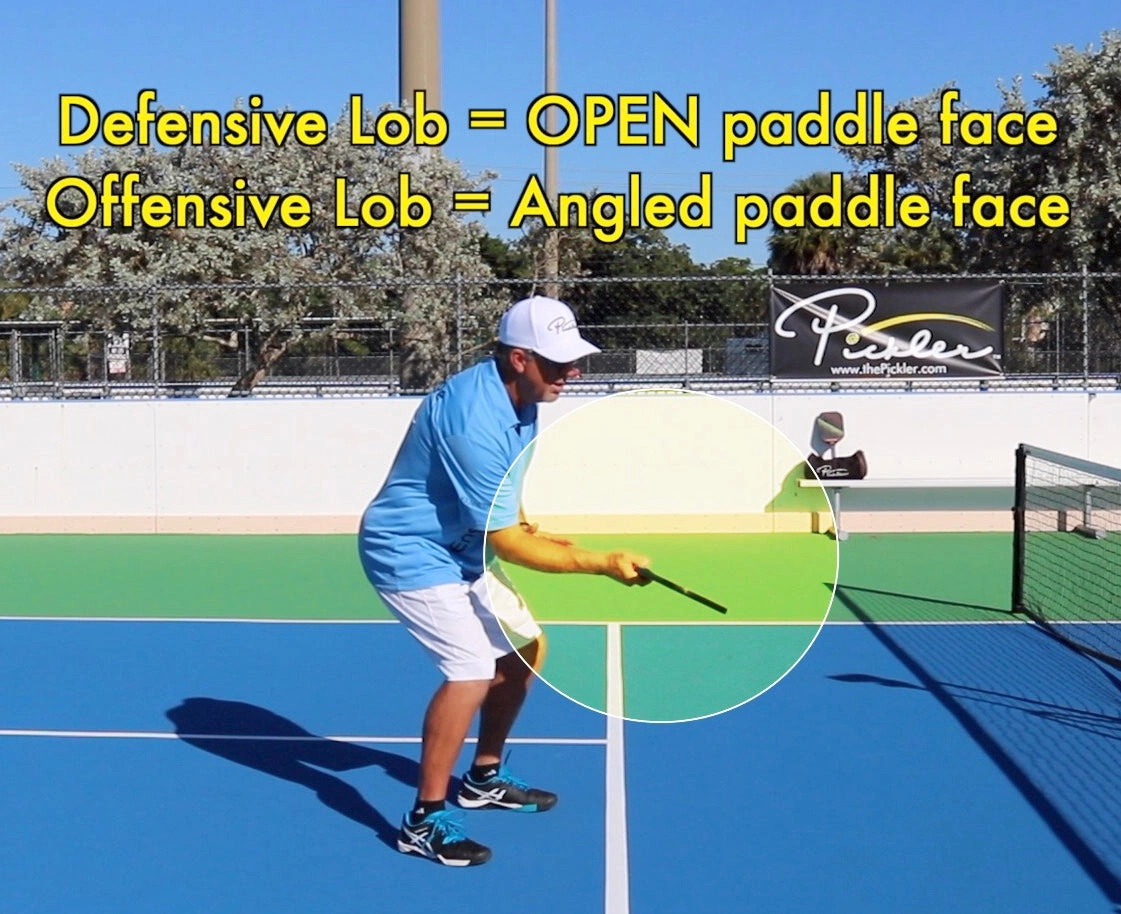
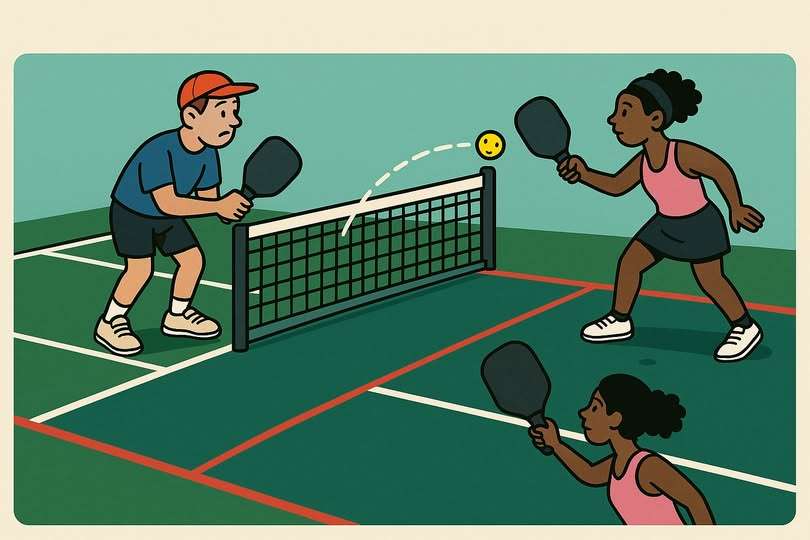
Partner drill illustrations
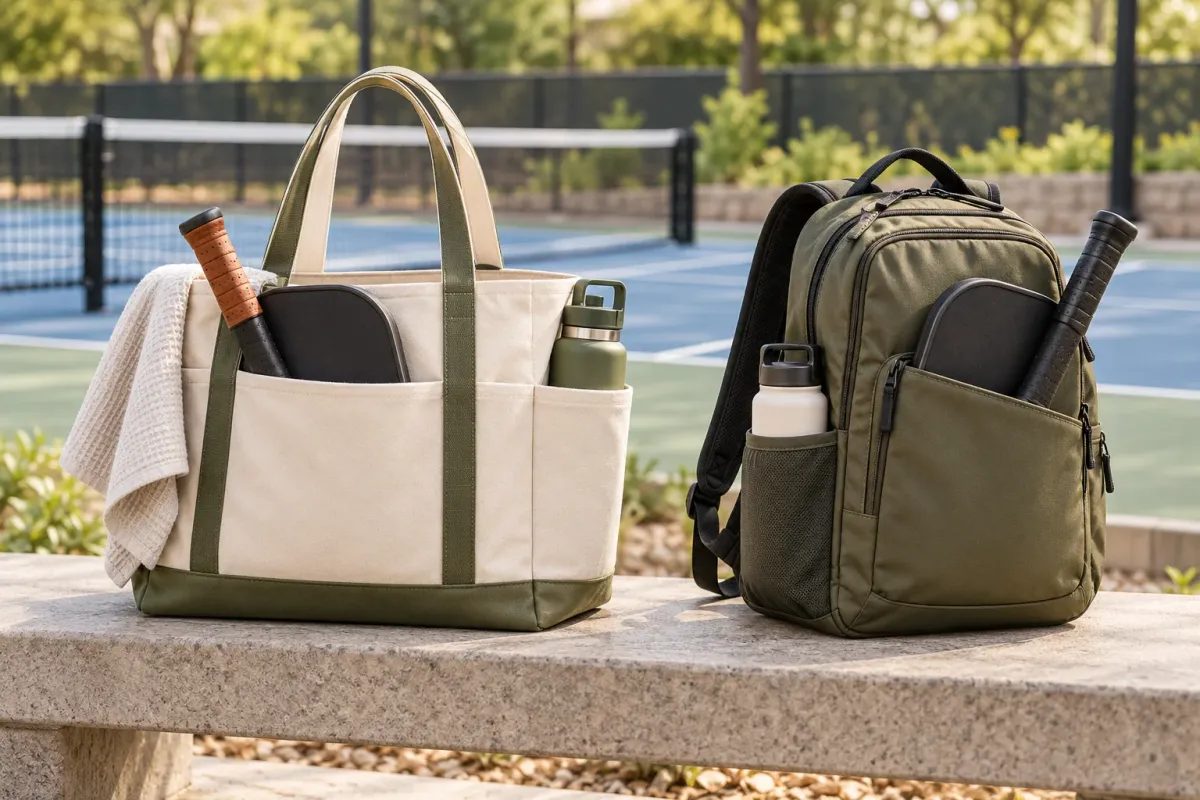
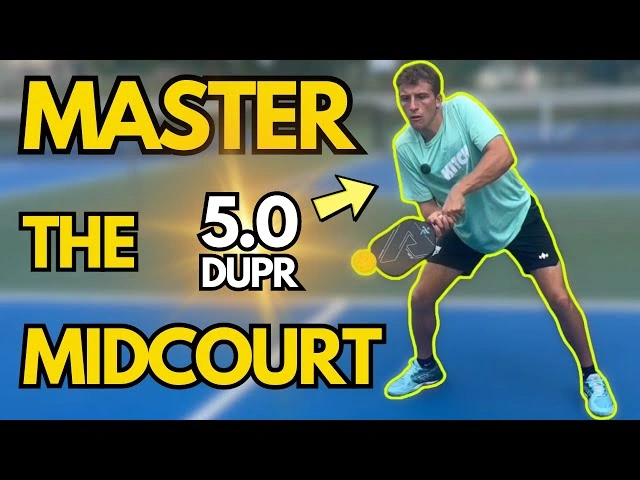
Visual examples of equipment and court settings. Images are illustrative; current specifications and fit should be checked with the maker or retailer.
Frequently asked questions
How many drills should a practice session contain?
Choose a manageable set with a clear purpose rather than rushing through every task. Leave time to review and use one focus in a game.
Should the feeder make every ball difficult?
No. Begin with a feed the partner can manage, then increase one variable at a time. Agree the change so both understand what the drill is testing.
How can I tell whether a drill is helping?
Review whether the intended skill becomes more controlled under comparable conditions and appears in normal games. Separate execution, decision-making and communication problems.