
Most scoring confusion comes from mixing three things: the team’s points, the server’s turn and the side from which the next serve is made. This guide explains traditional doubles side-out scoring. Confirm the format before playing, because rally-scoring games use different procedures.
The current USA Pickleball rulebook controls official play. The examples here help you practice keeping track of an ordinary game; they do not replace event rules or an official’s instructions.
Mistake 1: Calling only two numbers in doubles
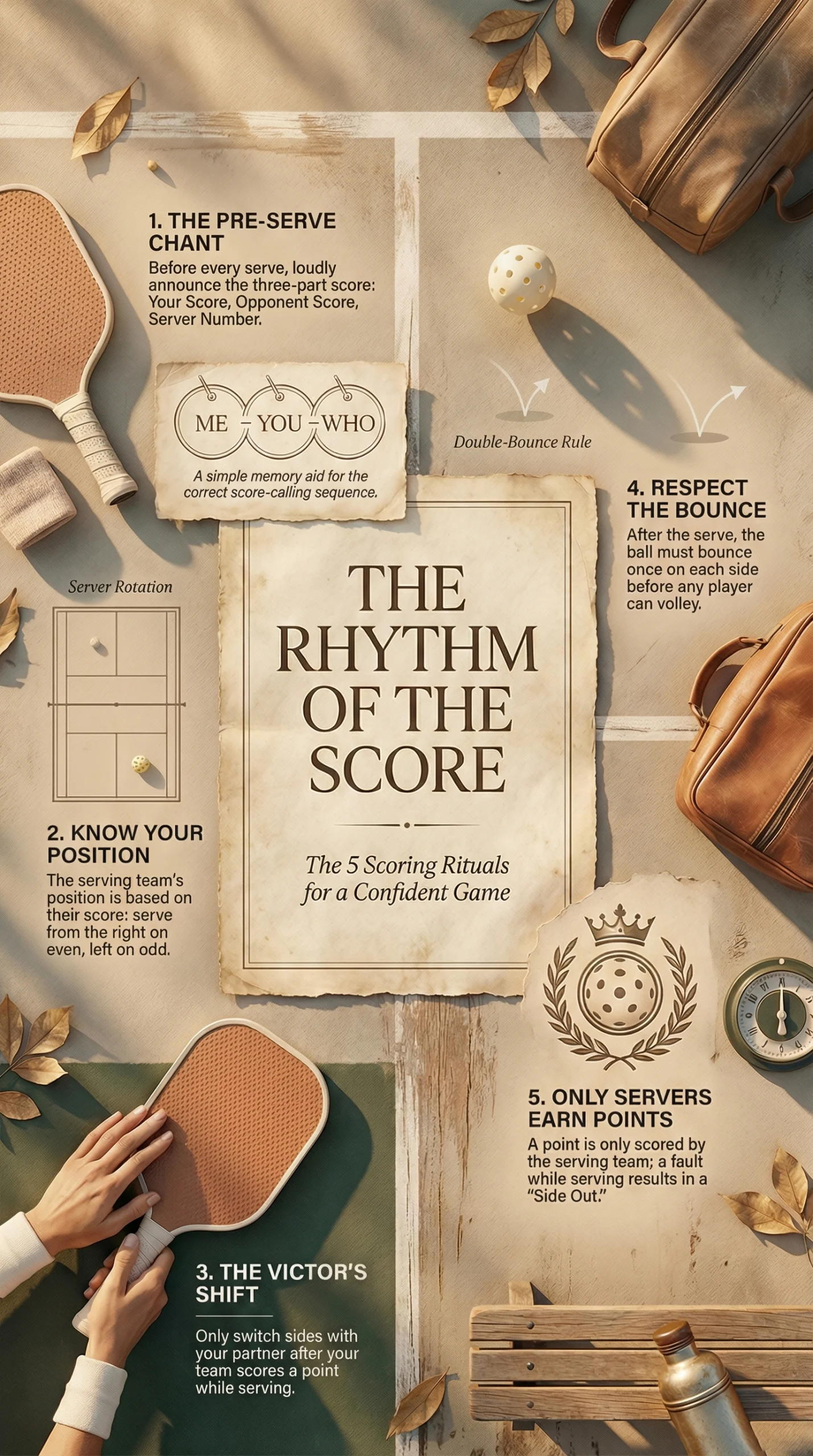
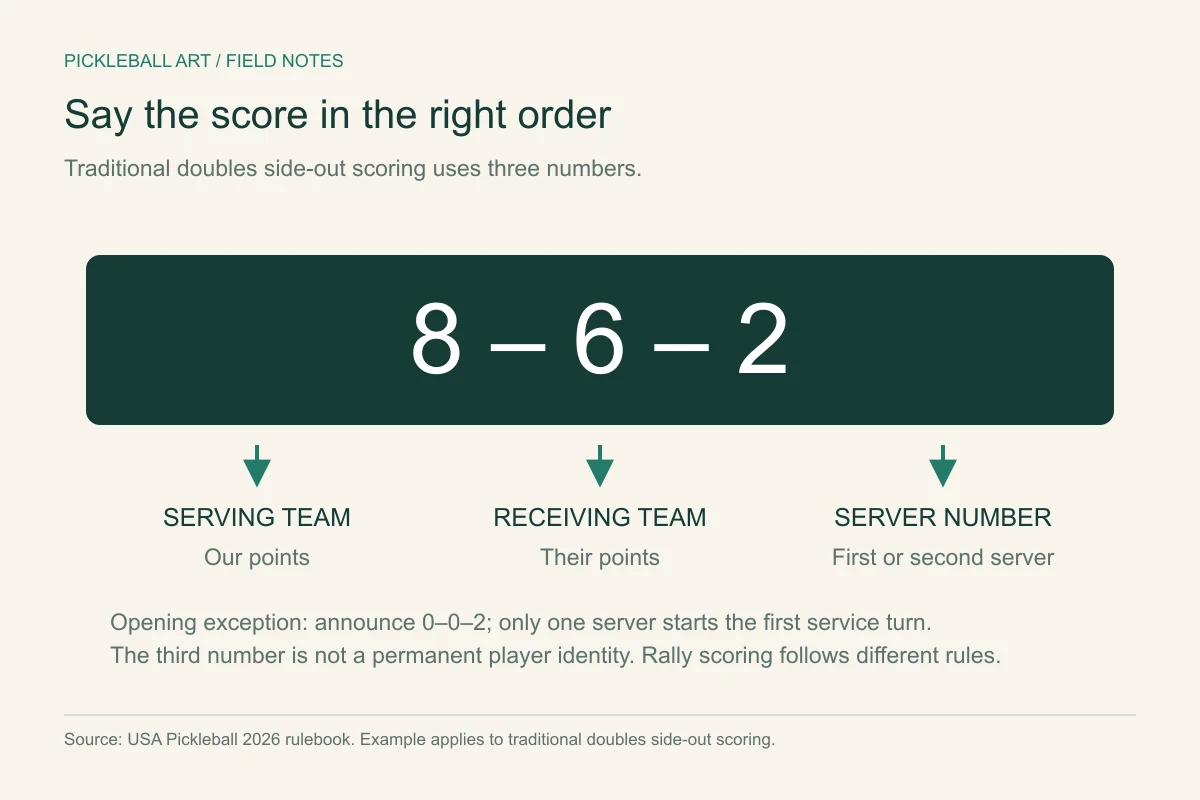
In traditional doubles, call the serving team’s score, the receiving team’s score and the server number for the current service turn. A call of 4–3–1 means the serving team has four points, the receiving team has three, and this is that team’s first server for the turn.
The opening service sequence is the exception: only one player serves before the first side-out. The usual starting call is 0–0–2. The last number identifies this service turn, not a player’s permanent identity. A player can be server one on one turn and server two on another.
Practice saying the complete call before the serve. If the players disagree, resolve the score before restarting rather than trying to repair the record during a rally.
Mistake 2: Treating every lost serving rally as a side-out
When the first server loses a rally during a normal service turn, the partner becomes the second server. The team keeps its existing score and continues to serve. When the second server loses the rally, the serve passes to the opponents: that is the side-out.
For example, at 4–3–1, a lost rally moves the call to 4–3–2, with the partner serving from the correct side. A further lost rally produces a side-out; the opponents then call their own score first. At the very start of a game, the single opening server’s lost rally produces the first side-out.
Mistake 3: Switching places after every rally
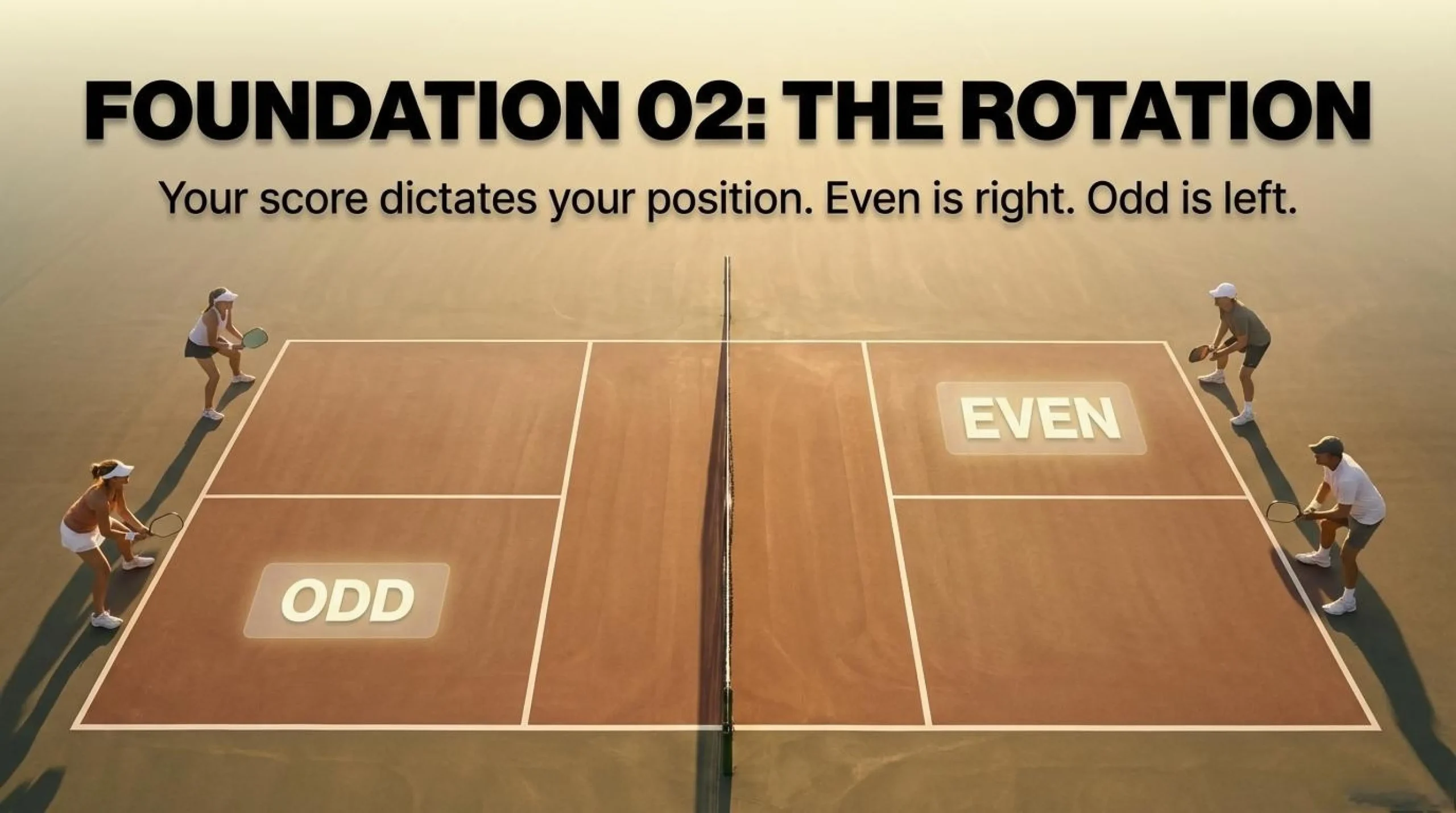
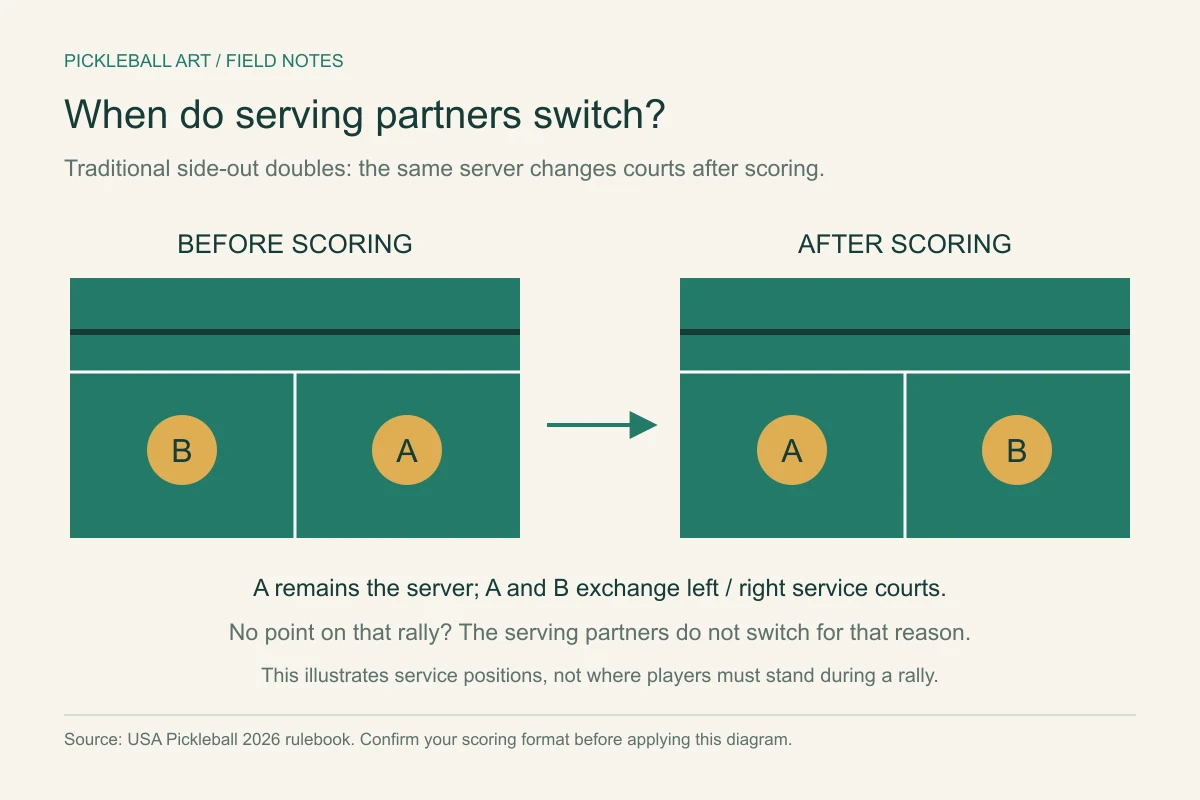
In traditional side-out doubles, the serving partners exchange left and right positions when they score a point. The same player continues serving, now from the other service court. They do not exchange positions merely because they lose the rally, and the receiving partners do not switch just because the other team scores.
At the start of a new side-out, the player in the right service court serves first. Track which partner began the game on the right: when that team’s score is even, that starting player belongs on the right; when it is odd, on the left. This is a check on the team’s correct positions, not a rule that server one is always a particular person.
During practice, name the next server and service court before picking up the ball. Use a marker to identify the game’s starting player if that makes the parity check easier.
Mistake 4: Awarding the receiving team a side-out point
Under traditional side-out scoring, only the serving team can score. If the serving team loses the rally, it loses that server’s turn or has a side-out. The receiving team does not gain a point solely from that rally.
Rally scoring awards a point after each rally. Do not transfer its point or service procedures into a traditional game. Agree on the format, target score and win requirement before the first serve. USA Pickleball’s rules summary distinguishes the scoring formats.
Mistake 5: Confusing the two-bounce rule with the score
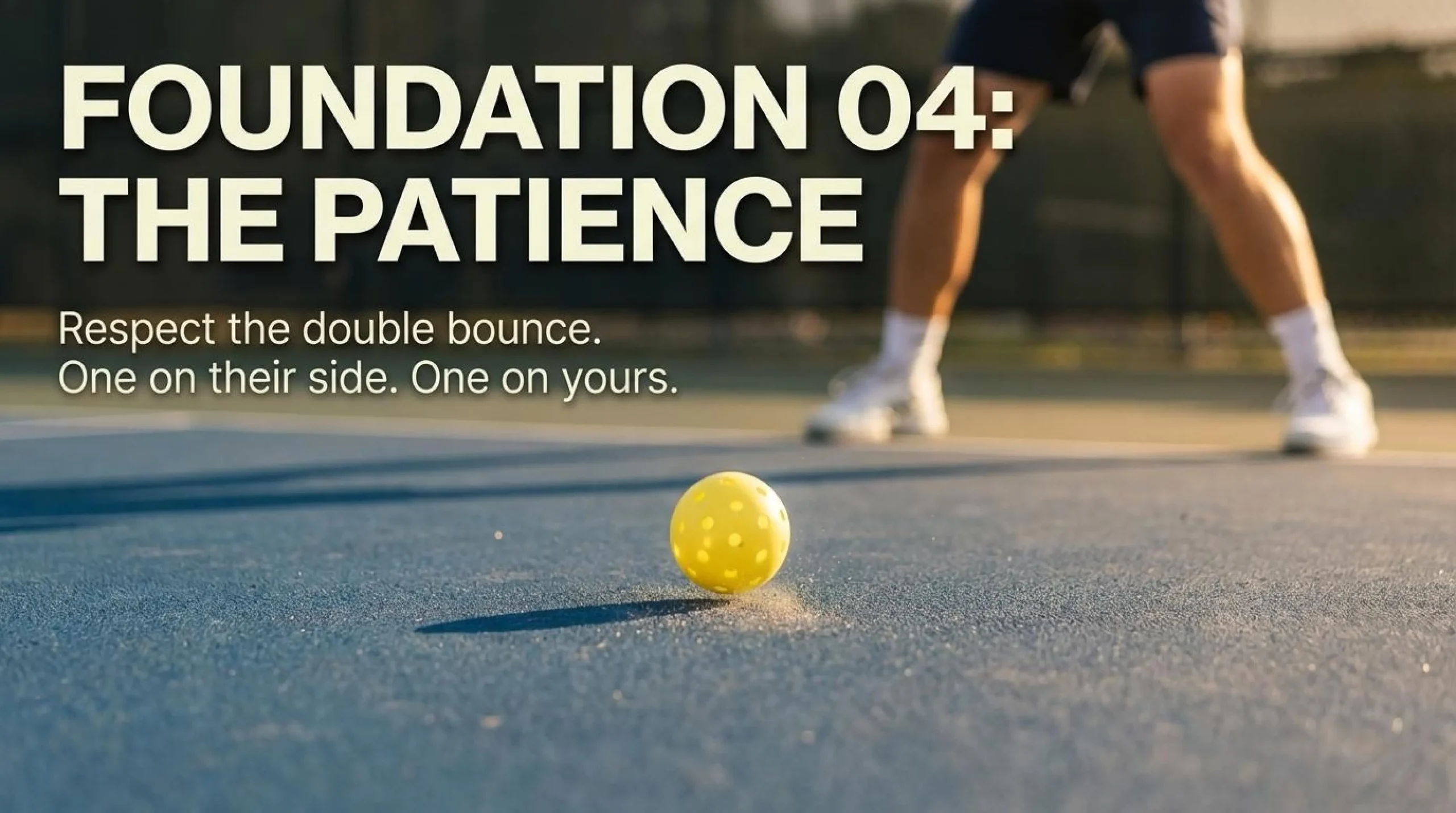
The receiving side must let the serve bounce before returning it. The serving side must then let that return bounce before playing it. After those two required bounces, either team can volley subject to the non-volley-zone restrictions.
A premature volley is a fault, but what happens to the score depends on the scoring format and who was serving. In a traditional doubles game, a serving-team fault can move service to the partner or cause a side-out. It does not automatically award a receiving-team point.
Practice a simple serve, bounced return and bounced third shot. Keep the score call separate from the movement drill so that each habit becomes clear.
Do not replay a legal serve just because it touches the net
Under the standard rules, a serve that touches the net and lands legally remains in play. A serve that lands in the kitchen or on its line is a fault. Do not import the tennis service-let procedure into a standard pickleball game.
Use a deliberate reset between rallies: identify the rally winner, decide whether a point or a service change occurred, check the server and position, then make the next score call. For the full beginner sequence, read the step-by-step playing guide.
Frequently Asked Questions
What do the three numbers in traditional doubles mean?
They are the serving team’s score, the receiving team’s score and the current server number. The server number belongs to the service turn, not permanently to a player.
Why does a game often begin at 0–0–2?
Only one player serves during the opening service sequence before the first side-out. Calling that player server two reflects the opening exception.
When do partners switch left and right positions?
In traditional side-out doubles, the serving partners switch positions after their team scores a point. They do not switch simply after every rally.
Does the receiving team get a point when the server loses?
Not under traditional side-out scoring. A lost serving rally changes the server or creates a side-out. Rally scoring uses different procedures.
Is a net-touching serve automatically replayed?
No. A serve that touches the net and lands legally remains in play under the standard rules. Confirm any event-specific format before playing.