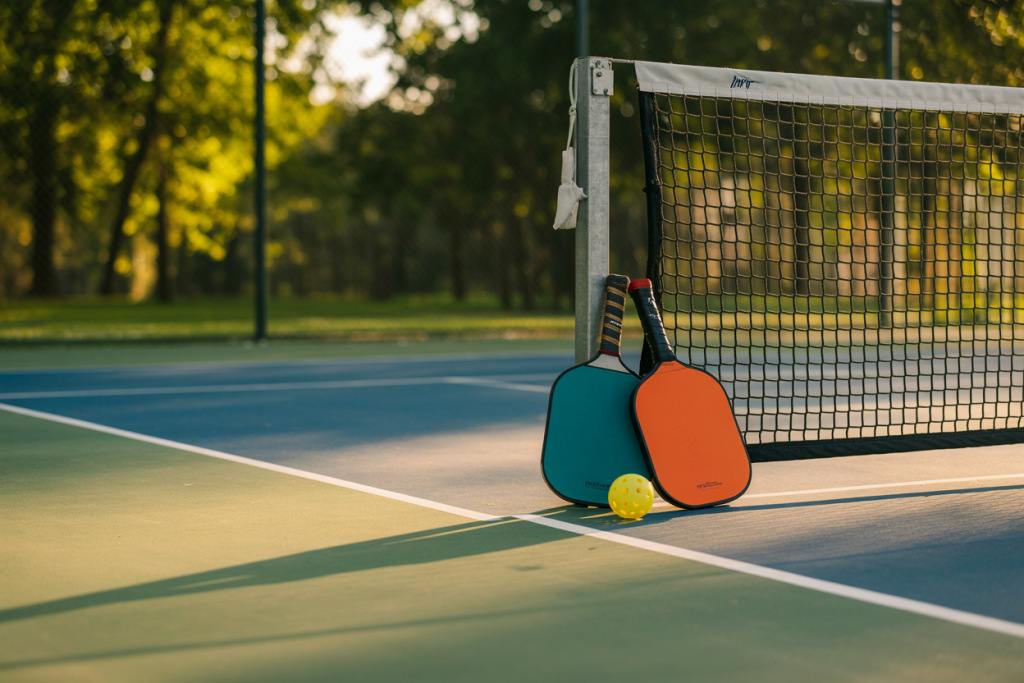
Two players can hit reliable shots separately and still struggle as a team. The problems often appear between the shots: a middle ball left untouched, a partner surprised by a poach, or advice delivered while the next point is already starting.
This guide builds the partnership. If you are learning where to stand during the opening rally, begin with the first-five-shots playbook. Here, the focus is agreeing what each partner will do before uncertainty becomes a collision or an argument.
Have a short conversation before the game
Ask which side each player prefers, whether either uses a two-handed backhand, and who feels comfortable taking particular middle balls. Share any movement limitation that affects coverage. An agreement based on the actual pair is more useful than assuming that the left player must always take the middle.
Choose a few clear words. “Mine” means that you are taking the ball; “yours” hands off the decision; “switch” means the partners are changing sides. Avoid introducing several unfamiliar calls during a scored game. Practice what the words mean first.
Make a middle-ball rule that can adapt
“Forehand takes the middle” can be a starting agreement when one player has a comfortable forehand there, but it is not a law of doubles. A left-handed and right-handed pair may have two forehands in the middle on one arrangement and two backhands on another. Ball height, angle and which player is balanced also matter.
Use this decision order: the player who can make a controlled shot calls early; the other gives space; after the rally, discuss any unclear case. A late reach across a partner is not rescued by announcing “mine” after contact.
| Ball situation | Useful agreement |
|---|---|
| Slow ball between two balanced players | Use the planned middle preference |
| One partner is stretched wide | The balanced partner covers the exposed space when possible |
| Fast ball near a player’s body | Avoid forcing a reach through that player |
| Both players are unsure | Call early, then review the case after the point |
Agree how to cover a lob
When a ball travels over a player, the pair needs a safe retrieval plan. Turning to move toward the ball is preferable to hurriedly backpedaling while looking upward. If the other partner retrieves it, use the agreed switch call so that both know which side to cover afterward.
A lob you cannot reach safely does not justify a collision, uncontrolled backward movement or entering another court. Discuss coverage during practice and adapt it to the partners' mobility. Clear safety boundaries make the team easier to trust.
Poach with a purpose and recovery plan
A poach is a deliberate move across the usual area to take a ball. It can pressure opponents, but it also opens space. Begin with planned situations: a return pattern you expect, a ball your partner has agreed to leave, or a clear high opportunity.
Tell the partner how you will recover if the shot does not end the point. Avoid making every middle ball a surprise takeover. If poaching creates repeated confusion, reduce it until the communication and spacing improve. Later, more organized switching patterns can provide additional options.
Use between-point talk for the next decision
Keep a reset brief: acknowledge the point, choose one adjustment and prepare for the serve. “Let's send the return deeper” gives a usable next action. Recounting the last several errors can make both players less ready for the next rally.
Ask before giving technical advice. A partner may want tactical discussion but not a swing lesson during the game. The USA Pickleball sportsmanship guide is a useful starting point for respectful conduct; this communication plan applies that spirit to practical team decisions.
Run a partner practice session
- Cooperative middle balls: feed gentle balls between the pair and practice a call before the swing.
- Sideways coverage: send the ball wide, then back toward the middle, while both players adjust their spacing.
- Lob rehearsal: begin slowly with a planned retriever and switch call, keeping movement safe.
- Opening rally: practice serve, return and third shot, then pause to check the pair's positions.
- Scored game: focus on one agreement and discuss it afterward.
Use a worksheet with four columns: situation, call, result and next adjustment. Count confusion separately from shot execution. A missed shot after a clear agreement needs a different solution from a ball neither partner believed they owned.
Review the partnership without blame
After playing, identify one repeated pattern and one decision that worked. Change a single agreement for the next session. If a partner repeatedly prefers a different role, discuss whether the arrangement suits both players rather than assigning a fixed position from an online rule of thumb.
Teamwork becomes useful when it reduces uncertainty. A clear call, predictable coverage and a respectful reset let each player concentrate on the next ball instead of wondering what the other person will do.
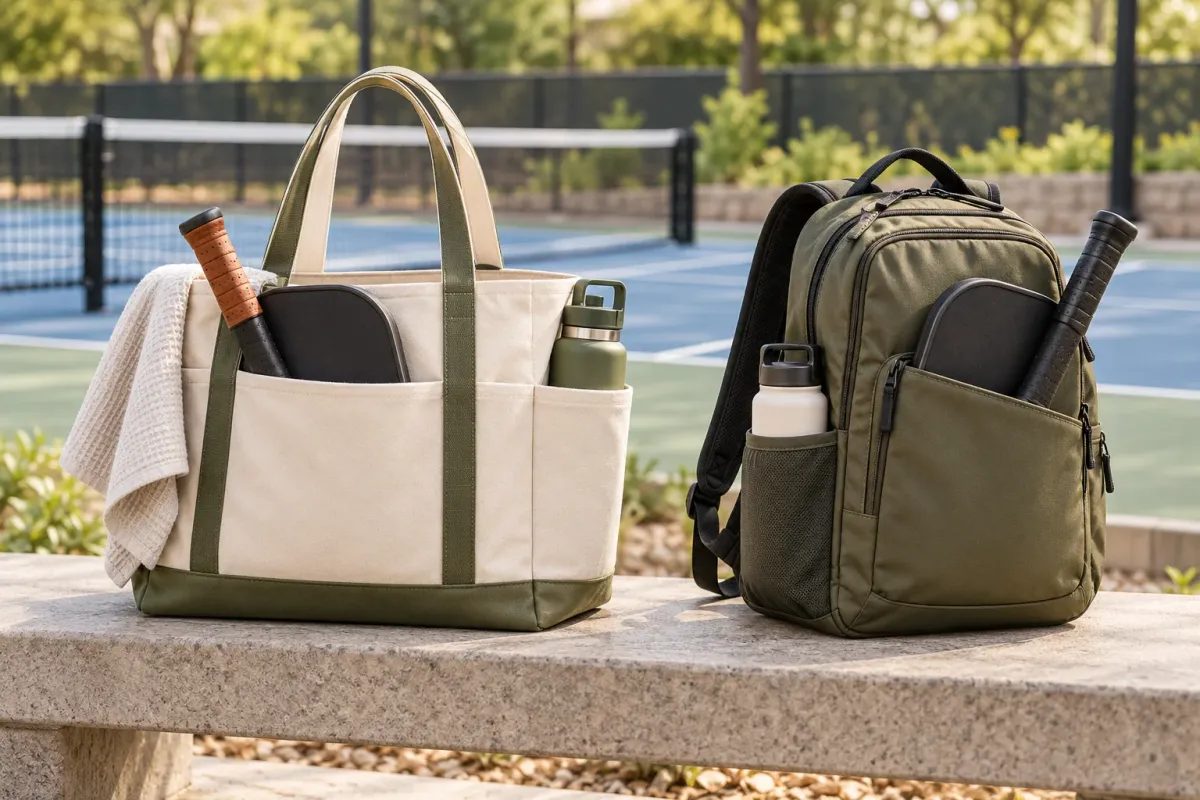
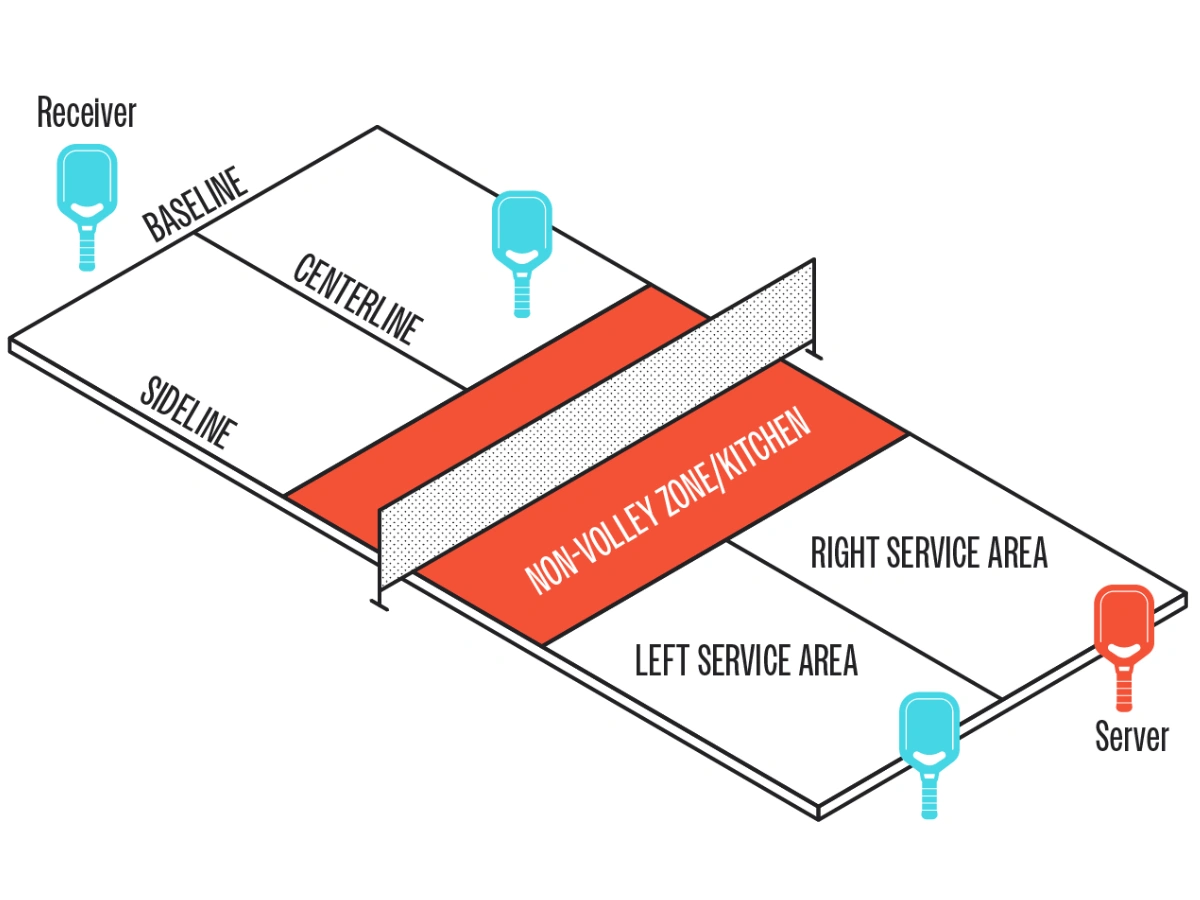
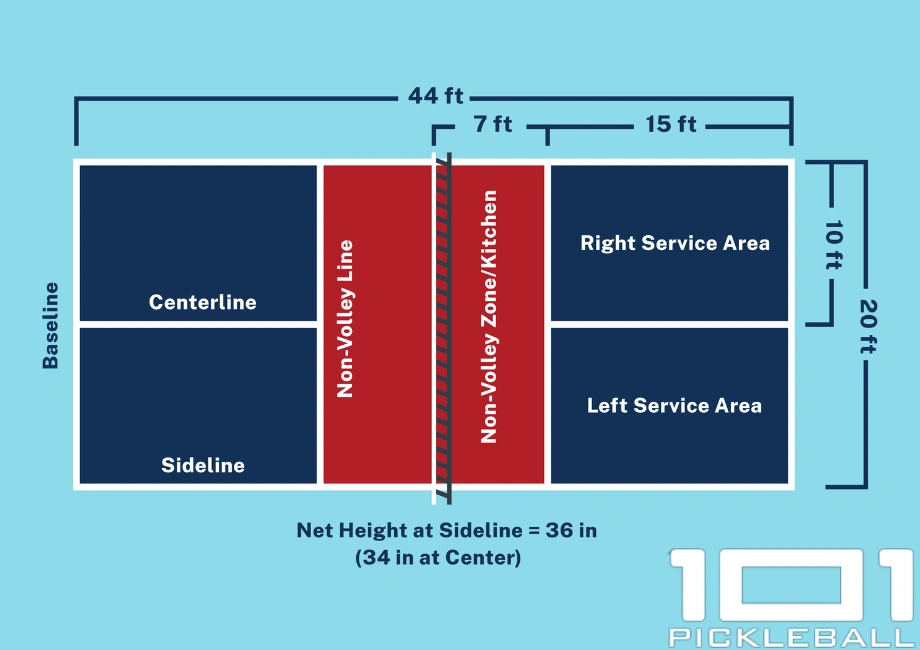
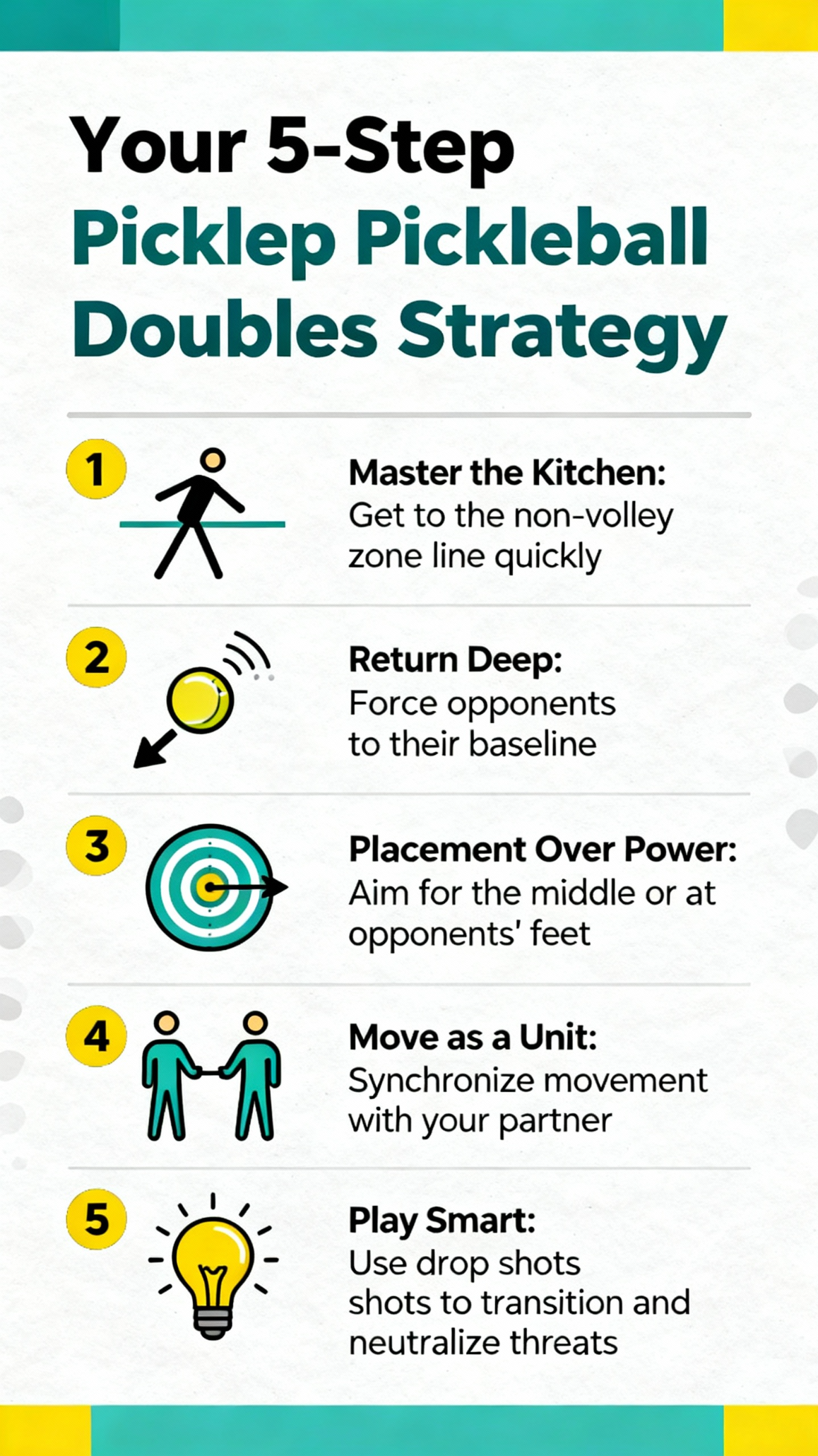
Partner movement and teamwork illustrations
Visual examples of equipment and court settings. Images are illustrative; current specifications and fit should be checked with the maker or retailer.
Frequently asked questions
Who should take middle balls in doubles?
Agree a starting preference, then account for angle, balance and shot access. The player who can make a controlled shot should call early; there is no rule requiring the left player to take every middle ball.
Should we switch after every lob?
No. Use a planned retriever and recovery agreement suited to the pair’s movement. A switch call is useful when partners change sides, but reaching the ball safely comes first.
What should we practice if communication is the main problem?
Begin with gentle middle-ball feeds and early calls, then add lateral coverage and opening rallies. Review ambiguous decisions separately from ordinary missed shots.