Caring for equipment starts with its instructions and condition. The same cleaner, temperature or repair method will not suit every paddle face, shoe or fabric. A regular inspection can reveal damage, but it cannot guarantee double the lifespan or a fixed number of additional games.
Clean the paddle using its maker's instructions
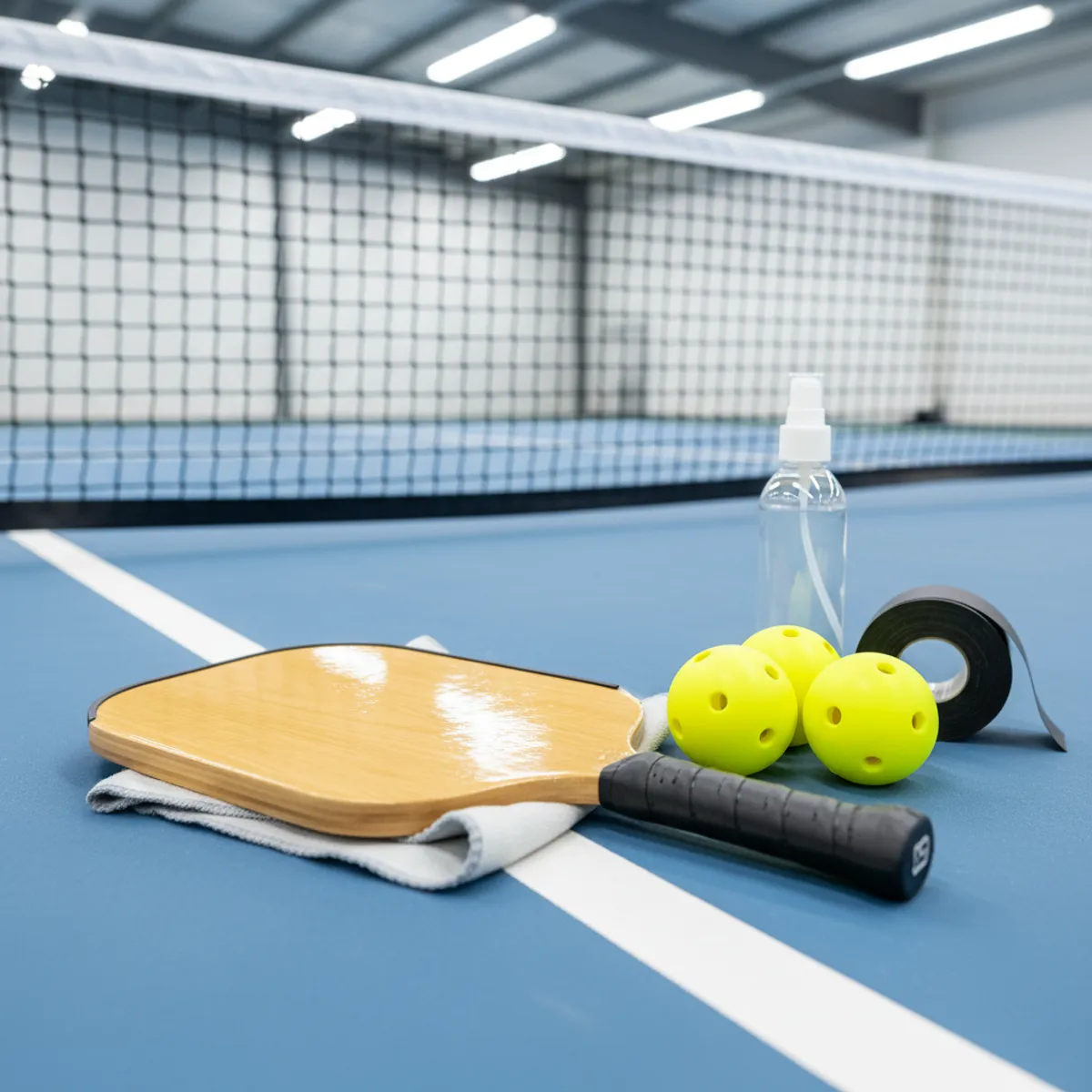
Remove loose grit with an appropriate soft cloth, then use the cleaning method specified for the exact face. Avoid abrasive household pads, solvents, sanding and surface coatings unless the manufacturer specifically permits a maintenance method. A cleaning block marketed for one raw carbon face may not suit a coated or differently constructed surface.
Selkirk’s paddle care instructions are one manufacturer example. Their advice and warranty apply to their products; check your own maker before treating another brand the same way. Keep water away from seams and the handle as instructed, and let the paddle dry before storing it.
Check the face, edge and handle
Look for cracks, separated edges, a loose handle and changes in response or sound. If a previously consistent paddle develops an unusual spot, stop guessing at a home repair and ask the manufacturer or retailer to assess it. A visible change is not enough to diagnose a particular internal failure.
A cover helps keep the paddle from rubbing against other equipment. Do not leave it in a hot vehicle, expose it to unnecessary prolonged heat, or pack it wet. Avoid using the paddle to scrape up balls or strike hard objects.
Maintain the grip for a secure hold
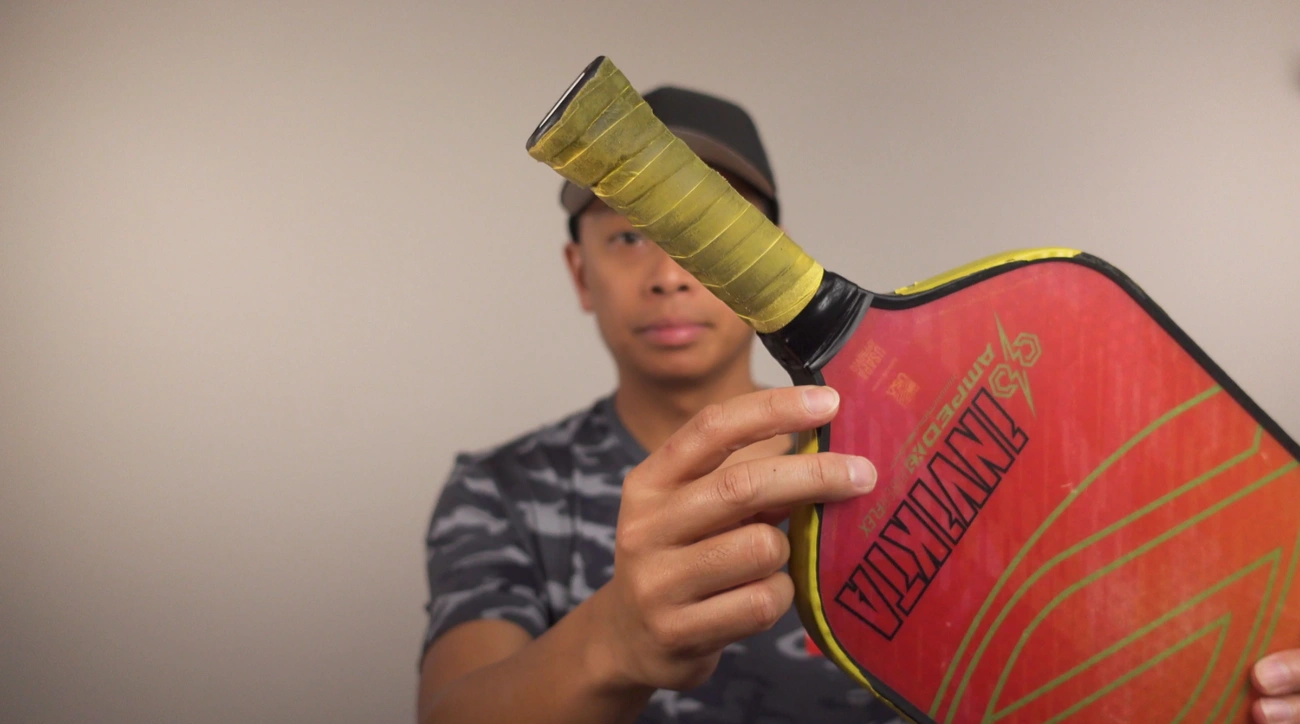
Dry a wet grip and inspect for looseness, a torn surface or persistent slipping. Replace an overgrip when needed, using the appropriate fitting method. Sweat, material and usage vary, so a universal replacement calendar is not reliable.
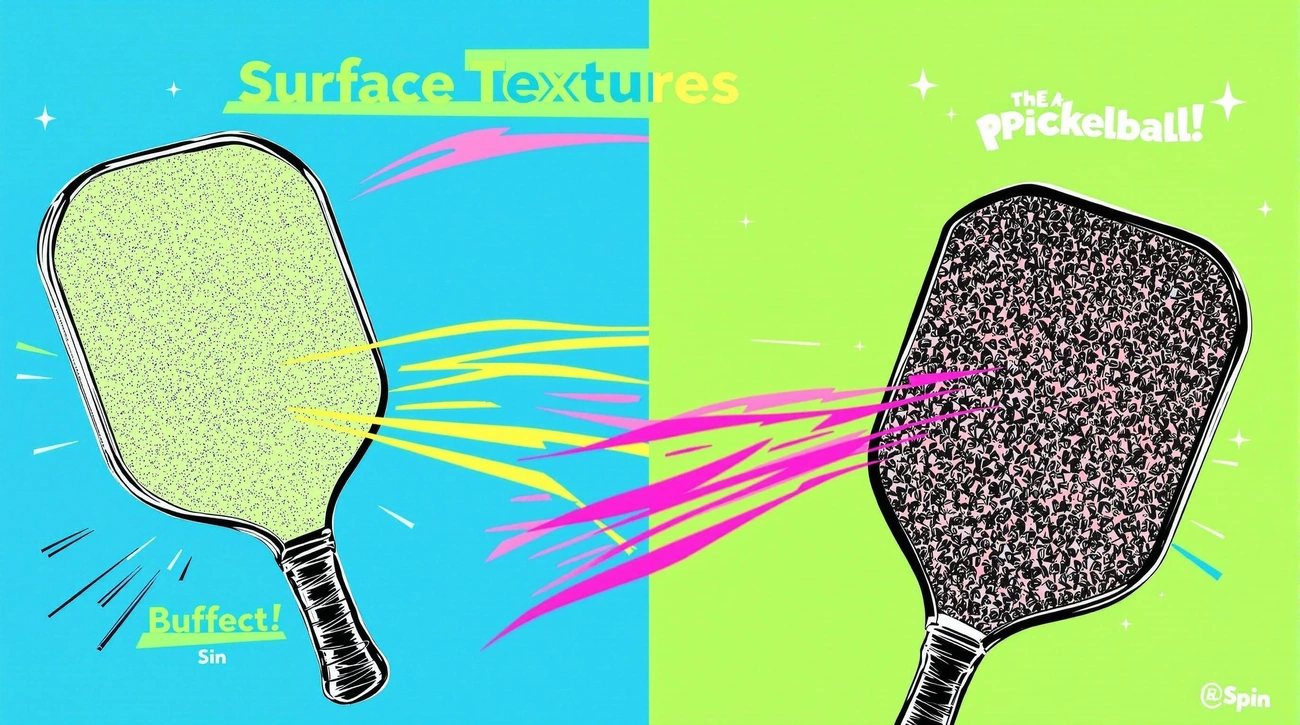
Check the manufacturer's instructions before regripping a handle or modifying an edge. For sanctioned play, alterations must meet the applicable equipment rules. Maintenance does not give permission to add roughness or a spin-enhancing coating.
Inspect balls rather than counting games
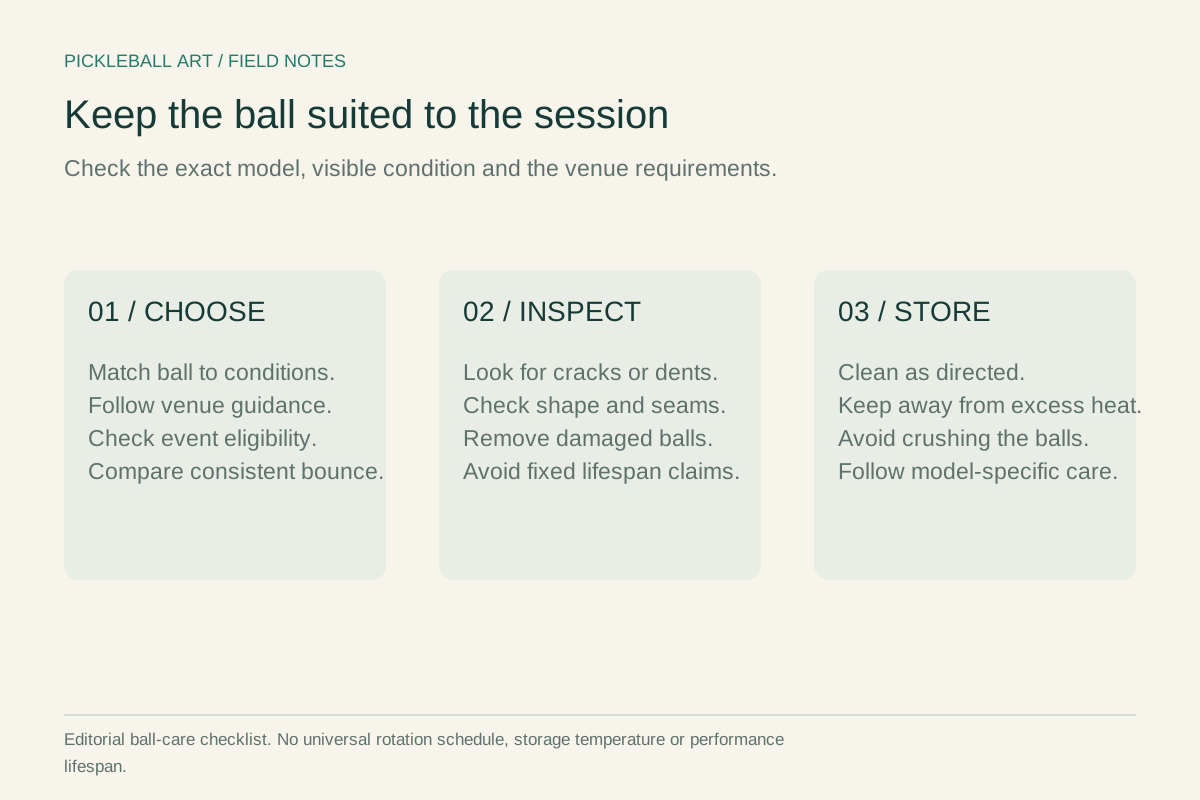
Look for cracks, a damaged seam, deformation and a bounce that has changed. Compare under the same conditions if you are unsure; temperature and surface can affect the comparison. Retire a damaged ball rather than relying on a claim that every ball peaks after three to five games.
Store balls as directed and keep a usable spare. For tournaments, verify the approved ball and event requirements. For disposal, check an actual local or brand collection route instead of assuming that a mixed-plastic sport product belongs in curbside recycling.
Dry shoes, clothing and the bag
Remove loose court grit from shoes and let them dry according to their care label. Avoid unapproved heat or machine washing. Inspect tread, upper security and sole attachment; replace footwear when its condition no longer suits play.
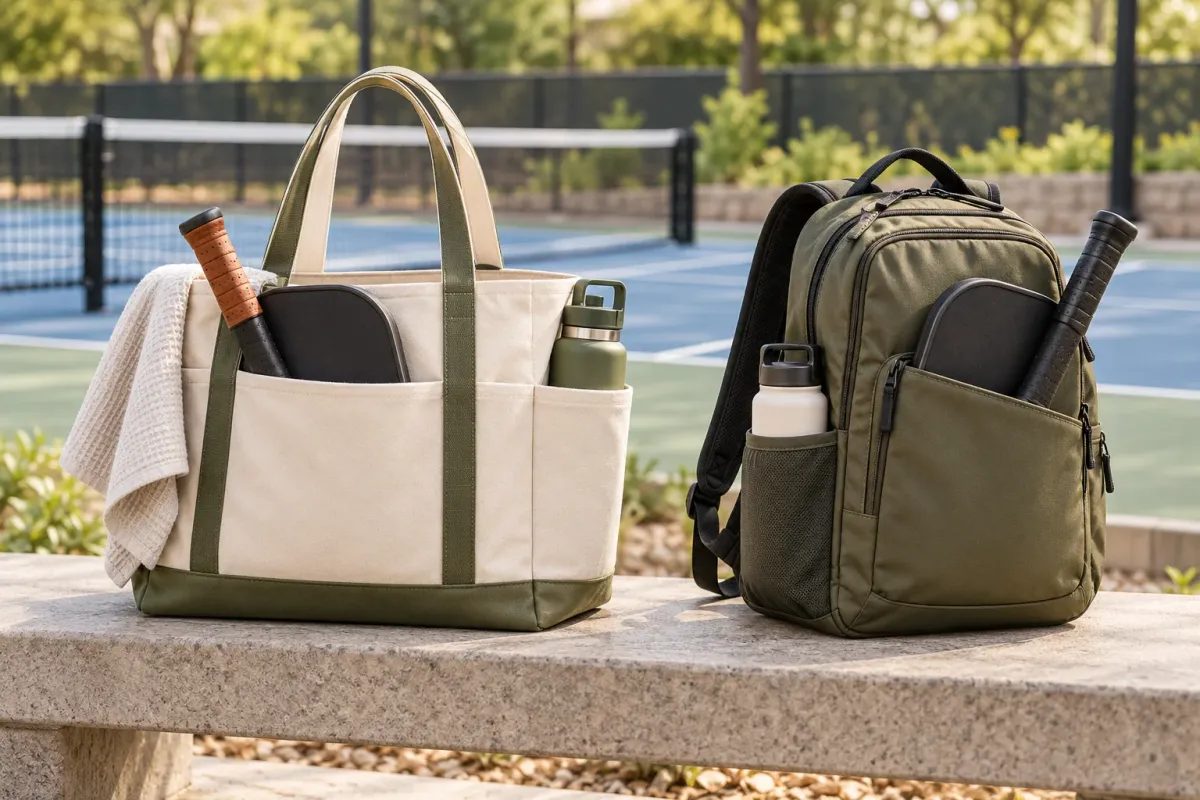
Follow garment washing instructions and empty pockets first. Some technical fabrics specify avoiding softener or particular drying temperatures. Do not apply one rule to every fiber. Open the bag after play, remove damp clothing and wipe the compartments with a compatible cleaner.
A routine you can keep
- After play: remove damp kit, wipe permitted surfaces and dry the grip.
- Before play: inspect the paddle, balls and shoes for damage.
- Periodically: clean the bag and check return, repair or warranty instructions.
- Before an event: verify approval and alteration requirements.
Keep receipts and photograph a suspected defect before contacting the seller. Warranty coverage varies by brand, product, buyer and failure type; do not assume ordinary wear is covered.
Frequently Asked Questions
No. Use a method the paddle manufacturer permits for that exact surface. An unsuitable abrasive can damage the finish.
There is no universal game count. Inspect condition and response, considering the ball, surface and playing conditions.
Cleaning can remove contamination. It cannot guarantee that damaged or worn material will recover its original response.