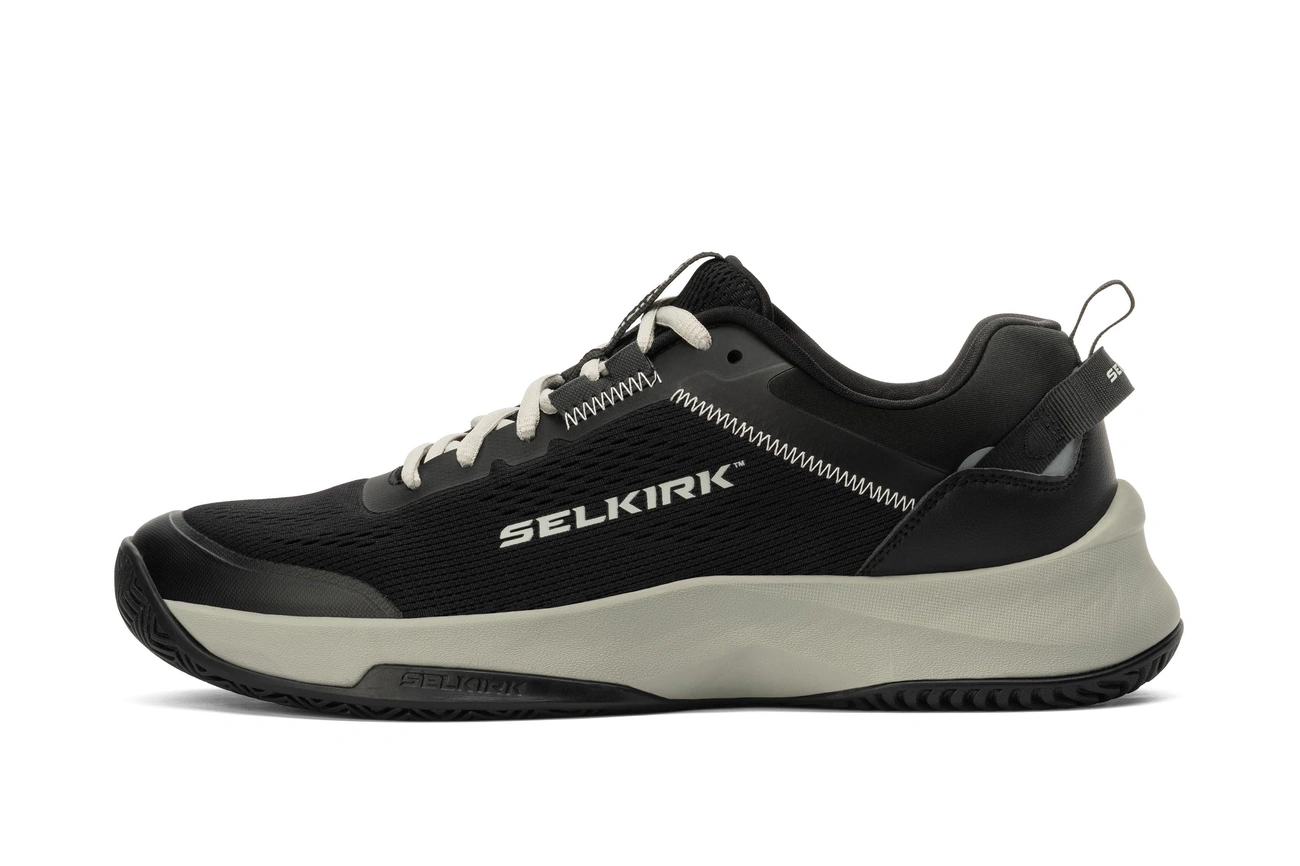
Choosing between indoor and outdoor pickleball shoes starts with the surface under your feet. A covered hard court and a polished gym floor may both be described as “indoors,” but they can demand different outsole choices. The useful question is what the shoe is designed to grip and withstand.
This guide explains surface matching, sole care and wear checks. For length, width and try-on instructions, use the shoe-fitting guide; for an overall buying shortlist, see how to compare court shoes.
Identify your actual playing surface
Ask the facility whether the courts are wood, synthetic gym flooring, acrylic hard court or another surface. Confirm whether non-marking footwear is required. Do not guess from the building's roof or from a photograph of the court.
Then read the shoe maker's intended-use description. A hard-court designation is more specific than “athletic sneaker.” If the product is described for another surface, ask whether the maker recommends it for your facility before purchasing.
Understand what an outsole can tell you
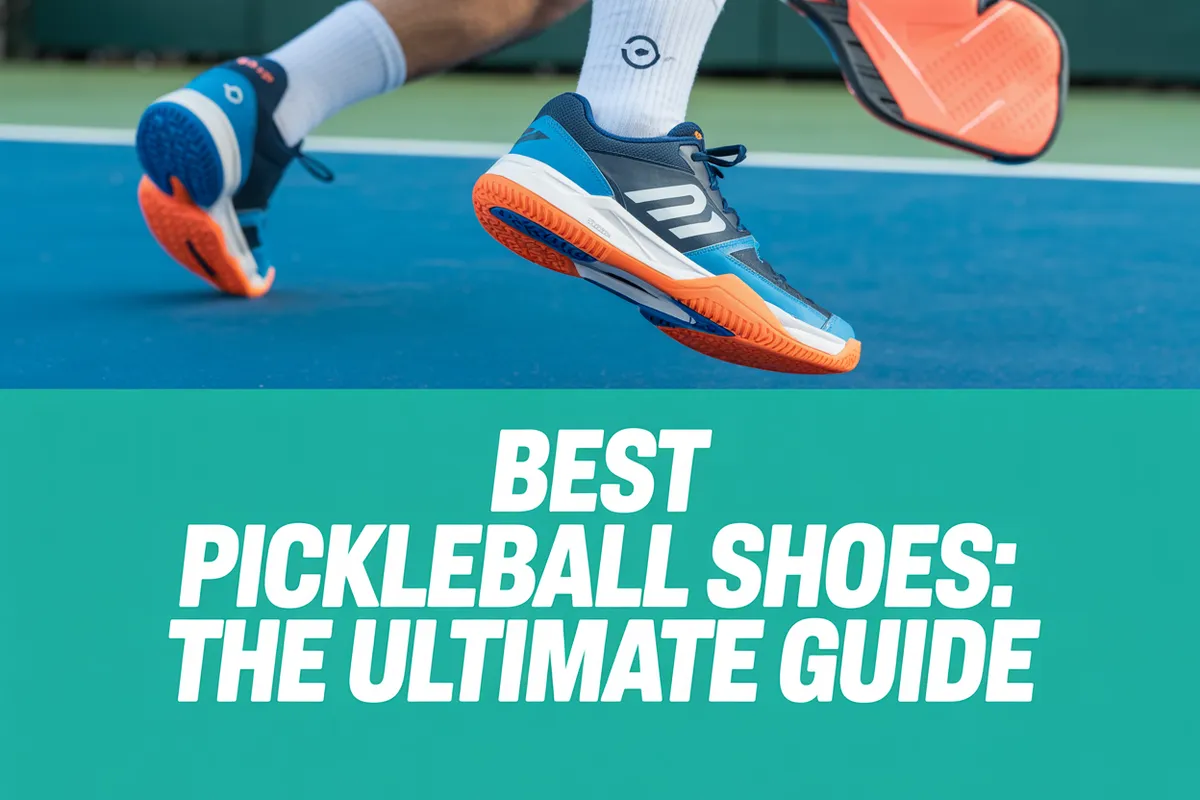
The outsole is the material contacting the court. Its rubber formulation, tread geometry and coverage work together. A herringbone pattern or a gum-colored sole does not, by itself, establish suitability for every court. Appearance is a clue to investigate rather than a complete specification.
| Detail | What to check | What not to assume |
|---|---|---|
| Non-marking claim | Written manufacturer designation and facility policy | That any pale outsole is non-marking |
| Tread pattern | Intended surface and clean, intact contact areas | That one pattern guarantees traction everywhere |
| Rubber coverage | Coverage where your current shoe wears first | That a thicker-looking sole has a proven lifespan |
| Outsole warranty | Eligible surface, time window and exclusions | That cosmetic wear automatically qualifies for replacement |
The APMA recommends shoes appropriate to the sport. For pickleball, that means considering stop-start and sideways movement alongside the surface, rather than buying for forward walking alone.
Evaluate traction in the conditions you will use
A dry, clean surface is the starting point for assessing a shoe. Dust, grit and moisture can change the interaction between sole and court. If you feel unexpected slipping, stop and inspect the conditions rather than repeatedly testing harder movements.
More grip is not automatically more comfortable. A shoe that catches during a turn may also feel awkward. Start with gentle steps on a permitted surface and assess controlled stopping, not an exaggerated slide. Follow the facility's instructions if the floor is dusty or damp.
Why a separate indoor pair can be useful
Keeping one pair for gym use makes it easier to avoid carrying outdoor grit onto the floor. It also lets you choose each pair for its main surface. This is a practical convenience, not a requirement that every casual player buy two pairs.
If you use one suitable pair for both, check the sole before entering the gym. Remove loose debris using the maker's permitted cleaning method. Change footwear if the facility requires it or if the outdoor sole is too dirty or damaged for safe use.
Inspect wear where your movement creates it
Look at the heel, toe edge, outer forefoot and any areas you drag. Compare left and right shoes; uneven wear can reveal how you move, although it does not diagnose a medical issue. Inspect the upper and sole bond as well as the tread.
- Remove the shoe from play if rubber or the upper is separating.
- Check smooth patches that change traction compared with the rest of the sole.
- Notice whether the heel structure or lacing still holds the foot securely.
- Use new discomfort as a reason to assess fit, workload and footwear condition, not as automatic proof of worn cushioning.
There is no fixed calendar rule that fits everyone. A frequent hard-court player and an occasional gym player can wear the same model at very different rates. A brief inspection before each session is more useful than replacing solely on an anniversary.
Clean and store without guessing
Use the manufacturer's care instructions. Let shoes air out after play and avoid storing damp footwear in a sealed bag. Do not assume machine washing, high heat or chemical cleaners are safe for the sole adhesive and upper. If the instructions are unavailable, ask the maker.
Record the model, purchase date and surface you use. When you replace the pair, this record helps distinguish a surface mismatch from a fit issue or ordinary wear. Pair it with the gear-care checklist so that equipment inspection becomes part of preparing for the court.
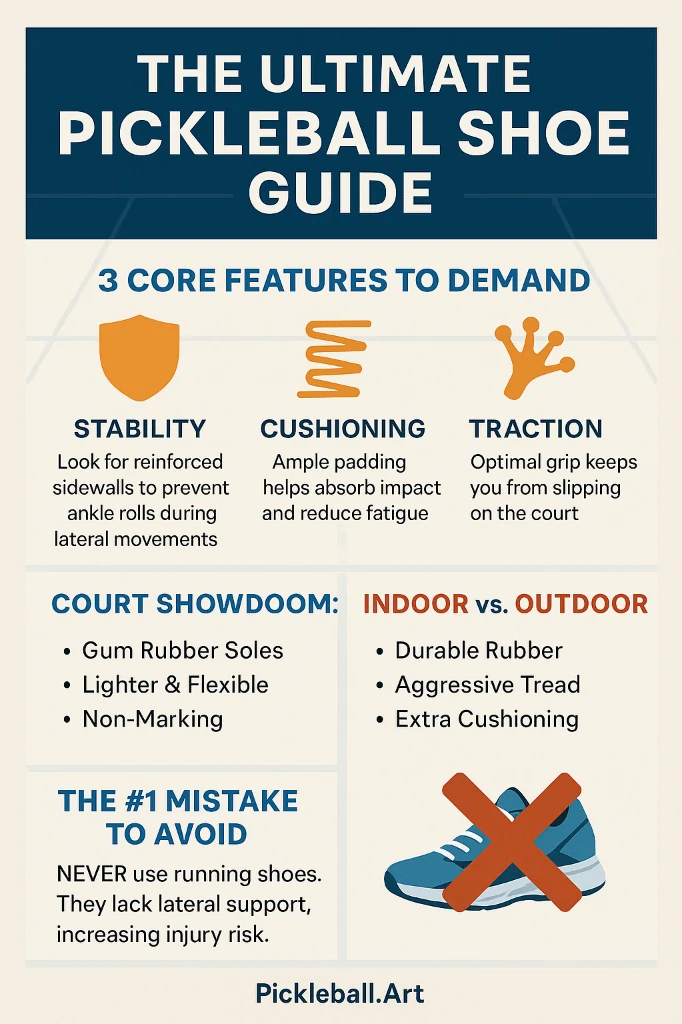
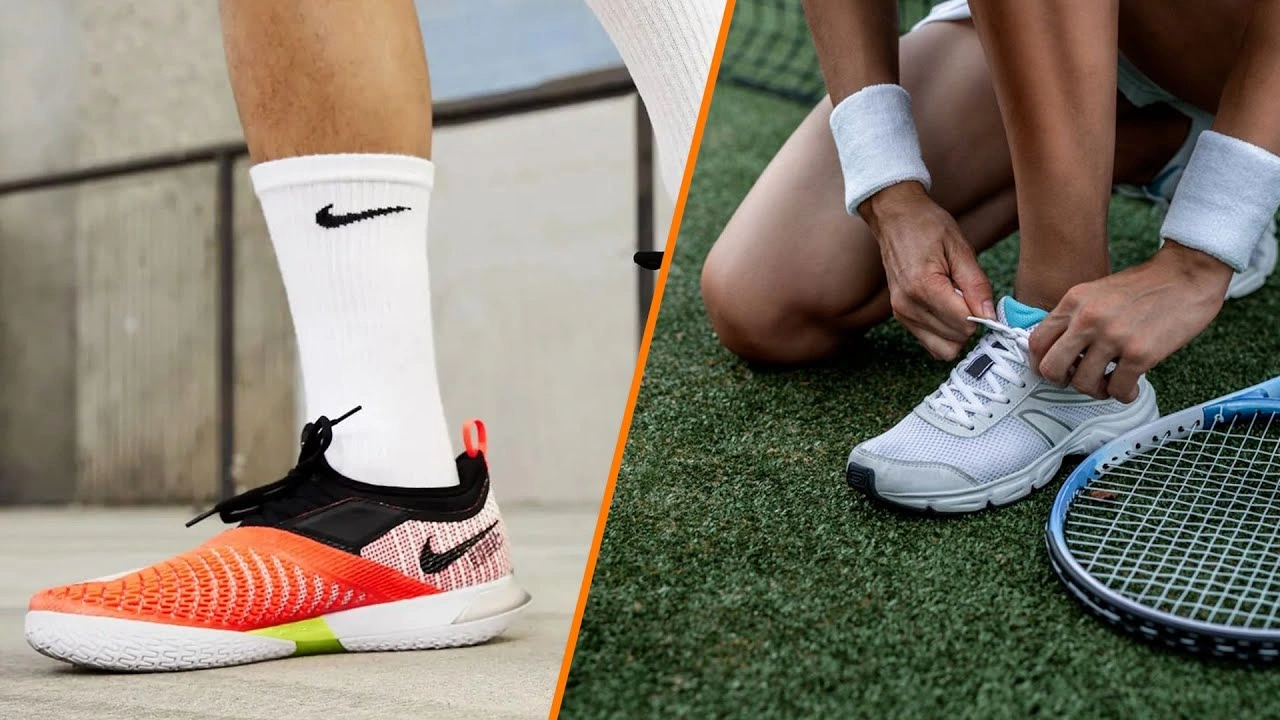
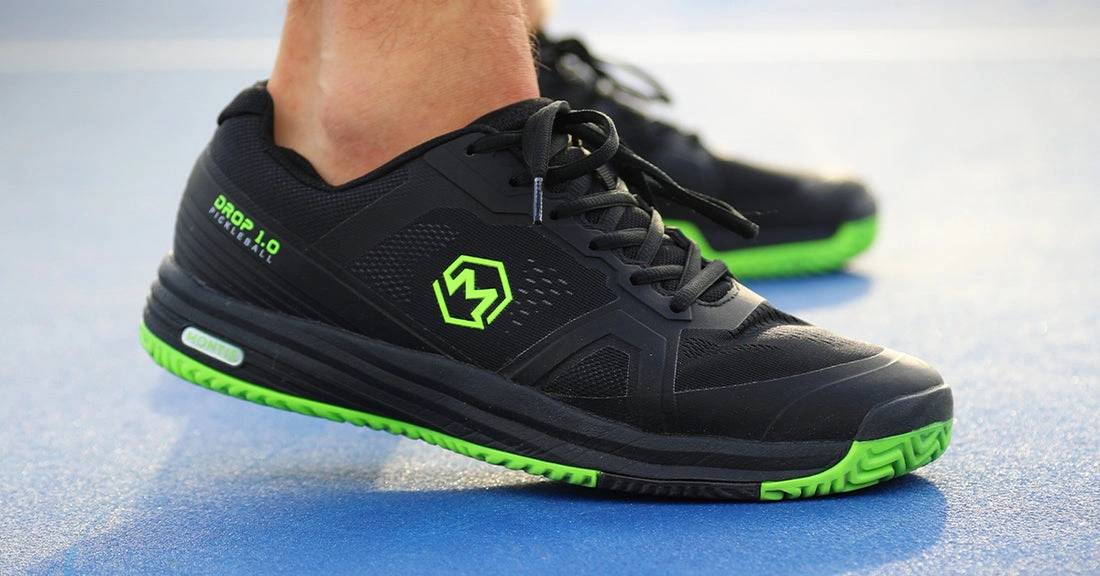
Outsole and court-surface illustrations
Visual examples of equipment and court settings. Images are illustrative; current specifications and fit should be checked with the maker or retailer.
Frequently asked questions
Does indoor always mean a gum-rubber sole?
No. Indoor describes the location, while the actual floor can vary. Check the shoe maker’s surface designation and the facility’s non-marking rules rather than relying on rubber color.
Can I use outdoor court shoes in a gym?
Only if the footwear suits that floor and meets the facility’s policy. Clean away grit first; a pair dedicated to gym use can make this easier.
How often should I replace court shoes?
Inspect condition and fit instead of using a universal schedule. Sole separation, altered traction or an upper that no longer holds the foot securely are reasons to reassess the pair.