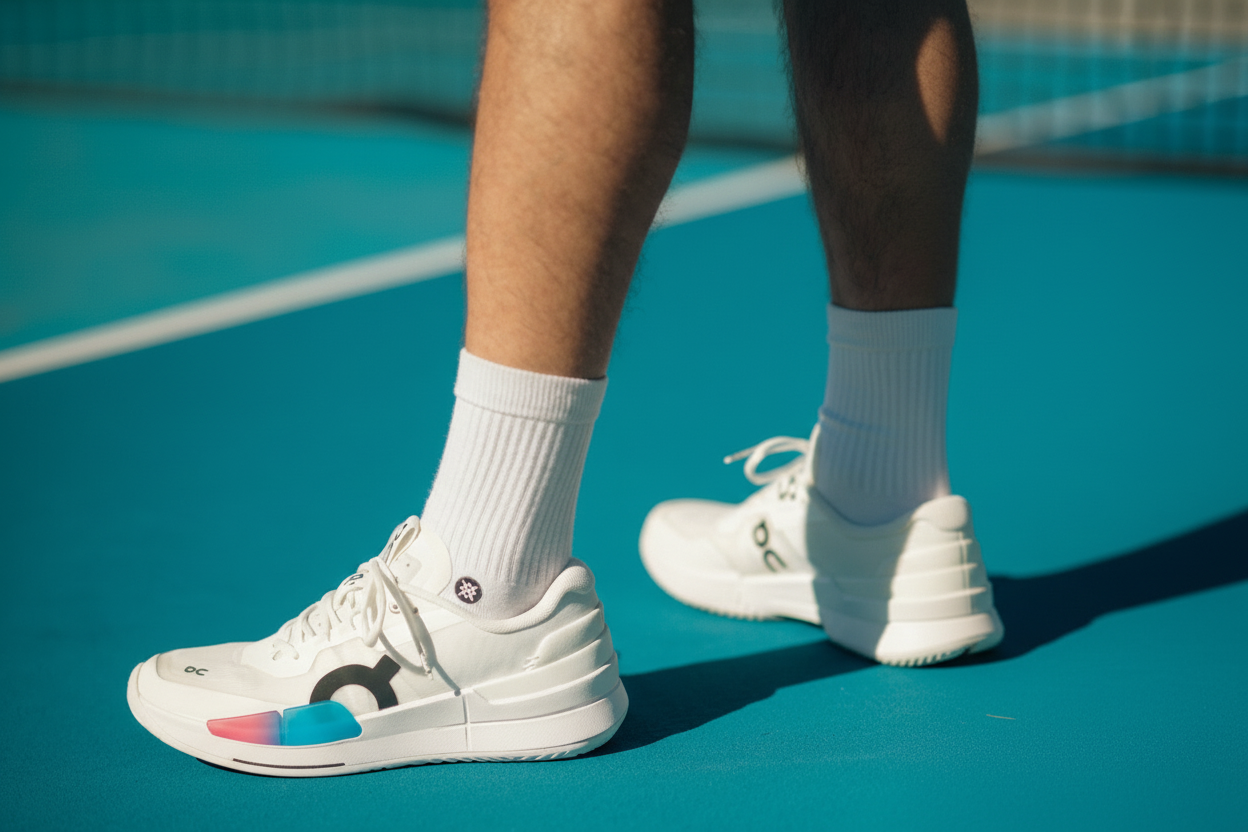
The best pickleball shoes are the pair that fits your feet, works on your usual surface and stays secure through the movements you actually make. A shoe that feels fast during a short rally can still be uncomfortable during a long session; a durable outdoor model can feel heavy to someone who mostly plays in a gym.
This buying guide compares useful shoe categories and decision criteria. For a step-by-step fitting process, use our shoe-fitting checklist. For roomier footwear and cushioning questions, see the comfort and wide-fit guide.
Start with the court, then choose the shoe category
Write down where you play most often. A roof does not make a court an indoor gym: covered acrylic courts can still have an abrasive hard-court surface. Ask the facility about footwear requirements and compare those with the manufacturer's stated surface use. For court-surface details, read the outsole guide.
| Your main setting | A sensible starting category | What to verify |
|---|---|---|
| Outdoor acrylic hard court | Tennis hard-court or pickleball court shoe | Outsole suitability, lateral containment and wear policy |
| Wood or synthetic gym floor | Indoor court shoe | Non-marking requirements and traction on that floor |
| Both surfaces regularly | Surface-specific pairs if your budget allows | Clean soles before gym play; avoid assuming one outsole suits everything |
| Occasional beginner play | A well-fitting court shoe | Secure movement and return policy before paying for premium features |
A pickleball label alone does not establish that a shoe is better than a tennis shoe. Compare the construction, fit and surface designation. The American Podiatric Medical Association recommends footwear appropriate to the sport, particularly when you play it regularly.
Evaluate stability with a movement test
Lateral containment describes how well the upper and base keep your foot from sliding during side-to-side movement. Look for a heel that holds your foot, an upper that does not collapse around it and a sole platform that feels steady when you load one side. These observations are more useful than a colorway or an unexplained “pro” label.
While trying the shoe on, stand in a comfortable ready position, step sideways slowly, then stop. Your foot should remain inside the shoe without the heel lifting or the toes hitting the front. Start gently on a permitted clean surface. A store test is a screening tool, not proof that the shoe prevents ankle injuries.
Choose your trade-off: light movement or robust construction
A lighter shoe may feel easier to move in, while a more substantial upper and outsole may appeal to frequent hard-court players. Neither category is automatically superior. Compare candidates in the same size and include your usual socks or inserts so that the comparison reflects your real setup.
- Fast exchanges at the kitchen: look for a secure fit that lets you make small adjustment steps without gripping the floor with your toes.
- Long recreational sessions: notice comfort when standing between points as well as when moving. Avoid choosing solely by the first soft step.
- Frequent outdoor play: examine rubber coverage in areas that wear on your current pair, and read any outsole warranty exclusions.
- Wide feet or orthoses: compare actual width options, removable insoles and interior volume before focusing on low weight.
Make a three-shoe shortlist
Choose a maximum of three candidates that already match your surface and budget. Record each model's stated width, surface designation, return rules and replacement cost. If a listing lacks those details, ask the seller before ordering. Product generations can change their fit, so the name of an older favorite is not enough.
Try the candidates at the same time if practical. Reject obvious discomfort first. Then compare heel hold, toe room and sideways security. Use appearance as a final preference once the fit works. A discounted shoe that cannot be returned after an indoor try-on may be a worse purchase than a slightly more expensive pair with a clear fitting policy.
Estimate ownership cost without invented durability claims
There is no dependable universal replacement interval for all players. Court surface, dragging technique, body movement and playing frequency all affect wear. Keep a purchase date and periodically compare the sole with a photo taken when the pair was new. Inspect for smooth patches, separation and a heel or upper that no longer holds its shape.
A useful personal metric is cost divided by sessions you actually complete. It helps compare your own purchases over time; it does not establish how long another player will get from the same model. Replace unsafe or damaged footwear rather than waiting for a target number of games.
A final purchase checklist
Before checking out, confirm the exact version and size, your facility's requirements, the condition of the pair and the terms of return. Wear both shoes for the allowed indoor fitting period. If you need to tolerate pinching, numbness or repeated heel slip just to make them work, choose a different fit.
Comfortable footwear supports the activity, but it does not diagnose or cure foot pain. Persistent pain merits advice from an appropriate health professional. Make the purchasing decision from your feet and your court rather than an unsupported promise of “pain-free play.”
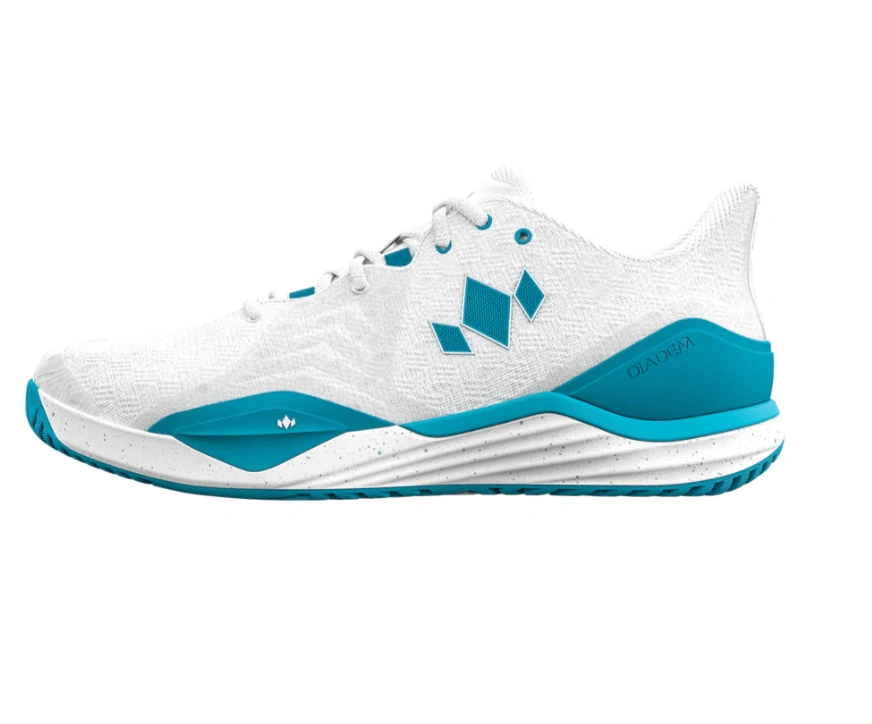
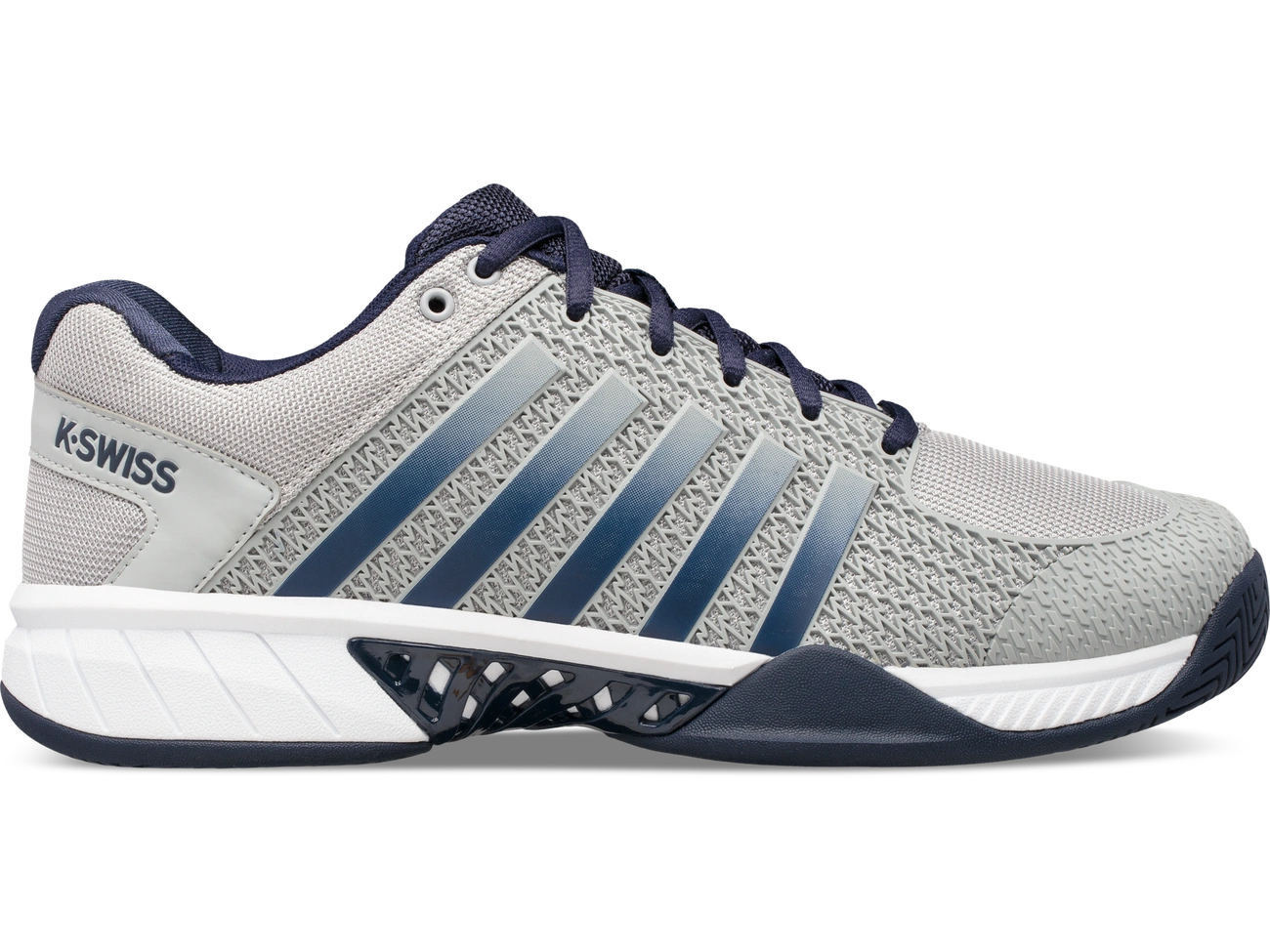
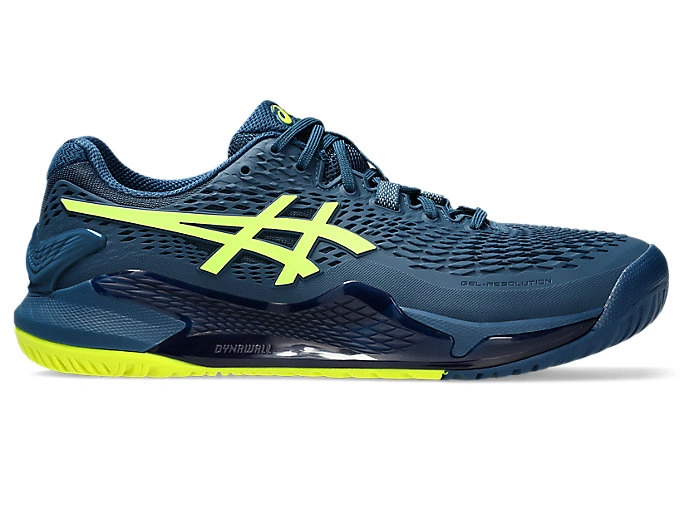
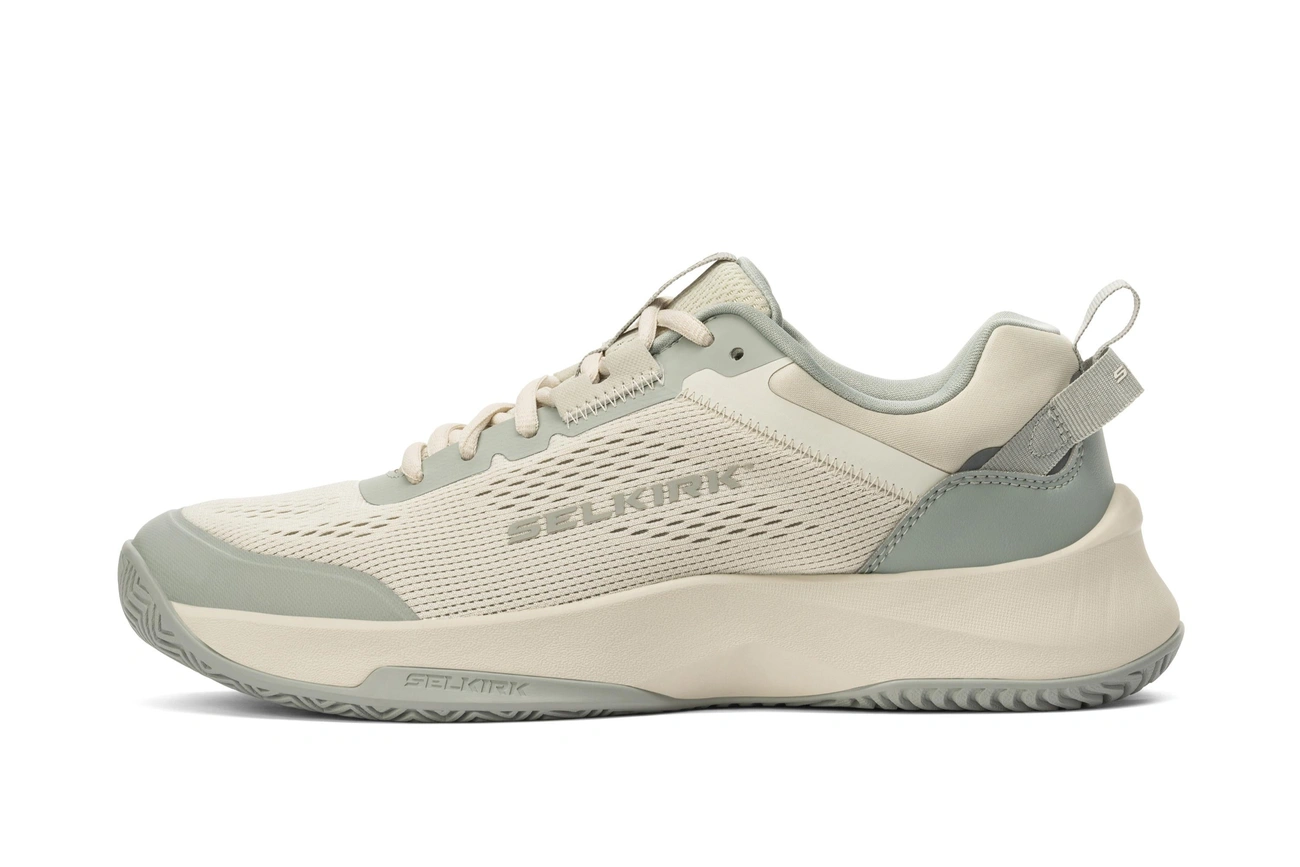
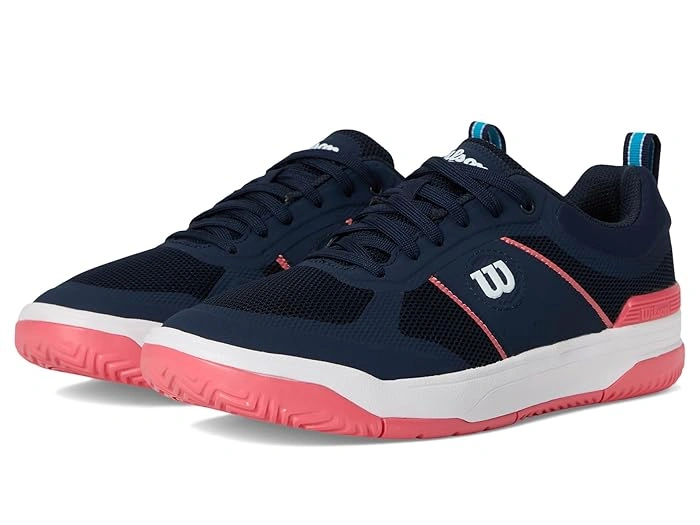
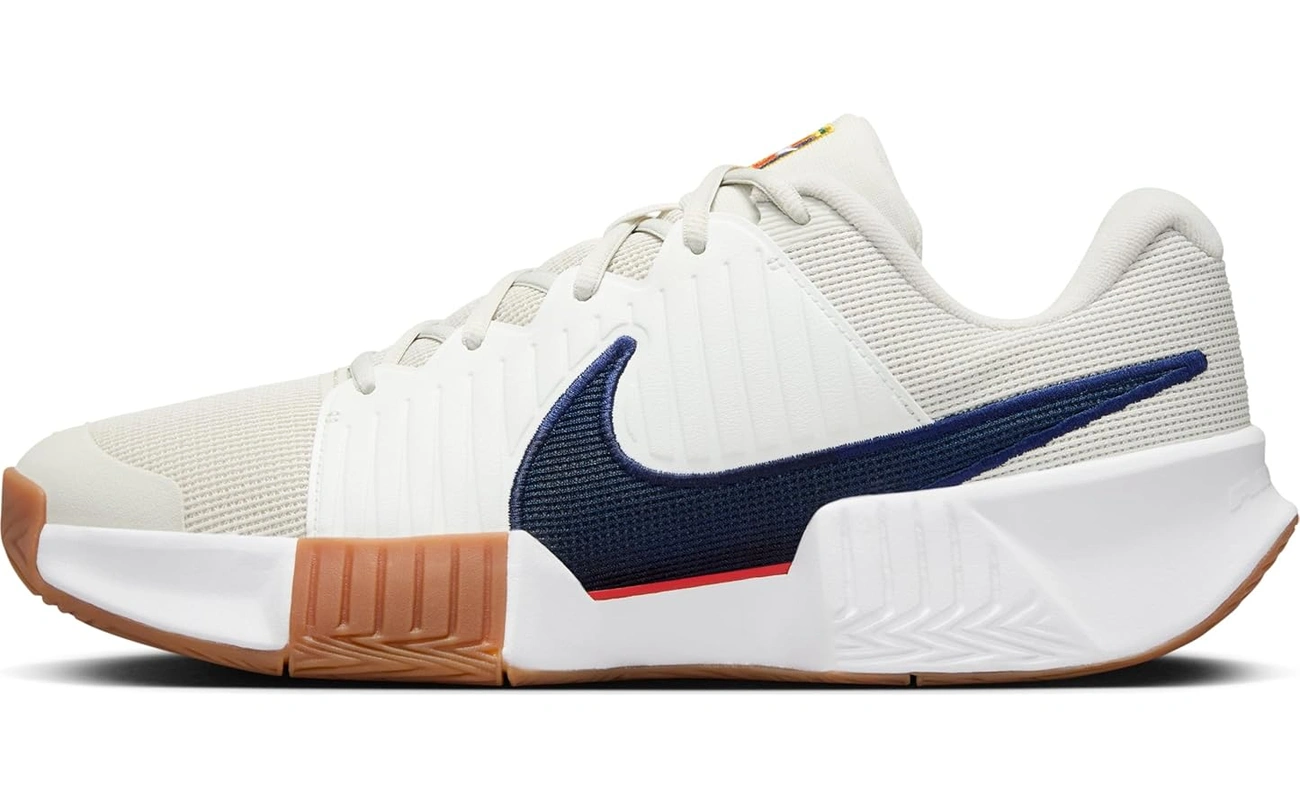
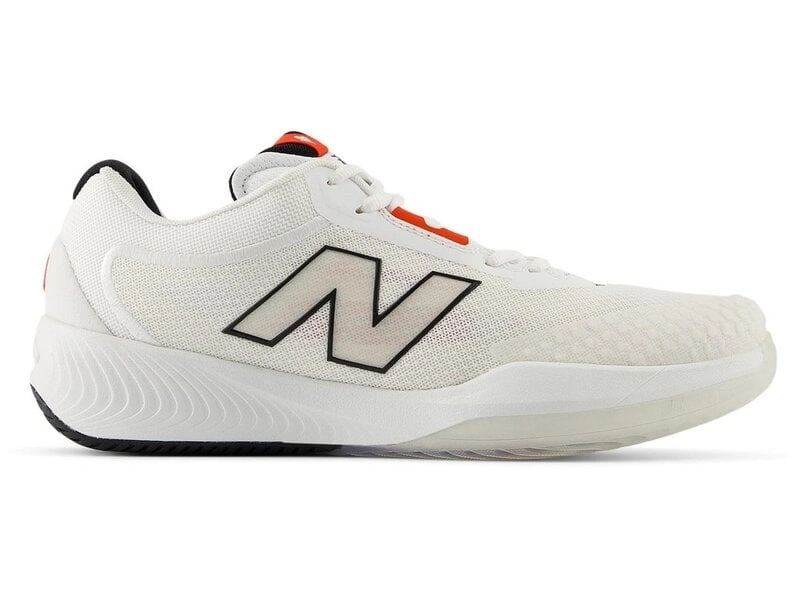
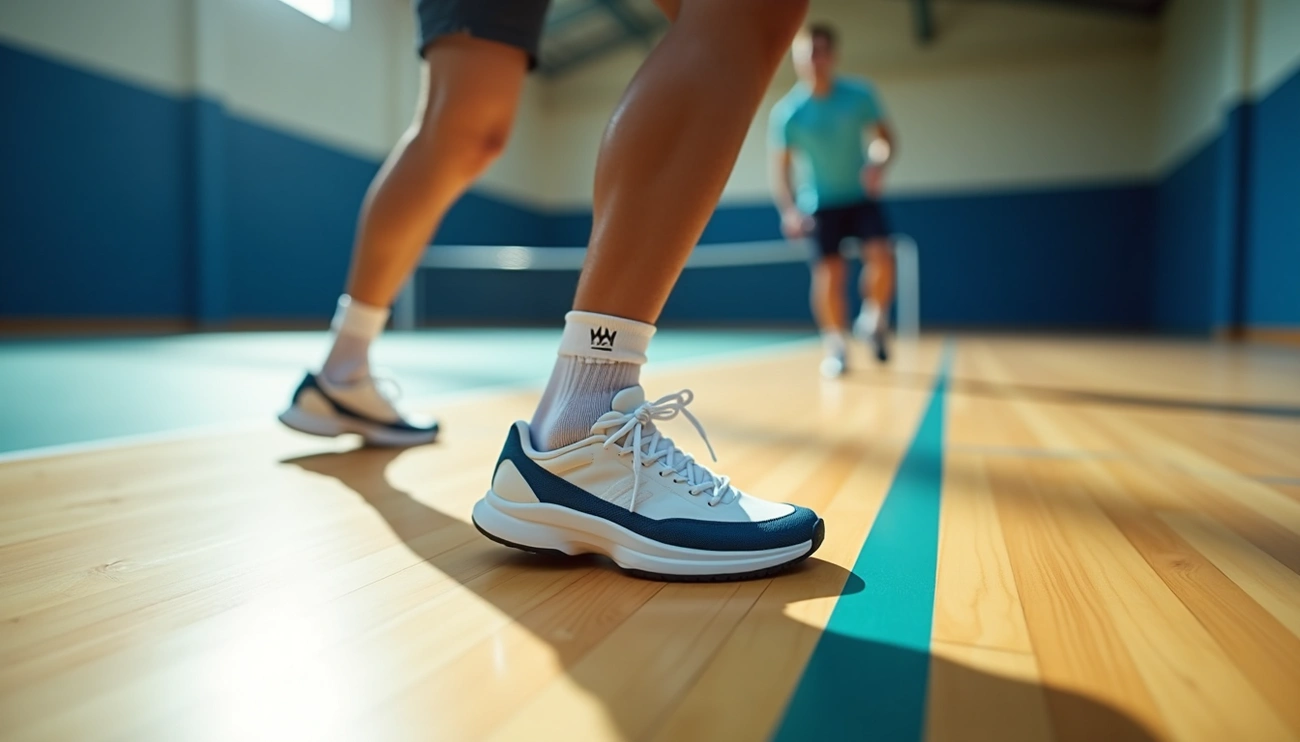
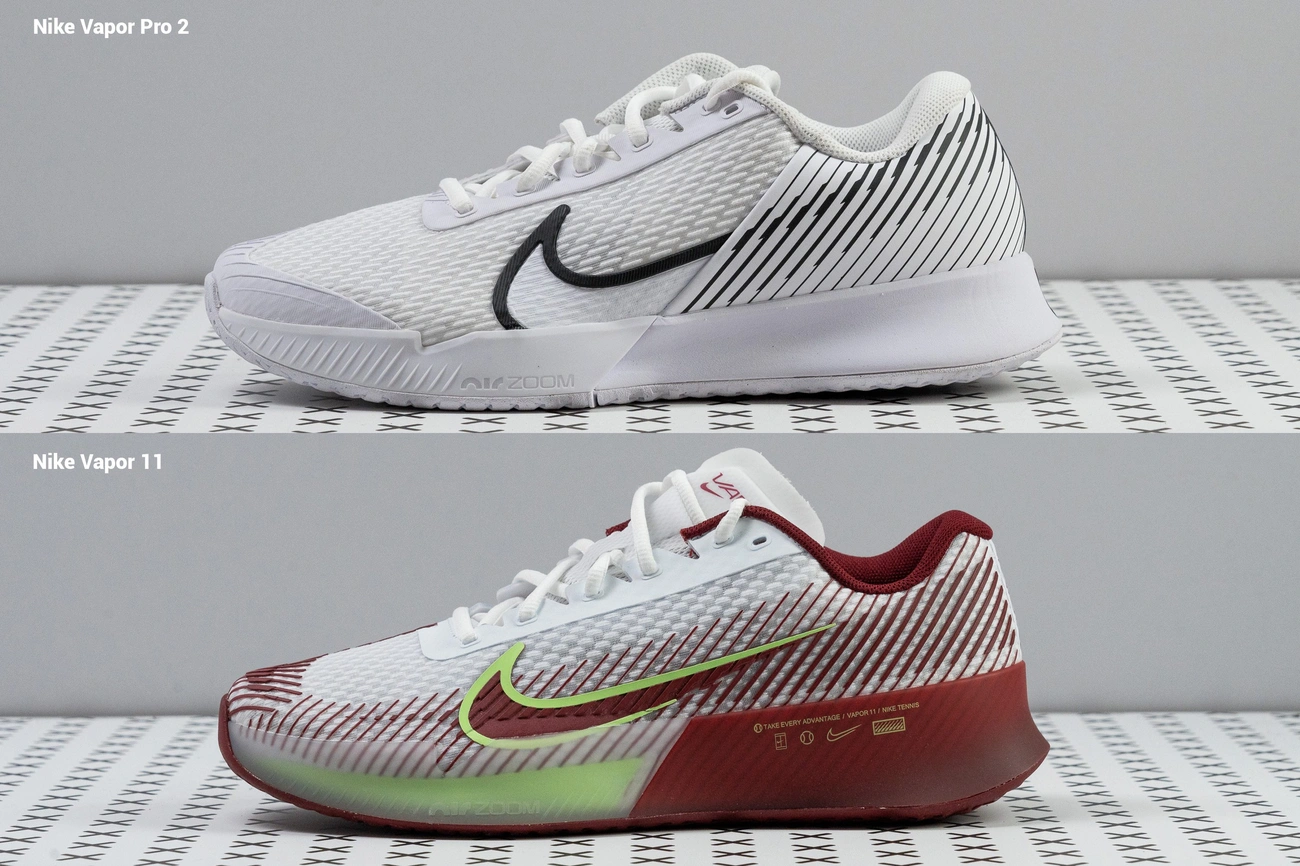
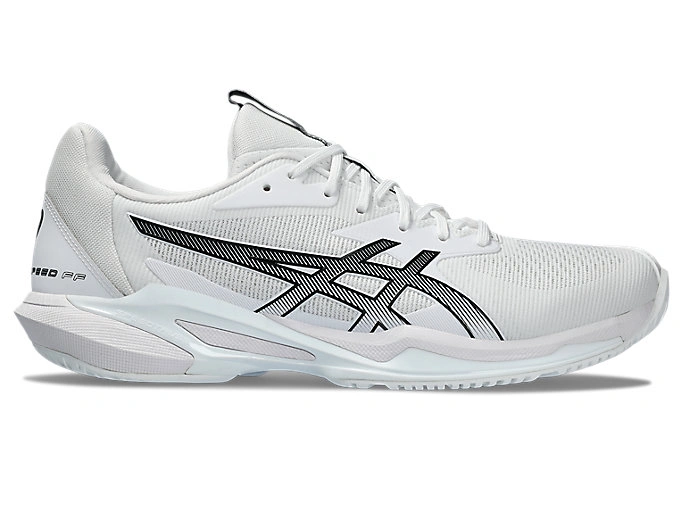
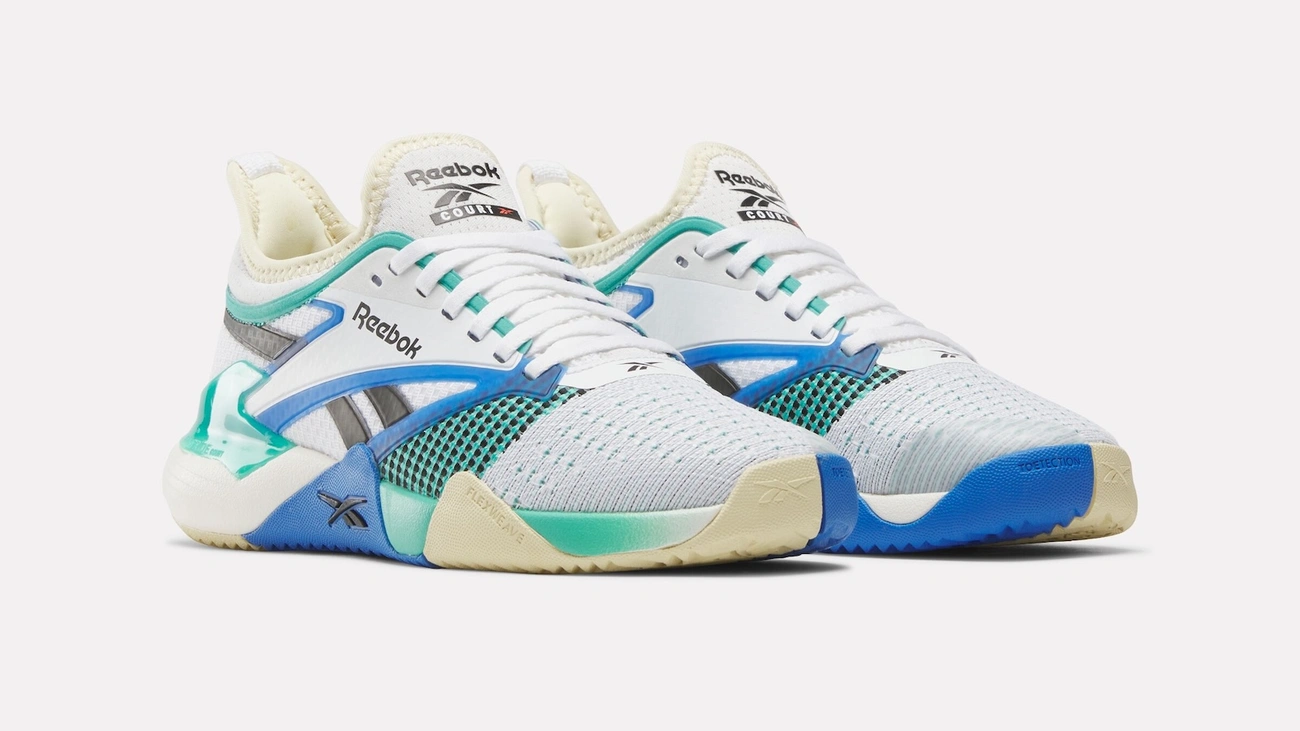
Court shoe design gallery
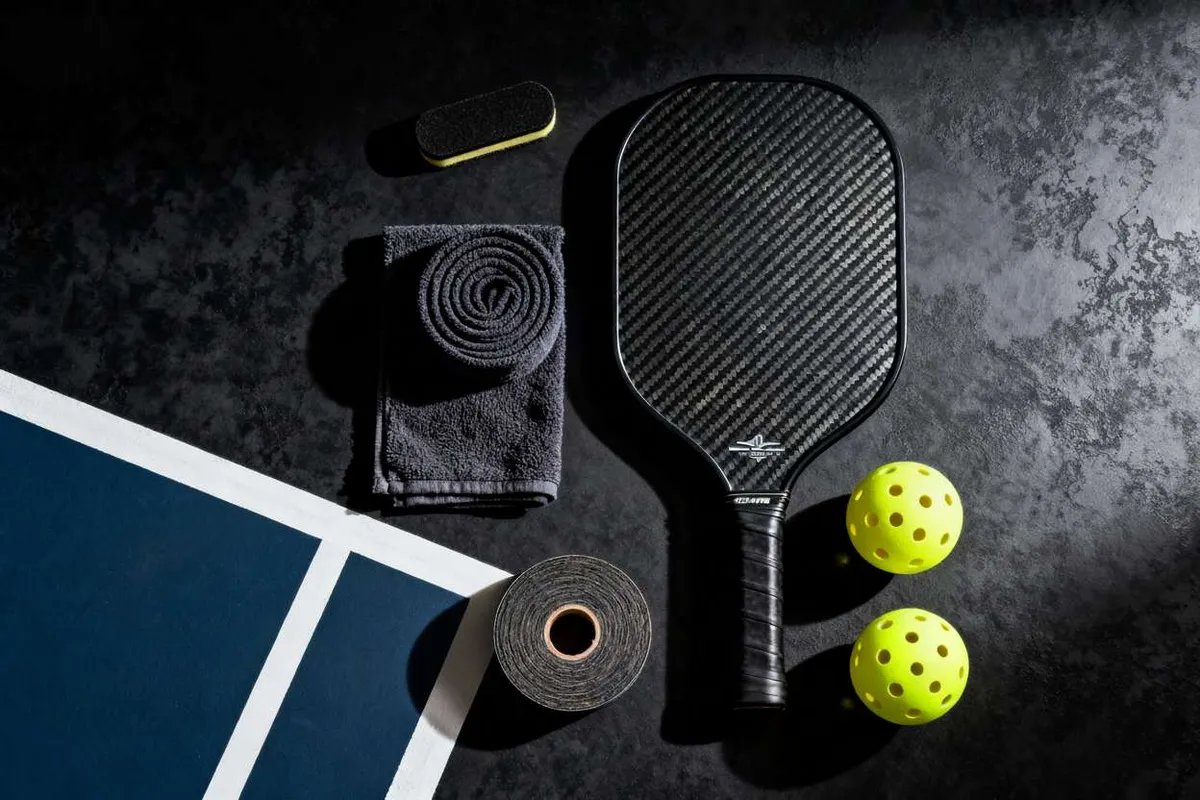
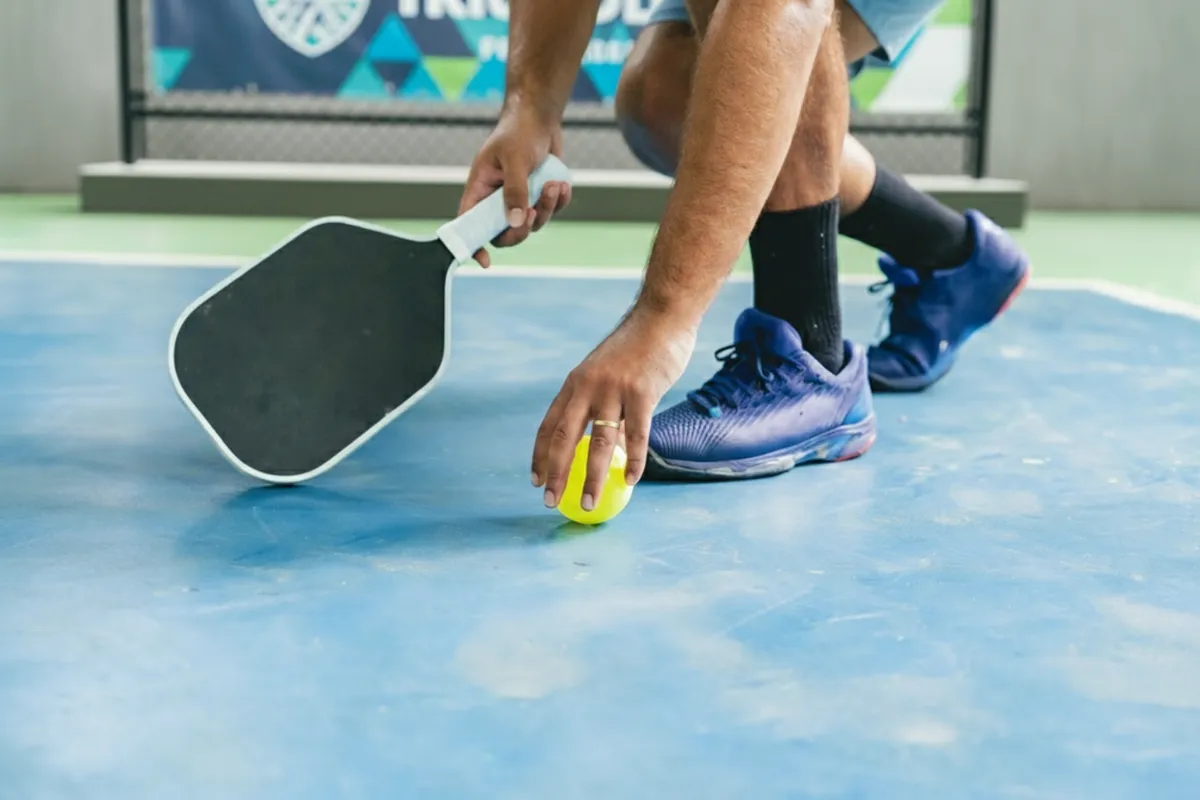
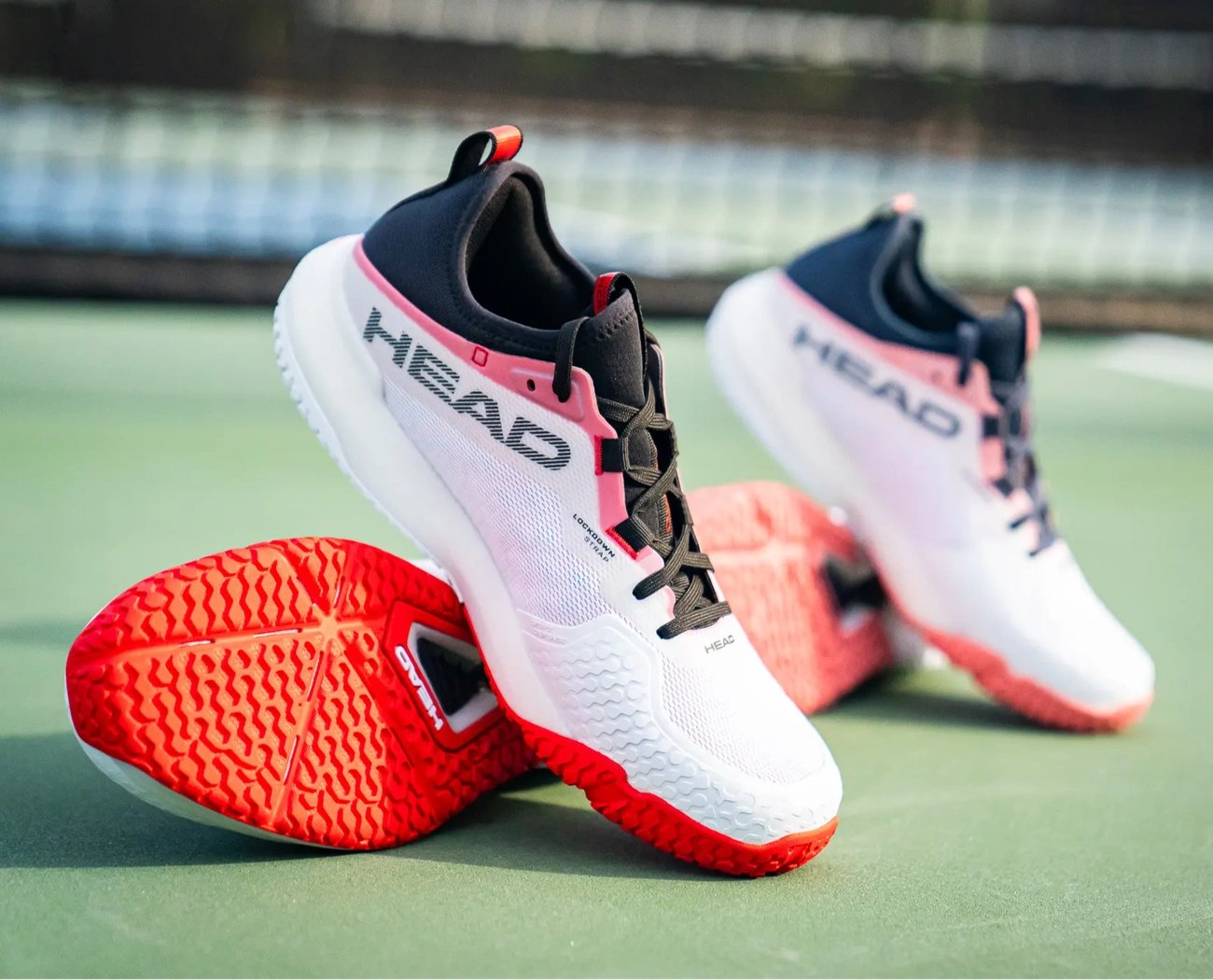
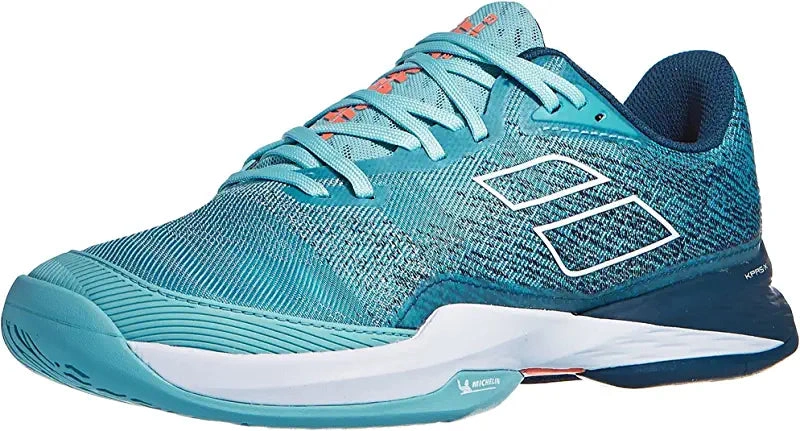
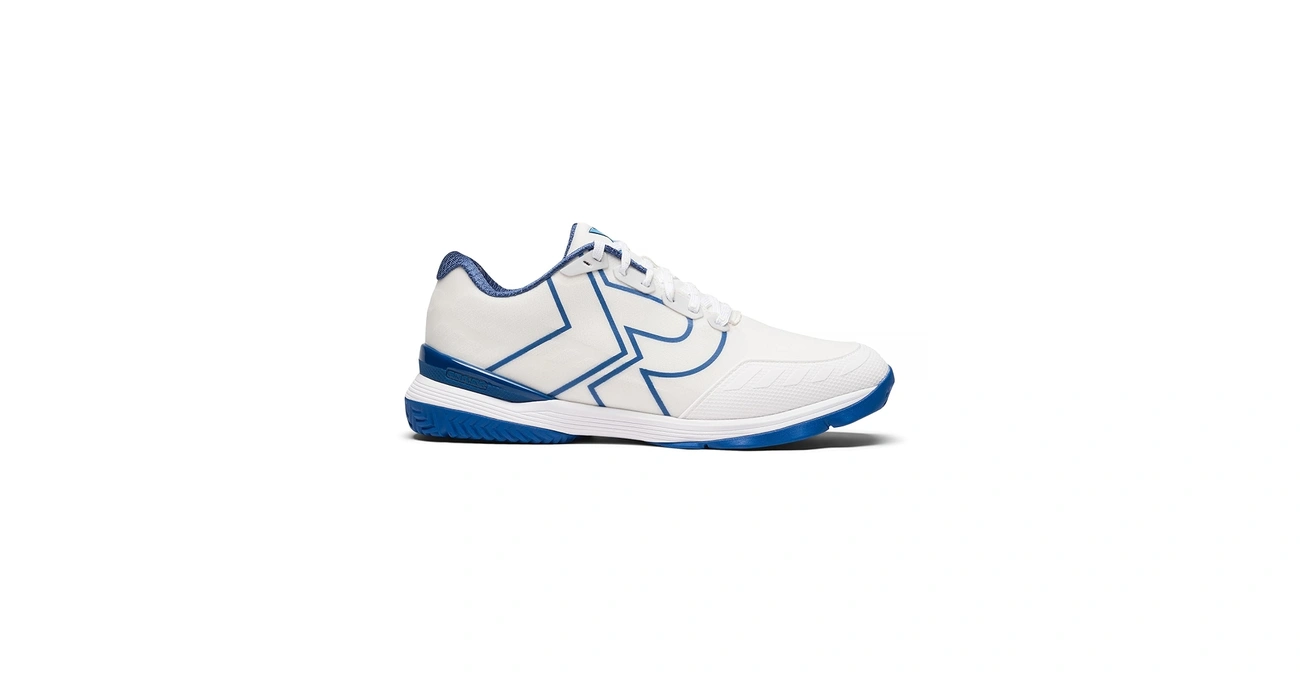
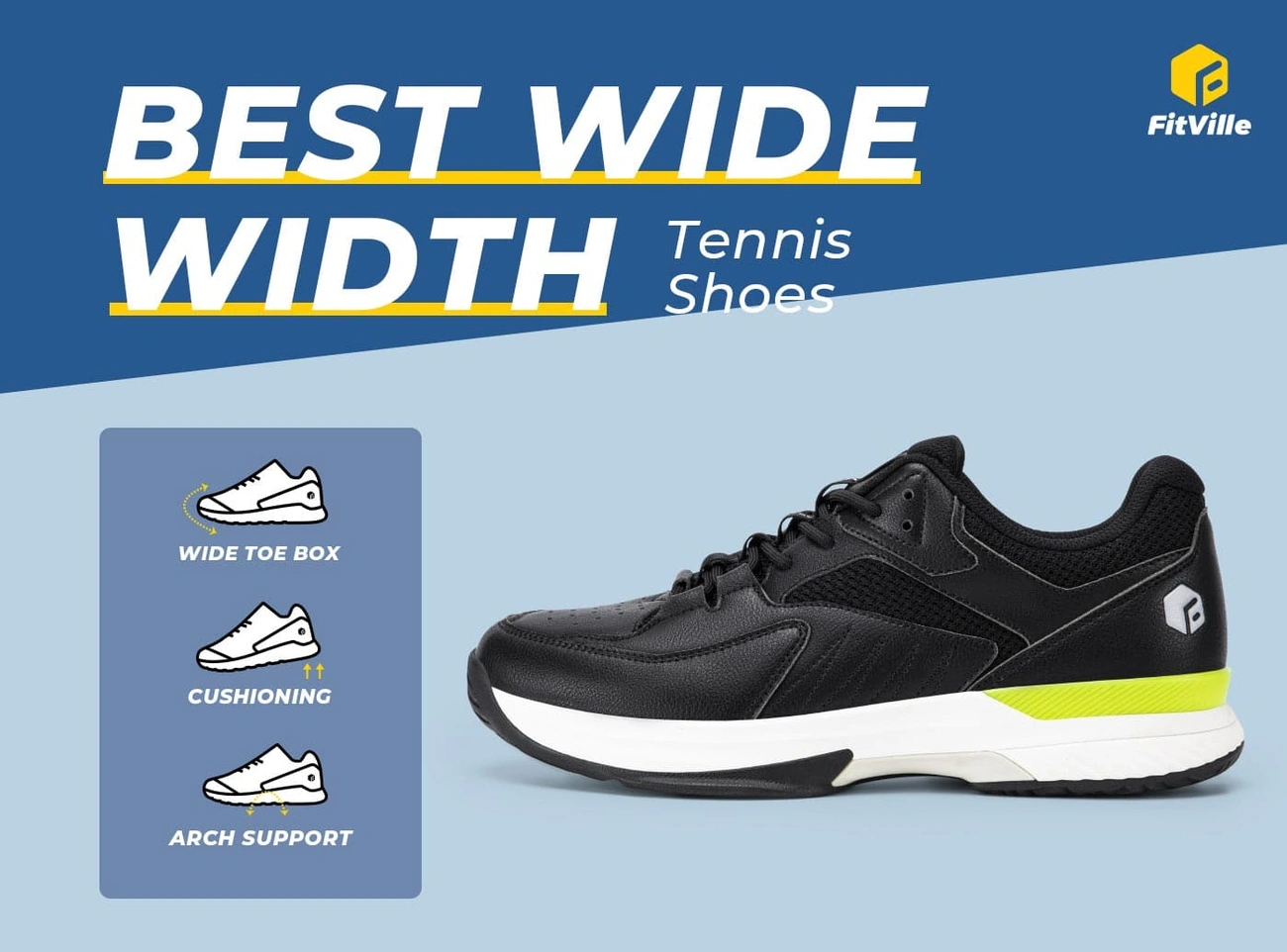
Visual examples of equipment and court settings. Images are illustrative; current specifications and fit should be checked with the maker or retailer.
Frequently asked questions
Can tennis shoes work for pickleball?
A tennis court shoe can be a suitable starting point when its surface designation and fit match your court. Check heel security and lateral movement rather than assuming a pickleball label guarantees a better fit.
Do expensive court shoes last longer?
Price alone cannot establish durability. Compare outsole coverage, warranty terms and your own wear history; avoid relying on a fixed replacement period advertised without evidence.
Should beginners buy a lightweight or stable shoe?
Start with secure, comfortable movement. Compare models in person if possible and choose the weight you can move in comfortably without sacrificing heel hold or fit.