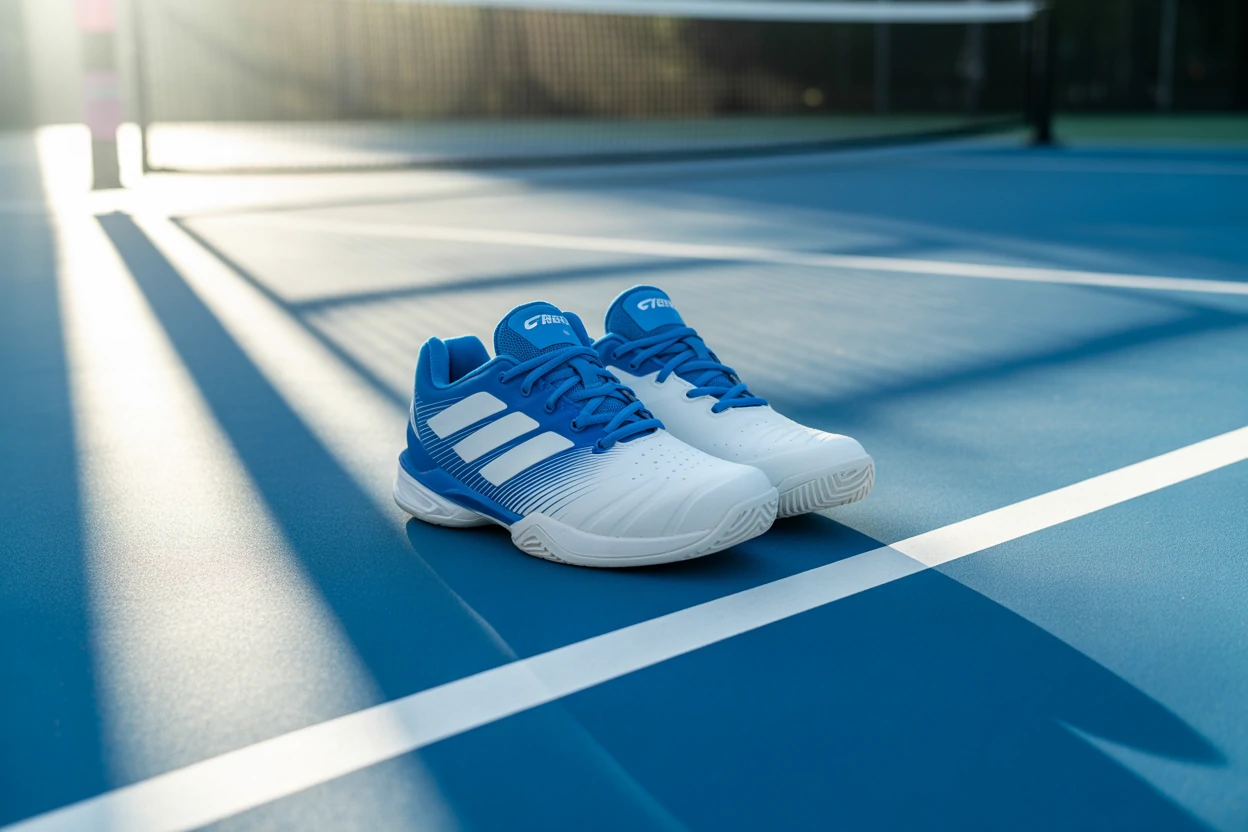
A shoe can have plenty of cushioning and still pinch your toes, let your heel move or feel unstable when you stop. Comfortable pickleball shoes depend on the whole fit: length, width, interior volume, the shape of the heel and the socks or inserts you wear.
This guide focuses on comfort during extended play and on finding roomier options. Use the court-shoe buying guide to match your playing surface first. If a shoe does not belong on your court, extra softness will not solve that mismatch.
Separate length, width and volume
Length is the distance from heel to toe; width is the room across the foot; volume is the space above and around it. Increasing the size may add unwanted length without solving pressure at the forefoot or instep. A wide version, a different last or a deeper upper may suit you better than automatically sizing up.
Compare the fit on both feet. Leave room for normal toe movement while keeping the heel secure. Check that the widest part of your foot sits comfortably in the shoe's forefoot. Feet vary, and an online “wide toe box” description does not tell you whether the heel and instep will work for you.
A comfort test that goes beyond standing still
- Put on your usual court socks, and fit any prescribed insert exactly as instructed.
- Lace the shoe normally. Look for pressure across the top of the foot before tightening further.
- Walk, bend the knee gently and make small sideways steps on a clean surface allowed by the retailer.
- Pause in a ready position. Notice whether the heel lifts or your toes try to grip inside the shoe.
- Recheck after several minutes: persistent rubbing, pinching and numbness are reasons to reject the fit.
Do not expect a painful shoe to become a good fit after aggressive break-in. Some materials soften with use, but pressure from the wrong shape or size may remain. Keep the shoes clean while evaluating them so that a return remains possible.
Cushioning should work with a secure base
Softness and stability are different qualities. Compare how the shoe feels on a controlled sideways step, not just when you press your thumb into its midsole. If the softest candidate lets your foot slide or tips uncomfortably, try a different construction.
After a longer session, discomfort may also reflect fatigue, the court surface or playing volume. Avoid assigning every symptom to the shoe. Record where discomfort occurs and when it begins; that information is more useful to a clinician or fitter than simply saying the shoes are “bad.”
Socks and inserts change the available space
Thicker socks take up room. An additional insert can raise the foot inside the heel and reduce toe-box depth. Check whether the stock insole can be removed, and follow professional guidance for any orthosis. Stacking insoles to add cushioning may make the fit tighter instead.
Use the same setup during the comparison. Otherwise, a difference attributed to the shoe may actually come from a sock seam or insert. Bring both shoes and the accessories you expect to use if you visit a specialist fitter.
Shop wide options carefully
| Listing claim | Question to ask |
|---|---|
| Available in wide | Is this a separate width designation in this exact model and size? |
| Roomy toe box | Does the maker provide a fit guide, and can I try the pair indoors? |
| Orthotic friendly | Is the insole removable, and is there sufficient heel and instep volume? |
| All-day comfort | What construction or fitting details support that claim? |
A brand's fit reputation does not apply equally to every version. Compare the current product listing and retailer policy. For a fuller online-order process, see how to measure and order court shoes.
Plan the session as well as the purchase
A comfortable pair does not make unlimited court time appropriate. Start with a playing duration you tolerate, take breaks and inspect the foot after the session for hot spots. Keep socks and shoes dry between outings and check for rough seams or damaged lining that could cause rubbing.
If foot pain changes your walking pattern, persists between sessions or is accompanied by swelling or numbness, get an individual assessment. Shoes are not a treatment for plantar fasciitis, arthritis or another diagnosis simply because a retailer places those terms in the product name.
The APMA's sports-footwear guidance supports selecting footwear for the activity and getting the feet properly measured. Use that as a starting point, then judge comfort with your own fit checks rather than a promised pain-free result.
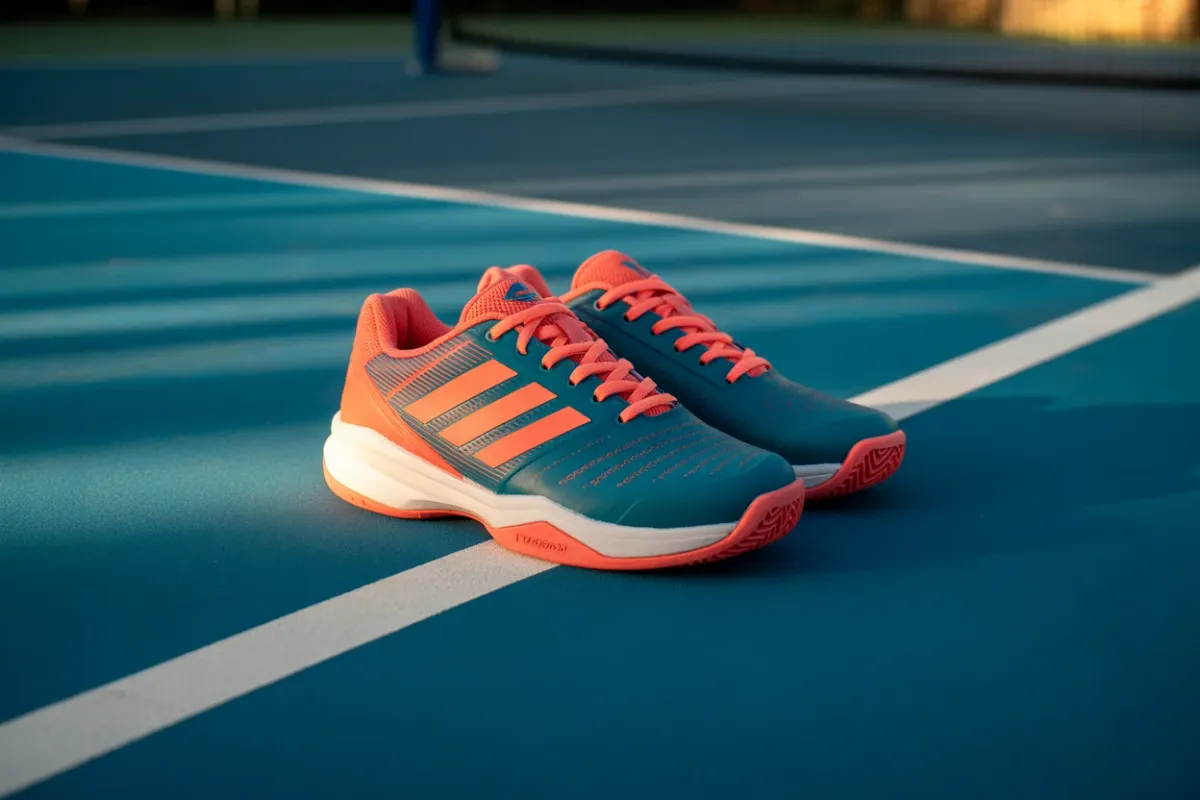
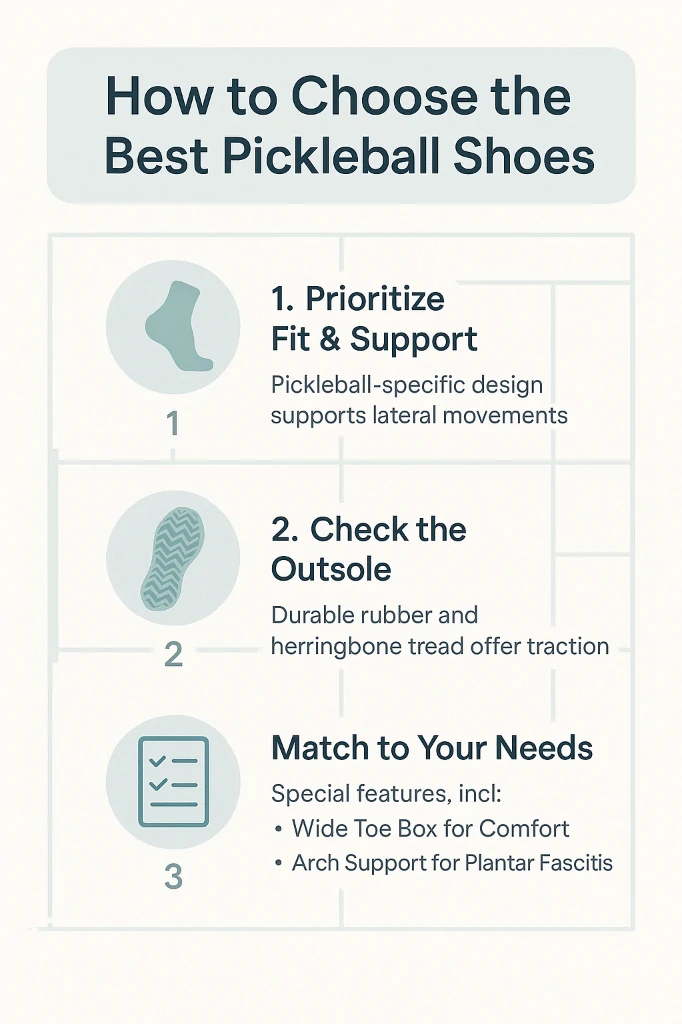
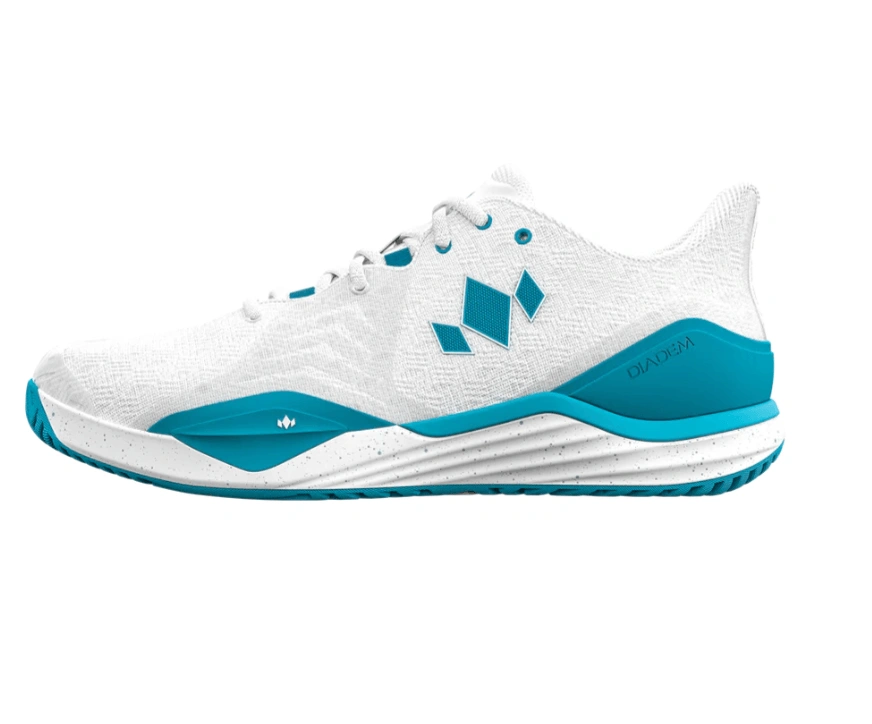
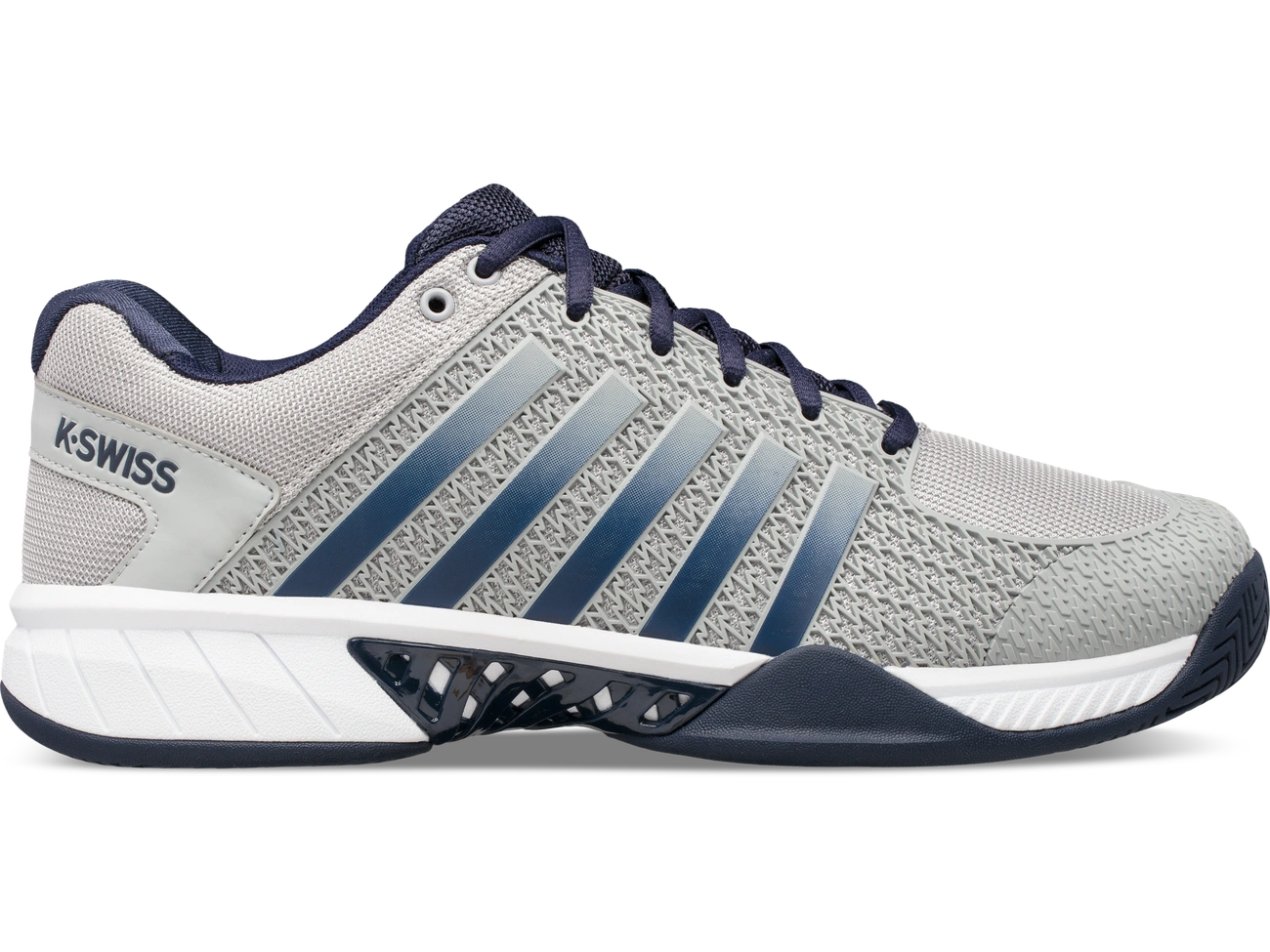
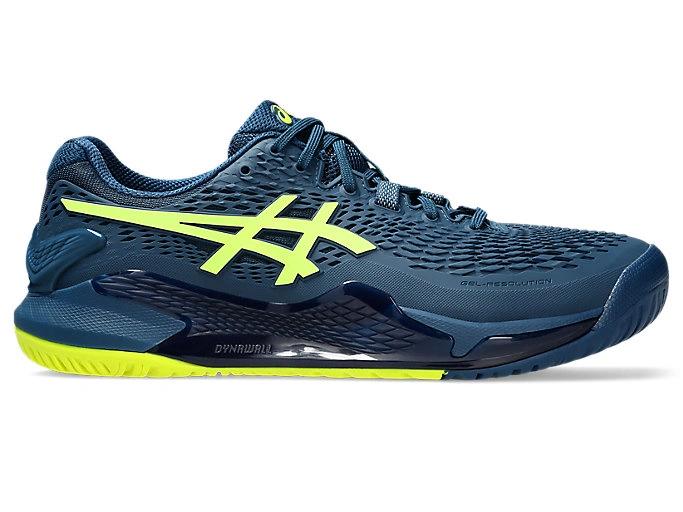
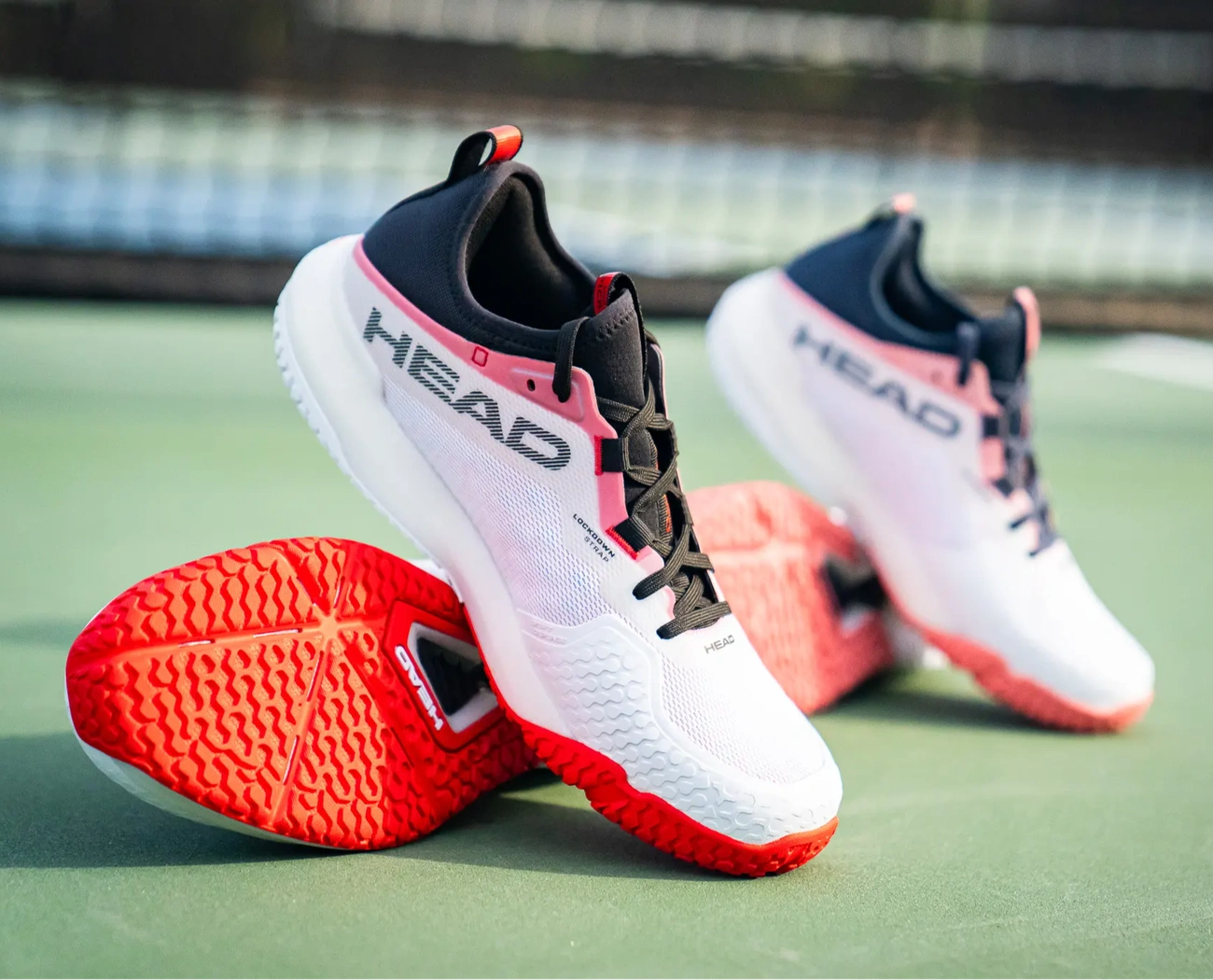
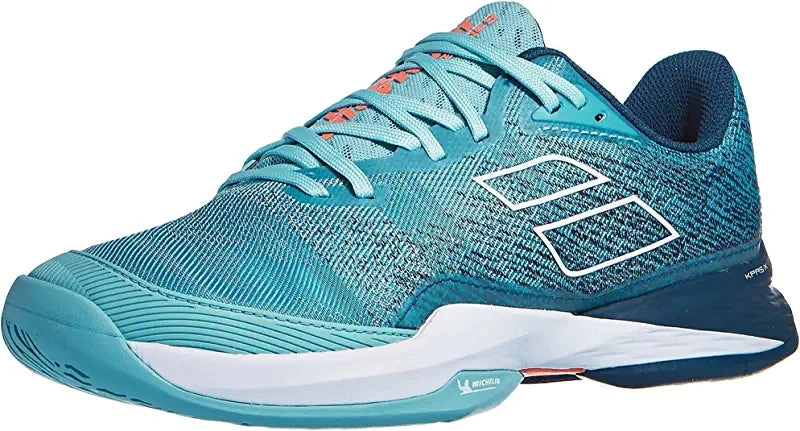
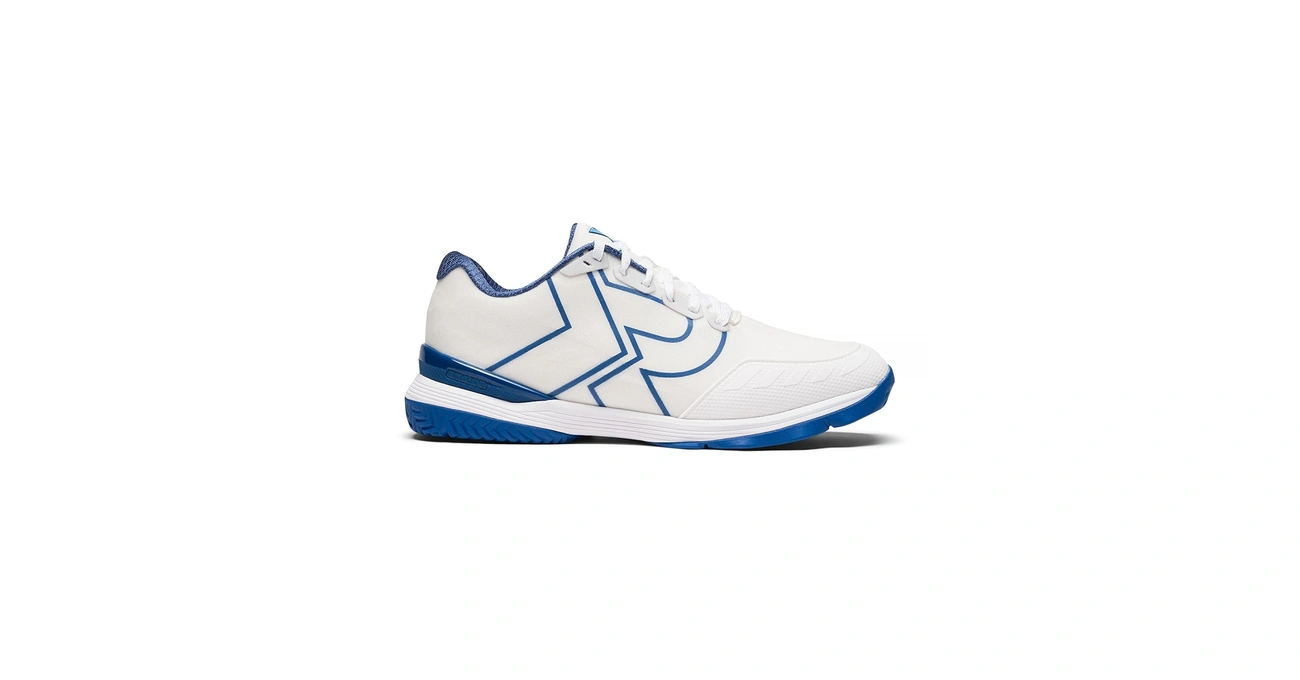
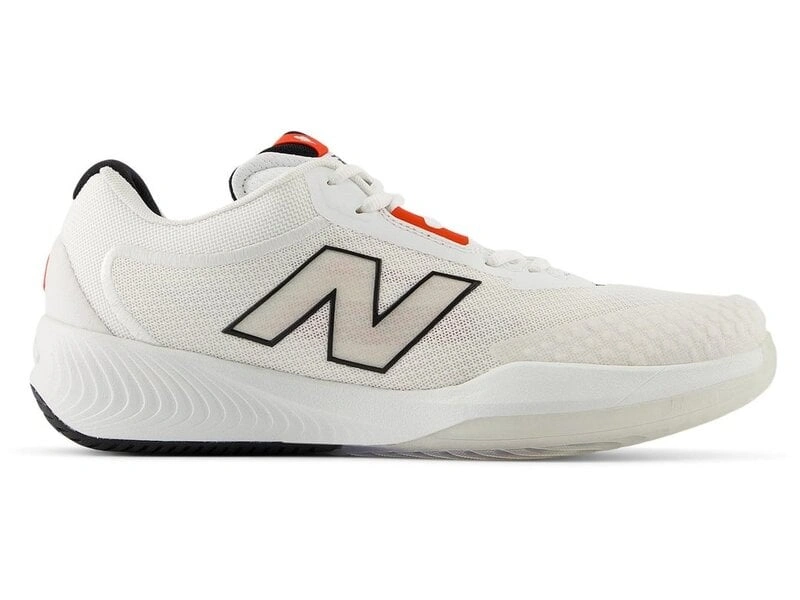
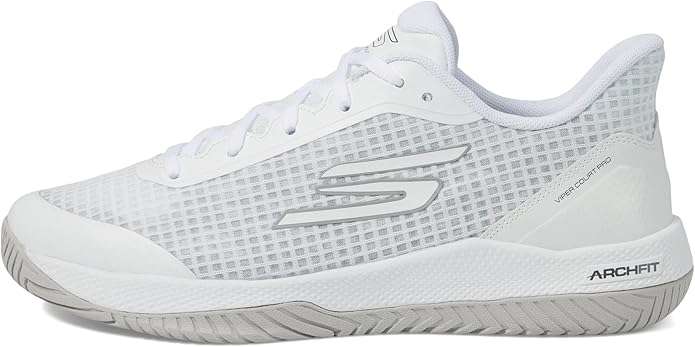
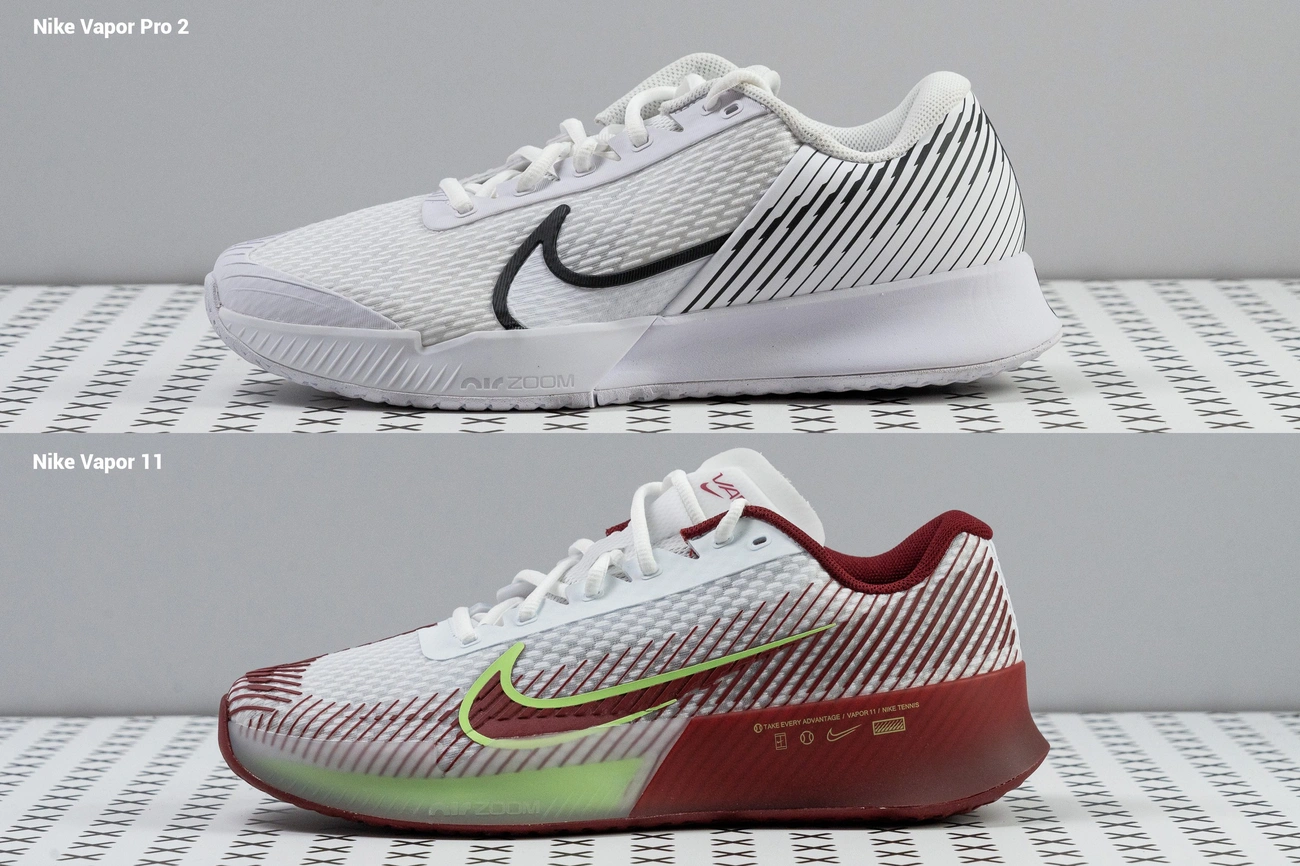
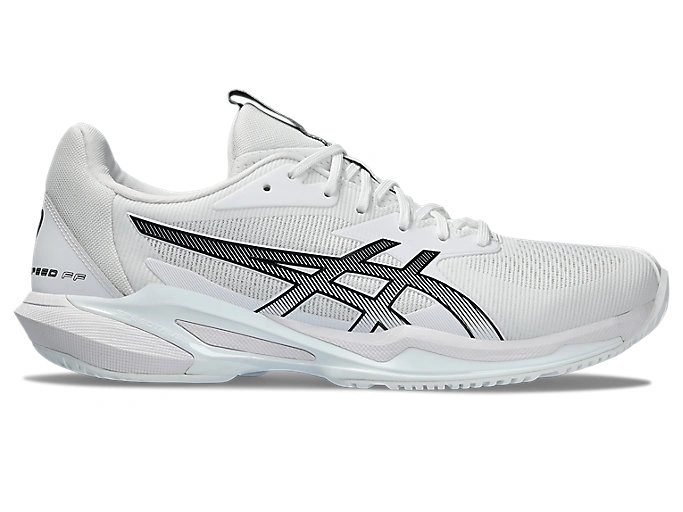
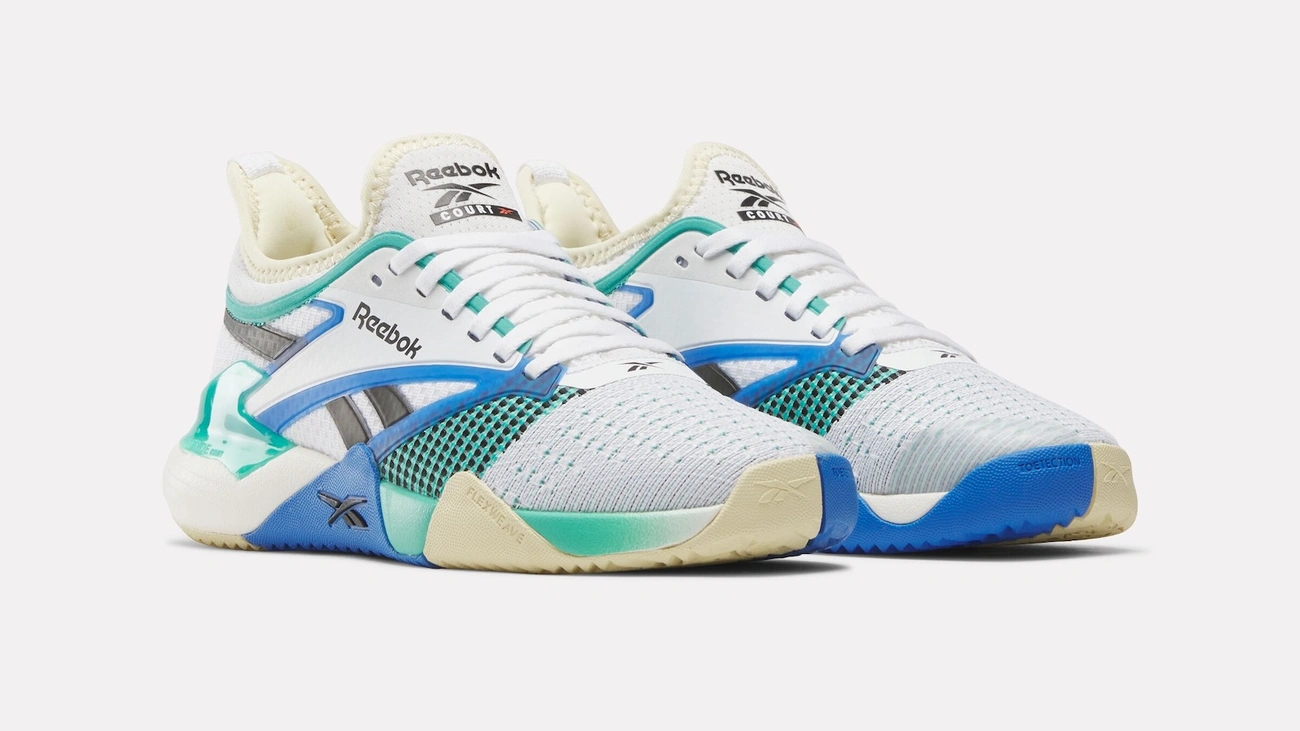
Footwear shape and construction gallery
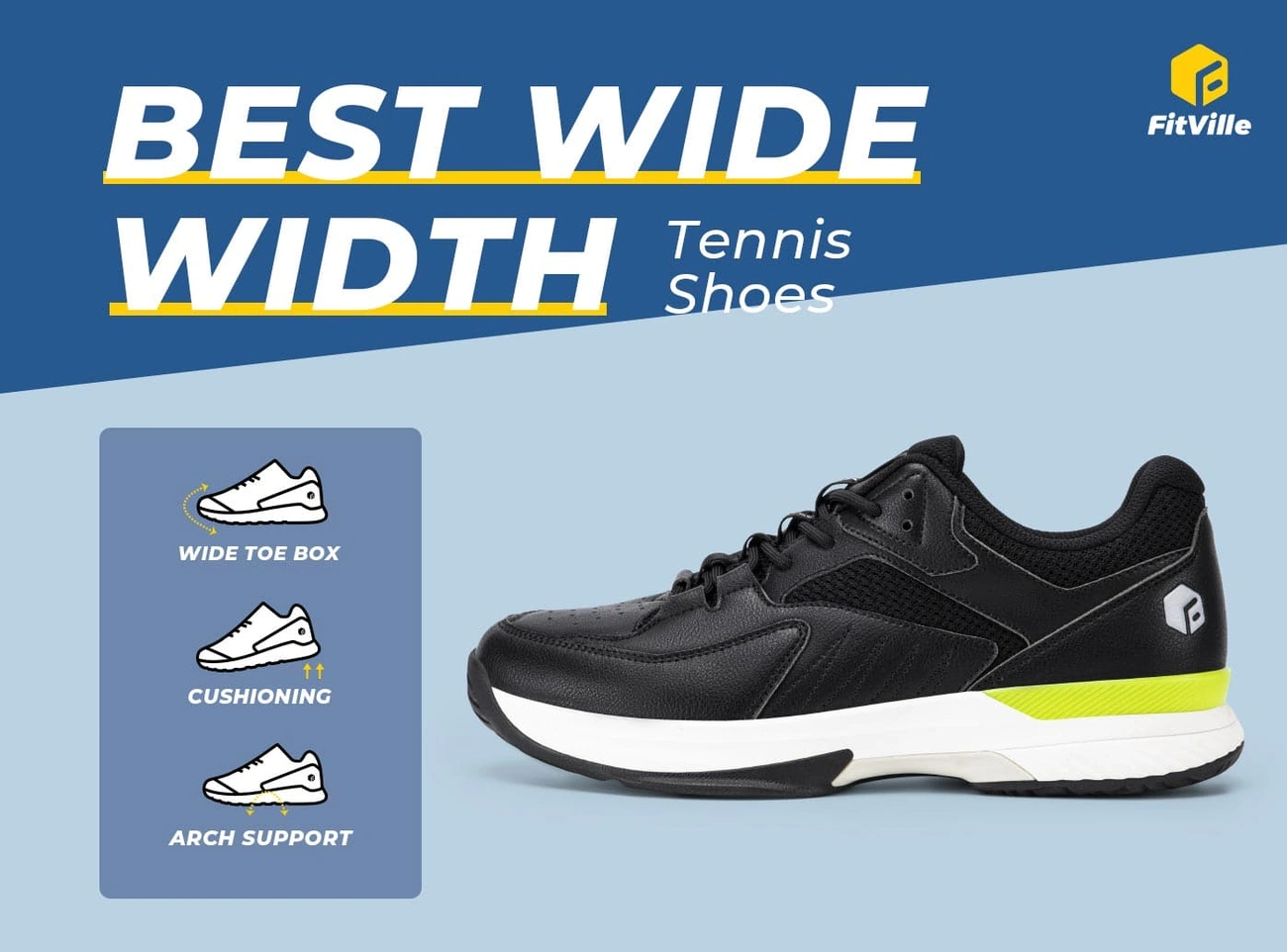
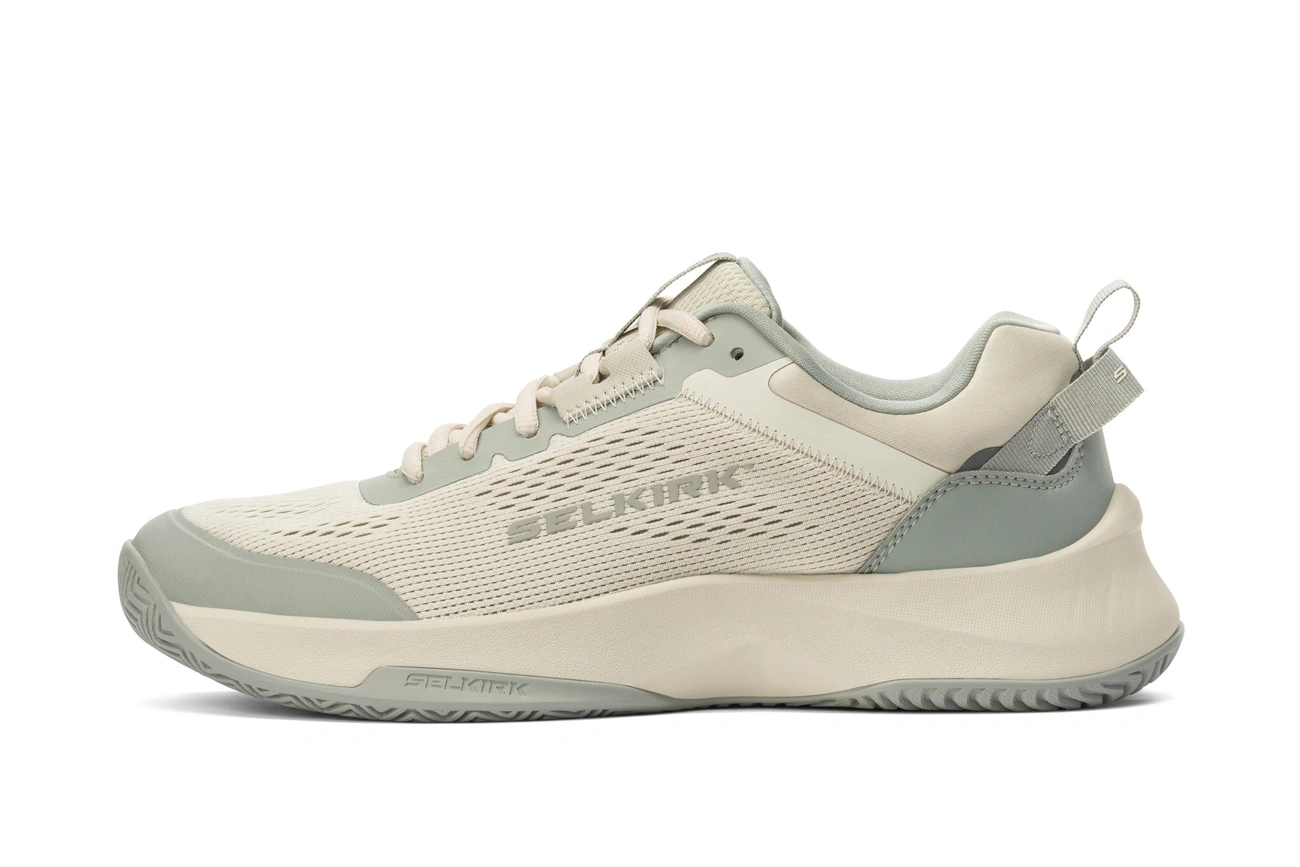
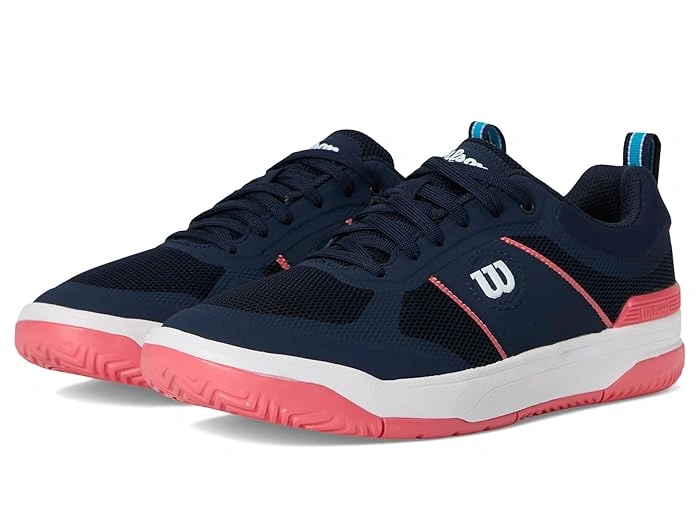
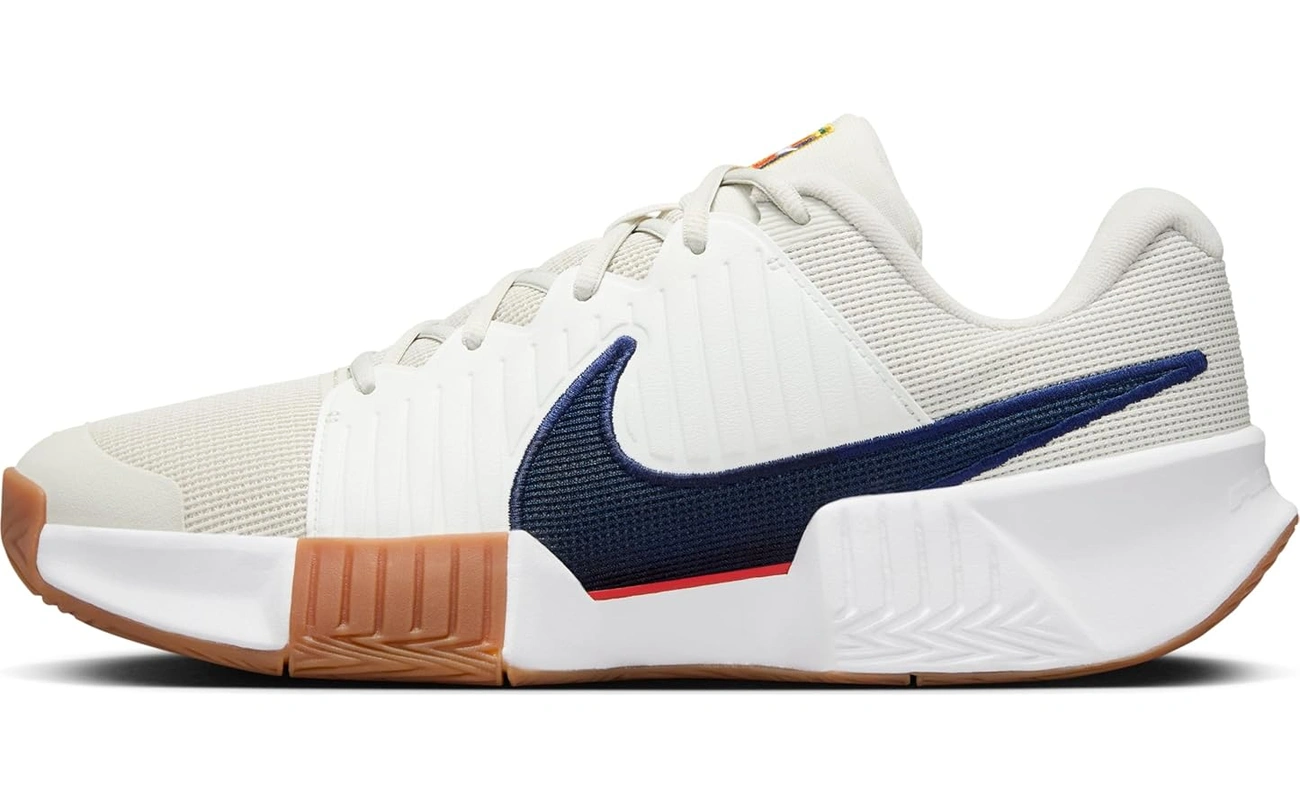
Visual examples of equipment and court settings. Images are illustrative; current specifications and fit should be checked with the maker or retailer.
Frequently asked questions
Should I size up to get a wider pickleball shoe?
Not automatically. A larger size may create extra length and heel slip while leaving pressure elsewhere. Compare a dedicated wide option or a different shoe shape, and test both feet.
Is the softest court shoe the most comfortable?
Not for everyone. Comfort also depends on secure heel hold, toe space and lateral movement. Compare softness together with how the shoe behaves when you stop and move sideways.
Can a shoe cure plantar fasciitis?
A shoe listing cannot establish that it will treat a medical condition. Persistent heel or foot pain needs an individual assessment; ask the clinician about footwear and inserts suitable for your situation.