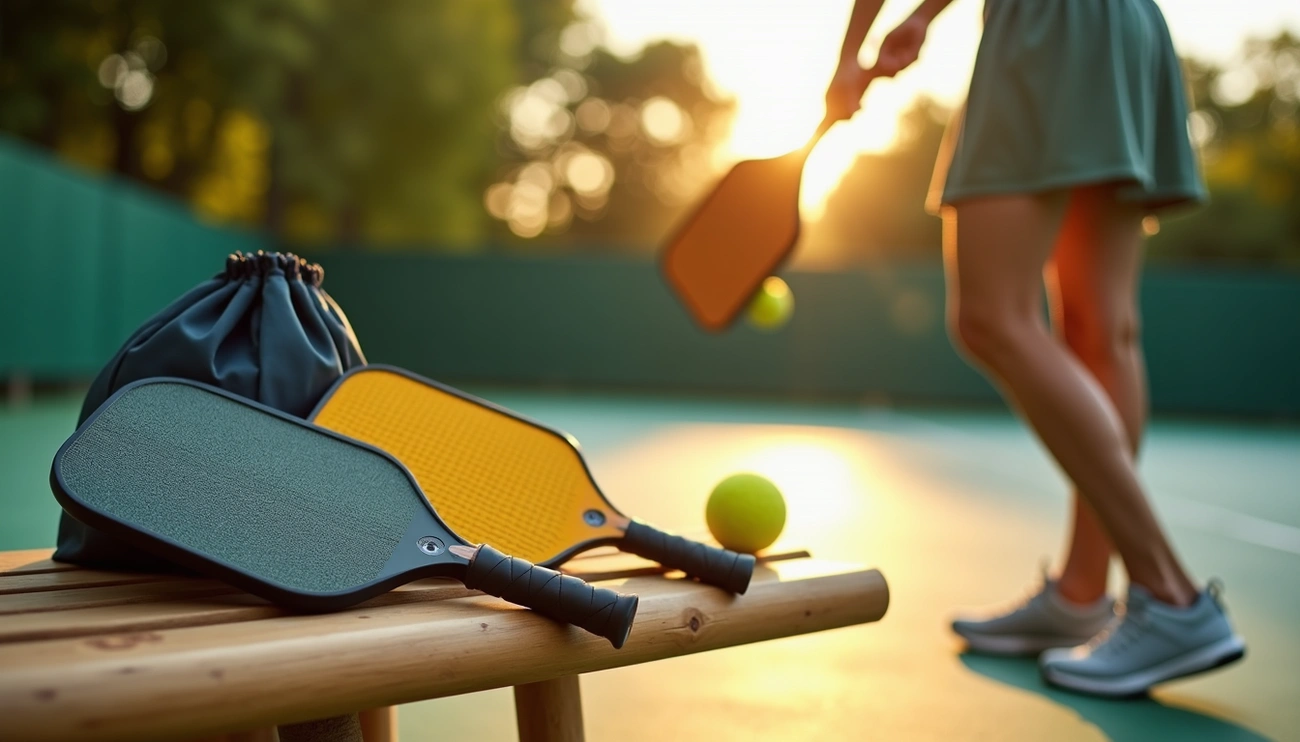
“Eco-friendly” is a broad label. It does not tell you which part of a paddle, bag or garment has changed, what evidence supports the claim or what happens when the item wears out. A useful buying decision starts with those specific questions.
This guide evaluates purchases. If you already have gear that works, read the maintenance, reuse and disposal plan first. Keeping suitable equipment in service may remove the need for a new purchase altogether.
Ask whether you need another item
List the problem the purchase would solve. A bag with a failed zipper may need repair; a paddle with a worn grip may need an allowed replacement part; a beginner may be able to borrow equipment while learning what fits. Do not discard functional gear simply to own something with a green label.
Safety and suitability still matter. A damaged paddle, unusable shoe or garment that no longer fits its purpose is not improved by keeping it indefinitely. The goal is a useful service life, not continuing to use unsafe equipment.
Turn a broad claim into a specific question
The FTC's Green Guides caution against unqualified environmental benefit claims. Use that principle when reading a product listing: ask what exactly is improved and whether the maker explains the limits.
| Claim you see | Information to look for |
|---|---|
| Made with recycled materials | Which component, its share of recycled content and what the percentage refers to |
| Recyclable | A program accepting the finished product in your area |
| Plant-based material | The exact material and the portion of the product it replaces |
| Reduced packaging | The comparison used and the packaging actually supplied |
| Environmental certification | The named standard, current scope and issuing organization |
A claim about a shipping box does not describe the environmental impact of a paddle. Likewise, a recycled lining does not establish that the whole bag is recycled or recyclable. Keep the scope of the evidence aligned with the scope of the claim.
Evaluate paddles without assuming a material is sustainable
Compare handle fit, condition, event eligibility, warranty and permitted maintenance. A material name such as carbon fiber, wood or a plant-derived composite cannot establish the product's overall impact on its own. Manufacturing, useful life and disposal are separate questions.
Ask whether the maker offers repair, replacement grips or a take-back option, and what each program actually accepts. For competition, verify the exact model in the USA Pickleball approved paddle database and check your event rules. Environmental positioning does not replace equipment eligibility.
Check apparel and bags at the component level
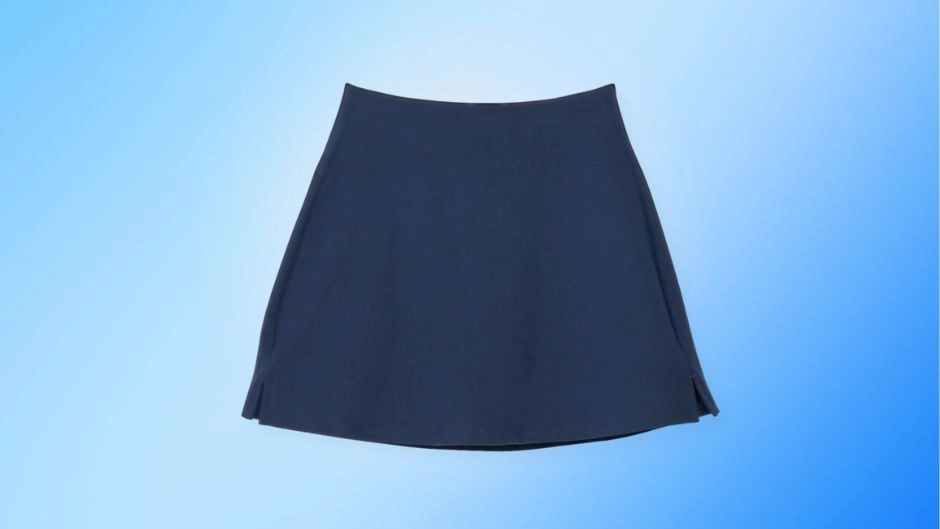
Read the fiber and care labels. Compare how the garment fits your movement and whether the maintenance requirements are realistic for you. A garment you do not wear is not a useful purchase merely because the fabric sounds responsible.
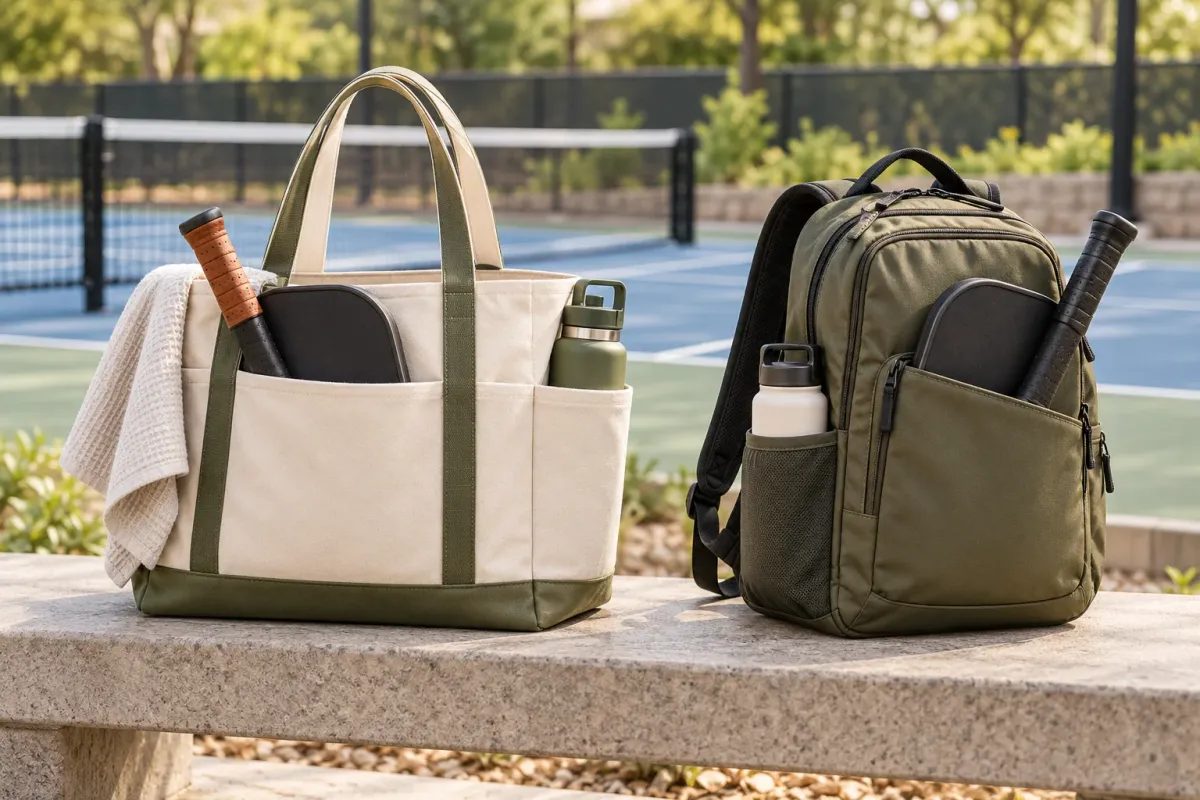
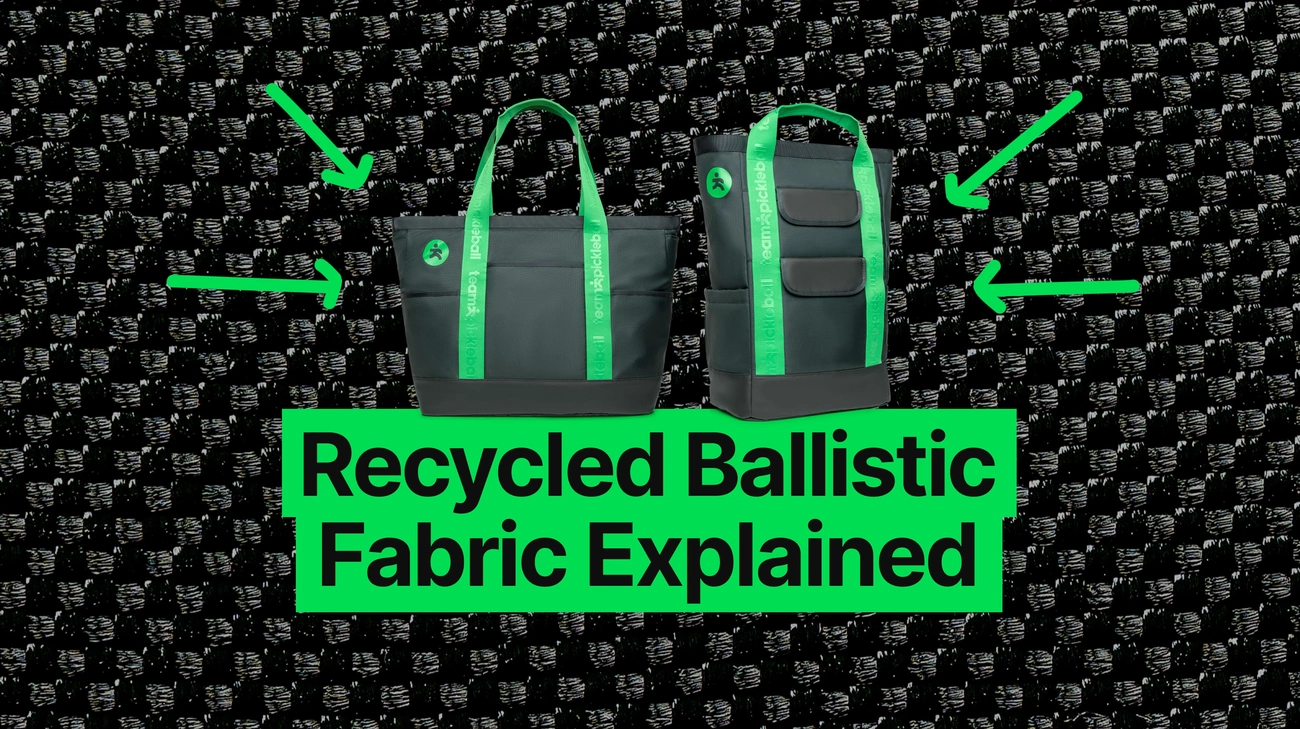
For bags, examine stitching, zipper access, replaceable straps and the maker's repair policy. If a seller promotes a recycled fabric, ask which part of the bag uses it. The durability of an entire product depends on more than its shell material.
Verify a disposal route before relying on recyclability
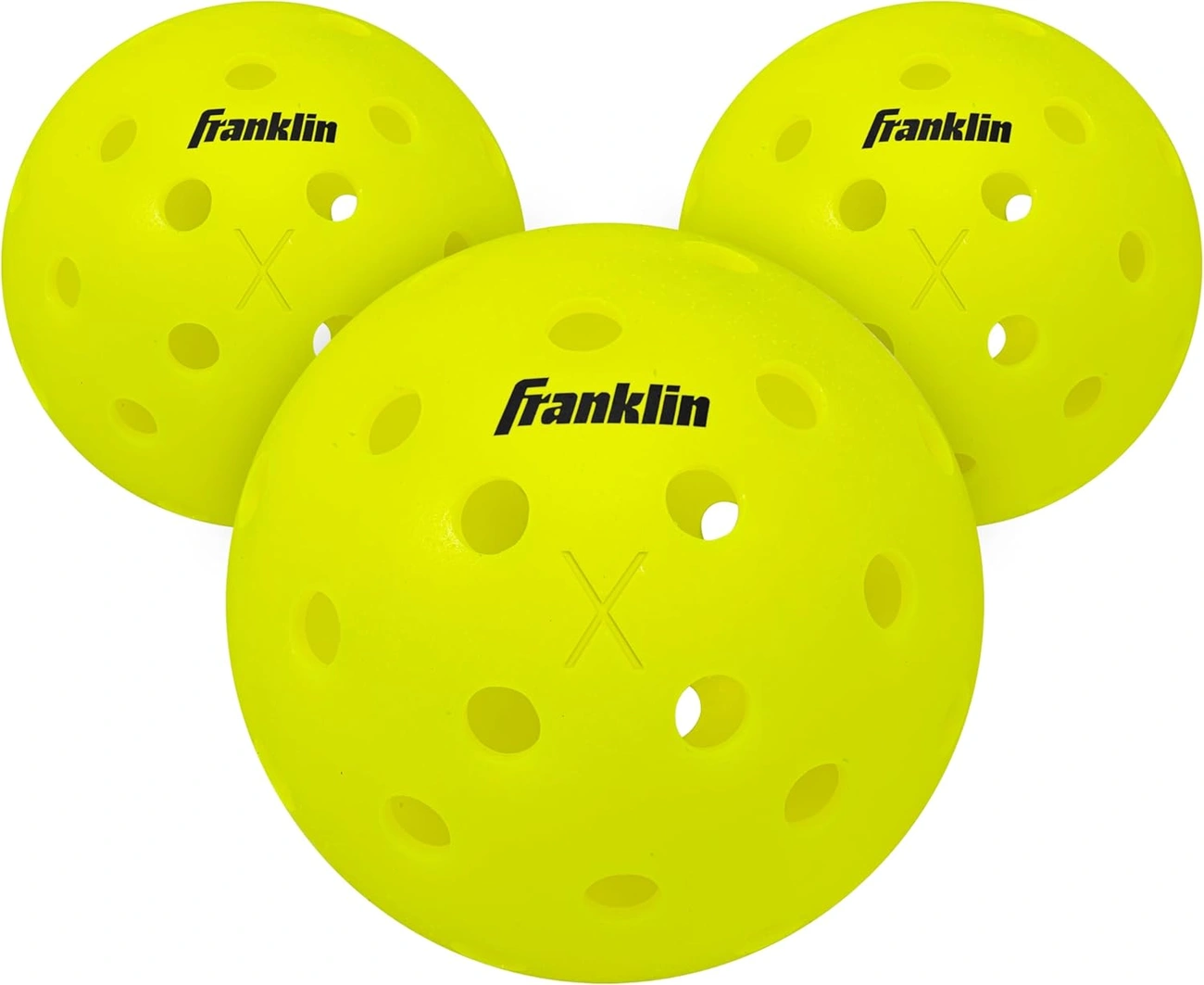
Check local collection rules for the finished item. A program accepting a type of plastic does not necessarily accept a perforated sports ball, and a curbside bin accepting bottles may reject composite paddles. Ask the collector or specialist program about the exact item and condition.
Do the same for take-back programs: confirm eligibility, shipping requirements and whether the program currently operates where you live. “Send it back” is incomplete advice without a destination and acceptance criteria.
Compare total ownership rather than a slogan
Include the purchase cost, likely maintenance, repair access and whether you can use the item for your intended purpose. Avoid assigning a precise environmental saving when you lack a product-specific comparison. Your decision worksheet can simply record what is documented, what is uncertain and why you need the item.
The EPA's purchasing guidance considers the product's full life cycle, including reuse and end-of-life management. Applied to sports gear, that means asking about the next repair or owner before treating disposal as someone else's problem.
A purchasing checklist you can use
- Identify the functional need and consider borrowing or repair.
- Check fit, safety and equipment rules.
- Read the exact environmental claim and its component scope.
- Find supporting information beyond an unexplained badge.
- Verify care, repair and any take-back process.
- Choose a product you expect to use, and keep the records needed for support.
You do not have to calculate a complete life-cycle assessment to ask better questions. Specific information, a suitable product and a realistic plan for keeping it useful are a stronger basis for the decision than a universal list of supposedly green winners.
Equipment materials and construction gallery
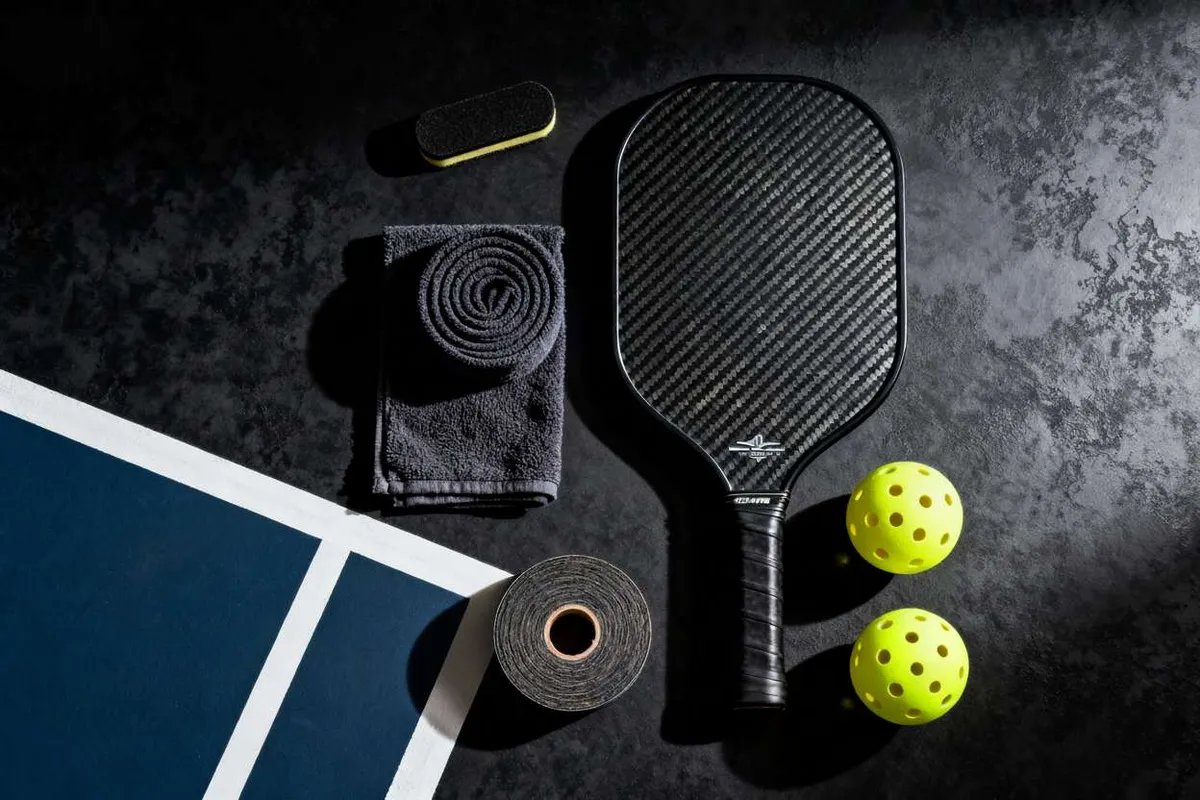
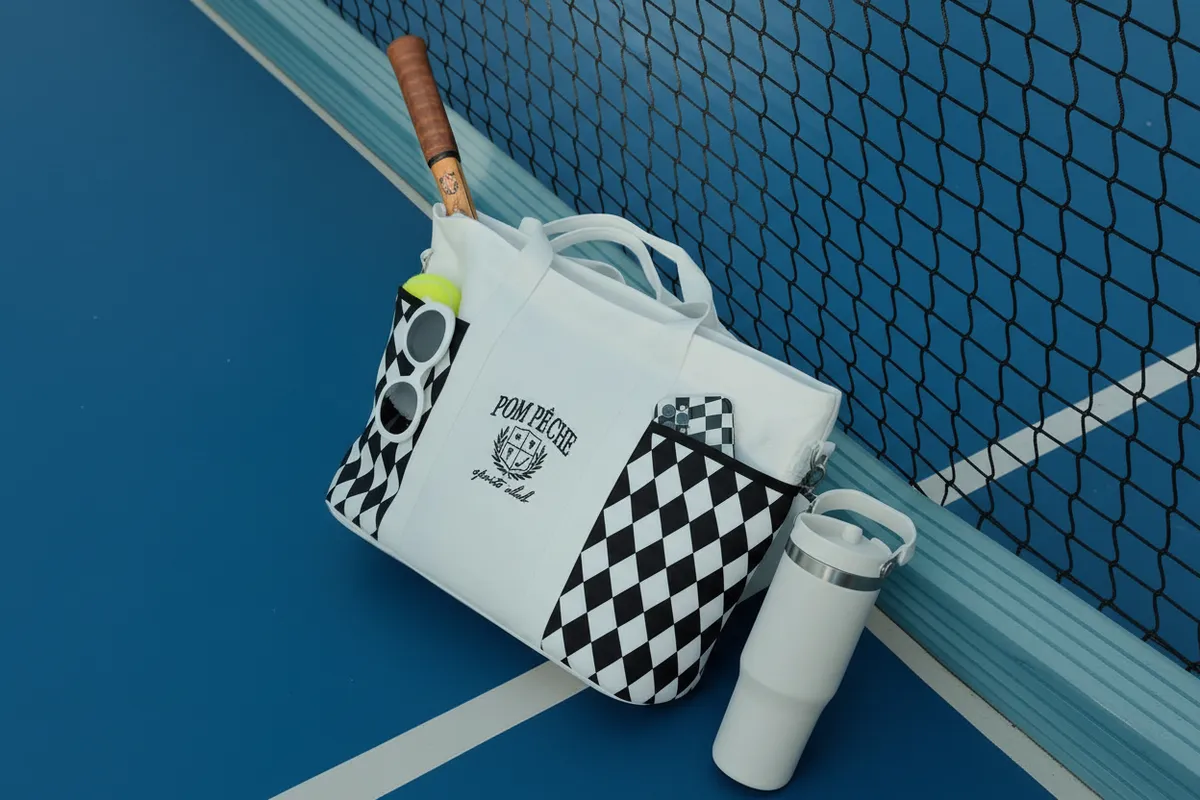
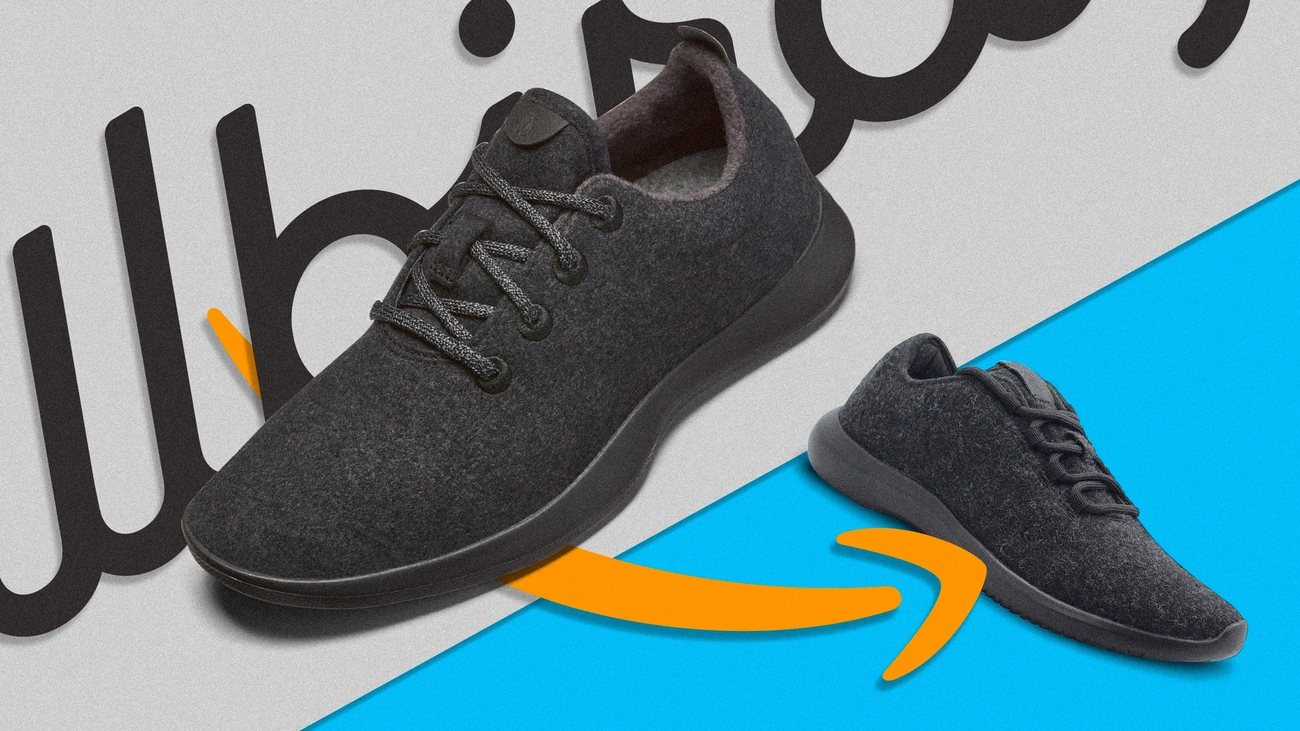
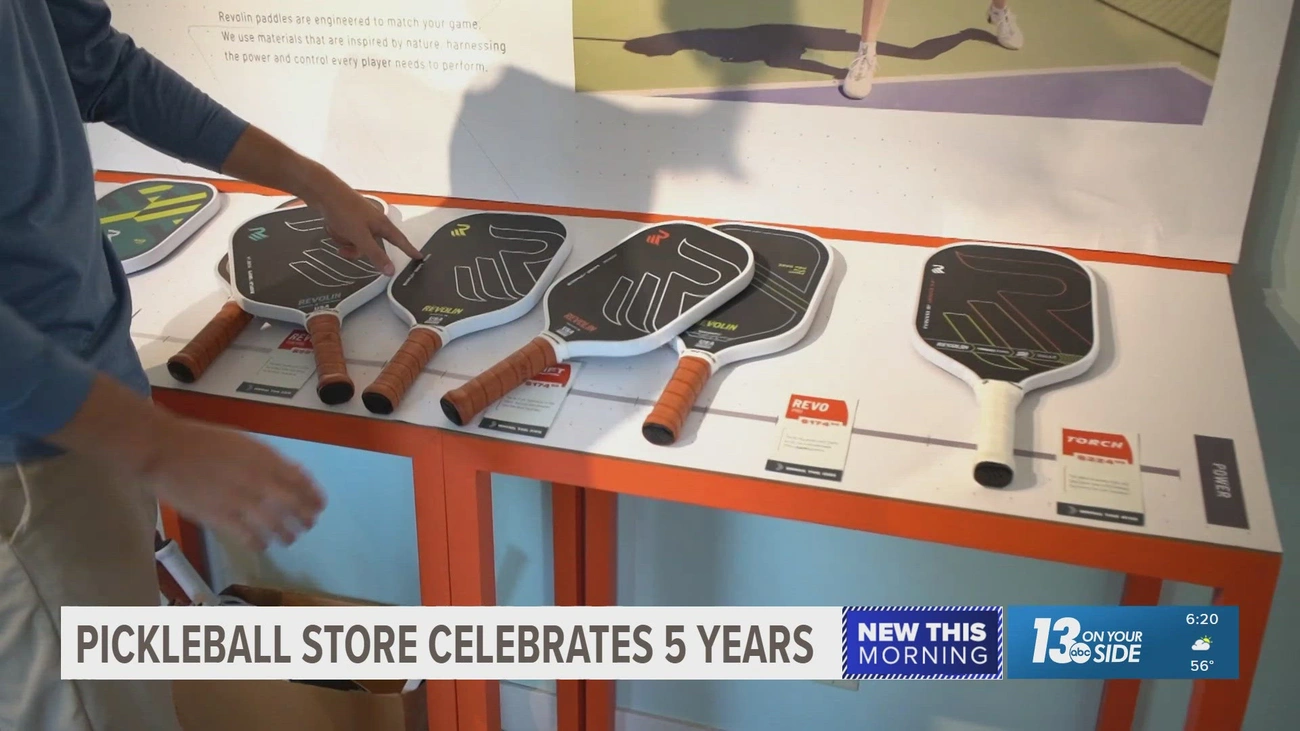
Visual examples of equipment and court settings. Images are illustrative; current specifications and fit should be checked with the maker or retailer.






Frequently asked questions
Is a recycled-material paddle automatically eco-friendly?
A recycled-material claim concerns a particular material or component. It does not establish the overall impact of manufacturing, use and disposal. Look for the specific scope and supporting information.
Can I put worn pickleballs in curbside recycling?
Check with your local collector about the exact item. Acceptance of bottles or a plastic resin type does not automatically mean sports balls are accepted.
What should I prioritize if evidence is limited?
Start with whether the item is needed, suitable and maintainable. Prefer specific documented claims over broad labels, and avoid inventing environmental savings that the evidence does not support.