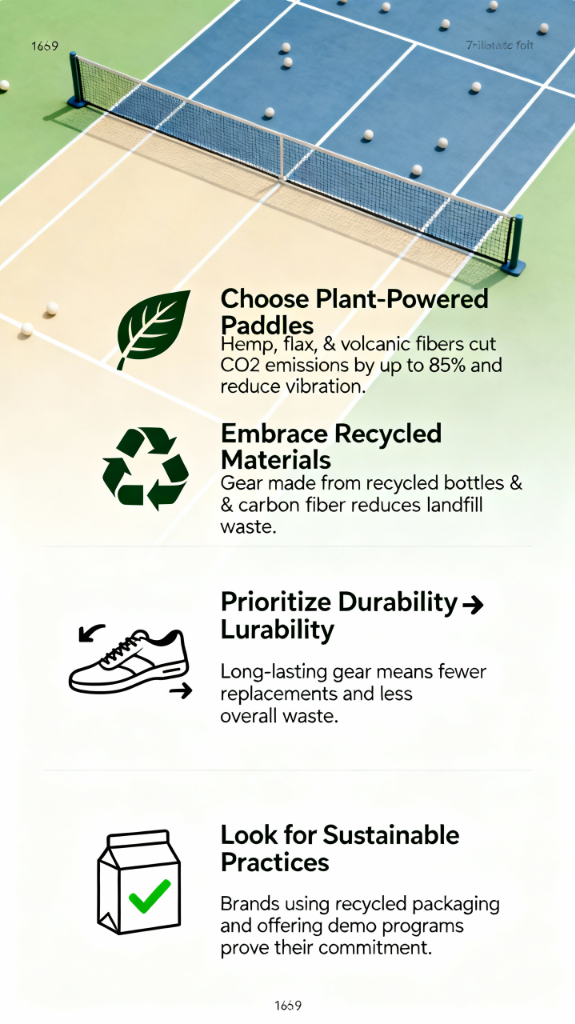
Reducing equipment waste begins after the purchase: inspect it, care for it and keep it in useful service. When an item no longer fits your needs, consider another user or an appropriate disposal route. A new green-labelled purchase is not required for each of those steps.
This is a practical maintenance and reuse plan for players and clubs. For evaluating the environmental claims of a new product, use the sustainable-buying checklist.
Make an inventory before replacing anything
Empty the bag and separate items into three groups: ready to use, needing attention and no longer suitable for play. Check paddles, balls, grips, shoes, clothing and the bag itself. Record the specific issue instead of labeling everything worn “old.”
Keep damaged items out of the ready-to-use group so they do not return to a game by accident. A cracked ball or loose handle should not be donated as playable equipment. If condition is unclear, ask the maker or an appropriate repair professional.
Use a brief after-play routine
- Remove loose court debris and inspect equipment for new damage.
- Follow the paddle maker's surface and grip care instructions.
- Let shoes and the bag dry appropriately before closing them away.
- Check balls and set damaged ones aside.
- Wash clothing according to its label, and repair minor issues when practical.
Do not assume every paddle can be cleaned with the same chemical or abrasive tool. Care instructions can differ by construction. Likewise, high heat and machine washing are not safe default choices for footwear. When directions are missing, ask rather than improvise.
Repair the failure that actually occurred
A worn grip, damaged bag strap and split garment seam are different jobs. Ask whether the part can be replaced or repaired before treating the whole item as waste. For a paddle, check maker guidance and the rules that apply to the event you want to enter.
Repairs should restore a usable item, not hide damage or alter a playing surface to gain an advantage. If the maker says a structural fault is not repairable, choose a responsible next step. Extending service life does not mean overriding safety or competition requirements.
Donate with the next user in mind
Contact the recipient before delivering equipment. A school, beginner program or community group may need certain sizes or quantities and have no storage for the rest. Explain condition accurately and supply model information where available.
- Clean items using the proper care method.
- Check that shoes, clothing and grips are still usable.
- Keep damaged balls and unsafe paddles out of playable donations.
- Label equipment that is suitable for demonstrations only.
- Provide care instructions and any relevant restrictions.
A donation is useful when someone can actually use it. Leaving a box at a venue without permission can simply transfer the disposal problem to volunteers.
Run a shared-equipment shelf at a club
Assign someone to inspect loan paddles and balls, and create a visible return location. Keep a short record of what is available and what needs repair. Give new players a quick explanation of care and the requirement to report damage.
Set lending rules that suit the venue: where equipment can be used, whether it leaves the facility and how missing items are handled. Avoid collecting unnecessary personal information for a simple onsite loan. A manageable shelf of usable gear is better than a large unchecked pile.
Verify ball and paddle disposal routes
Ask the local collector or a specialist program whether it accepts the exact product. Composite paddles and sports balls may not be accepted with ordinary household recyclables. Do not place items in a bin just because a related material is listed.
Before using a take-back scheme, confirm that it is active, serves your location and accepts the condition of the item. Check who pays shipping and how the equipment should be packed. If no approved recycling route exists, follow local disposal instructions rather than claiming it will be recycled.
Reduce avoidable replacement at events
For a club session, inspect equipment before players arrive and provide a place for damaged balls. Standardize the ball for the session where practical so unused packages are not opened unnecessarily. Offer water-refill access when the venue supports it and publish what participants should bring.
Track actual maintenance and replacement needs over several sessions. Those records can improve procurement quantities. Do not translate a smaller shopping order into an exact carbon saving without a credible calculation.
Review the system periodically
The EPA's purchasing guidance includes repair, reuse and end-of-life management. Applying that approach at a club means checking whether equipment remains useful after the launch-day purchase.
Choose one routine that players will actually maintain: a condition check, loan shelf, repair contact or verified collection box. Make the owner and next step clear. Waste reduction becomes practical when an item has a place to go and someone follows through.
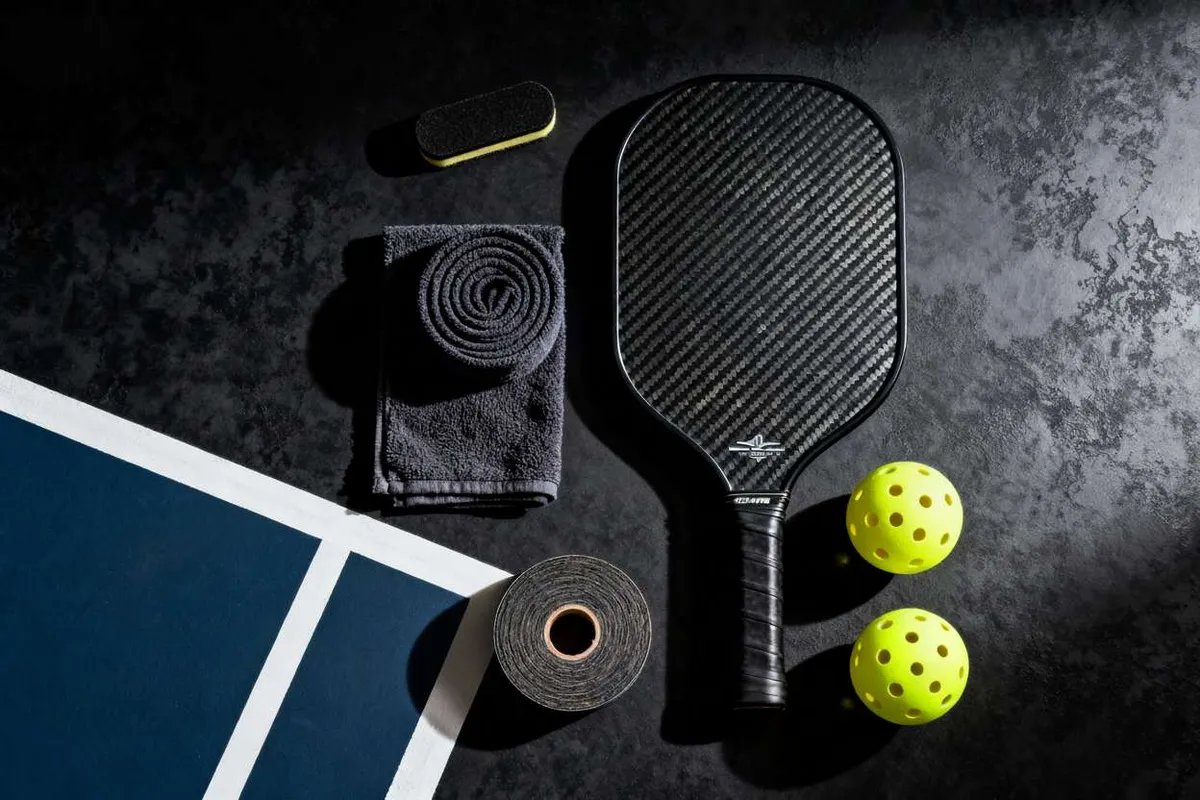
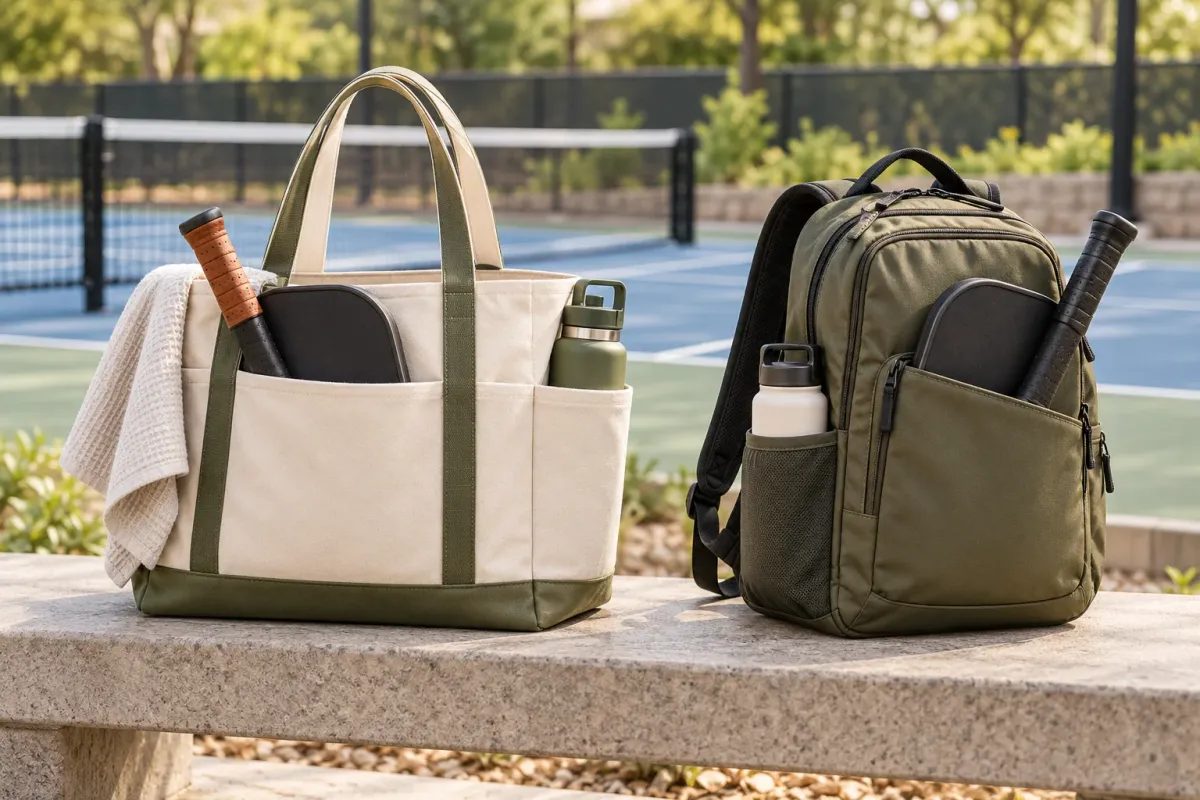
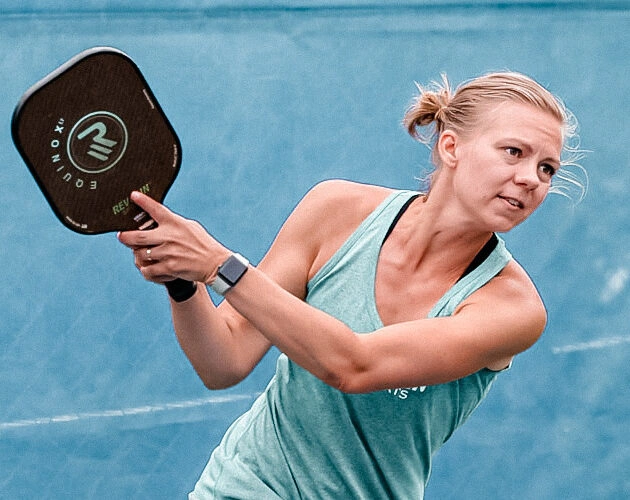
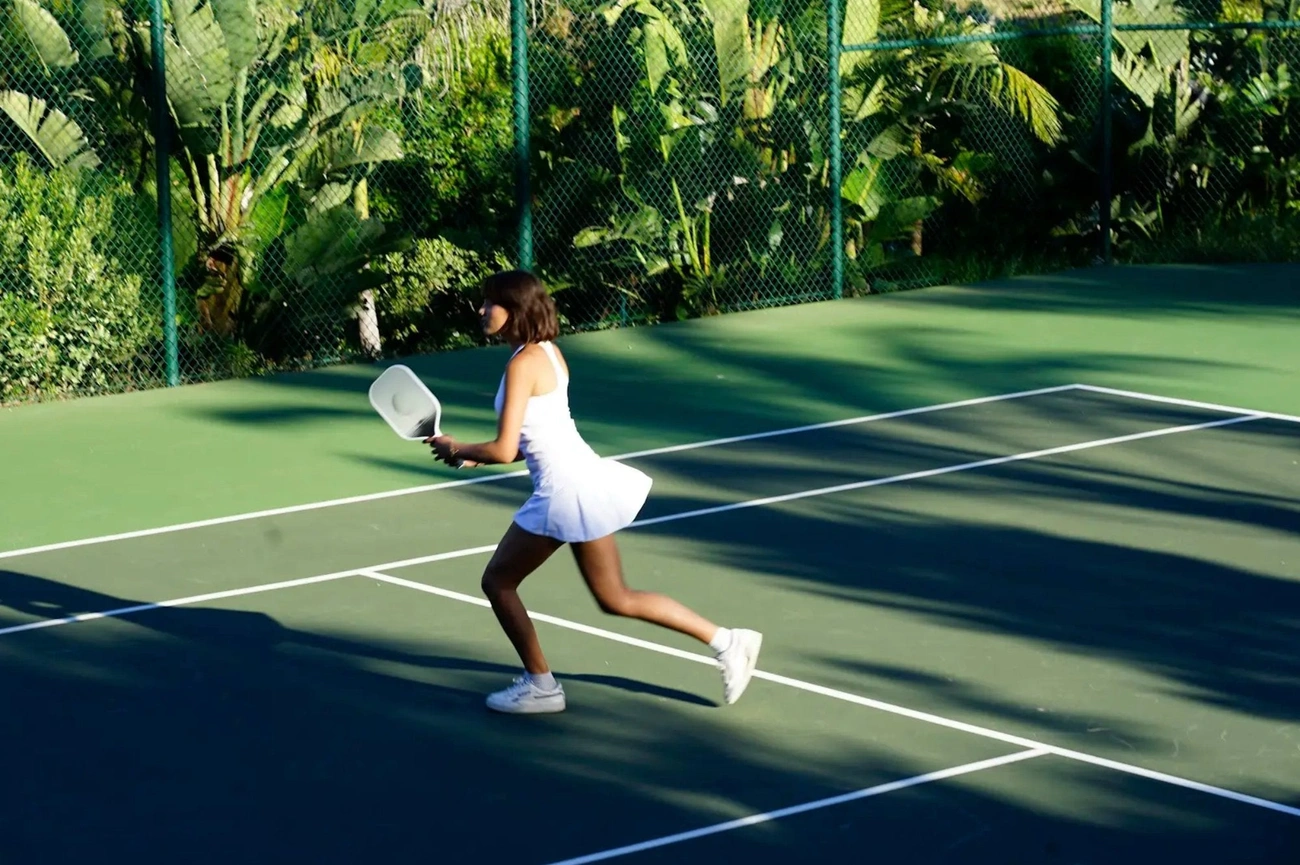
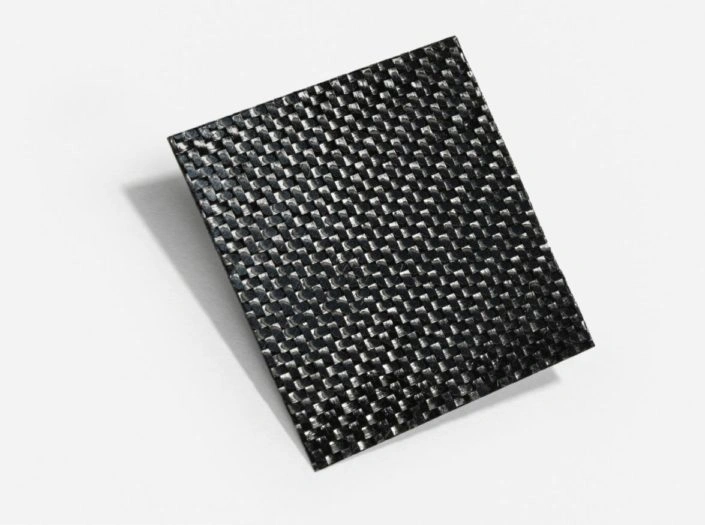
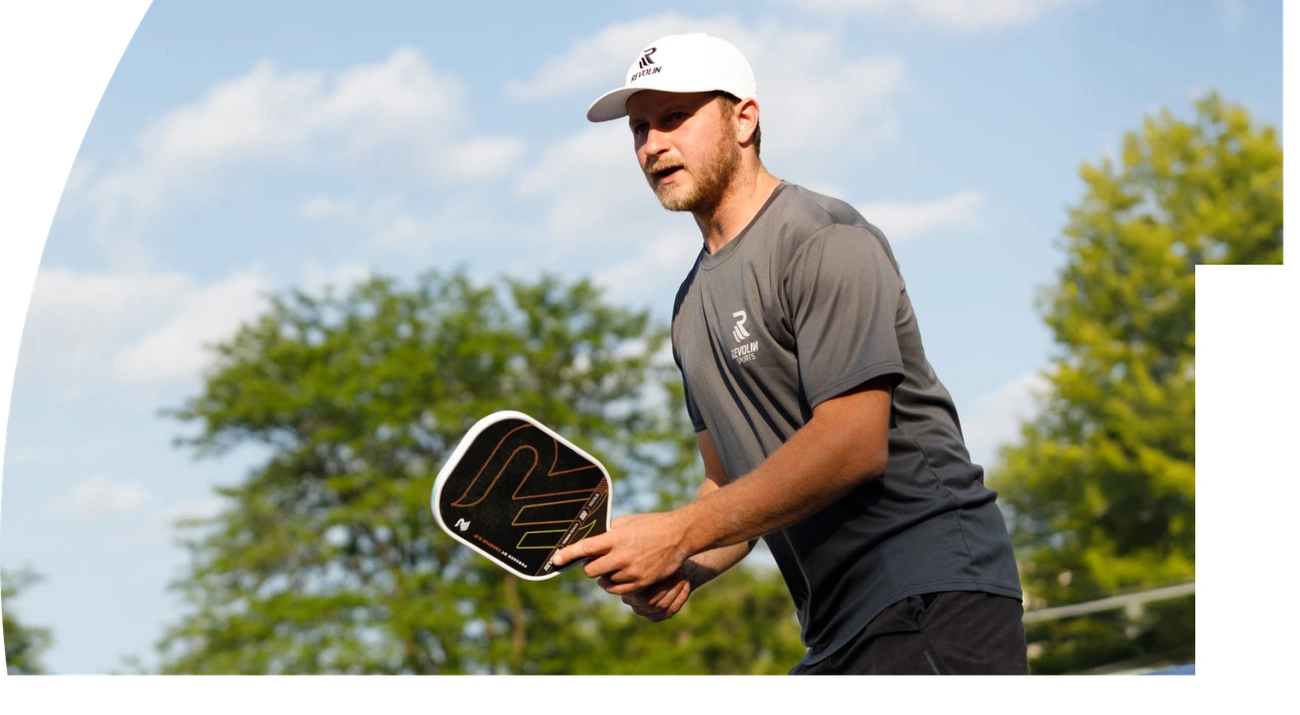
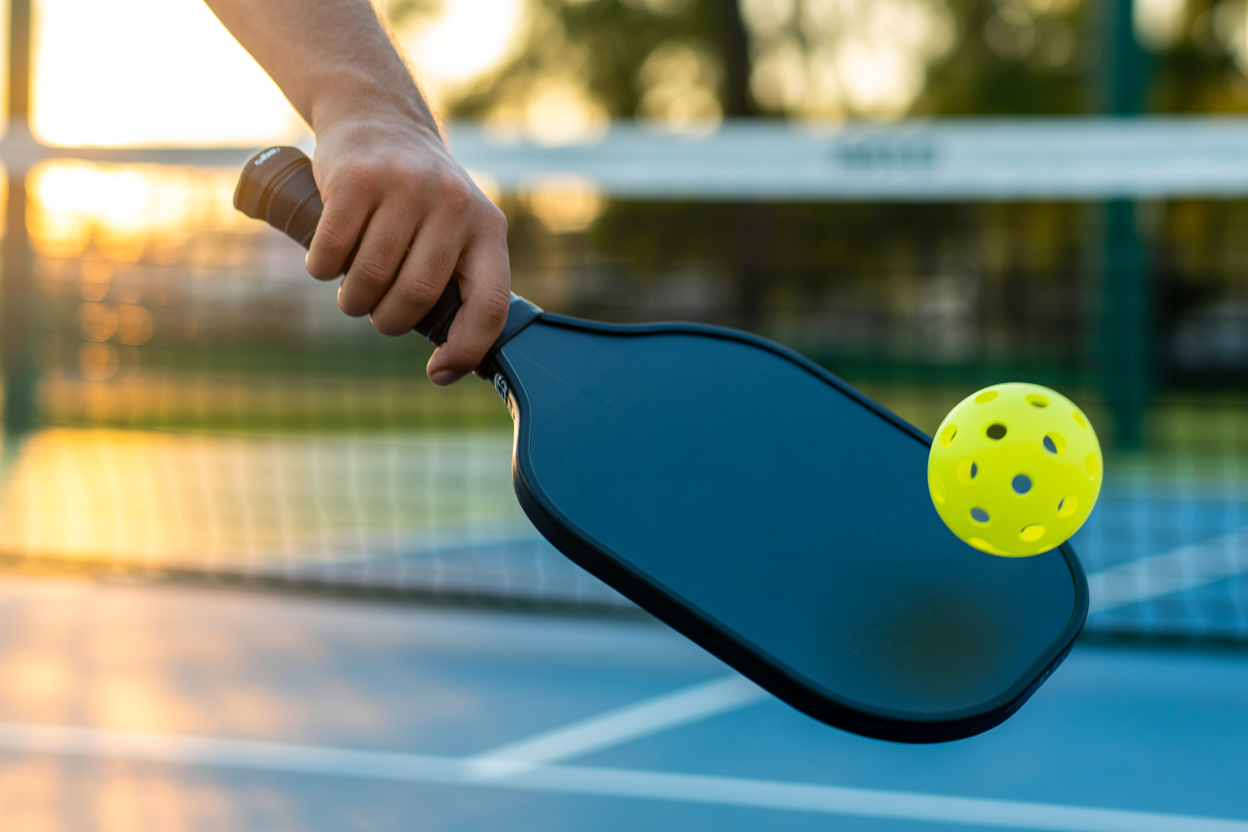
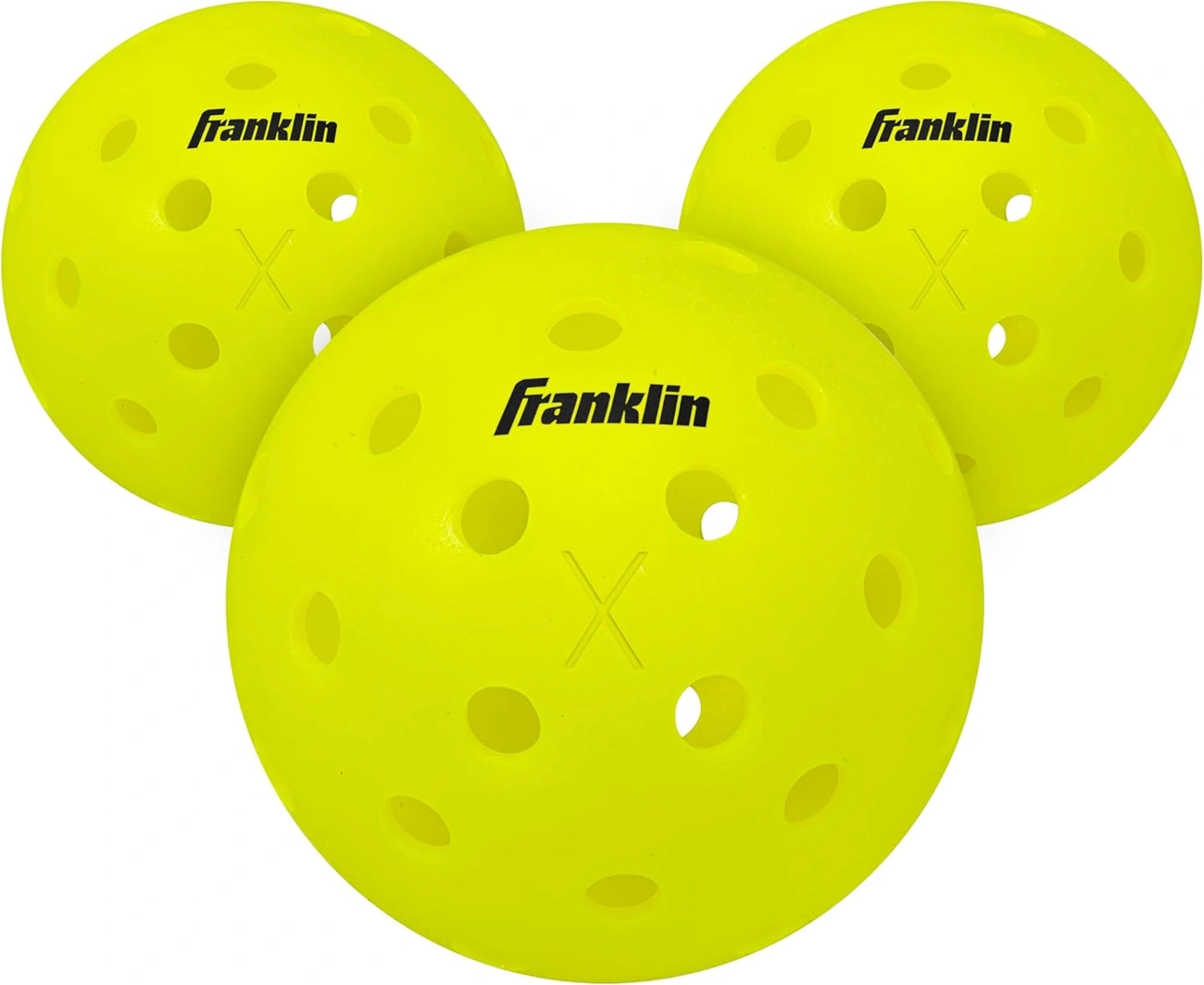
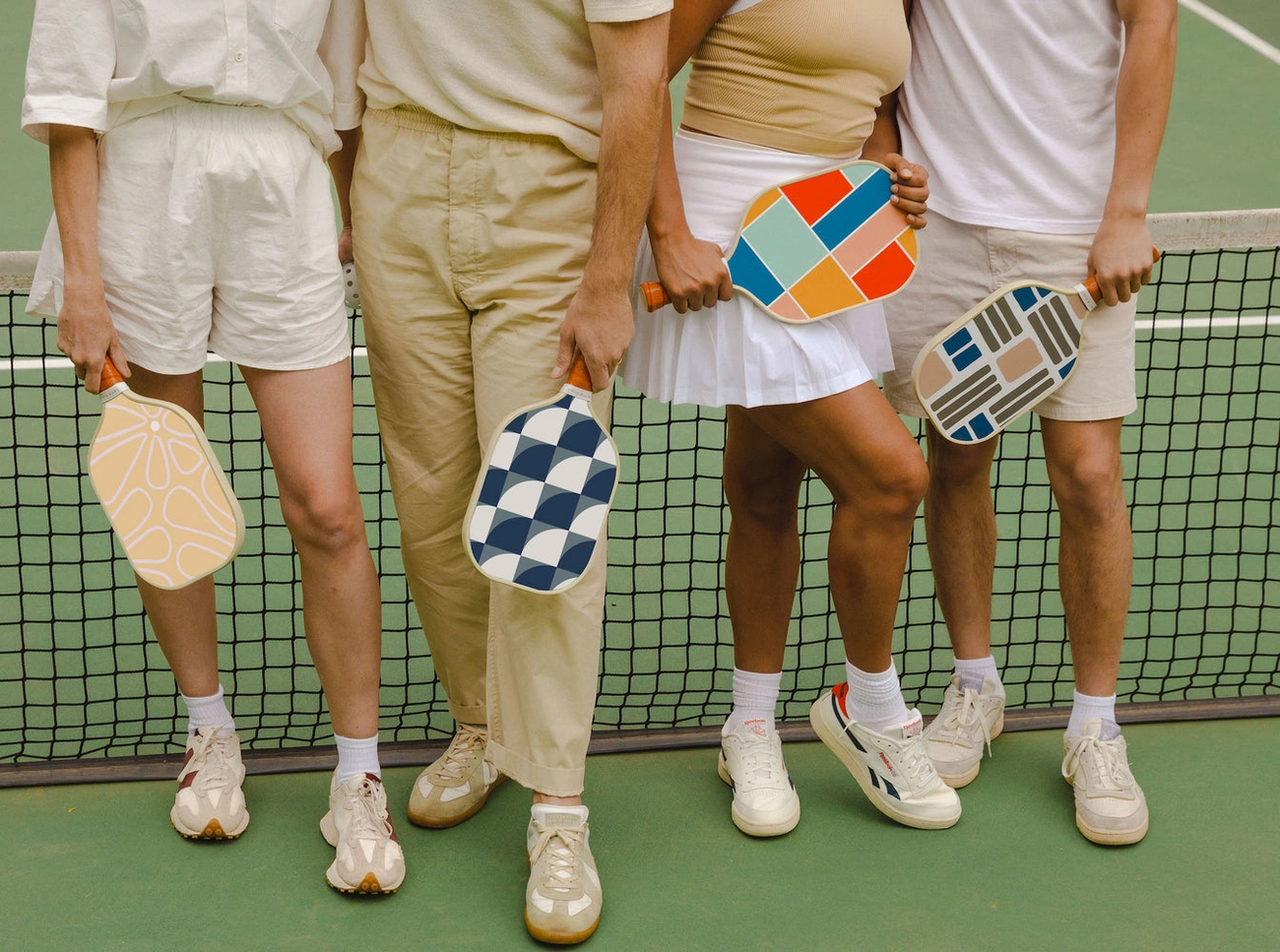
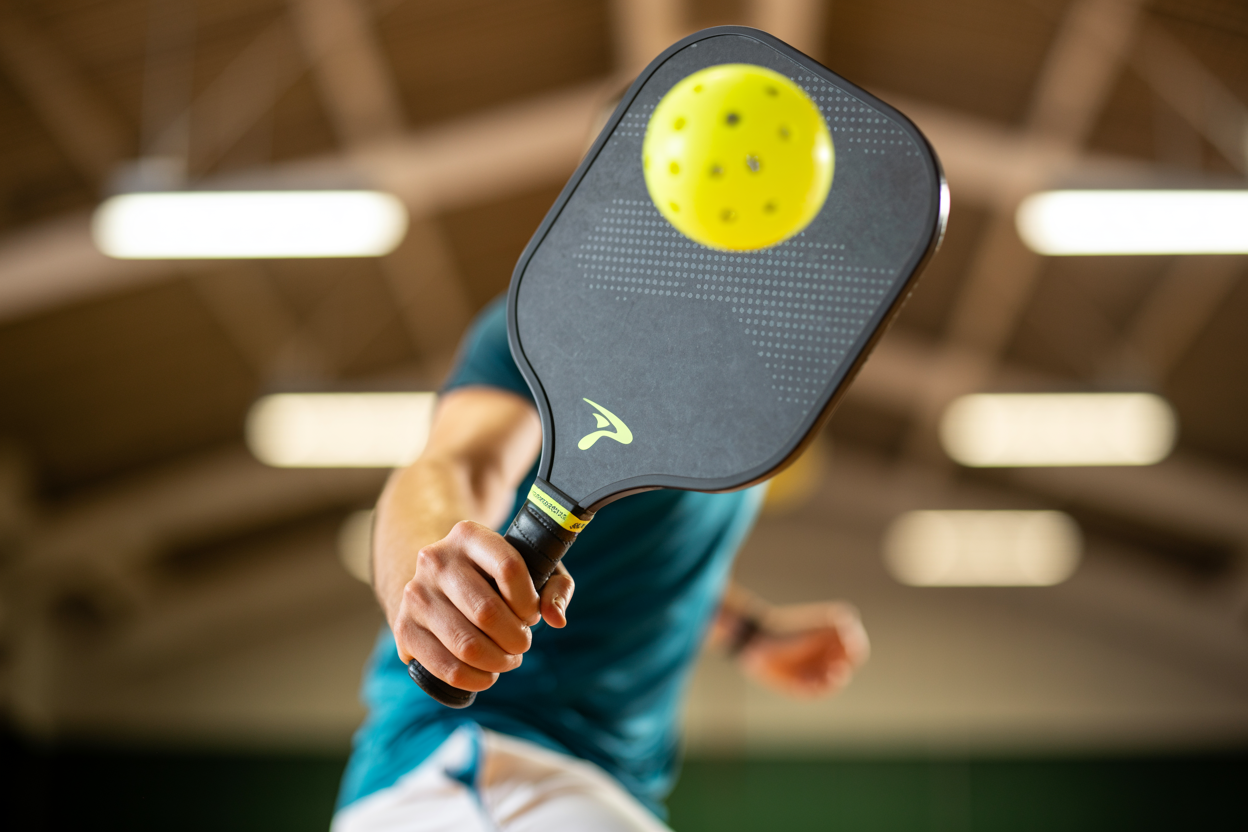
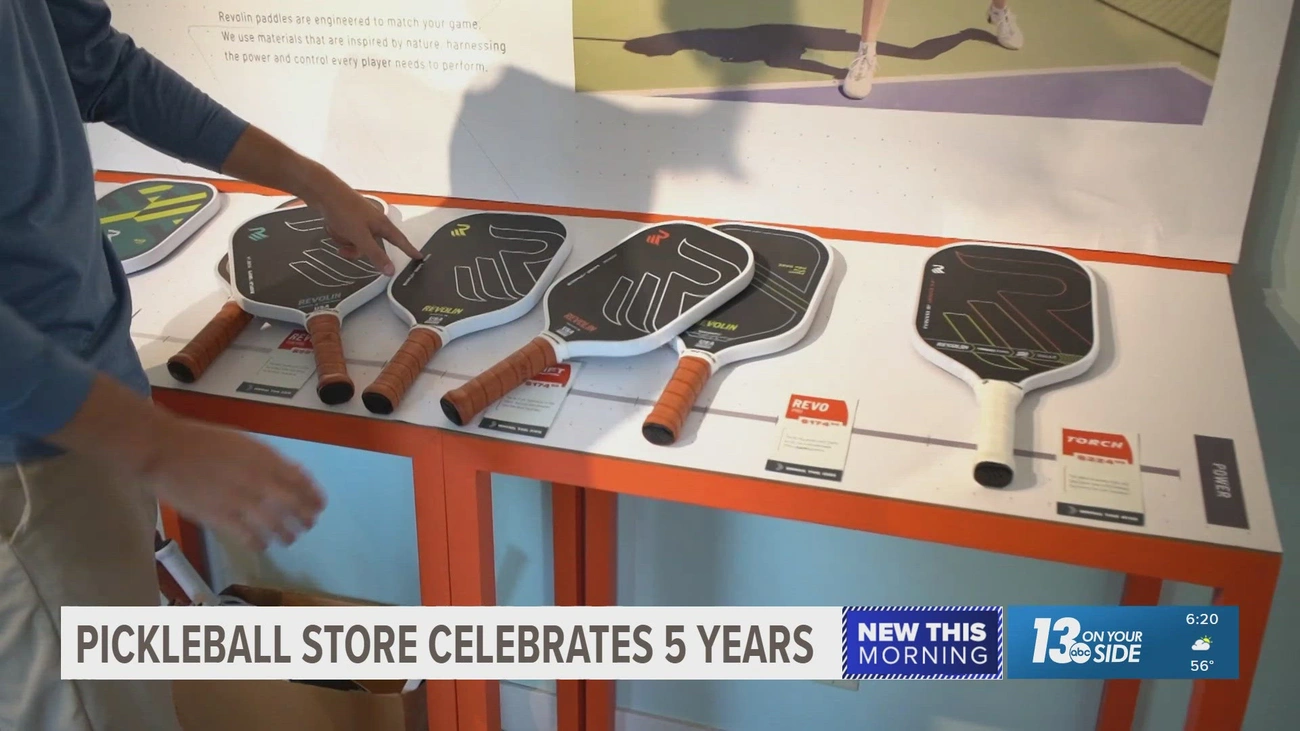
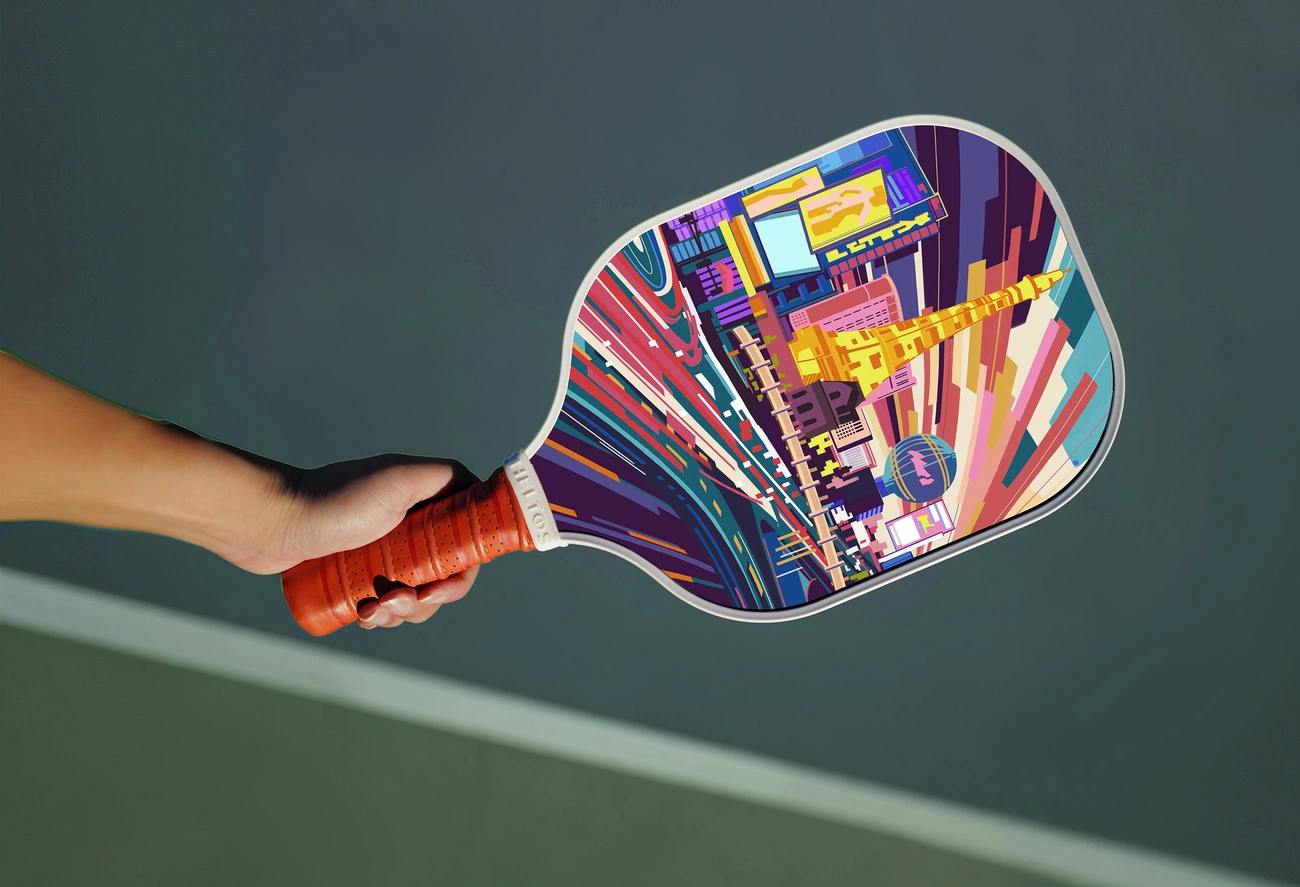
Gear care and reuse illustrations
Visual examples of equipment and court settings. Images are illustrative; current specifications and fit should be checked with the maker or retailer.

Frequently asked questions
Should I donate a cracked pickleball or damaged paddle?
Do not describe unsafe or unusable equipment as ready for play. Ask the recipient whether it has a legitimate demonstration use, and otherwise follow an appropriate disposal route.
How do I start a club equipment-sharing program?
Begin with a small set of inspected items, a return location, clear lending rules and a person responsible for condition checks. Add equipment as actual demand becomes clear.
Is a collection box proof that gear is recycled?
No. Verify the recipient, accepted items and current processing route before making that claim. Publish what the program actually accepts and how the items will be handled.