Home practice can support paddle control and preparation when the space is suitable. It cannot reproduce a full court, a partner's changing shots or normal match timing. Choose a task that fits the room rather than squeezing a court drill between furniture.
The exercises below are a practical routine, not a claim of professional testing or a guaranteed improvement schedule. For partner work on a court, use the on-court drill plan.
Check the space before choosing a ball task
Remove loose objects and identify people, pets, fragile surfaces and movement hazards. Get permission before hitting against a wall, and consider neighbors and shared-building rules. If the room cannot safely contain a ball, choose preparation and shadow-movement tasks.
A softer or quieter practice ball may behave differently from the regular ball. Use it for the appropriate coordination task, then return to standard equipment at a suitable venue. Check relevant venue and equipment requirements through the current rulebook.
1. Comfortable ready-position rehearsal
Stand with comfortable spacing and hold the paddle where it can prepare for either side. Move into that position from a relaxed stance, then pause. The purpose is to repeat a starting position you can control, not to hold a deep squat for as long as possible.
Use a mirror or a brief personal recording if helpful. Look for tension that makes the task uncomfortable and keep movement within your ability.
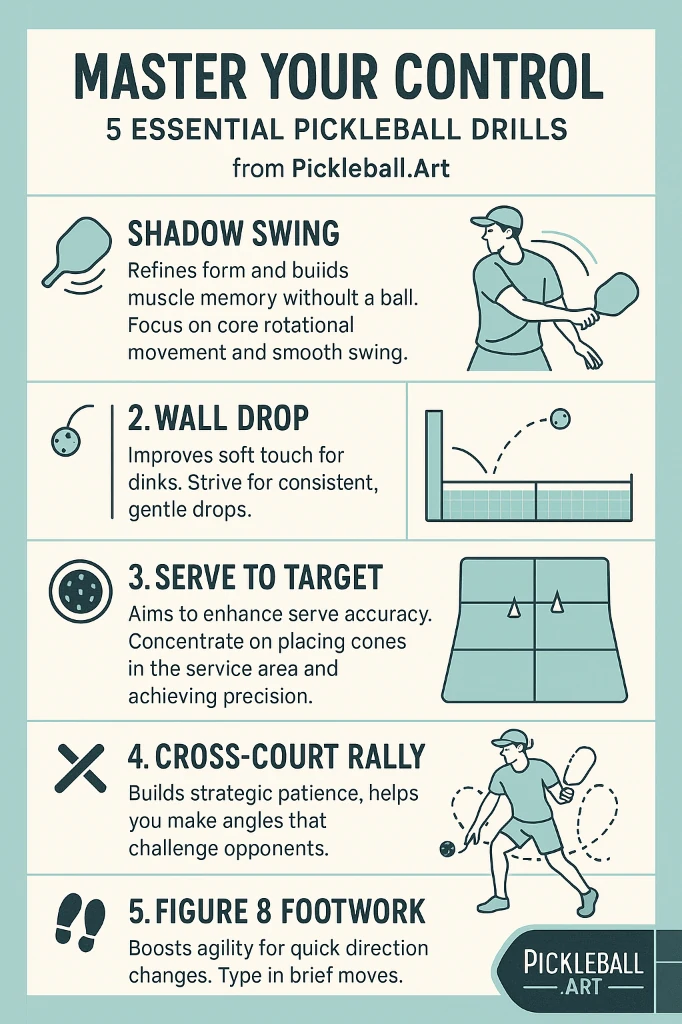
2. Gentle shadow swings
Without a ball, rehearse a compact forehand and backhand through a comfortable range. Leave ample clearance around the paddle. Finish in control, then return to the ready position.
Keep the task slow enough to notice preparation and recovery. A shadow swing is a movement rehearsal, not evidence that a particular contact technique has been mastered.
3. Small adjustment steps
Use two visual floor markers outside the foot path. Make short controlled side steps between them while keeping the upper body comfortable. Pause at each end rather than adding speed immediately.
Do not use loose objects that can slide underfoot, and avoid aggressive direction changes on an unsuitable floor. This drill rehearses organization; court footwear and match movement should be practiced in an appropriate setting.
4. Paddle-and-ball balance
In a safe area, place a suitable ball on the paddle face and keep it balanced while making small angle changes. Stop when the ball approaches an uncontrolled drop. You can begin standing still before adding any movement.
Notice how much hand movement is needed. The aim is awareness of the paddle face, not a competition to accumulate a large count.
5. Low controlled taps
If the space is safe for it, gently tap the ball above the paddle with limited height. Begin on one face, then try a separate set on the other. Keep the ball close and stop to reset instead of chasing it through the room.
Record the quality of control rather than forcing continuous repetitions. High taps are unnecessary for the task and increase the chance of hitting an overhead object.
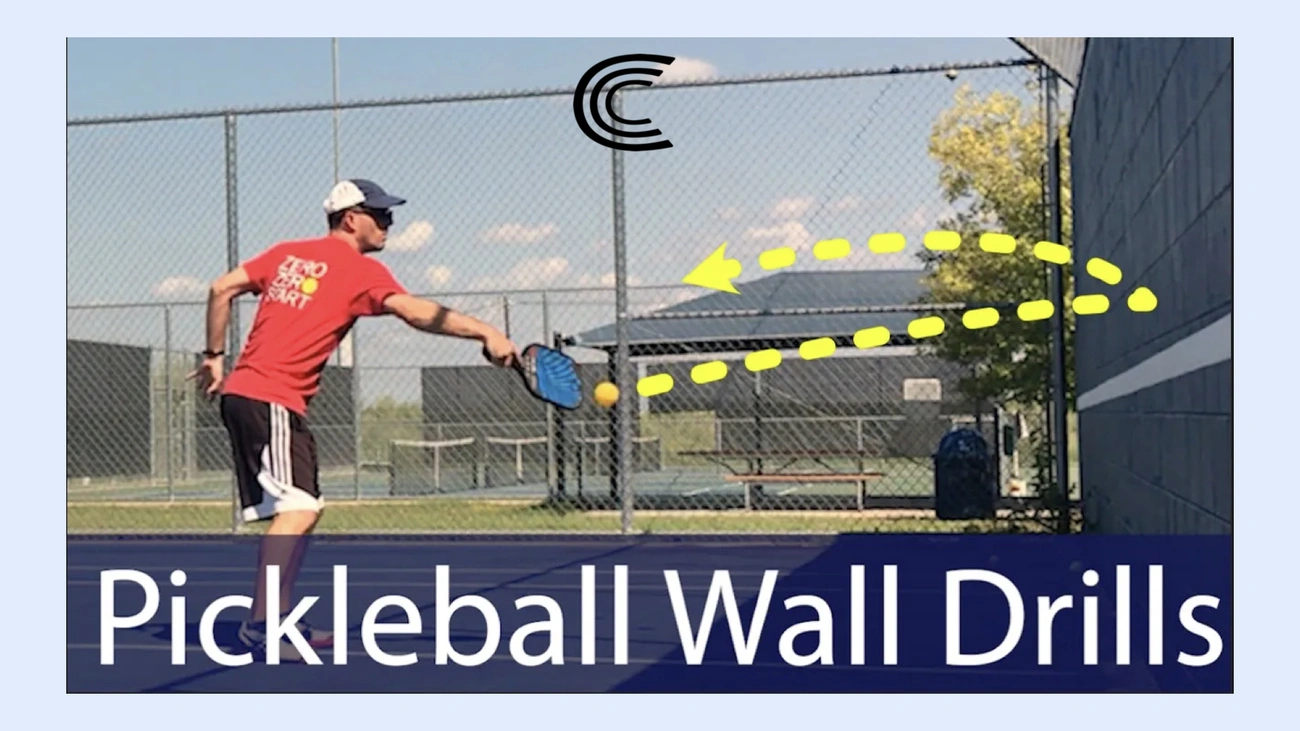
6. A gentle wall target, where permitted
Use only a suitable approved wall and enough clear space. Begin with a soft feed to a broad target and control the next contact. A wall returns the ball differently from a partner, so avoid claiming the exercise reproduces a kitchen rally exactly.
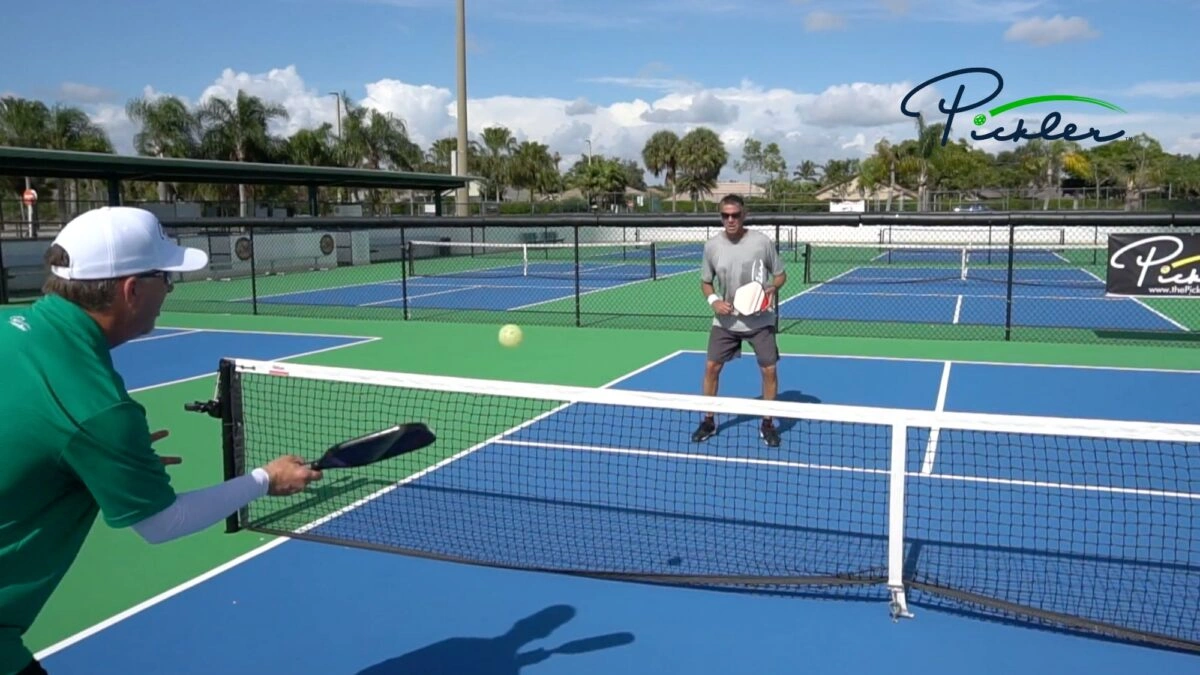
The USA Pickleball dinking lesson is useful for understanding the court shot. Apply that understanding to partner practice rather than treating a home rebound as the entire skill.
Build a short routine and transfer it to the court
Choose two or three tasks, take breaks and stop before control deteriorates. Note one observation to check on court: an easier ready position, calmer paddle preparation or more controlled contact. Then test it during cooperative play.
Progress comes from suitable practice and feedback. If the task causes pain or requires you to move unsafely, stop and change the setup. Home drills should make practice convenient without turning a living space into an improvised high-speed court.
Practice-task illustrations
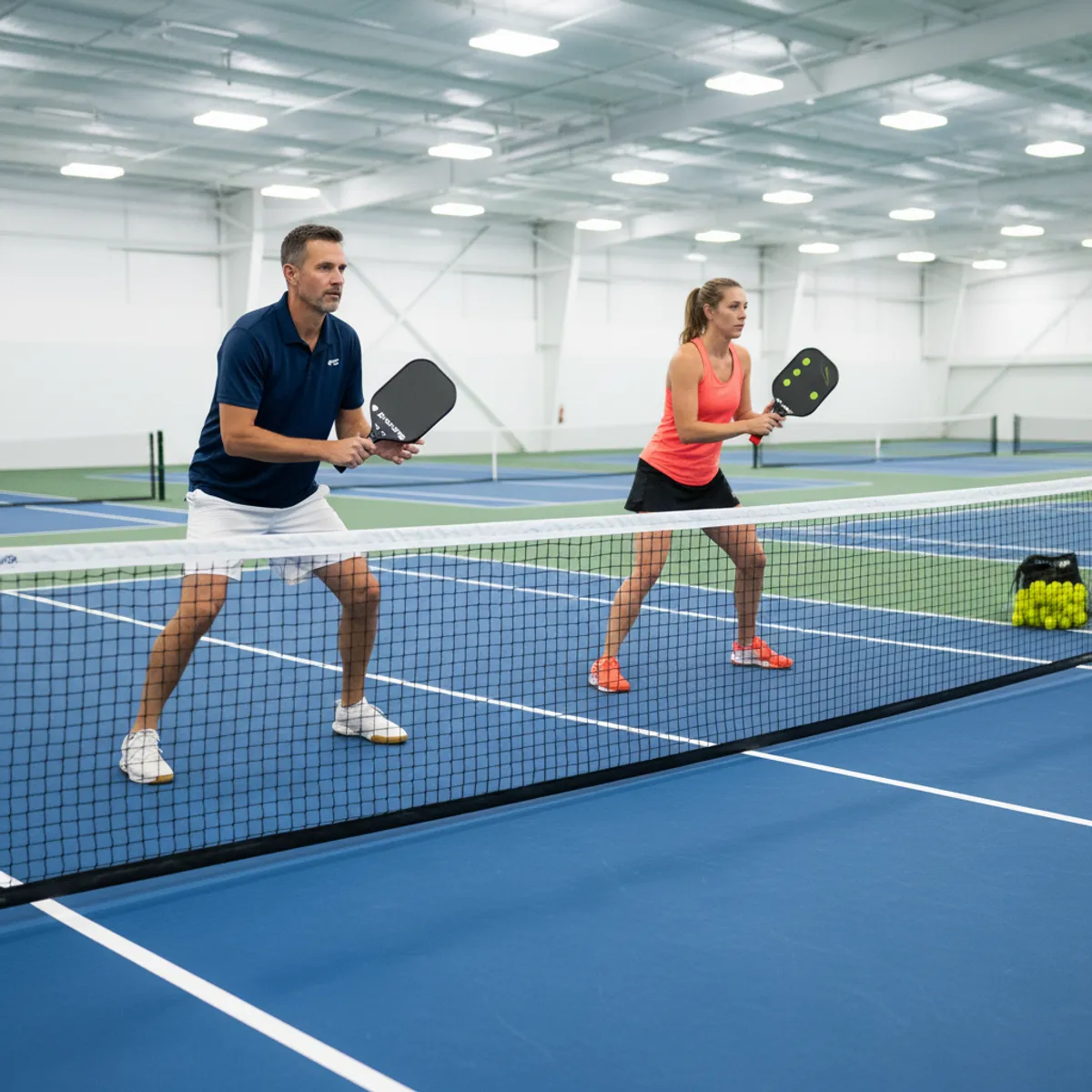
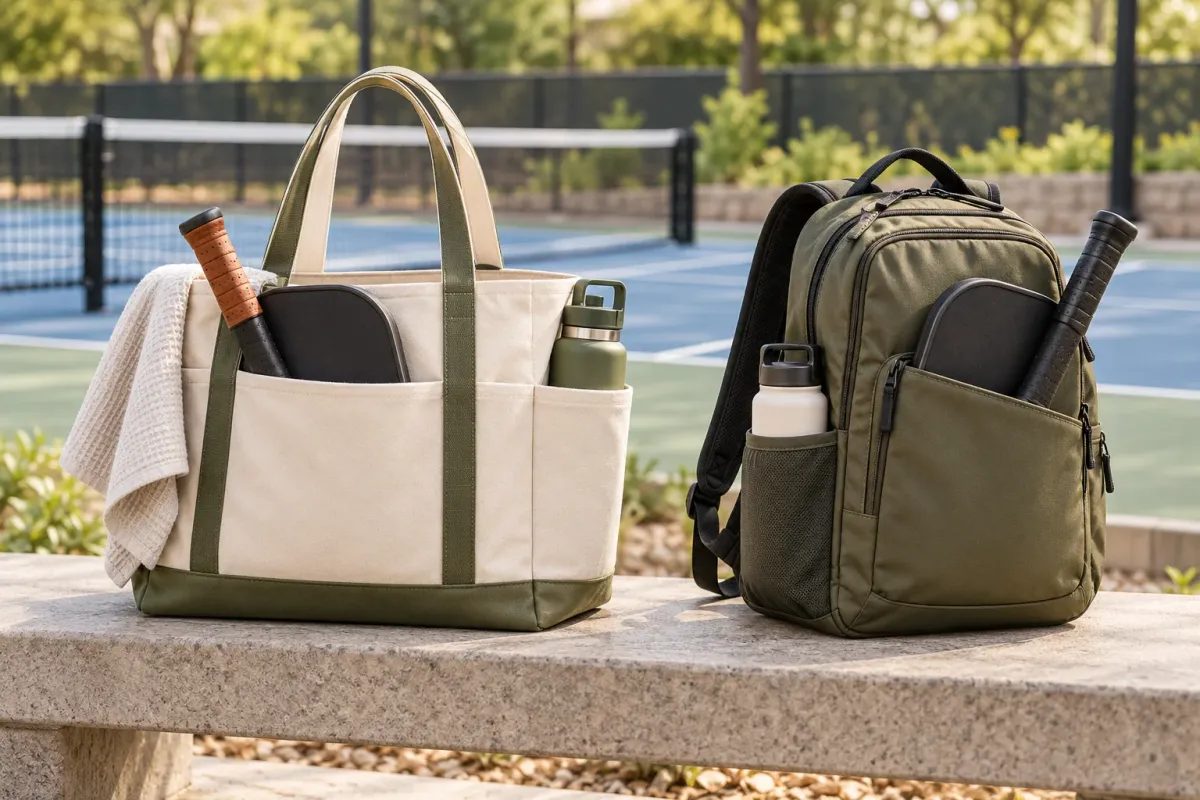
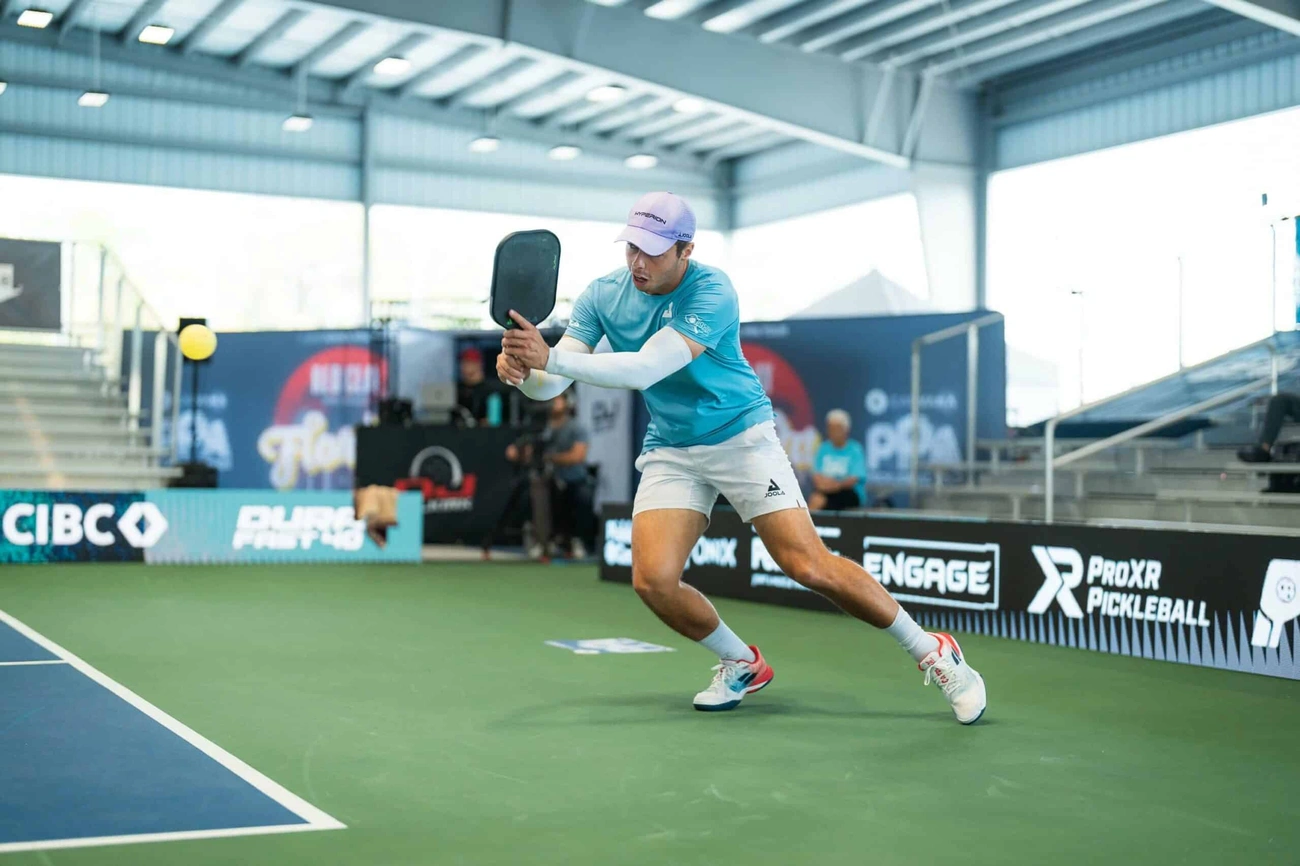
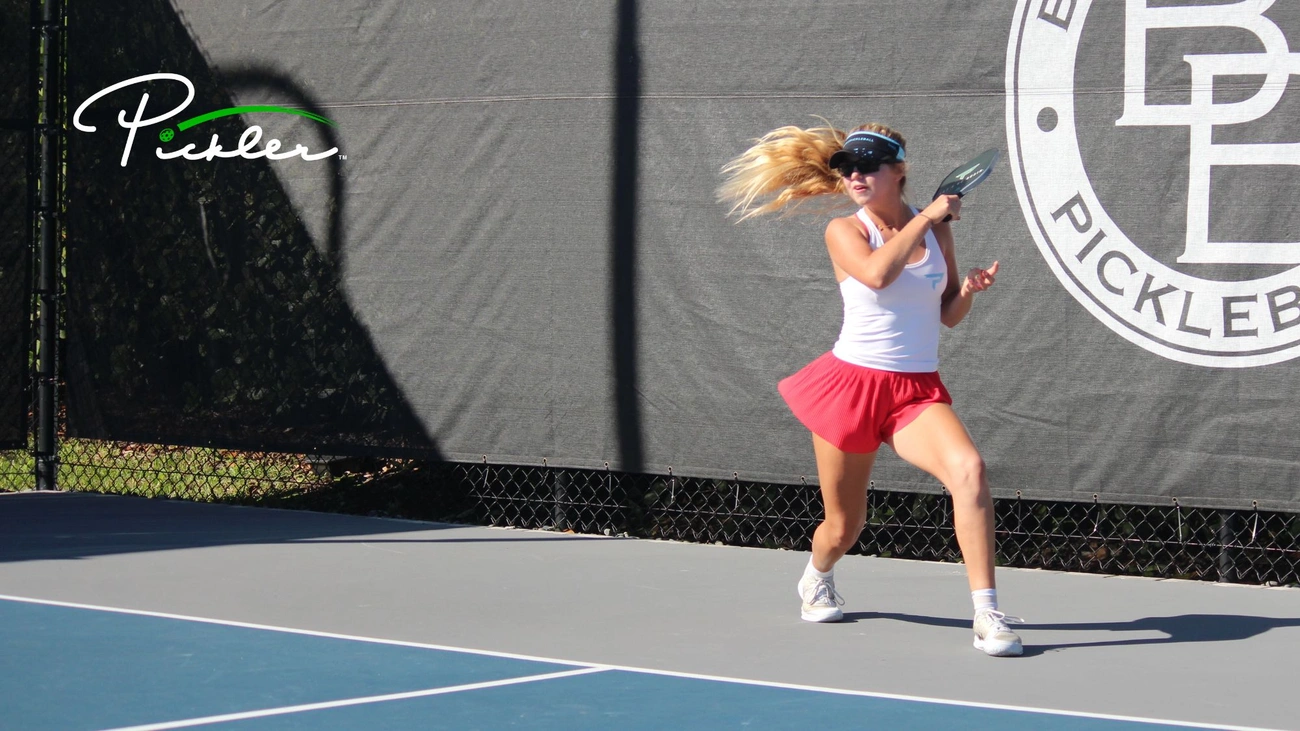
Visual examples of equipment and court settings. Images are illustrative; current specifications and fit should be checked with the maker or retailer.
Frequently asked questions
Can I practice pickleball in any room?
Only if the task fits a clear, safe space and the activity is permitted. Without enough ball clearance, use shadow preparation rather than live-ball drills.
Are foam or quiet balls the same as match balls?
They can differ in rebound and flight. Use them for the intended task and practice normal timing with the required equipment at an appropriate venue.
Will wall practice replace a partner?
No. A wall does not reproduce changing feeds, court coverage or tactical choices. Use it as one coordination task and transfer the skill to cooperative court play.