
A workable tournament starts with the number of matches you can actually run. Choose the purpose and format, calculate the schedule, then open registration to the capacity your venue and team can support. This planning guide offers a framework; it does not claim a personal record of running tournaments or a universal event budget.

1. Define the purpose, rules and format
A social mixer, fundraiser and competitive event may need different divisions and expectations. State who can enter, whether entries are individuals or teams, the scoring format and the planned minimum games. Decide whether you want sanctioning before advertising an event as sanctioned.
Round robin gives each entrant matches against the others in its pool. Single elimination reduces the field after losses; double elimination adds a losers' bracket. Compare the actual match count and time each creates. The USA Pickleball event operator guide explains sanctioned-event requirements; they depend on the applicable category and current policy.
2. Calculate court capacity
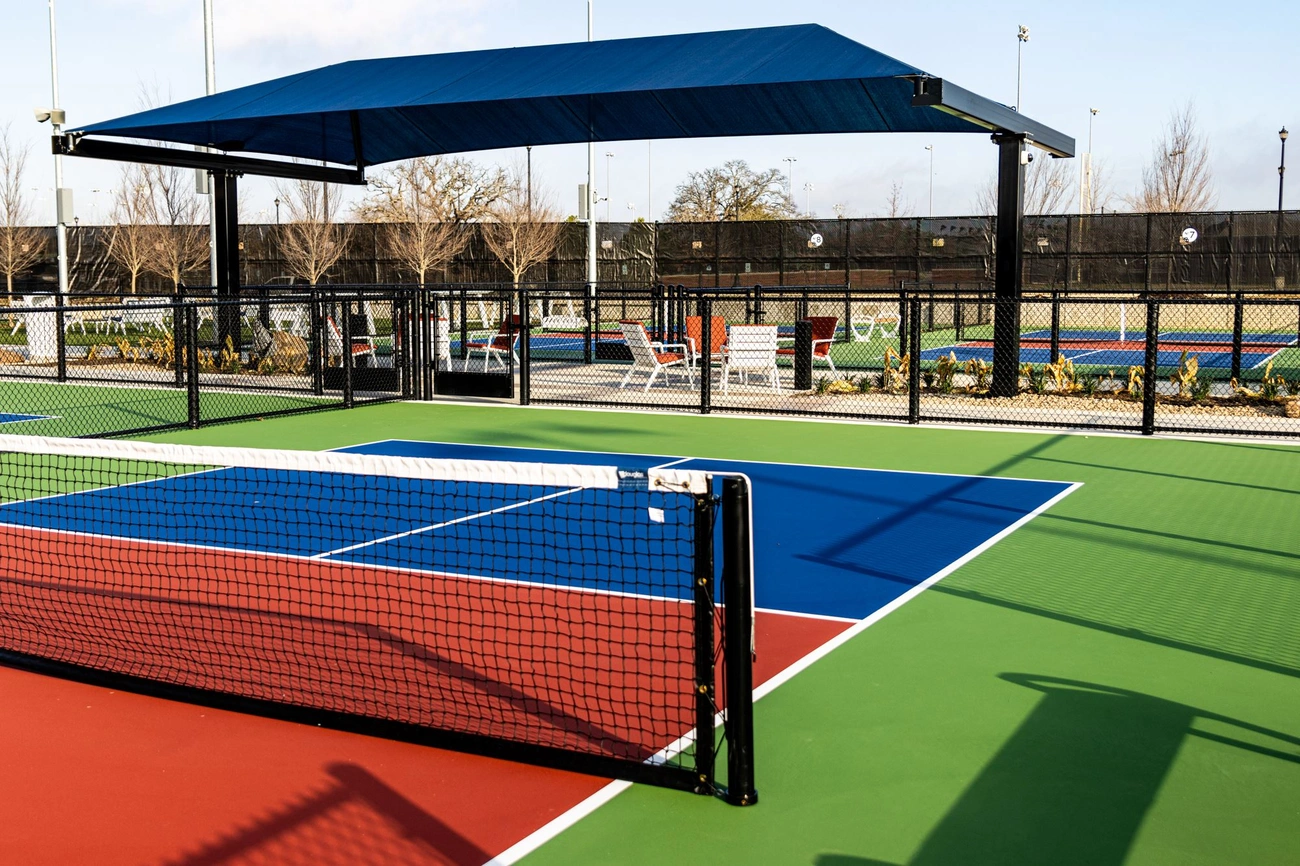
Reserve confirmed courts, including setup and cleanup time. Inspect playing surfaces, nets, access, lighting, toilets, water and spectator circulation. For an outdoor event, create a weather and interruption plan.
Estimate court-hours from match count multiplied by an assumed slot duration, then add warm-up, transitions, breaks and delay allowance. For example, eight teams in one round-robin pool produce 28 matches. At an illustrative 25-minute slot, those matches consume about 11.7 court-hours before extra allowance. This is scheduling arithmetic, not a guarantee of match duration. There is no universal rule of one court per four or five players.
3. Build a budget from actual quotes
List court rental, sanctioning if applicable, officials, insurance requirements, equipment, administration, payment fees and amenities. Separate costs that remain fixed from those that grow with entries. Get current written prices; do not build around an assumed national referee day rate or old platform fee.
Calculate entry income under conservative attendance assumptions. Keep sponsorship commitments separate from hoped-for support, and include a contingency. State how a fundraiser's proceeds and expenses will be handled.
4. Publish registration and bracket policies
Collect only necessary contact and division information. Publish dates, location, check-in procedure, format, equipment requirements, cancellation terms and what happens if a division has too few entries. Obtain the venue's required participant documents and suitable advice on event obligations.
Choose a platform by its current fees, exports, bracket handling and offline fallback. Test a sample entry and result before opening registration. Document tiebreakers and seeding rather than improvising after results appear.
5. Assign staffed roles and breaks
Name the tournament director, registration lead, court coordinator, result manager and safety contact. Add referees and other roles according to the event. Required officiating differs by sanctioning type; a single staffing number does not apply to every tournament.
Give each person a task, shift, escalation route and backup. Run a briefing covering delays, missing players, score reporting, disputes and emergencies. Count staffing by simultaneous responsibilities and relief needs.
6. Prepare equipment and the venue
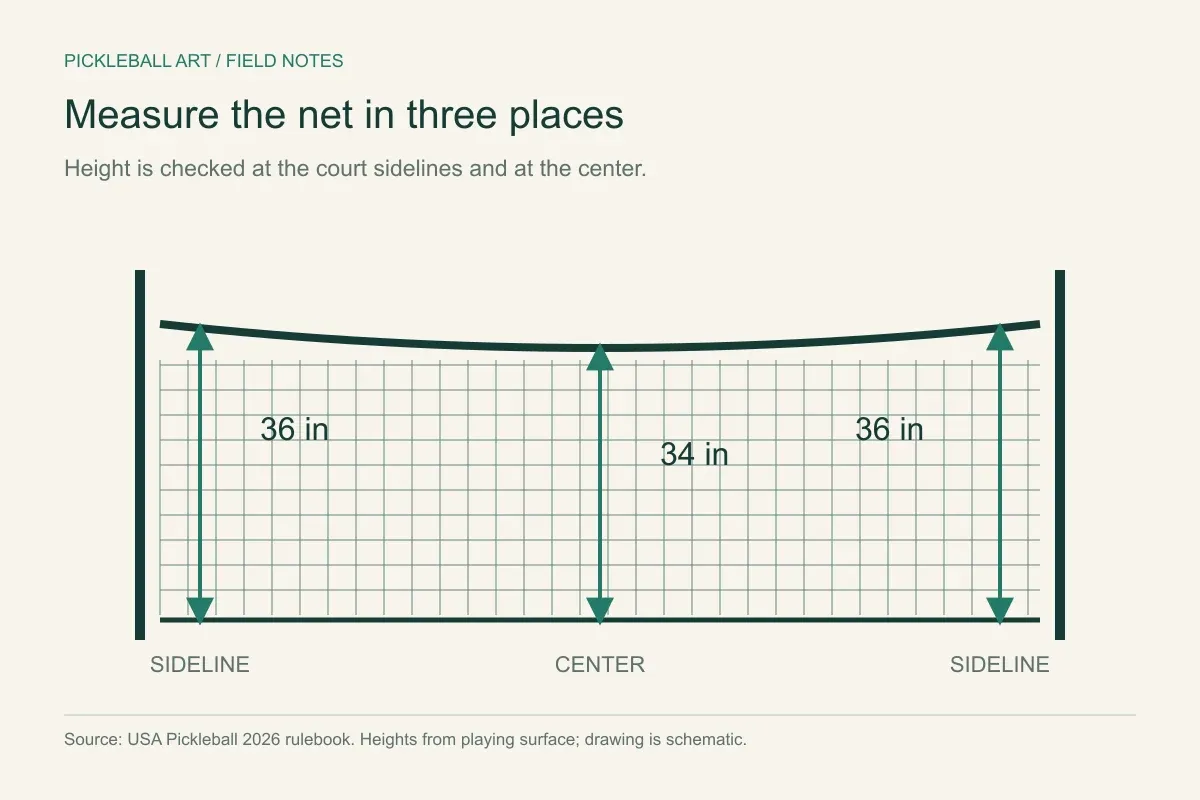
Measure net heights, inspect courts and confirm the announced balls. Keep enough replacement equipment for the expected use rather than treating a suggested quantity as a regulation. Provide visible check-in and court labels, a score-recording system and a printed schedule backup.
Confirm first-aid arrangements, emergency access and any available AED location with the venue. Keep player bags and spectator seating out of the active playing and access areas.
7. Communicate the same event information everywhere
Give clubs, entrants and sponsors the same authoritative event page. Send the final schedule, arrival instructions and weather process before play. Announce material changes promptly; avoid promising a particular number of matches until capacity supports it.
8. Run, record and review
Track check-ins, call upcoming matches and record results through one controlled process. Resolve rules questions under the announced rulebook and event procedures. Keep a clear escalation route instead of asking several volunteers for conflicting decisions.
After the event, reconcile results and finances, collect feedback and document actual slot durations. Those observations are a useful starting point for the next schedule, unlike an unsupported national average.
Frequently Asked Questions
Calculate match count and realistic court-hours, including transitions and delays. Entries alone do not establish a universal court requirement.
Use current local quotes and the chosen event requirements. Venue, officials, format and amenities vary too much for one universal budget.
No. Consult the current requirements for the sanctioning category and confirm them before registration.