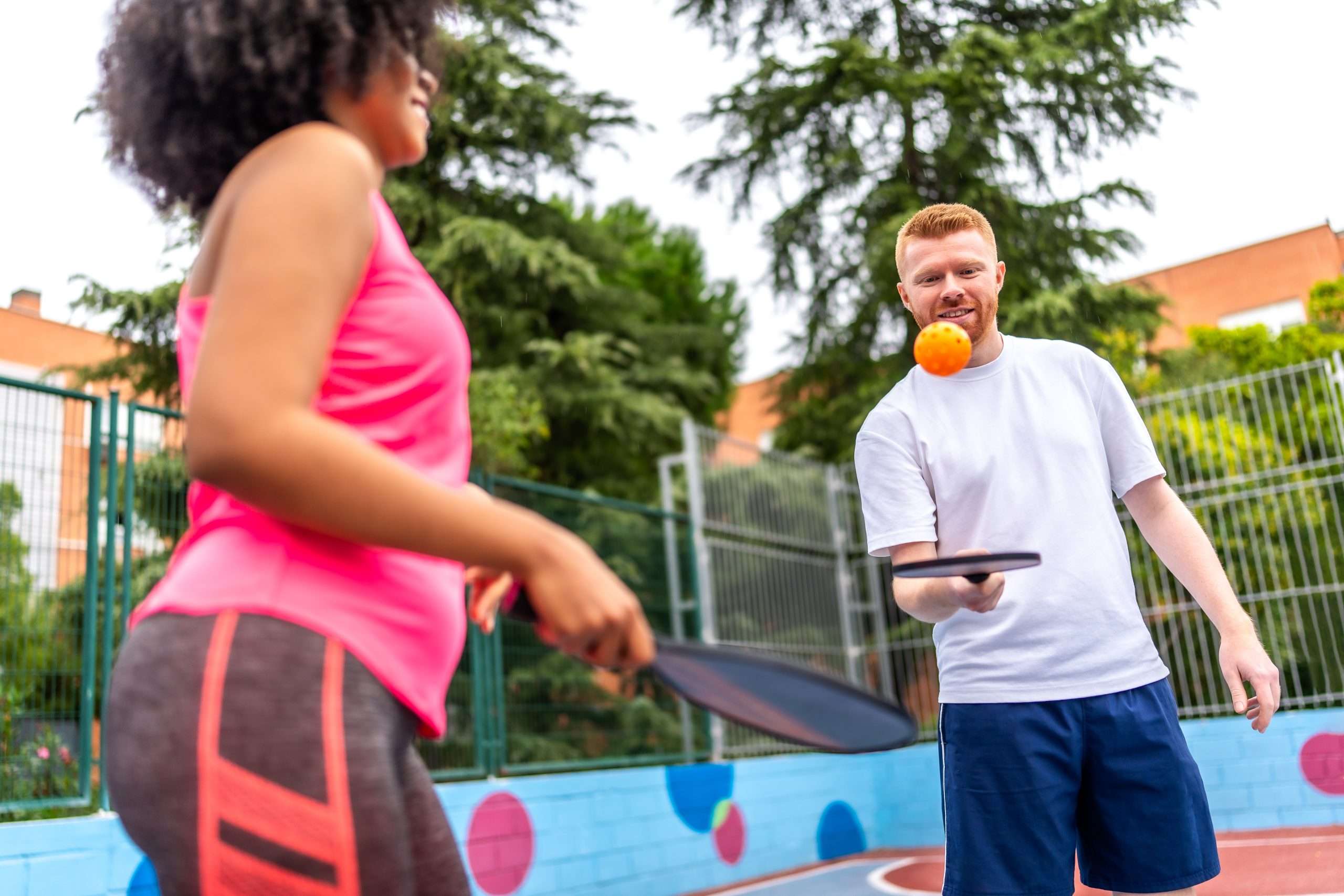
A pickleball community can make it easier to meet people because the activity gives strangers a shared task. You learn names while waiting for a game, change partners through rotation and return to the same place at the same time. The connection comes from repeated contact and considerate behavior, not from a guaranteed personality or age profile.
This guide is for a player looking to join a group. If you organize sessions and want to make them more welcoming, read the community-organizer guide.
Choose a group that matches your first goal
Decide what would make the visit worthwhile: learning the basics, meeting local people, finding balanced games or practicing for competition. A highly competitive session can be friendly and still be the wrong place for your first lesson. Likewise, a social beginner session may not supply the pace an experienced player wants.
Check facility schedules and the USA Pickleball Places to Play directory for starting points. The club directory can help you locate organized groups. Confirm current times, booking rules, fees and beginner support directly with the venue or organizer; a directory entry is not a reservation.
Ask four practical questions before going
- Is the session open to someone at my experience level?
- Do I need to register, reserve a court or bring a partner?
- How do players rotate, and who explains the queue?
- Can I borrow equipment, and what footwear does the facility require?
Share what you know accurately. “I have learned the rules but have not played a full game” helps an organizer place you more effectively than choosing a rating you do not understand. Mention access or mobility needs early so the venue can tell you what it can accommodate.
Make the first visit easier
Arrive with enough time to find the check-in point and watch a rotation. Introduce yourself to the host rather than stepping onto an occupied court. Ask where to wait and whether the group uses a paddle queue, sign-up sheet or another system.
Bring suitable court shoes, water and the required equipment. If you need a refresher, read the beginner rules guide. You do not need to demonstrate advanced technique to participate in a session designed for beginners.
Use the game to create conversation
Learn one or two names at a time. Simple questions—how long someone has played there, which session they like or how the rotation works—fit naturally between games. Give partners room to concentrate during rallies, and save longer conversations for waiting time.
Ask before coaching. Some players welcome a tip; others want to play without instruction. Praise a specific effort or communicate a shared plan rather than evaluating a stranger's ability. The USA Pickleball sportsmanship guide provides a reference for respectful play and clear conduct.
Expect different kinds of connection
A weekly court acquaintance, a reliable practice partner and a close friend are different outcomes. All can make participation easier to sustain. Avoid treating every group as a ready-made friendship circle or assuming that a quiet player is unfriendly.
Partner rotation can help you meet several people, but it does not erase differences in experience, finances, transport or comfort in a group. A welcoming session explains those expectations instead of relying on regulars to understand everything automatically.
Keep the digital group useful
Online chats work best for concrete coordination: weather cancellations, available spots, lost equipment and session details. Before sharing someone's photo or contact information, ask permission. Use the organizer's stated channel for questions rather than assuming every player wants private messages.
If a chat becomes noisy, keep the court connection without feeling obliged to follow every conversation. Joining a sports community does not require giving up boundaries around personal time or information.
Build a repeatable routine
Choose a session you can attend consistently. A convenient location and clear start time may matter more than an impressive facility you rarely reach. After a few visits, ask whether there is a practice group or beginner lesson that fits the skills you want to develop.
Offer small help when appropriate: returning stray balls, explaining the queue with the host's agreement or welcoming another newcomer. These actions make the next visit easier for everyone. They also let relationships develop through useful shared activity rather than forced networking.
Know when to try another group
If the published session repeatedly excludes your level, has unclear queues or tolerates disrespectful conduct, ask the organizer for a better option. You may prefer a coached class, a different time slot or a smaller group. A poor match at one venue does not describe the whole sport.
Evaluate the community by what happens in practice: understandable rotation, respectful games and a realistic chance to join again. The best social setting is one where you can take part comfortably and return by choice.
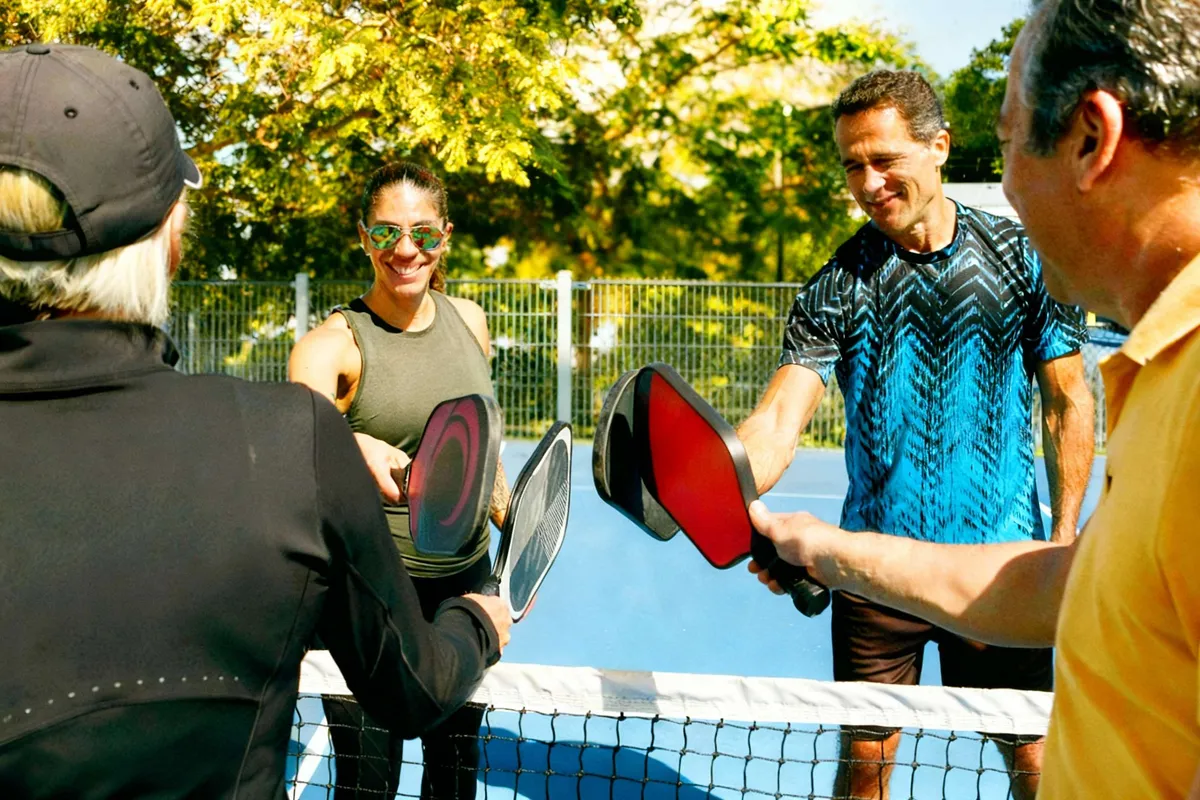
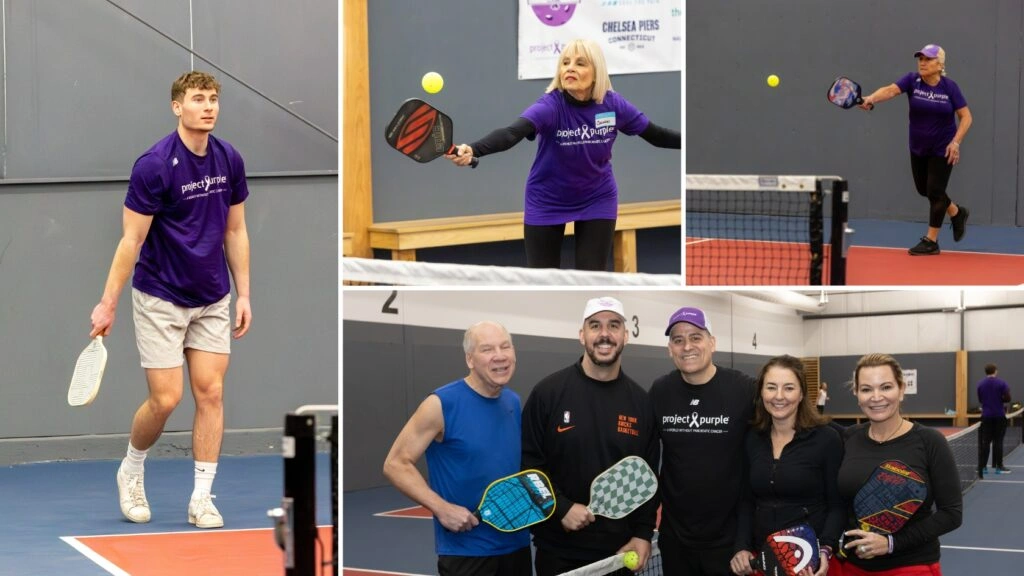
Community play illustrations
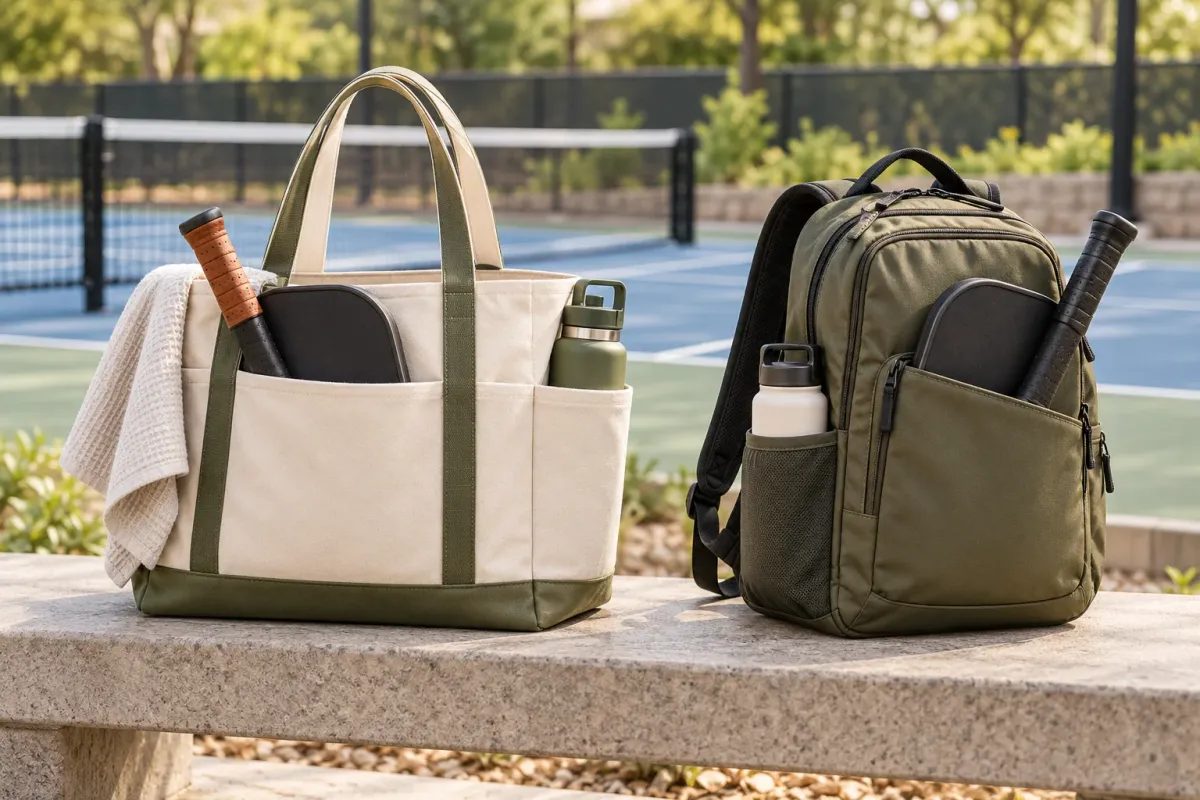
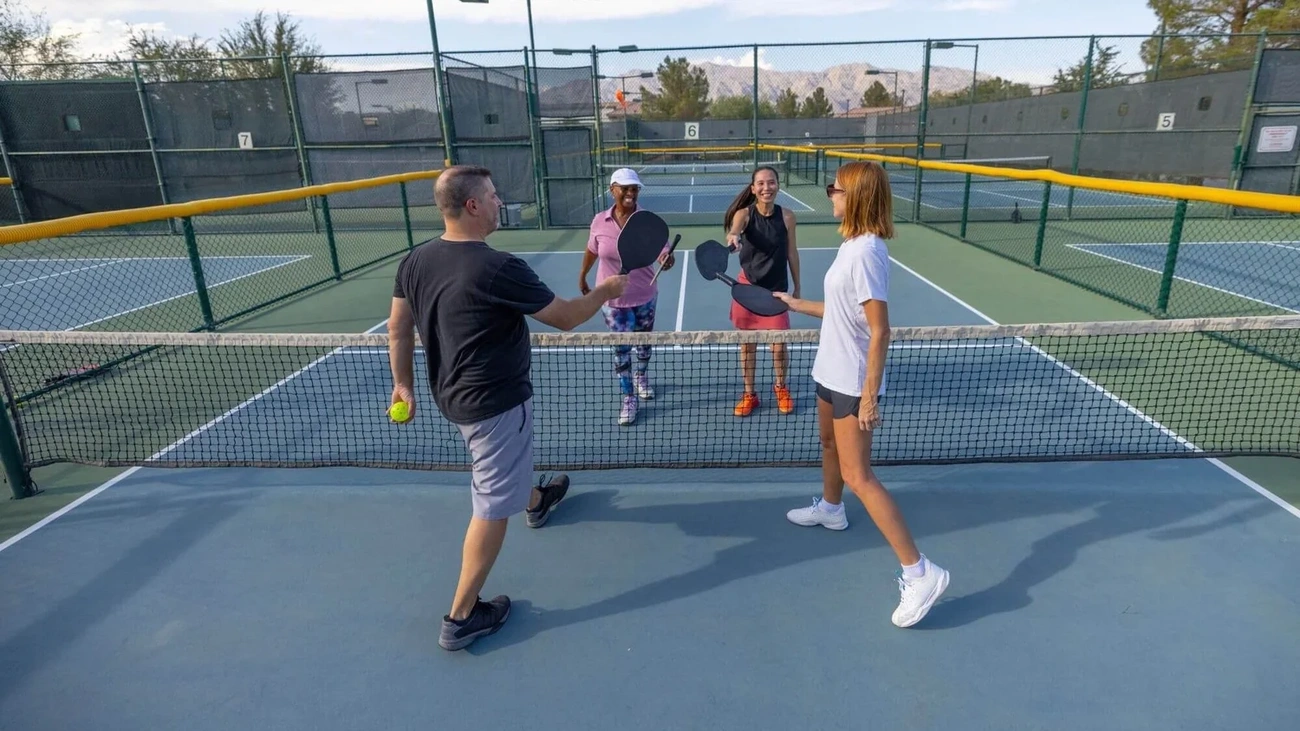
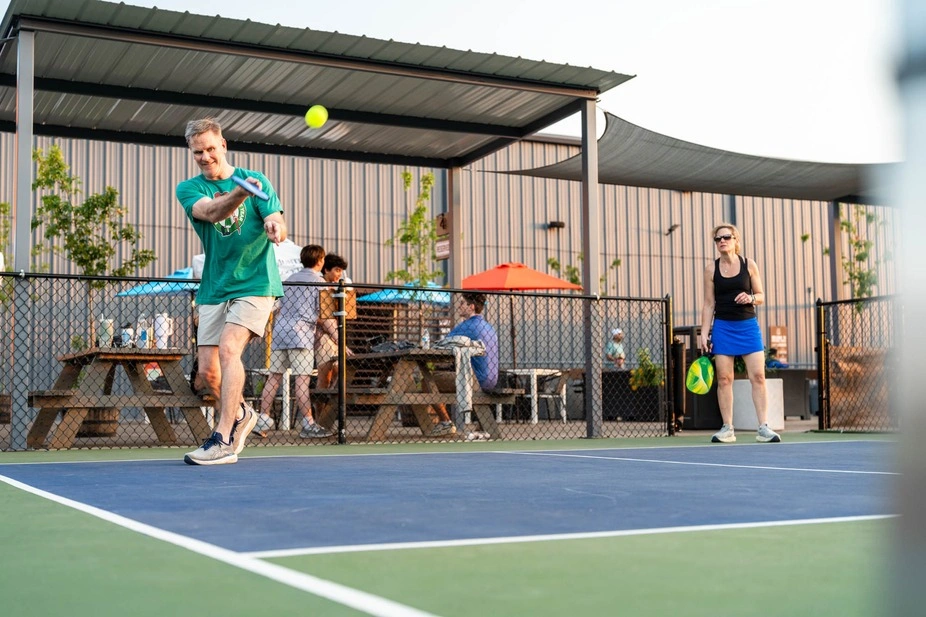
Visual examples of equipment and court settings. Images are illustrative; current specifications and fit should be checked with the maker or retailer.
Frequently asked questions
Can I attend open play without a partner?
Often you can, but each session has its own booking and rotation rules. Ask the organizer before arriving so you know whether solo players are matched and which experience levels are welcome.
Do I need an official rating to join a club?
That depends on the session. Describe your experience honestly and ask how the organizer assigns games. Beginner classes may be a better start than a rating-based competitive group.
What if I feel uncomfortable giving out my contact details?
You can participate without sharing private information with every player. Use the venue’s official registration process and choose which social or messaging groups you want to join.