

A court schedule becomes a community when people know how to join, understand how games are assigned and trust that the rules apply consistently. An organizer can make that happen with clear information and a few repeatable routines.
This guide is for volunteers, club hosts and facility coordinators. A player preparing for a first visit can use the guide to joining a local group. The ideas below are an organizing framework, not a claim that one format suits every venue.
Publish an invitation people can act on
State the place, start and finish time, booking method, cost and intended experience level. Include what players need to bring and whether loan paddles are available. Explain cancellation rules and where weather updates will appear.
Use specific descriptions such as “new players who know the basic rules” or “coached introduction; no game experience needed.” An invitation saying only “all welcome” leaves beginners unsure whether instruction is included and regulars unsure what pace to expect.
Create a visible way into the rotation
Show where a newcomer checks in. Use a paddle queue, sign-up board or another system that players can understand without knowing a regular member. Give one host responsibility for explaining it at the beginning.
| Decision to publish | Why it matters |
|---|---|
| How many players leave after a game | Prevents different courts using conflicting assumptions |
| How waiting players enter | Makes the queue visible and predictable |
| How partners are assigned | Reduces dependence on existing friendship groups |
| How ties or time limits work | Keeps a busy session moving |
| Who resolves queue questions | Gives players a calm point of contact |
Revisit the format when attendance changes. A rotation that works with a few spare courts may create long waits when every court is occupied. Explain a change before applying it instead of correcting players after the fact.
Give beginners a real entry point
Offer a short orientation or a separate learning session when possible. Explain the serve, two-bounce rule and non-volley zone using the official USA Pickleball summary. Do not promise ongoing coaching from volunteers unless someone has agreed to provide it.
Pair a newcomer with a willing host for the first game. Ask both players rather than assigning a regular member an unexpected teaching role. Keep an obvious route from introductory play into a suitable next session so that people know how to return.
Balance social access and competitive expectations
Separate session purposes when demand supports it: introductory play, mixed social rotation and level-based games can each have a place. Make the method of assigning levels explicit and provide a contact for questions. Avoid letting an informal regulars' group silently control admission to public courts.
Consider costs, transport, equipment borrowing and accessibility in the invitation. Ask participants about barriers instead of assuming that all players have the same resources or mobility. If a venue cannot accommodate a need, say what is available and help locate a more suitable session when possible.
Write a short conduct policy
Use the USA Pickleball sportsmanship guide as a reference, then state local expectations plainly: respect opponents, make honest calls, ask before coaching and keep disputes away from the next game. Include how players report a concern privately.
A policy is useful only if the host can apply it. Decide who handles repeated behavior problems and what steps follow. Respond consistently, document the practical issue and avoid turning the group chat into a public argument about a participant.
Keep the online group organized
Pin one current session guide and use a single channel for changes. Distinguish confirmed events from tentative ideas. If someone wants to promote equipment or a paid lesson, establish the posting rules before the chat becomes crowded with advertisements.
Ask before posting identifiable photos, and give players a way to opt out. Collect only the information needed for registration and session coordination. Tell participants who can see a sign-up list; do not publish phone numbers merely because they were supplied to a host.
Share the work so the group can continue
Assign small roles: greeting players, maintaining the queue, checking equipment and posting cancellation notices. Give each role a short set of instructions and a backup person. A group that depends on one volunteer being present every week is vulnerable to an ordinary schedule change.
Keep a session record with attendance, waiting time observations and questions newcomers asked. These are operational notes, not a reason to collect personal profiles. A short review can reveal whether a second beginner time slot or clearer instructions would solve the main frustration.
Measure the welcome through behavior
Ask whether new players found the queue, entered suitable games and knew what to do next time. Watch who consistently waits and who gets repeated access. Attendance alone can hide an uncomfortable experience.
Make one improvement at a time and explain it to the group. A dependable start time, an understandable rotation and a host who follows through can give the community a stronger foundation than an oversized launch event.
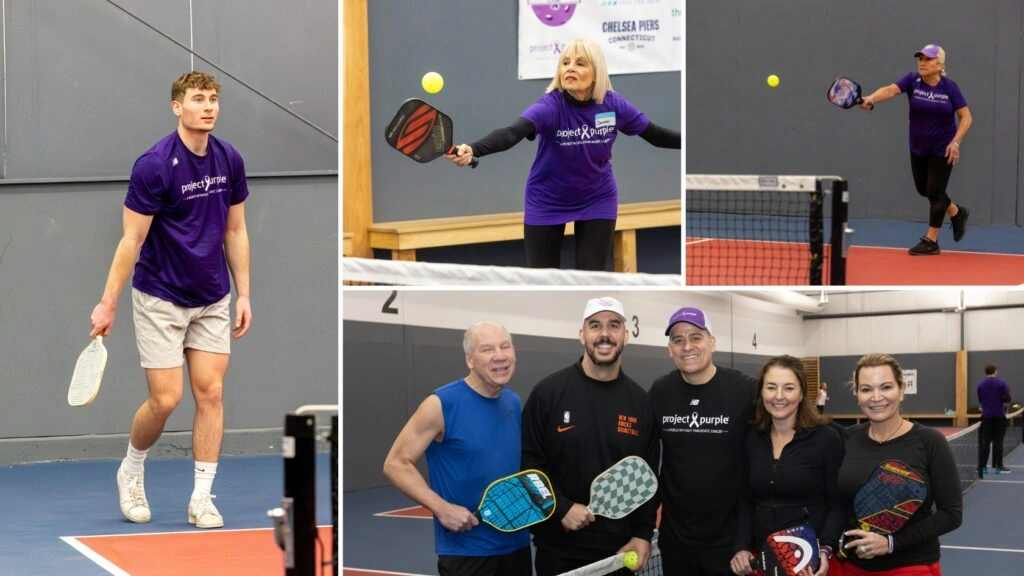
Club and open-play illustrations
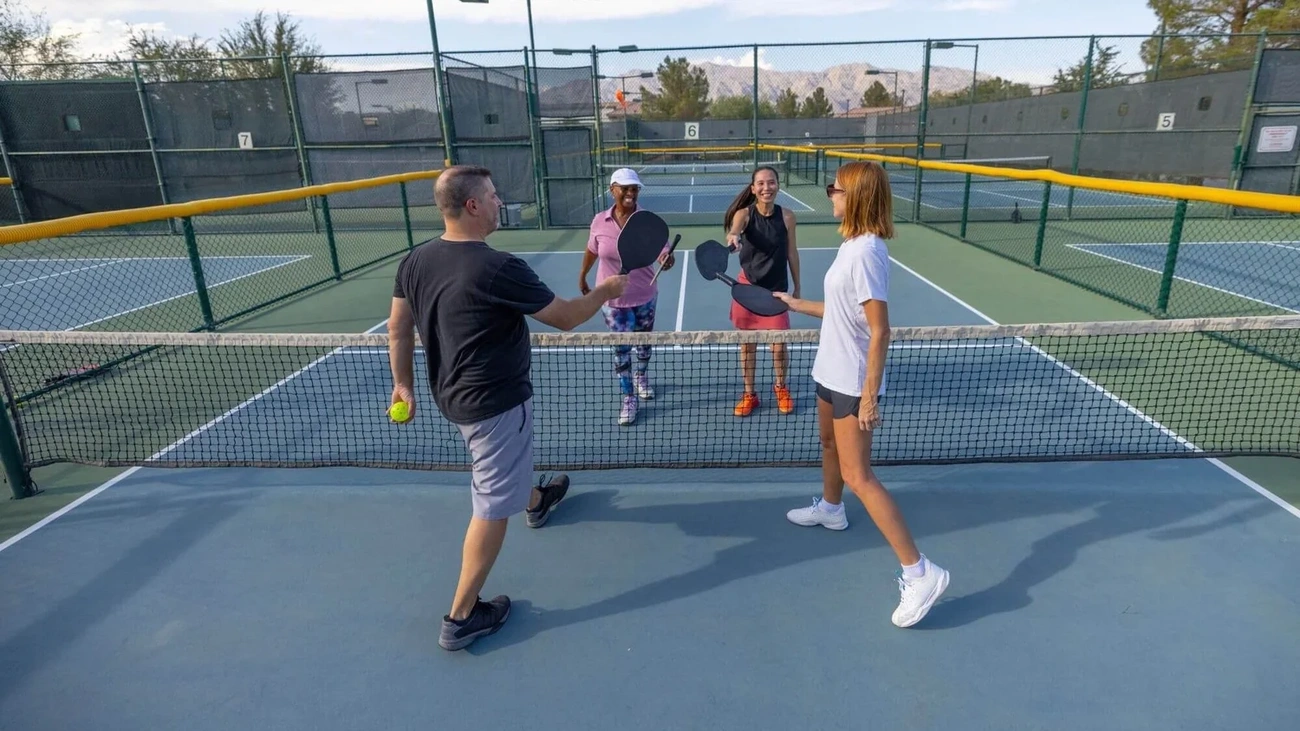
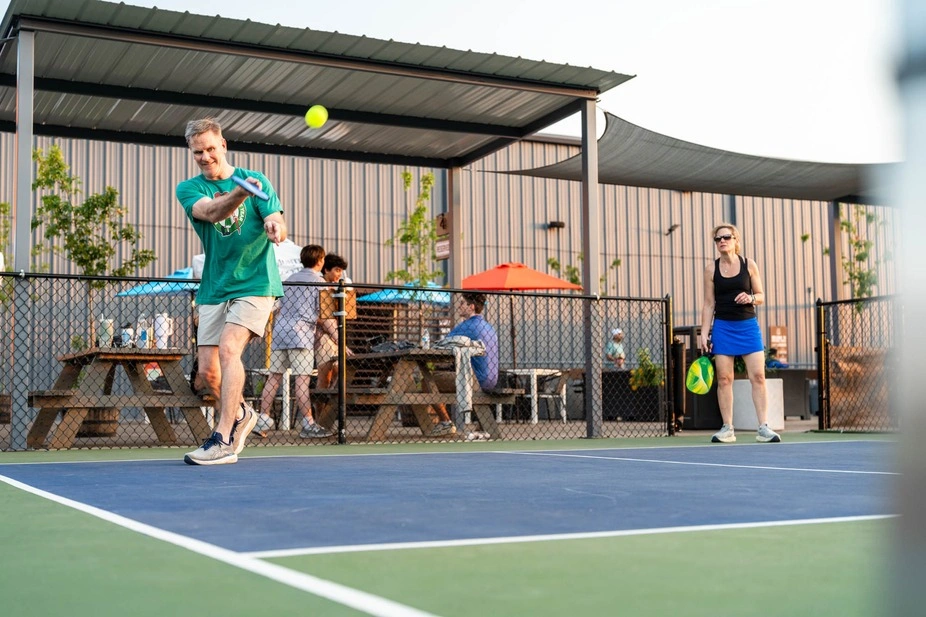
Visual examples of equipment and court settings. Images are illustrative; current specifications and fit should be checked with the maker or retailer.
Frequently asked questions
What is the fairest open-play rotation?
No single rotation fits every attendance level and venue. Publish how players enter and leave games, make the queue visible, and adjust the format openly when waiting times become a problem.
Should beginners and advanced players always share courts?
The session’s purpose should guide the format. Mixed social play can work when expectations are clear, while introductory instruction and level-based games may need separate time slots.
How can a club avoid relying on one volunteer?
Divide the work into small roles with written instructions and backups. Keep the schedule, rotation and cancellation process accessible to the next host.