Pickleball offers a way to move, react to a ball and spend time with other people. When the game keeps you active at an appropriate effort, it can contribute to the benefits of regular physical activity. It should not be described as a guaranteed treatment or as protection from every injury.
This article explains the potential contributions and limits. For a practical weekly schedule and a method of counting moving time, use the pickleball activity-plan guide.
Aerobic movement is the clearest contribution
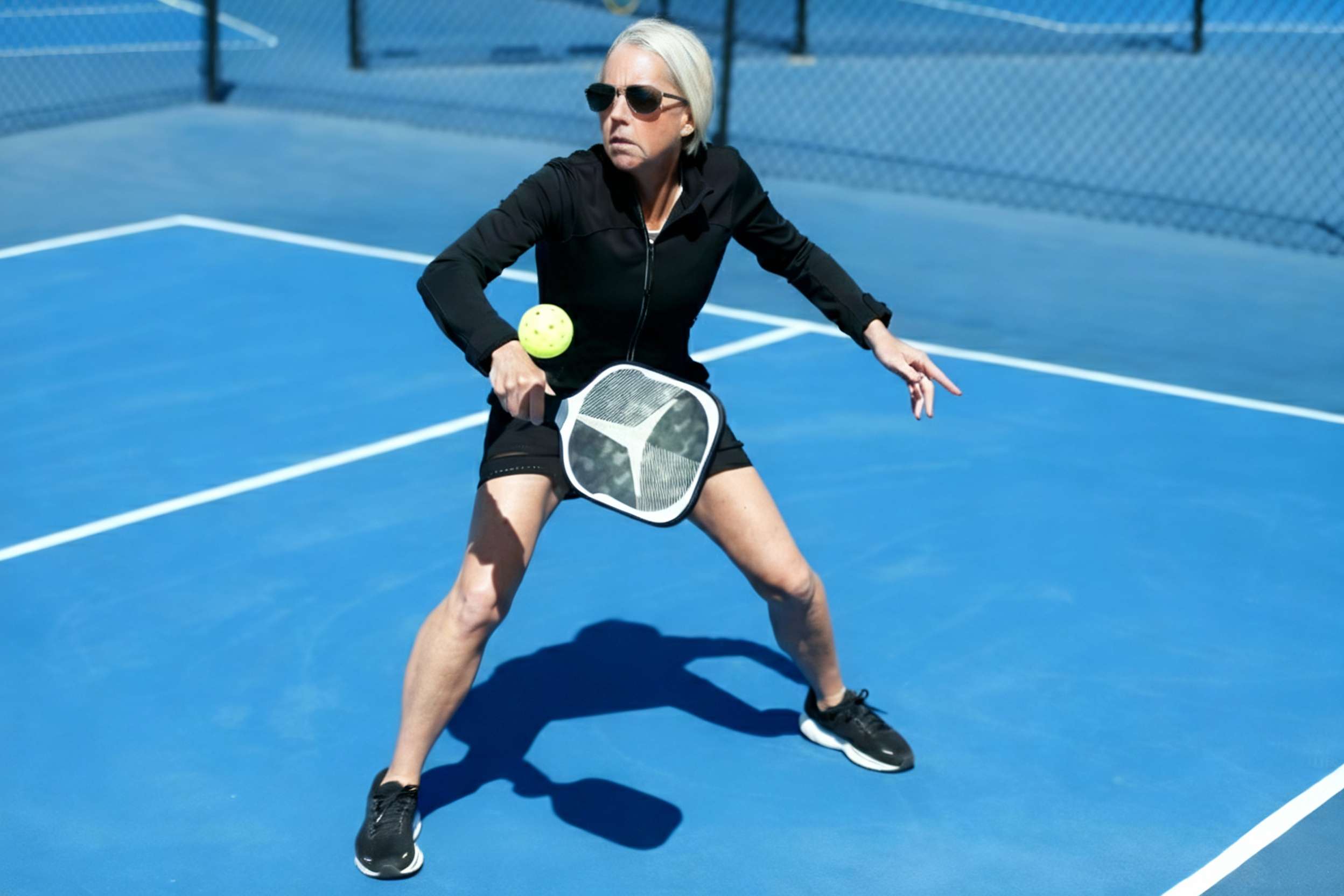
Moving around the court can raise breathing and heart rate. The effort varies: a gentle doubles rally may be much less demanding than sustained singles movement. Playing frequency, waiting time and individual fitness determine how much useful activity a session supplies.
The CDC describes broad benefits of regular physical activity, including support for heart health, sleep and daily function. These are findings about activity in general. They do not prove that every pickleball session delivers a particular health outcome or that the sport is superior to other activities.
Balance and coordination need appropriate practice
Tracking the ball, adjusting the feet and reaching with a paddle gives you opportunities to practice coordinated movement. Those demands also create situations where control matters. A rushed reach or an awkward backward chase is not automatically beneficial balance training.
Build the movement gradually and use a pace that lets you stay in control. If you want a targeted balance program, choose one appropriate to your needs rather than relying solely on games. The CDC recommends older adults include aerobic, strength and balance activities in their overall routine.
Enjoyment can support regular participation
A scheduled game can make activity easier to repeat. Partners provide a reason to arrive; a shared task gives the session a focus. That social structure may suit someone who finds solo workouts difficult to maintain, although it will not appeal equally to everyone.
Choose a welcoming group and a session with realistic expectations. If the games are too fast, you spend most of the visit waiting or the setting feels uncomfortable, another session may be a better way to stay active. See how to join a local pickleball community for practical questions to ask.
Know what the game does not cover
| Fitness need | How pickleball may contribute | What to add or assess |
|---|---|---|
| Aerobic activity | Active rallies and court movement | Check actual moving time and effort |
| Strength | Some movement demands | A planned routine covering the relevant muscle groups |
| Balance | Footwork and controlled reactions | Targeted practice if needed |
| Social participation | Shared games and recurring sessions | A group that is comfortable and accessible |
| Recovery | No automatic guarantee | Rest, tolerable workload and individual advice when appropriate |
Weight change cannot be predicted from the sport alone. Food intake, total activity and other factors influence the outcome. Avoid treating a watch's calorie estimate or a promotional “burn per hour” figure as a personal promise.
Take injury risk seriously without assuming the sport is unsafe
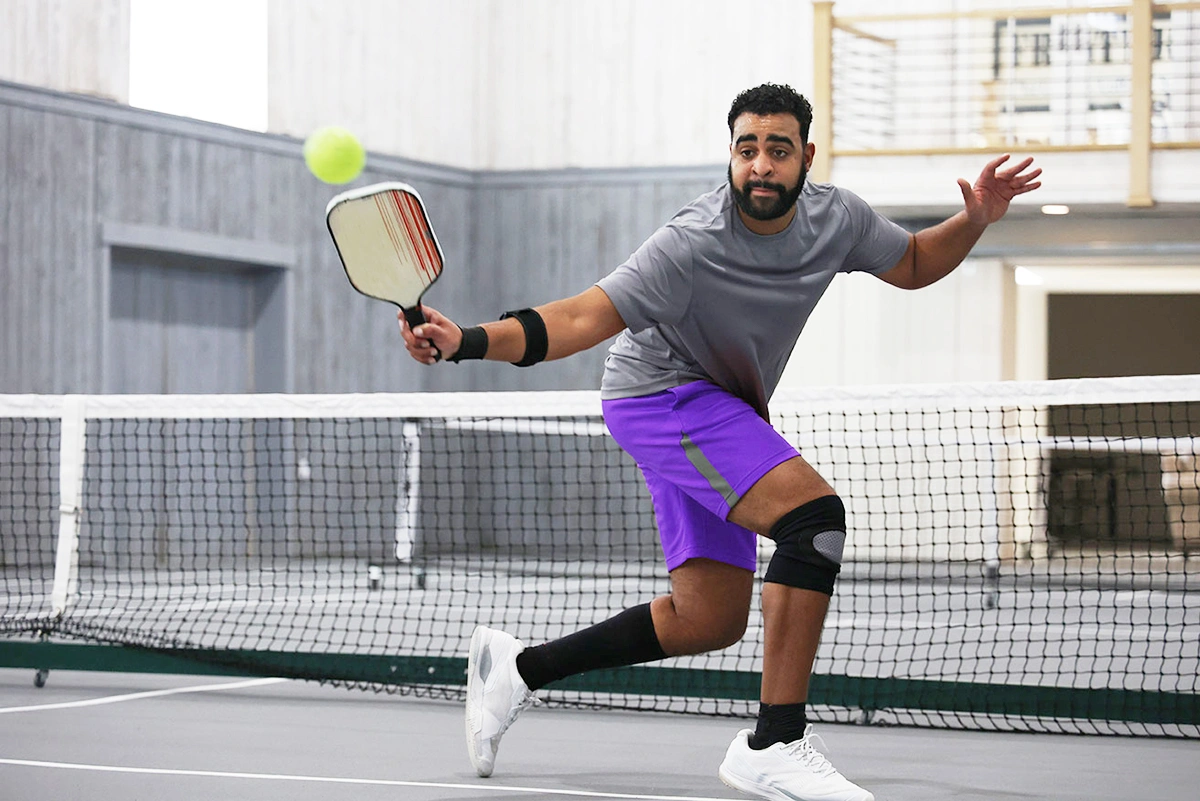
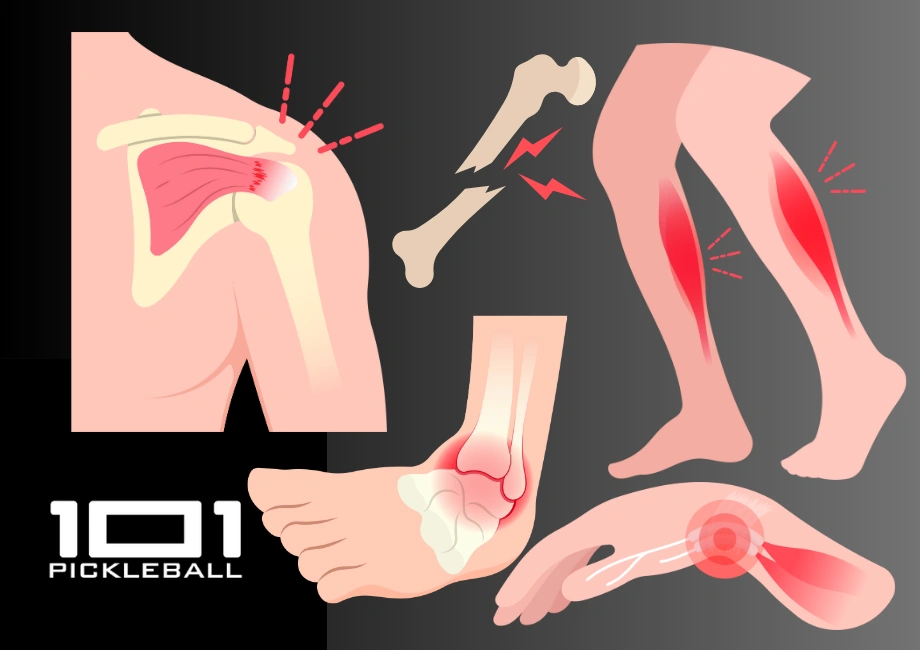
Pickleball involves quick steps, reaching and stopping. Falls, collisions and overuse can occur. A smaller court does not mean that anyone can play at any intensity without preparation. Choose games suited to your ability, keep the area clear and avoid chasing a ball into another active court.
Use appropriate footwear, begin gently and increase playing volume gradually as tolerated. When a ball passes overhead, avoid an uncontrolled backward chase. Letting one point go is preferable to moving in a way you cannot manage safely.
Adapt the setting to the person
A beginner may need instruction and shorter sessions. An experienced player returning from time away may need to lower the pace before resuming a previous schedule. An older adult or a person with a health condition may need an individual plan for effort and movement.
Ask the facility about accessible courts, rest areas and suitable session formats. The sport's wheelchair rules are available from USA Pickleball, but actual venue access and instruction need to be confirmed locally.
Use individual advice when the situation needs it
Discuss new activity with a qualified professional if you have a condition, recent injury or symptoms that make the appropriate workload uncertain. Persistent pain, swelling or a change in walking deserves assessment. Stop and seek urgent care for concerning symptoms such as chest pain or fainting.
For everyone else, start from a manageable session and notice how you feel during play and afterward. The purpose is sustainable movement, not proving that you can keep pace with another person.
Judge the benefit by the routine you maintain
Track whether you attend consistently, remain active during sessions and recover comfortably. Add other activity where the routine has gaps. A game you enjoy can be a valuable part of healthful movement without being a complete fitness program or a medical treatment.
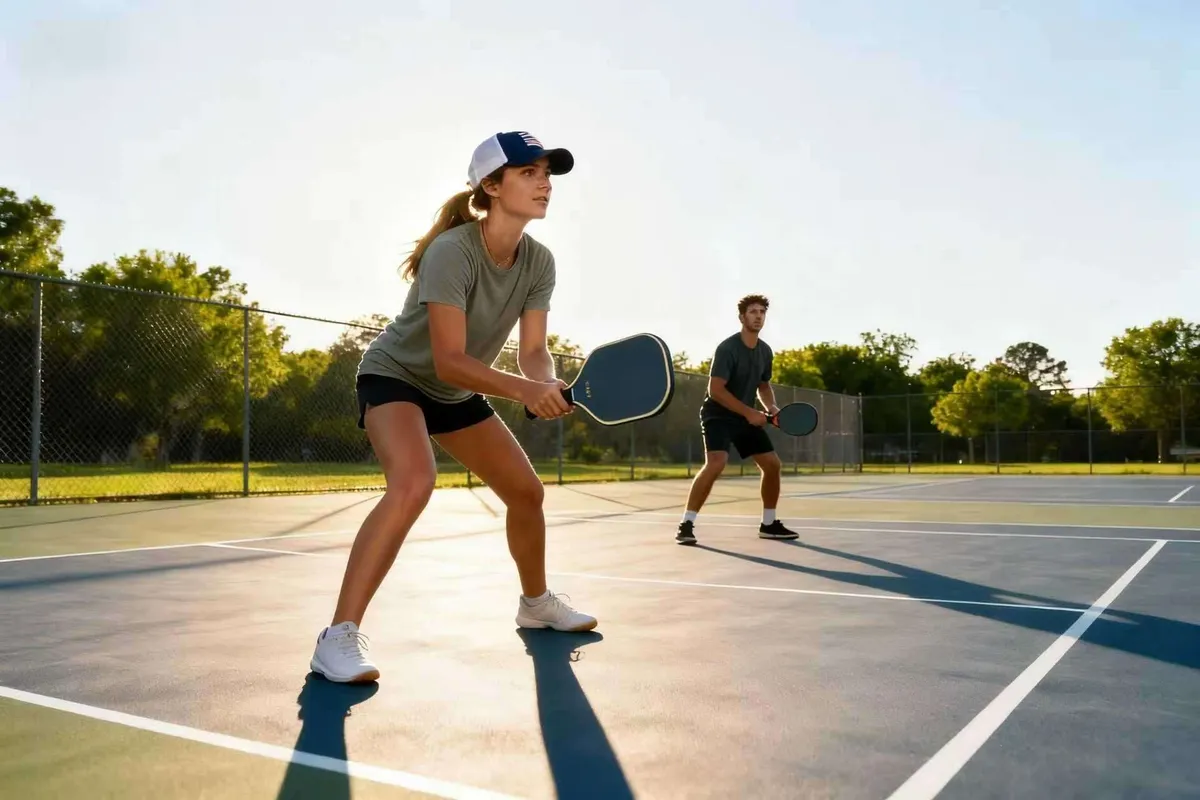
Movement and health illustrations
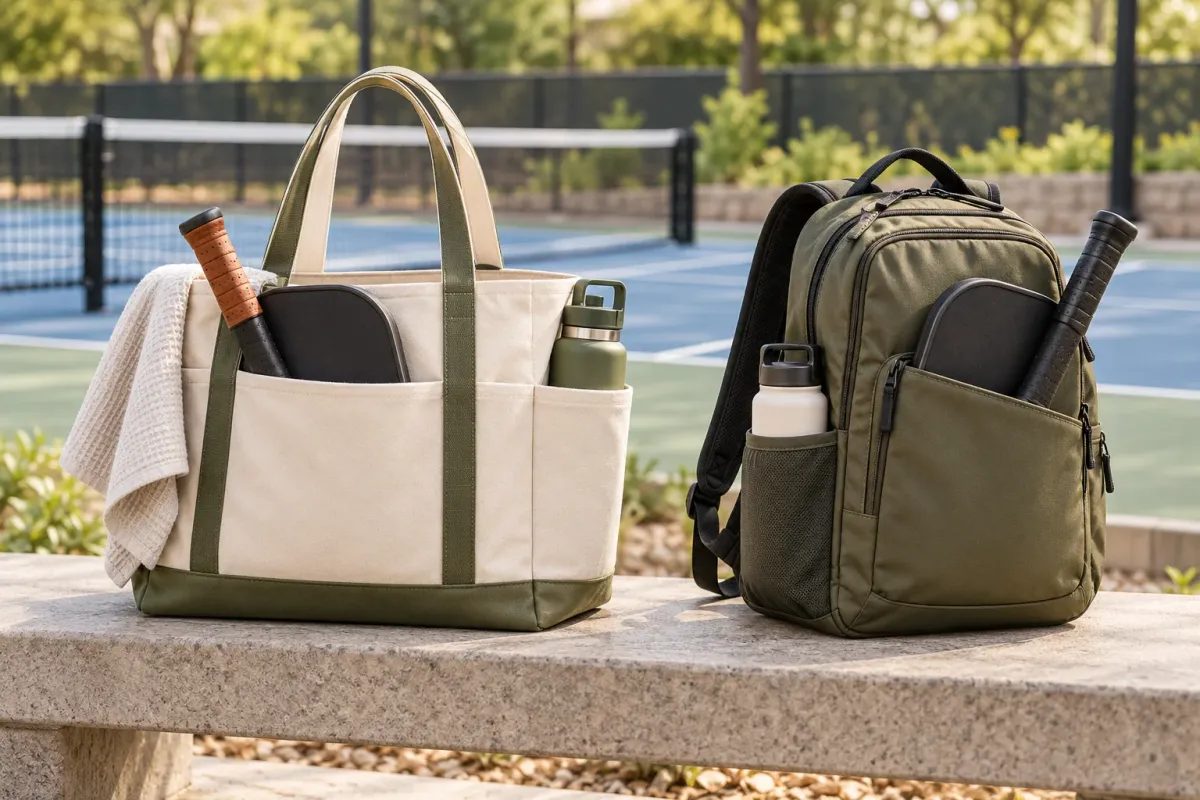
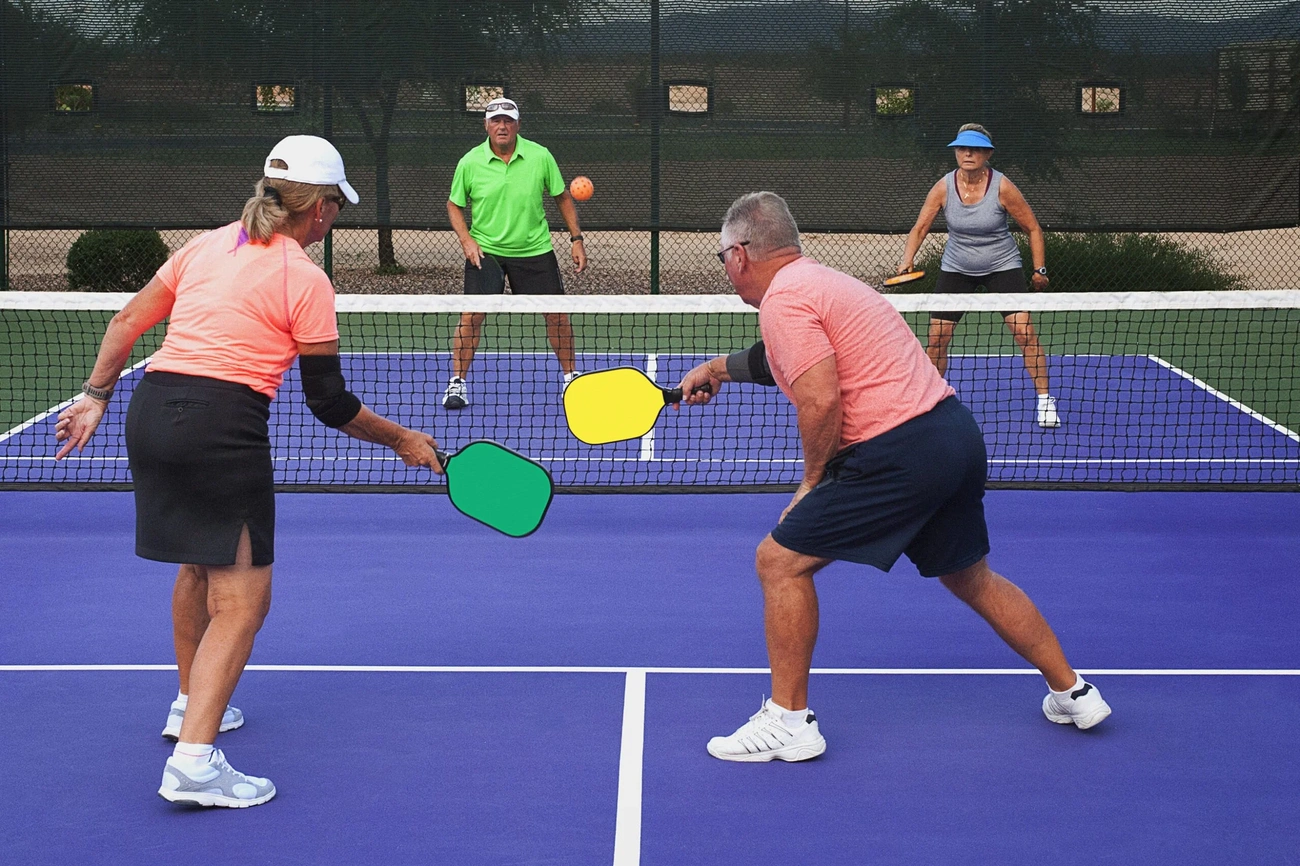
Visual examples of equipment and court settings. Images are illustrative; current specifications and fit should be checked with the maker or retailer.
Frequently asked questions
Is pickleball automatically moderate-intensity exercise?
No. Effort varies with the game, waiting time and your fitness. Assess how hard you are working rather than assigning the same intensity to every session.
Does pickleball prevent falls?
The sport itself should not be described as a guarantee of fall prevention. Older adults should include suitable balance and strength activities in the wider routine, with individual guidance where needed.
Is pickleball suitable for someone returning from injury?
Suitability depends on the injury and recovery plan. Ask the professional managing the recovery about movement, intensity and progression before returning to competitive pace.