
A skort's outer shape can look right while the waistband or liner feels wrong. A better fitting process checks each layer separately and then tests the garment as you would wear it. It also asks whether the care routine suits your week.
This guide covers measurements, fit problems and maintenance. If you are deciding between pleated, A-line or longer styles, start with the skirt-style comparison.
Use the seller's measuring method
Read whether the chart lists body measurements or the garment laid flat. Those figures are not interchangeable. Measure the areas the seller requests and compare the exact style's chart; one size label can describe different cuts within the same brand.
Check the outer skirt length and the liner inseam separately. A longer skirt does not necessarily contain a longer liner. Ask about missing dimensions before ordering if coverage or thigh fit is central to your choice.
Fit the waistband without relying on tightness
Stand, sit and bend gently. The waistband should remain comfortable and reasonably secure without pressing painfully or requiring constant pulling. Notice whether it rolls, gaps at the back or moves when the pockets contain items.
If the hips fit but the waist does not, another rise or cut may work better than changing the whole size. A drawcord can offer adjustment when supplied, but it is not a cure for a garment whose proportions do not suit you.
Test the liner as its own garment
Check seam locations, leg openings and the contact between thighs and liner. Walk, make a gentle lateral step and return to a ready stance. If the shorts ride up repeatedly or grip the leg uncomfortably, identify whether the issue is length, opening tension or the overall cut.
Do not infer performance support from how tightly the liner compresses. Choose the feel you tolerate and the movement you need. If a skin irritation or medical issue affects clothing choice, get individual advice rather than accepting a universal fabric claim.
Run a practical fitting sequence
- Try the skort with the underwear and top you intend to wear.
- Check sitting comfort before testing court movement.
- Make a comfortable ready stance and small side steps.
- Reach gently forward and to each side while checking coverage.
- Place only the intended items in the pockets and repeat.
- Notice whether you must adjust the waistband or liner after each movement.
Keep tags and follow the retailer's indoor try-on rules until the decision is complete. A longer test does not mean wearing the garment to a full game and expecting it to remain returnable.
Troubleshoot the problem, not just the size
| Problem | Possible fitting issue to investigate | Useful next comparison |
|---|---|---|
| Waist gaps while hips fit | Waist-to-hip proportions or rise | A different cut or adjustable waistband |
| Liner rides up | Liner length, opening or shape | A liner with different dimensions |
| Outer layer restricts movement | Cut or fabric movement | A roomier silhouette |
| Pocket pulls the garment down | Load and placement | A different pocket layout or leaving the item in the bag |
| Seam rubs | Seam placement or fit | A construction with a different contact point |
These are questions to test, not diagnoses. More than one factor can contribute, and changing the size can introduce a new problem. Compare garments systematically so you know what improved.
Read care instructions before purchasing
Check washing, drying and any special warnings. The FTC explains that garment care labels cover appropriate cleaning methods and relevant cautions. Follow the particular label rather than applying a generic sportswear recipe to every blend and construction.
If a style requires care you cannot reasonably maintain, choose another option. Do not assume high heat, bleach or fabric softener is suitable. Ask the maker when the label or care information is missing.
Keep a useful garment in service
Check seams, pockets and waistband condition periodically. A small seam repair may extend use when the fabric and fit are otherwise sound. Wash as instructed, dry fully before storing and avoid leaving damp clothing sealed in the sports bag.
When your needs change, donate only a clean, usable garment to a recipient who accepts it. For a wider equipment routine, see the maintenance and reuse guide. If the item can no longer serve its purpose, confirm the local textile collection rules rather than assuming every bin accepts every condition.
Save the details of the fit that worked
Record the exact style, size, measurements and liner construction. A future release may fit differently, so keep the record as a starting point rather than a guarantee. The best purchase is the one that remains comfortable in motion and practical to care for after the first game.
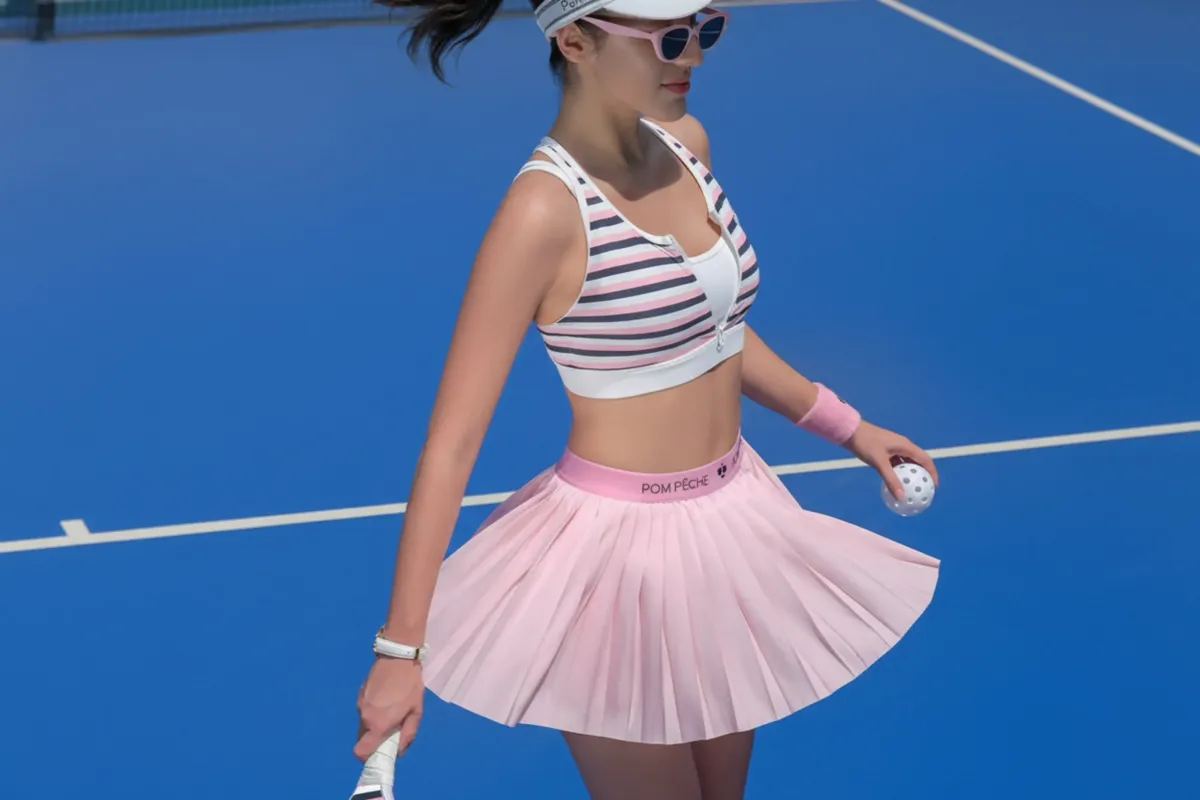
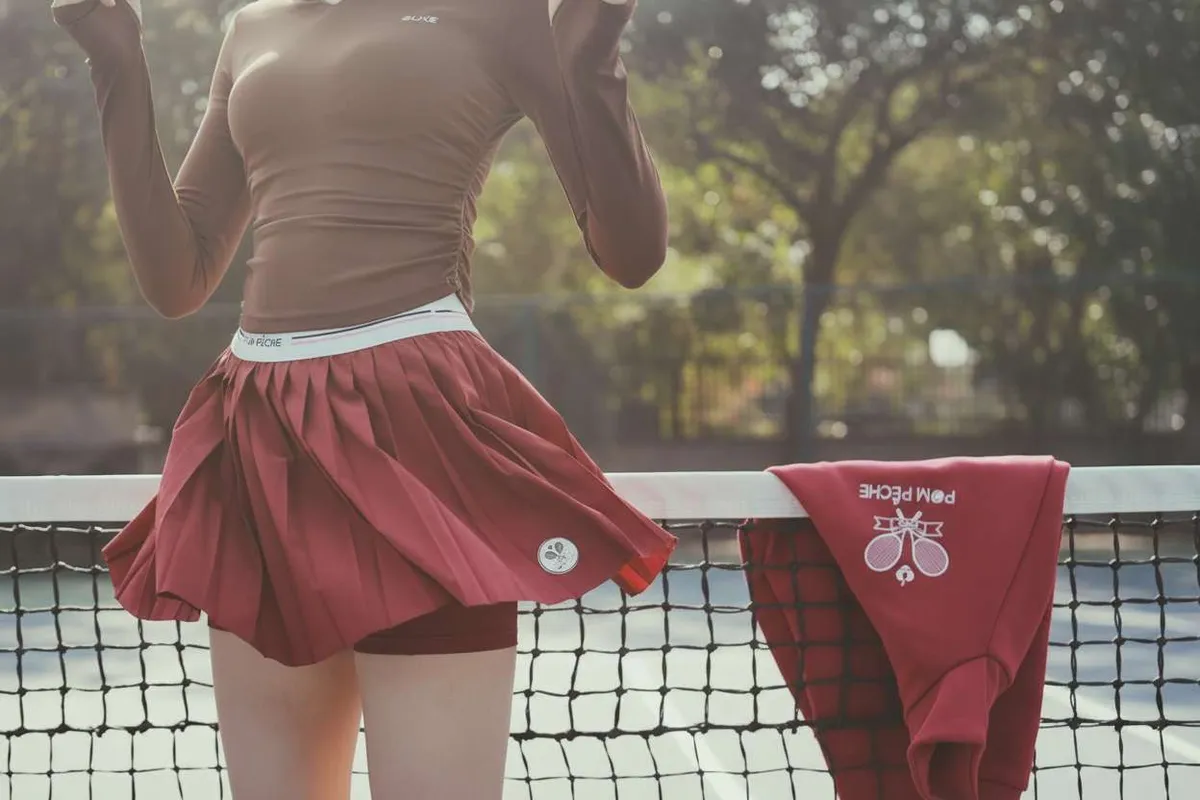
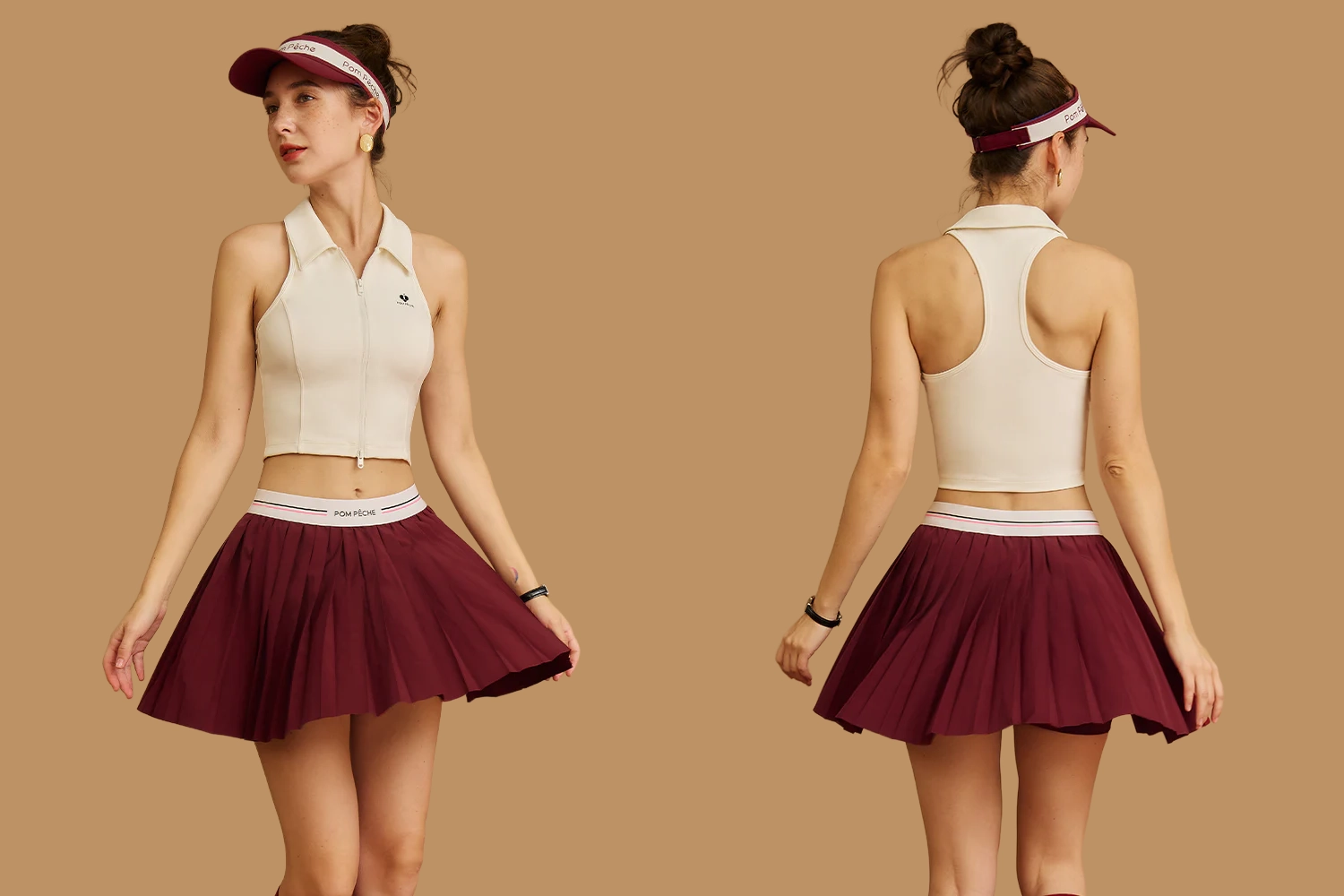
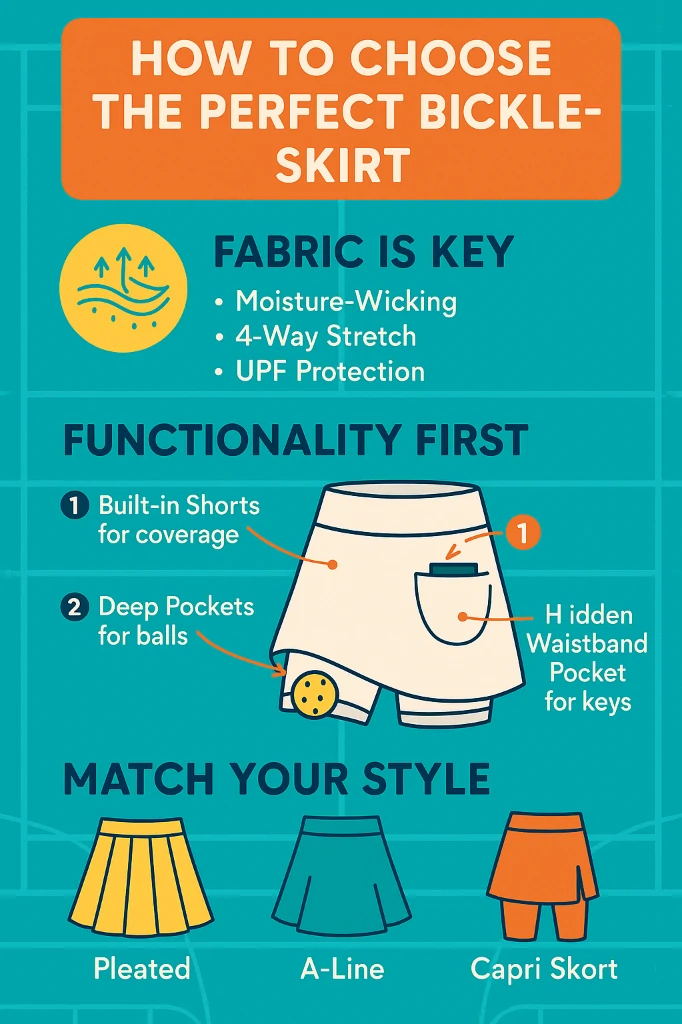
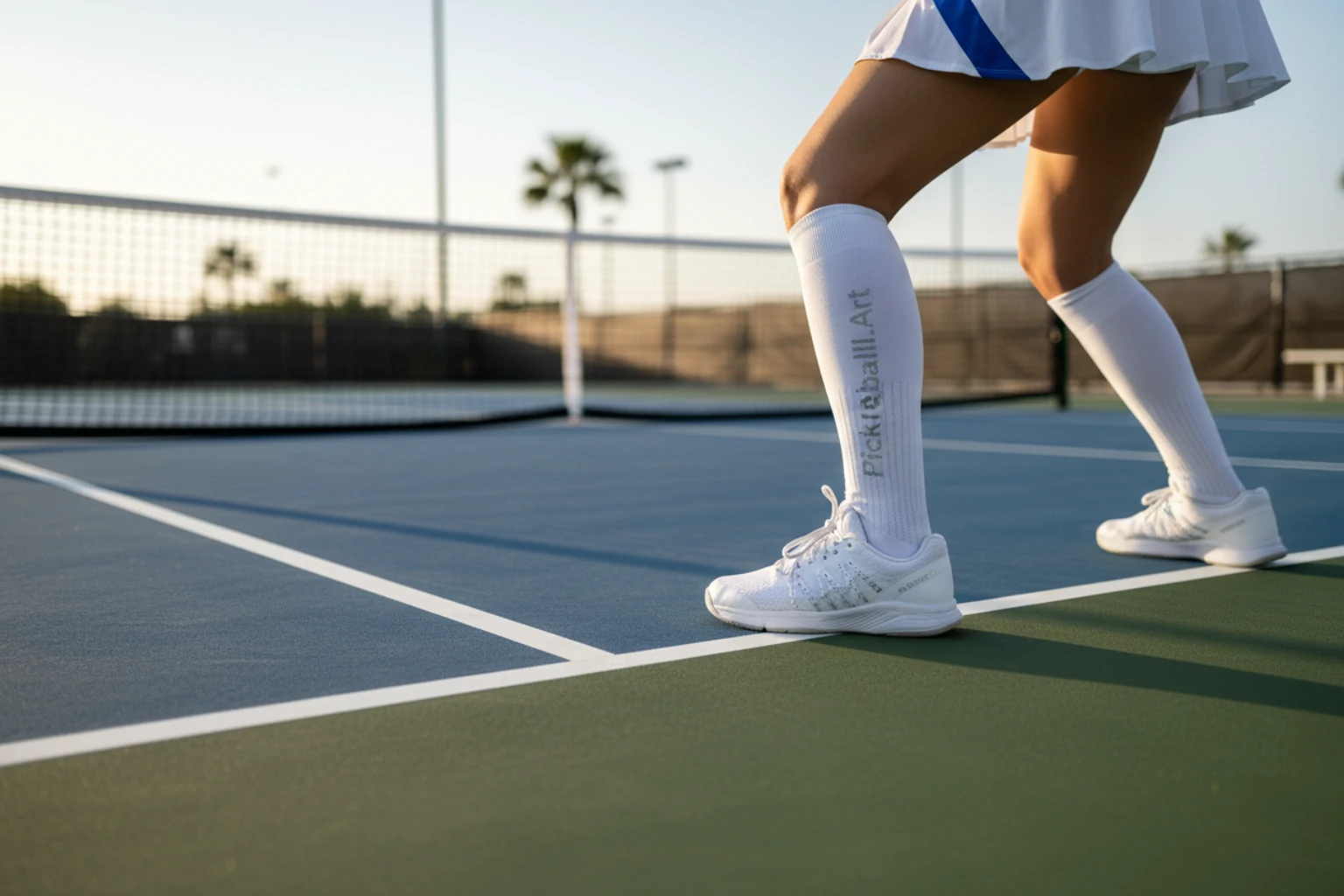
Skort fit and construction illustrations
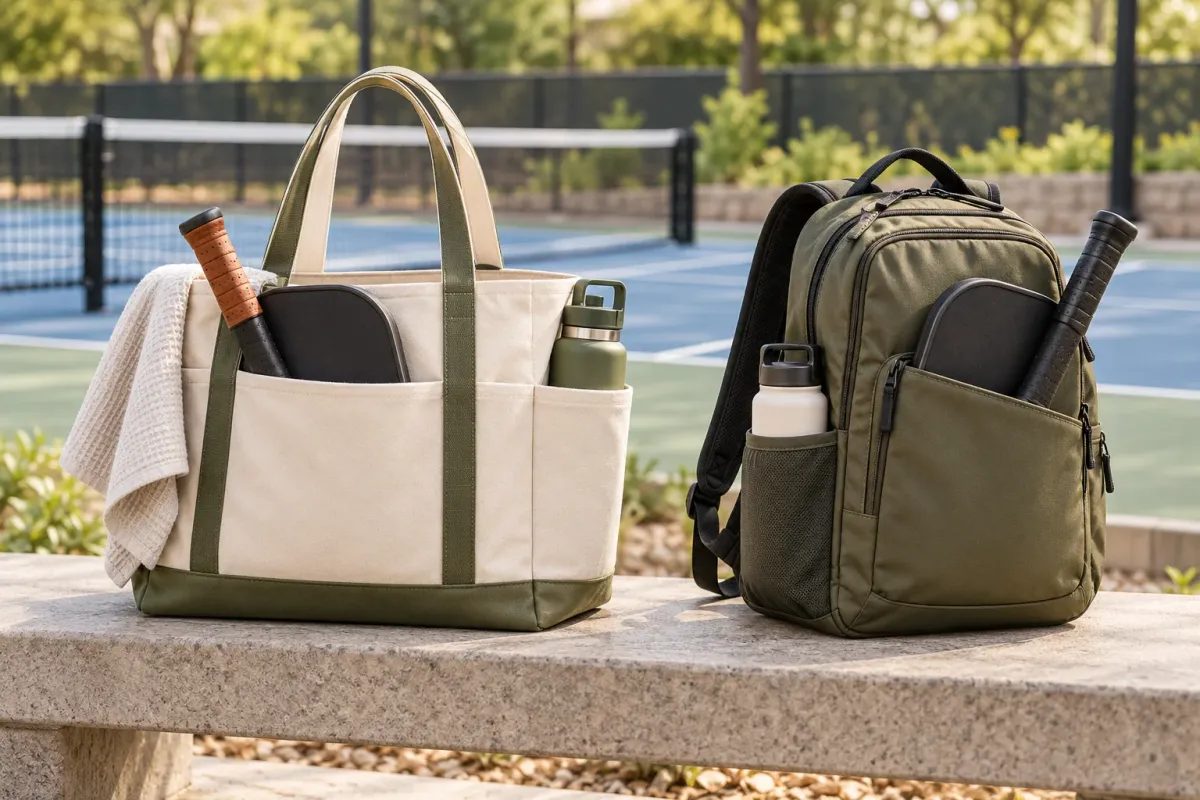
Visual examples of equipment and court settings. Images are illustrative; current specifications and fit should be checked with the maker or retailer.
Frequently asked questions
Why does a skort liner ride up?
Several fit details can contribute, including length, opening tension and shape. Compare those dimensions and test gentle movement. Automatically sizing up may change the waistband without solving the liner fit.
Should I use my usual clothing size?
Use the exact style’s chart and confirm whether it lists body or garment measurements. A familiar size label does not guarantee the same fit across brands or cuts.
Can all athletic skorts be machine-dried?
Follow the garment’s own care label. Fabric, lining, trims and construction differ, so there is no single drying method that can safely be assumed for every skort.