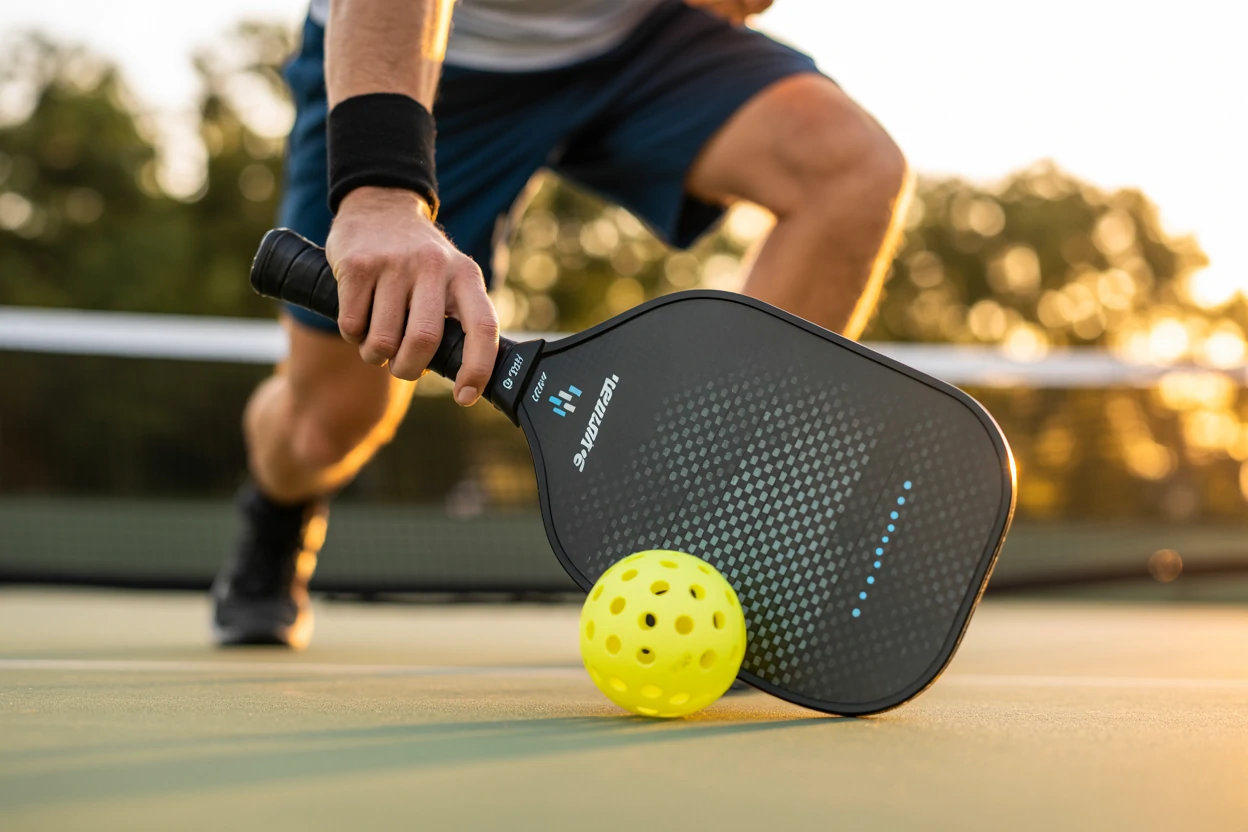
A paddle demo should answer a narrow question: which candidate helps you play the shots you need without creating a larger problem elsewhere? A few powerful drives are not enough to judge that. You need a baseline, ordinary rally tasks and notes you can compare afterward.
If you are still deciding whether to buy anything, start with the keep-or-upgrade checklist. This guide focuses on a fair comparison once you have identified a reason to try another paddle.
Choose the comparison goal before the session
Pick one main issue and one secondary check. For example, the main issue might be handle comfort during a two-handed backhand, with block control as the secondary check. Another player may prioritize quick preparation while checking that touch shots remain manageable.
Write the goal before seeing a promotional review or talking about a price. Otherwise, the explanation for a purchase can change to match whichever paddle feels exciting in the moment.
Keep the conditions as consistent as practical
Use the same court, ball type, partner and usual shoes. Inspect the demo equipment for condition. Ask whether the paddle has added weight or a changed grip, since those alterations can affect the comparison. If possible, compare a small shortlist rather than many candidates in one session.
Begin with your current paddle, then switch to one candidate and return to the baseline. Alternating helps reveal whether a good stretch was due to the paddle or to warming up. This is a personal fitting exercise, not a controlled laboratory test or evidence for a public performance claim.
Run four ordinary shot tasks
- Soft exchange: play cooperative dinks to comfortable targets. Notice face control and whether the grip encourages tension.
- Block and reset: ask the partner for manageable pace and compare how easily you send a controlled reply.
- Serve and return: aim at generous targets rather than measuring maximum power.
- Game movement: play a short game segment and notice preparation, contact and recovery between shots.
Include a task related to your actual concern. If the handle length is the issue, repeat your normal backhand setup. If you are missing routine contact, note where the ball meets the face. Do not change the swing drastically for each candidate just to produce a favorable result.
Use a simple comparison sheet
| Task | Baseline observation | Candidate observation | Decision relevance |
|---|---|---|---|
| Soft exchange | Grip and target control | Same task, same target | Does it help the named issue? |
| Defensive block | Reply height and comfort | Same incoming pace | Does improvement carry into defense? |
| Backhand setup | Handle room and preparation | Normal grip arrangement | Does the handle actually fit? |
| Late-session movement | Fatigue and readiness | Comparable playing time | Is it manageable over the session? |
You may count attempts and misses for your own notes, but a small informal sample should not become an exact claim that a paddle improves performance by a particular percentage. Add context such as wind, unfamiliar feed or tiredness when those conditions change.
Notice trade-offs rather than seeking perfection
A candidate may feel easier on one task and less comfortable on another. Decide which task matters most to your current game. A player learning control may prefer a different response from someone who already has reliable soft shots. Neither preference establishes a universal winner.
Check comfort after sustained use, not only at the first swing. If a handle causes discomfort or the paddle feels difficult to prepare, stop and reassess. Persistent arm or hand pain needs an individual assessment rather than a promise that another material will cure it.
Verify the purchase details after the demo
Check the exact model name and version against the product you tried. For USA Pickleball sanctioned competition, verify the approved paddle list and your event rules. Do not assume a similar name or matching graphic identifies the same approved model.
Read the retailer's current return and warranty terms. A demo program may have different conditions from a new-paddle purchase. Confirm whether the demo fee is credited and whether added grip or weight makes the item ineligible for return.
Make a decision you can explain
Choose the candidate only when your notes show a useful fit with the original goal and an acceptable trade-off elsewhere. If results are unclear, repeat a focused comparison or keep the current paddle. A demo that prevents an unnecessary purchase has still done its job.
Use the next practice session to establish a baseline with the selected paddle. Improvement in positioning and shot decisions still requires practice; the equipment choice simply makes the setup more suitable for you.
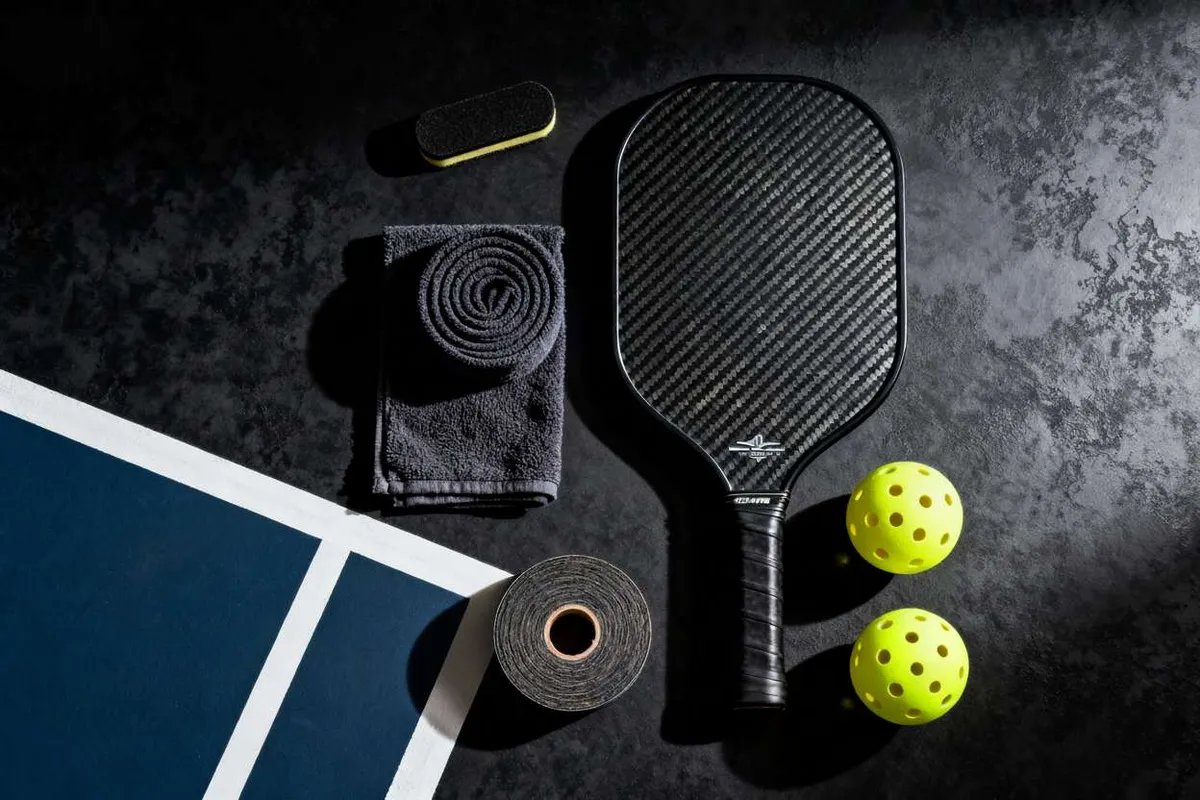
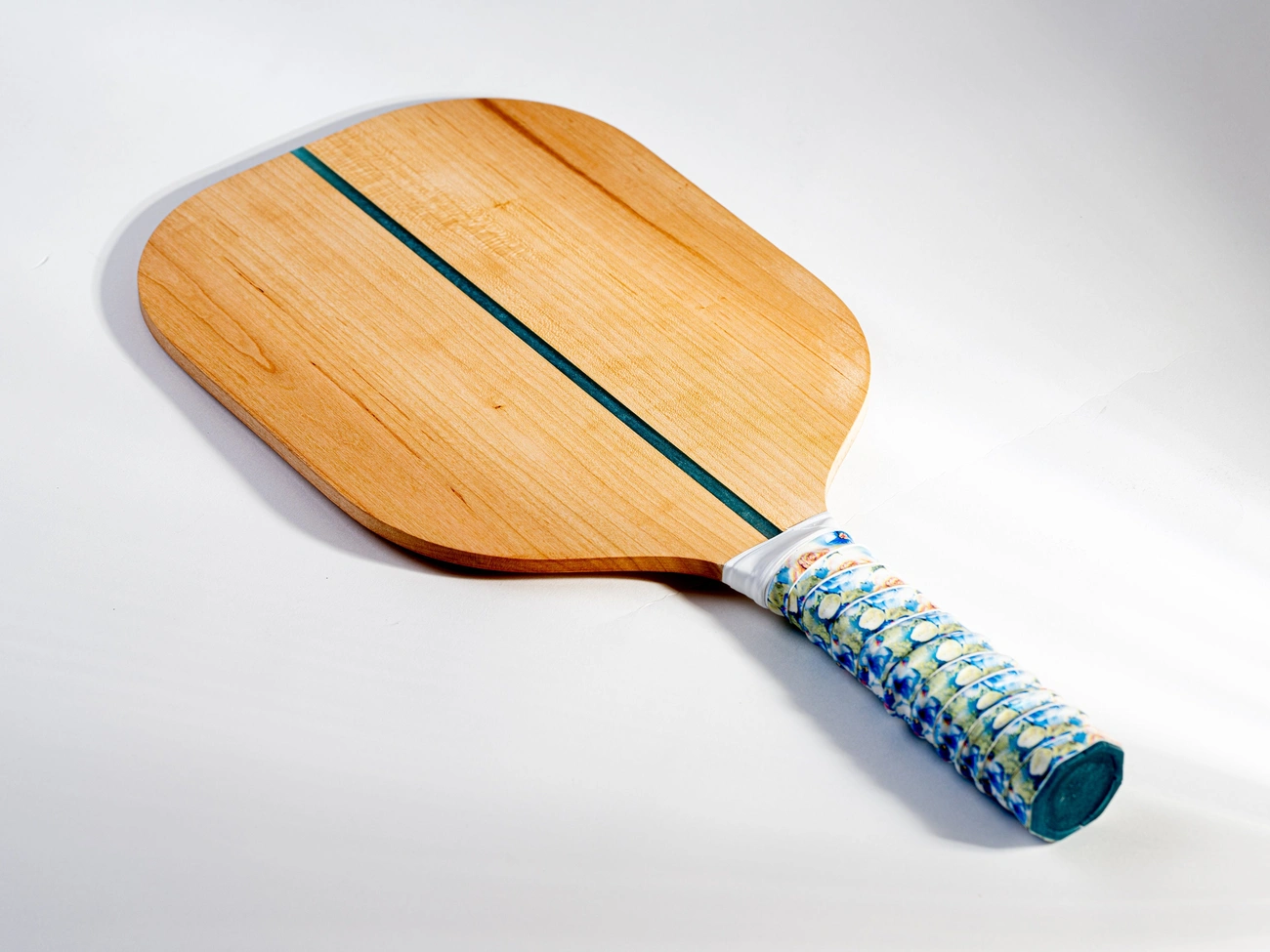
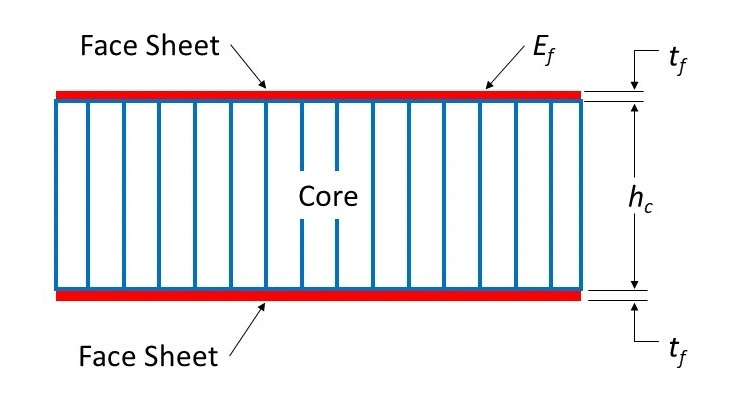
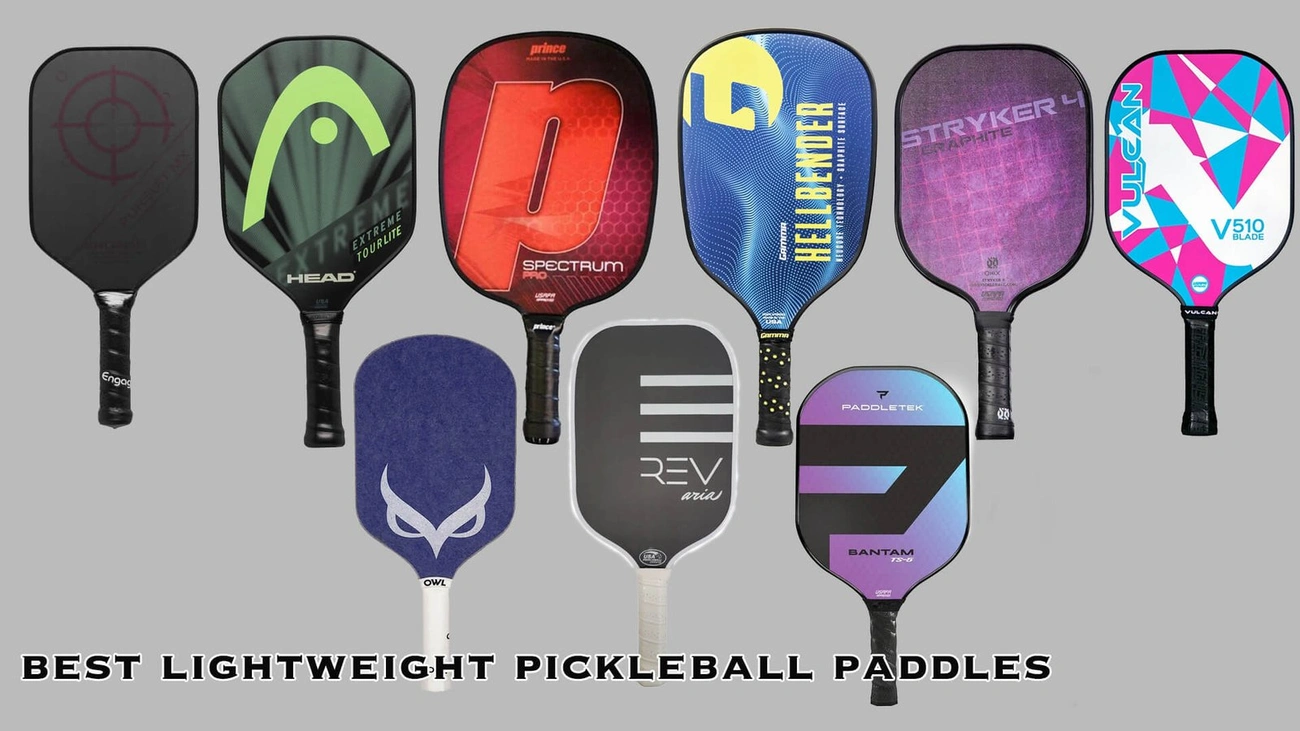
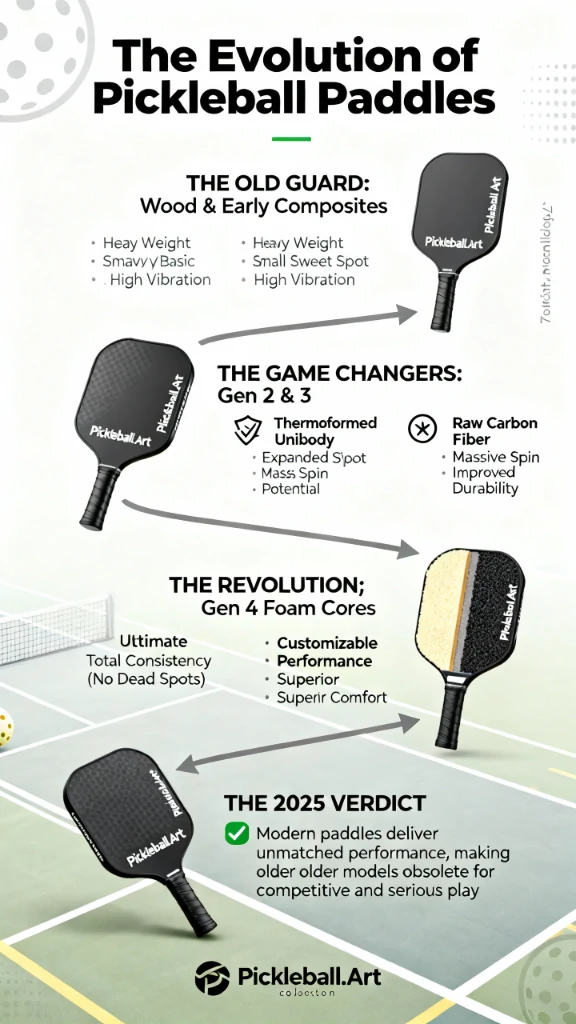
Paddle fit and game illustrations
Visual examples of equipment and court settings. Images are illustrative; current specifications and fit should be checked with the maker or retailer.
Frequently asked questions
How many paddles should I compare at once?
Keep the shortlist small enough to repeat the same tasks and return to your current paddle as a baseline. Too many changes can make observations difficult to interpret.
Should I test maximum power first?
Start with routine shots and the problem you want to solve. Include blocks, resets and ordinary movement so a strong drive does not hide a poor fit elsewhere.
What if two paddles feel equally good?
Compare comfort, eligibility, return terms and total cost. If neither offers a clear advantage over your current setup, another session or keeping the existing paddle is a reasonable outcome.