Pickleball equipment is changing, but a new material or a connected feature is not proof of better results. This guide looks at seven directions to evaluate in 2026 and the evidence that would make each useful. It does not predict a release date or report original product testing.
1. More Ways to Manage Impact Feel
Manufacturers vary core construction, face layers and bonding to change rebound and handling. Compare the finished paddle rather than assuming every foam, honeycomb or thermoformed model behaves alike. Comfort and control should be checked through a demo, with the same ball and shots.
2. Quieter Equipment and Court Design
USA Pickleball’s acoustic equipment list covers several types of quieter equipment. Court acoustics also depend on layout, hours and the receiving location. Read our community noise plan for that wider view.
Quiet recognition does not replace tournament approval. Check the exact model on the sanctioned-play paddle list and follow the venue’s policy.
3. Measurement That Explains Its Limits
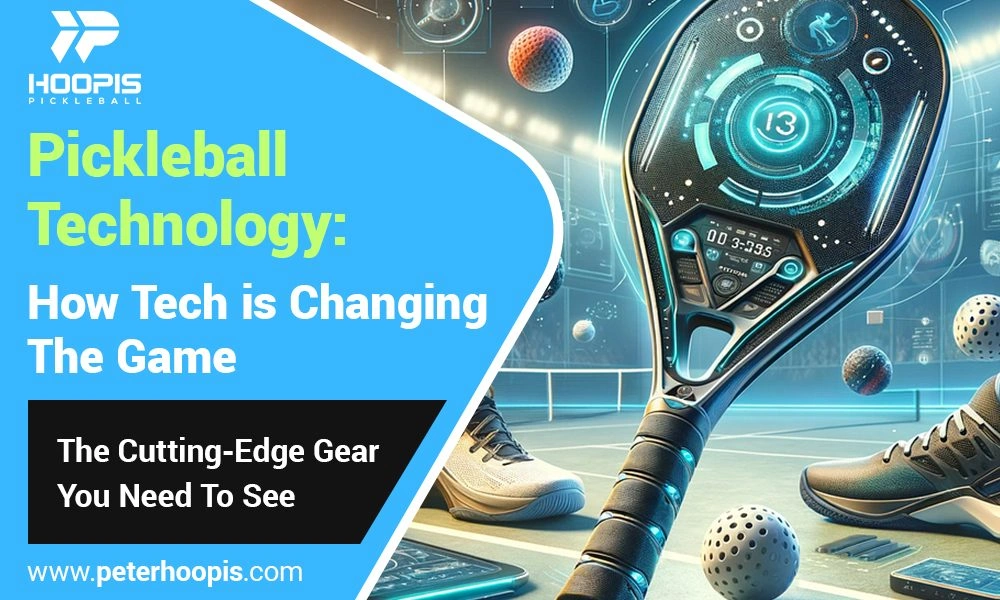
Connected training tools and video analysis can help a player inspect a session. Before buying, check what is actually measured, whether it is direct or estimated, what devices it needs and whether a subscription is required.
A swing-speed number does not automatically identify a technique problem. Compare repeated sessions under similar conditions and use a coach’s interpretation where needed. This guide does not claim a fixed percentage improvement from sensors or AI coaching.
4. More Useful Apparel Information
A technical garment claim should specify a property rather than promise better play. AATCC’s moisture management method is an example of an objective textile test. Wicking, drying, air movement, stretch and garment fit remain different checks.
For outdoor apparel, verify a stated UPF and coverage. Sun-protective clothing guidance also explains that wetness and stretch can change protection. A UPF label should not be described as guaranteed heat protection.
5. Materials With Documented Environmental Claims
Recycled and plant-derived components may provide alternatives to conventional construction. Ask which component is involved and how the claim was measured. Do not infer a universal emissions reduction or improved performance from a fiber name.
The FTC Green Guides summary provides a framework for specific recycled-content and recyclability statements. A practical end-of-life route matters as much as a label.
6. Personalization With Approval Checks
Custom graphics, colors and grip choices can help gear feel personal. Surface changes can affect equipment compliance, so distinguish a manufacturer’s approved finished model from a modification made later. Confirm the exact model and allowed alterations before competition.
7. Better Care and Repair Information
Clear cleaning instructions, spare parts and warranty terms make ownership easier to assess. Compare those before purchase and keep usable gear rather than replacing it for a marketing generation alone.
How to Decide Whether to Upgrade
- Name the current problem: fit, damage, noise policy or a training need.
- Identify evidence that the proposed product addresses it.
- Try a demo or a reversible trial where possible.
- Check approval, care, return policy and continuing cost.
- Evaluate the result through your normal use.
Innovation is useful when it addresses an observable need. Keep the distinction between a product available today, a manufacturer’s claim and a future possibility clear.
Frequently Asked Questions
No. A tool must measure something useful, and players still need to interpret the result and practice. No fixed improvement is established by this guide.
No. Compare model-specific acoustic recognition and test evidence, not only the core label.
No. A complete environmental comparison needs a defined basis and product-specific evidence.
No. Upgrade for an actual need and compare complete models through a demo where possible.
Yes, surface alterations can matter. Check the finished model and allowed changes under the applicable rules.