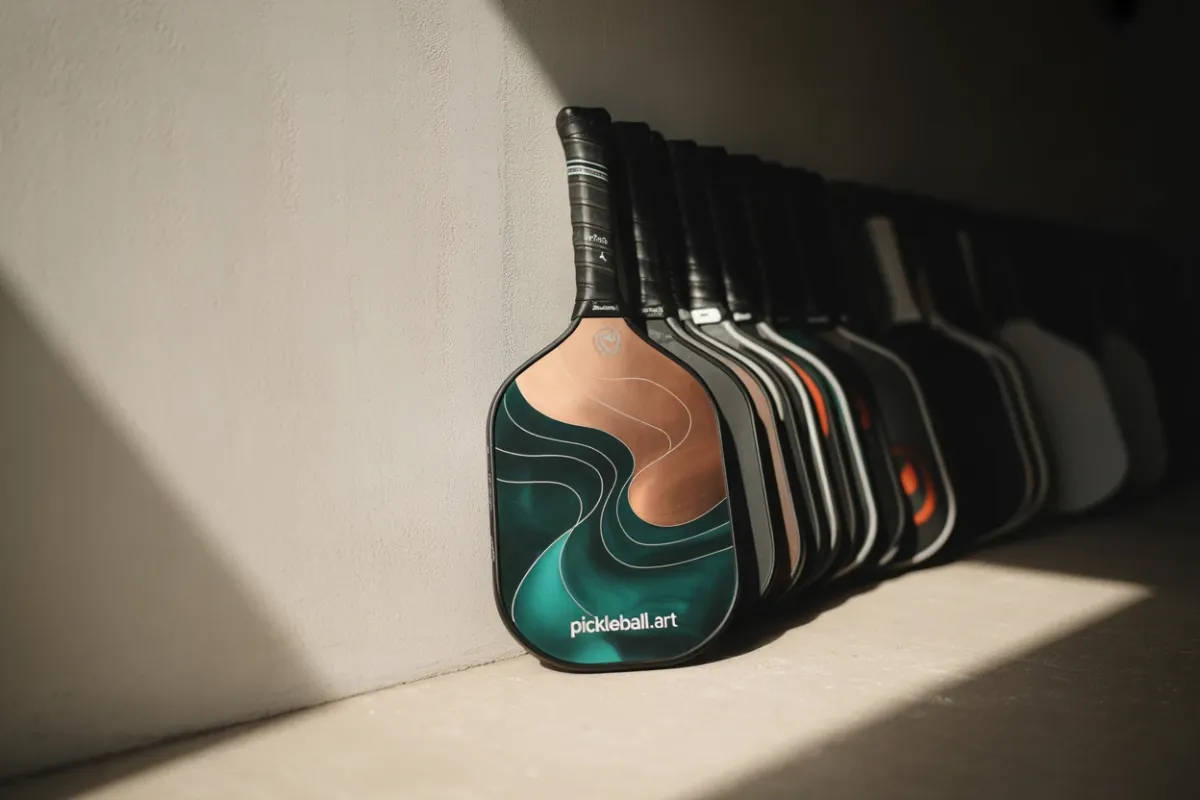
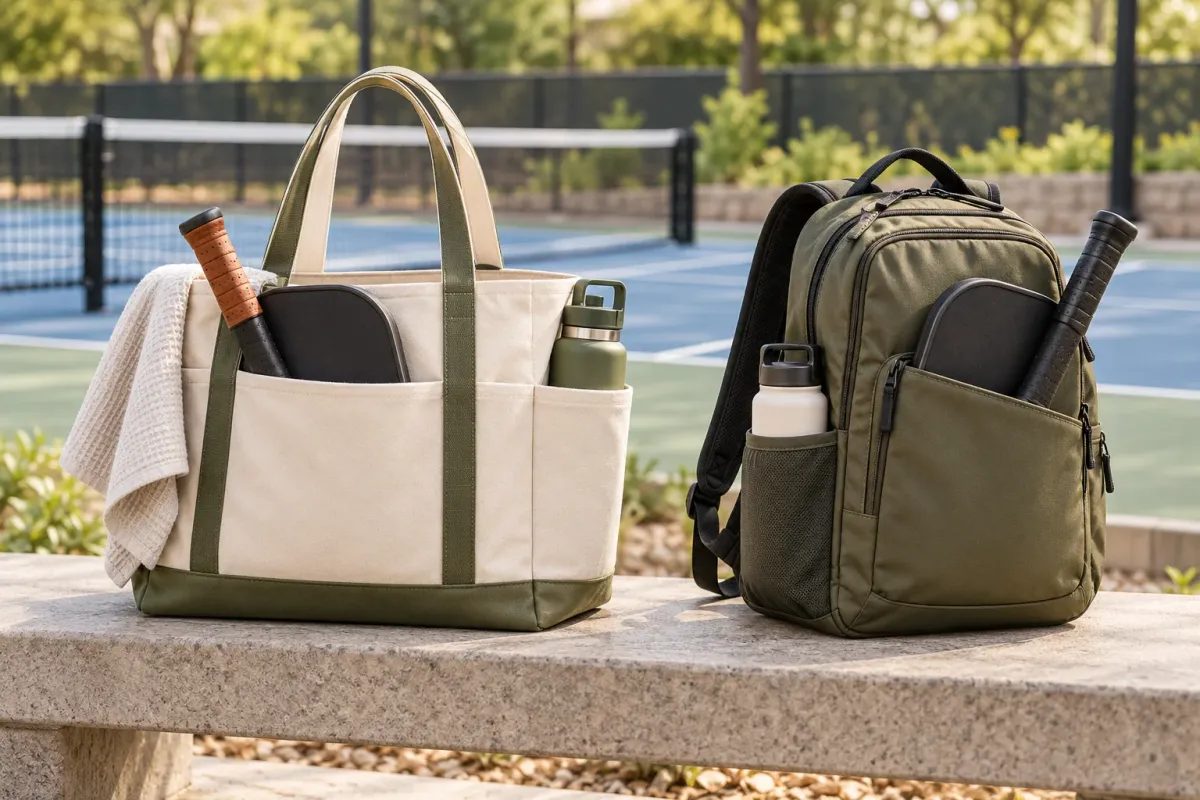
For a buyer choosing between similar products, a different logo or color may not answer the real question: what useful difference will this product make? Product differentiation becomes clearer when it connects a defined customer need with a feature the customer can verify.
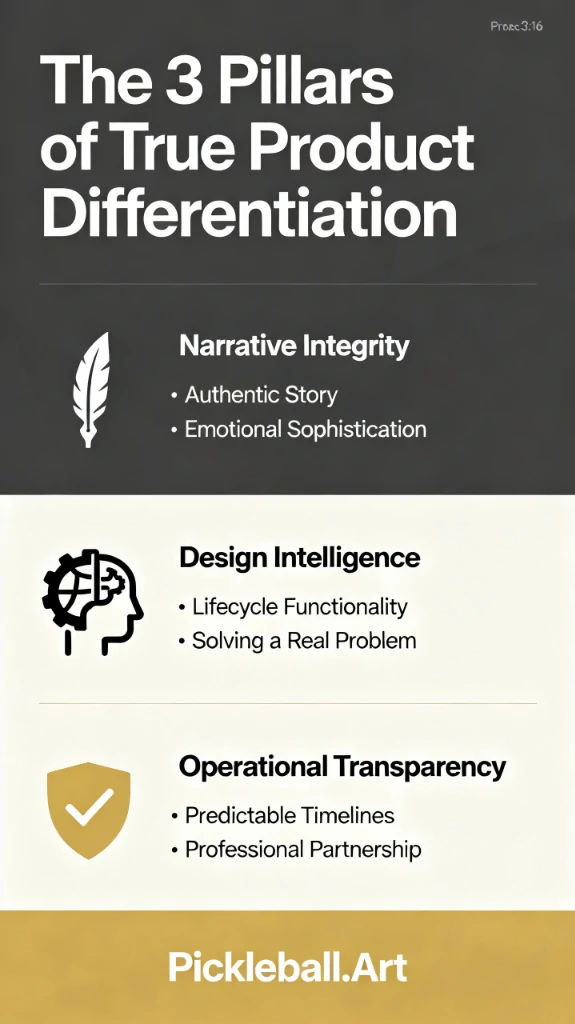
Start With a Specific Use
Identify who uses the item, under what conditions and where the existing options create friction. For a pickleball bag, that may be carrying a pair of shoes separately from clean clothing. For a skort, it may be a liner that stays comfortable through a low ready stance. These are more concrete design briefs than “premium” or “innovative.”
Build Three Kinds of Difference
- Function: A feature that solves the stated use problem.
- Experience: Fit, organization, care or service that makes ownership easier.
- Expression: Visual choices that fit the customer’s taste without replacing the functional brief.
These categories are an editorial framework, not a scientific model or the result of a published buyer study. Use interviews, prototypes and actual purchase behavior to determine which matters to a particular audience.
Make the Difference Reviewable
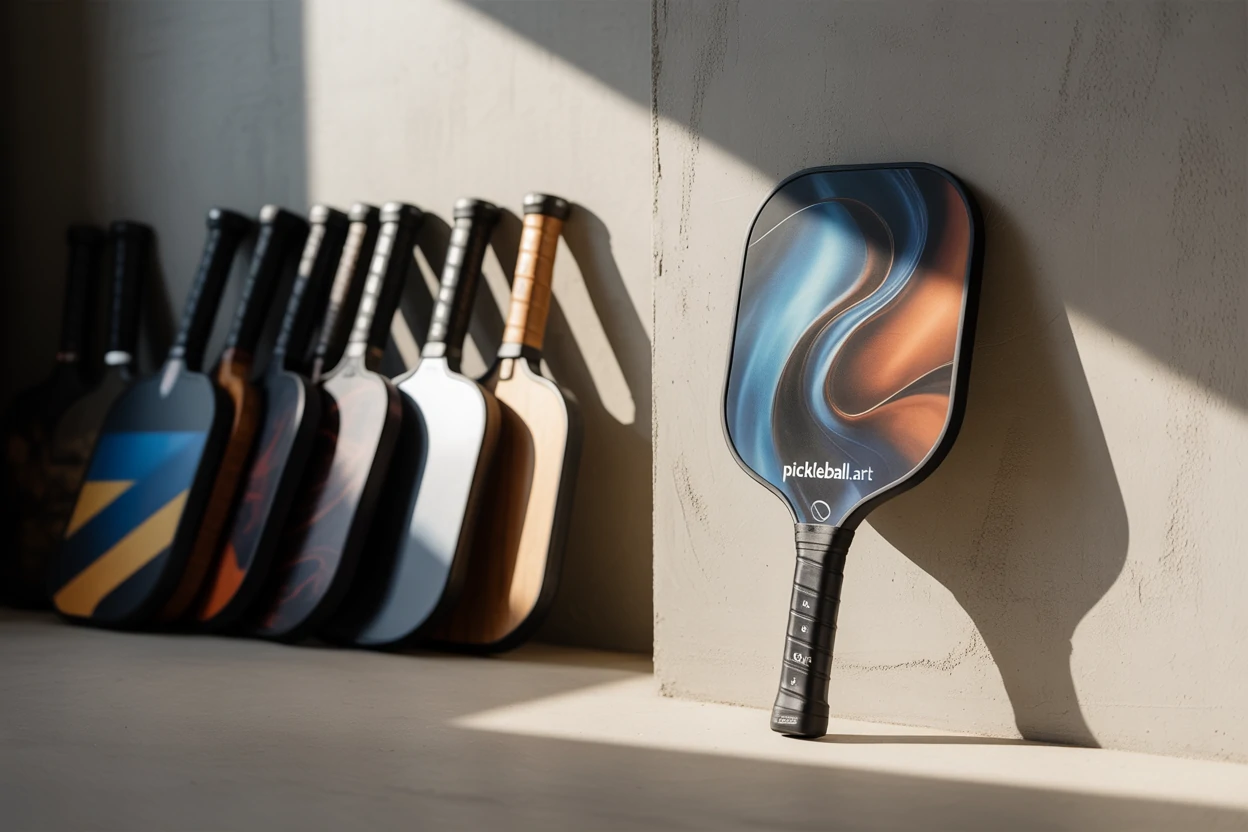
A product page should show the detail it claims: a pocket with a ball inside, the dimensions of a paddle compartment or the care instructions for a fabric. Avoid a claim of better durability unless a defined comparison supports it. If the claim depends on a test, name the method and the conditions.
Compare Alternatives Fairly
Compare products intended for the same task. A compact tote and a large tournament backpack serve different needs, so capacity alone cannot establish which is better. State the use and trade-off clearly rather than declaring one universal winner.
Use Feedback to Refine the Product
Ask users what they adjusted, carried separately or avoided using. Record repeated problems and the conditions in which they occur. A single enthusiastic comment is a lead for investigation, not proof that every buyer wants the same thing.
Product differentiation succeeds when the difference is useful, visible and supported. Turn that principle into a clear design brief and a product description a buyer can assess.
Frequently Asked Questions
It can serve an aesthetic preference, but it should not be represented as a functional performance improvement.
Define a user and use condition, inspect repeated friction and test a prototype with those users.
No. Construction, fit, intended use and ownership needs also matter.
Use a defined property, comparison and method; avoid unsupported universal statements.