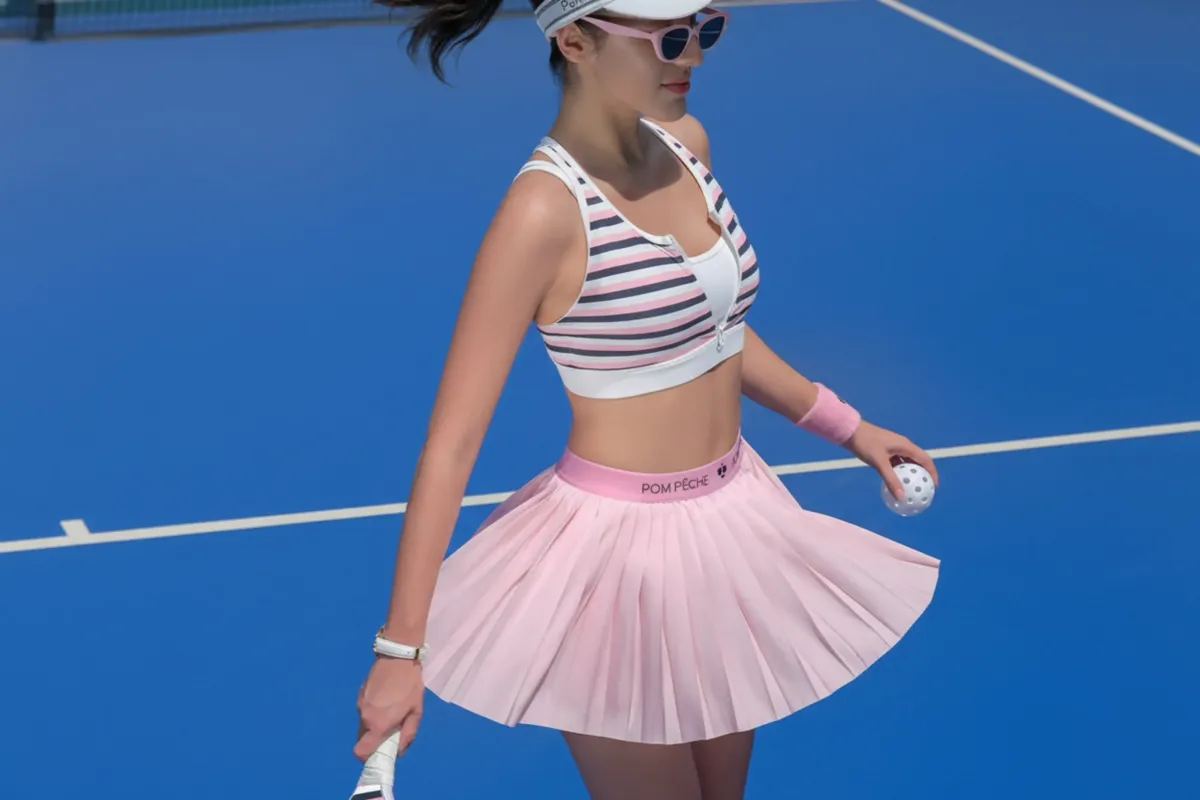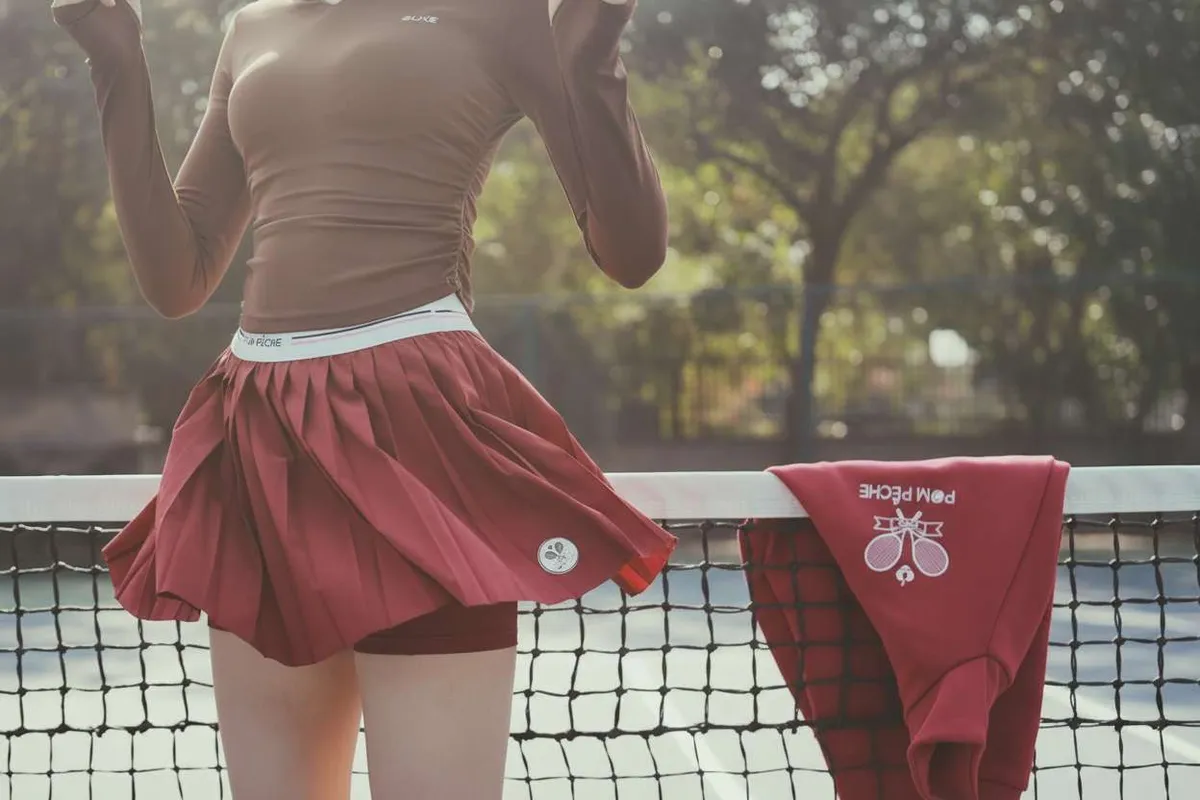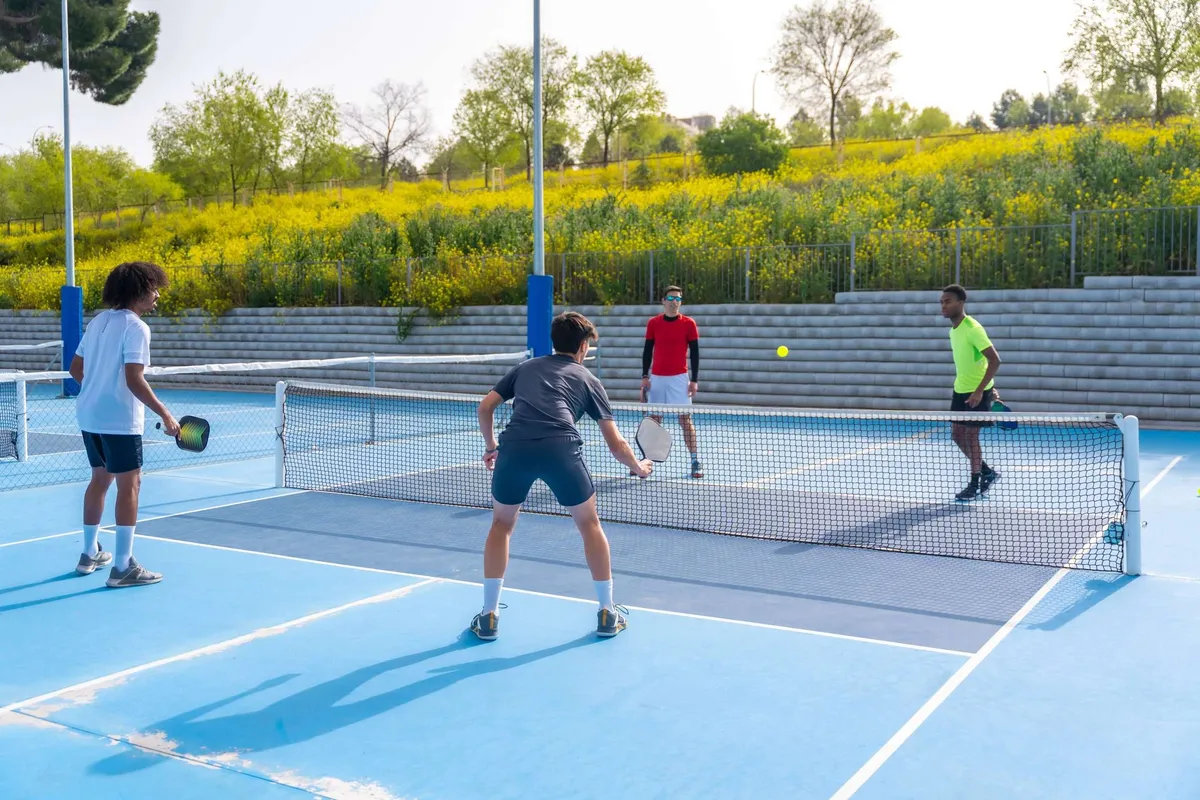
A useful pickleball outfit gives you room to move, feels comfortable through your session and suits the court and weather. You can build it from clothing you already own. Matching colors or buying a specialist collection is optional; a garment's marketing label is not evidence that it improves your shots.
Start with a movement check
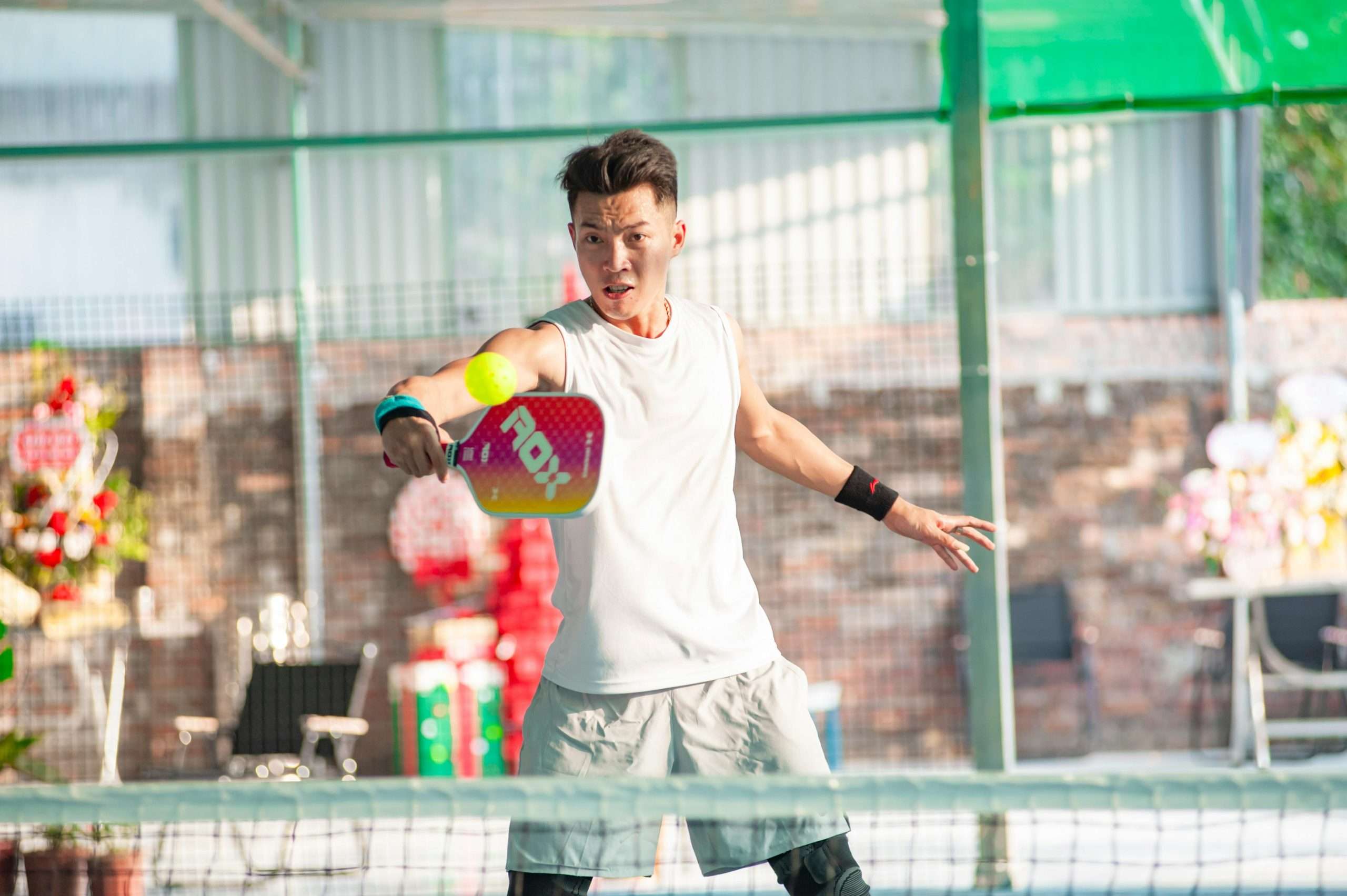
Try your normal ready position, side steps, an overhead reach and a comfortable low pickup. Notice whether a waistband slips, a hem catches, a seam rubs or a pocket swings. Test a skort's liner and any ball storage with movement rather than judging fit while standing still.
Choose shorts, a skort, leggings, joggers or another permitted option according to fit and conditions. A compression liner is a preference, not a requirement or a treatment for injury.
Judge the fabric as a garment
Wicking moves liquid moisture; drying and breathability are different properties. Fiber, yarn, knit, finish, thickness and garment fit all matter. Polyester is not automatically breathable, and cotton is not universally unsuitable for activity. Avoid assuming that a particular elastane percentage proves stretch or recovery.
The AATCC liquid moisture management test measures aspects of moisture movement in fabric rather than guaranteeing whole-body cooling. See our fabric explainer for the difference between these terms.
Choose tops and layers for the conditions
A tee, polo or tank can work if it lets you reach and does not distract you. Check armholes, neckline and support needs with the complete outfit. In cool conditions, use a layer you can remove and store safely as you warm up.
For outdoor sun, consider coverage and a clearly stated UPF rating. The Skin Cancer Foundation clothing guide explains that fabric construction, fit and condition affect protection. A loose long sleeve may offer coverage, but length alone does not establish a rating. Pair clothing with other appropriate sun protection.
Separate heat preparation from clothing claims
A lightweight garment cannot make extreme heat safe. Choose cooler times when possible, plan breaks and water, and pay attention to symptoms and local conditions. The CDC advice for athletes in heat is a practical source for preparation. Cooling fabric and wicking labels do not guarantee prevention of heat illness.
Use footwear suited to the court
Try court shoes with your playing socks and any prescribed insert. Check a secure heel, room for the toes and controlled sideways movement. Confirm indoor non-marking requirements or outdoor intended use. A suitable court shoe supports the movement demands, but no shoe guarantees injury-free play.
For the surface and fit checklist, see choosing indoor and outdoor court shoes. Inspect footwear condition rather than buying a new pair on a universal hour deadline.
Keep accessories practical
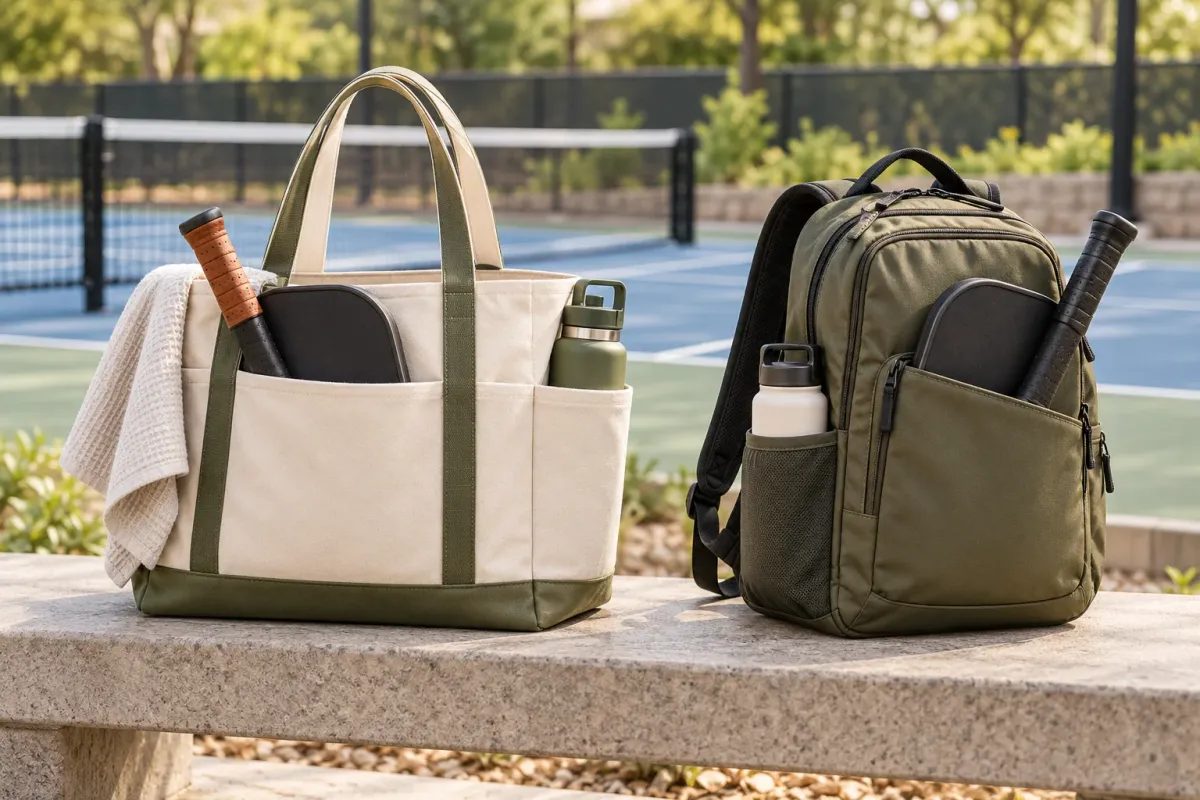
A hat or visor, appropriate eyewear, spare socks and a towel can be useful according to conditions. Secure loose items so they do not fall into the playing area. Choose a bag that fits your actual kit and separates damp clothing from the paddle.
For events, read the published clothing requirements, including any restriction on colors that affect ball visibility. Follow garment washing instructions and dry damp kit promptly. An outfit that passes your movement and comfort checks is a better starting point than an expensive outfit built around unverified performance promises.
Frequently Asked Questions
No. Suitable athletic clothing can work if it fits, permits movement and meets the venue or event requirements.
No. Whole-fabric construction and conditions matter. Compare how the actual garment feels and handles moisture rather than relying only on a fiber name.
No. Wicking is a moisture-transfer property. Heat preparation also involves weather, activity, breaks and hydration.