Tags, tight waistbands, raised seams or a fabric that clings when damp can make a court session uncomfortable. Sensory preferences vary, so the most useful approach is to identify your own triggers and test a garment through the movements you use.
Start With Your Own Comfort Priorities
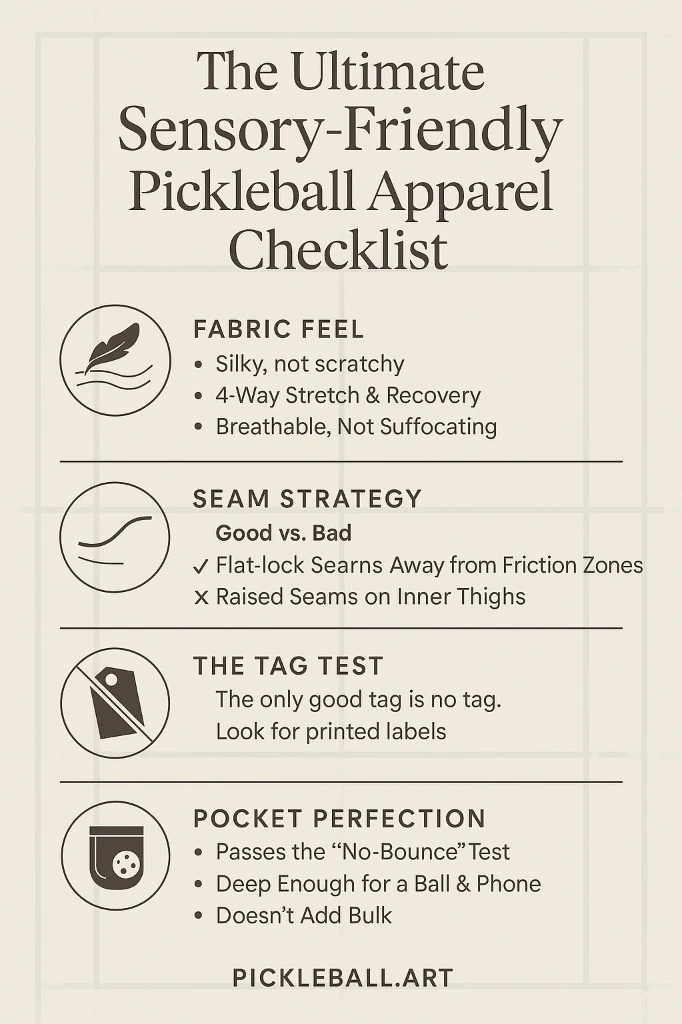
Write down the details that tend to bother you: pressure around the waist, liner movement, rough stitching, sound from the fabric or a sticky feeling after sweating. This creates a practical shopping checklist instead of a universal list of “good” and “bad” fibers.
A comfortable outfit may reduce distracting adjustments. It is not a guarantee of better match results, and clothing discomfort should not be used to diagnose a medical condition.
Inspect the Garment Inside and Out
- Run a finger along the inner seams and waistband joins.
- Check removable tags before cutting; do not damage a seam.
- Look for pocket edges, grippers or drawcord ends that press against the skin.
- Try the lining against your skin as well as the outer fabric.
- Check whether the seller permits returns after a careful indoor fitting.
Test Fit in Motion
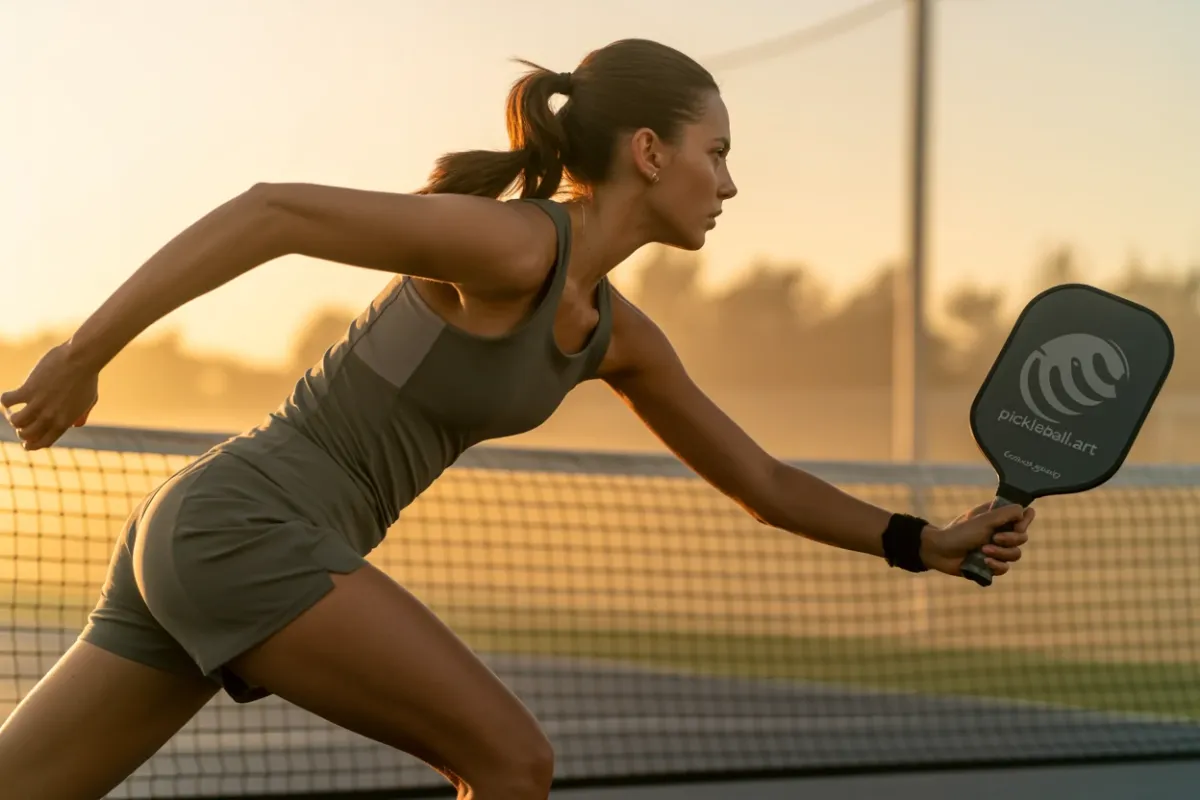
Use a low ready stance, a side lunge and an overhead reach. Note whether the waistband rolls, the liner rides up or the shoulder opening pulls. Select compression only if it is comfortable for you; tighter is not automatically more supportive or more suitable.
For skorts, liner length and hem shape matter together. A longer outer skirt does not guarantee a secure liner, and a shorter one does not automatically restrict coverage. Use your own range of motion as the check.

Read Moisture Claims With Care
“Moisture-wicking” describes a fabric property, not its entire sensory feel. AATCC’s liquid moisture management method separates textile measurement from the broader experience of wearing a garment. Smoothness, air movement and garment fit still affect how it feels.
Check our fabric guide for the difference between wicking and drying. Neither cotton nor synthetic fabrics are automatically right for every person.
Build a Simple Court Wardrobe
Start with one outfit that passes your movement checks. Wear it for a shorter session, wash it according to the label and see whether the fit and feel stay suitable before buying duplicates. Use removable layers when temperature changes, and carry a clean dry top if damp fabric bothers you.
For outdoor play, check sun protection separately. The Skin Cancer Foundation’s clothing guidance explains that coverage, UPF, wetness and stretch affect protection. Comfortable fabric alone is not evidence of a UPF rating.
When Skin Discomfort Needs More Than a Wardrobe Change
Persistent itching, a rash or pain deserves appropriate clinical advice, especially if it continues after changing clothing or laundering products. This guide is a fitting and comfort checklist, not treatment for a skin condition.
Frequently Asked Questions
No. Texture, construction, fit and personal preferences vary. Try the finished garment rather than selecting by fiber name alone.
Not for everyone. Check the actual seam against your skin during movement and after laundering.
Choose the level of pressure and coverage that feels comfortable and remains secure in motion. Compression is not required to play.
No. It can reduce wardrobe distractions, but skill, conditions and many other factors affect results.
Seek appropriate clinical advice instead of assuming a different fabric will resolve a persistent rash, itching or pain.