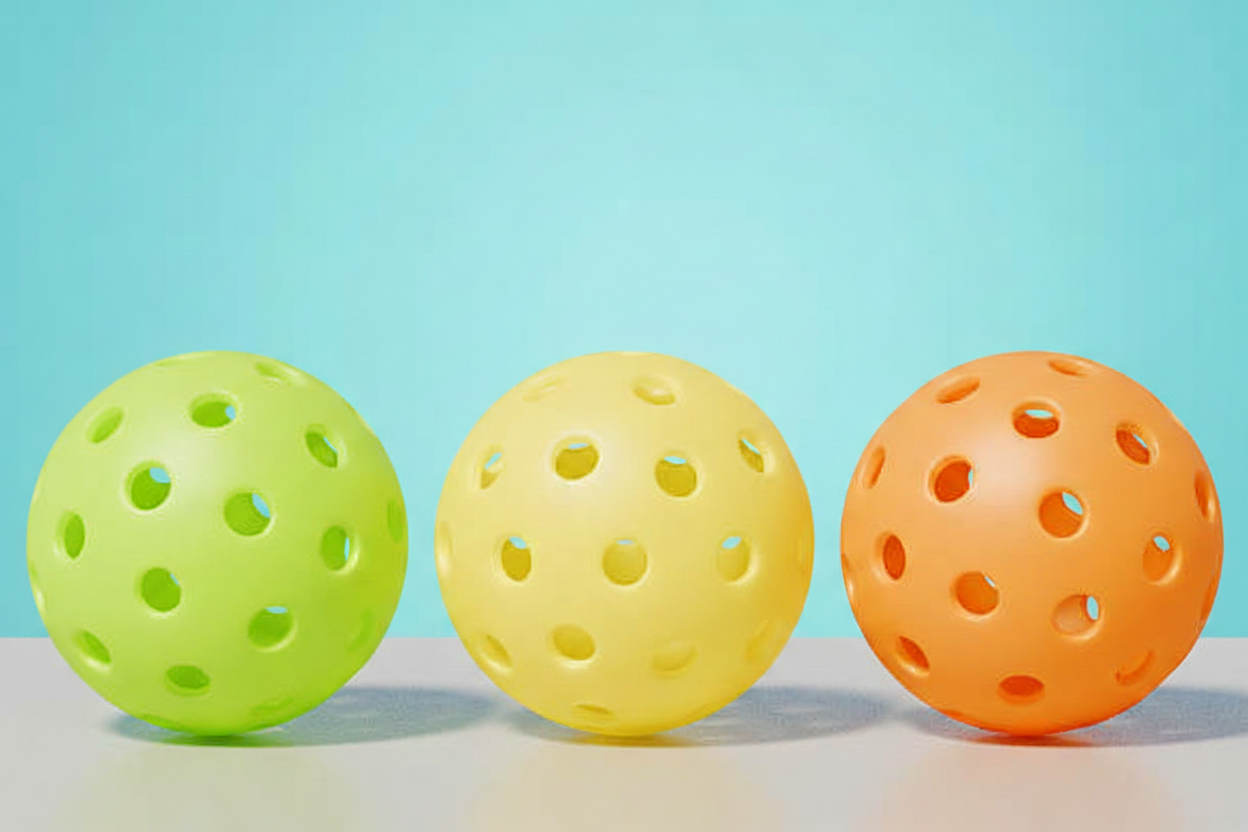
The best ball purchase for a group is not always the cheapest pack or the model with the strongest advertising. It is the supply that suits the session, arrives in usable condition and can be replaced predictably. Start with a sample before committing to a large order.
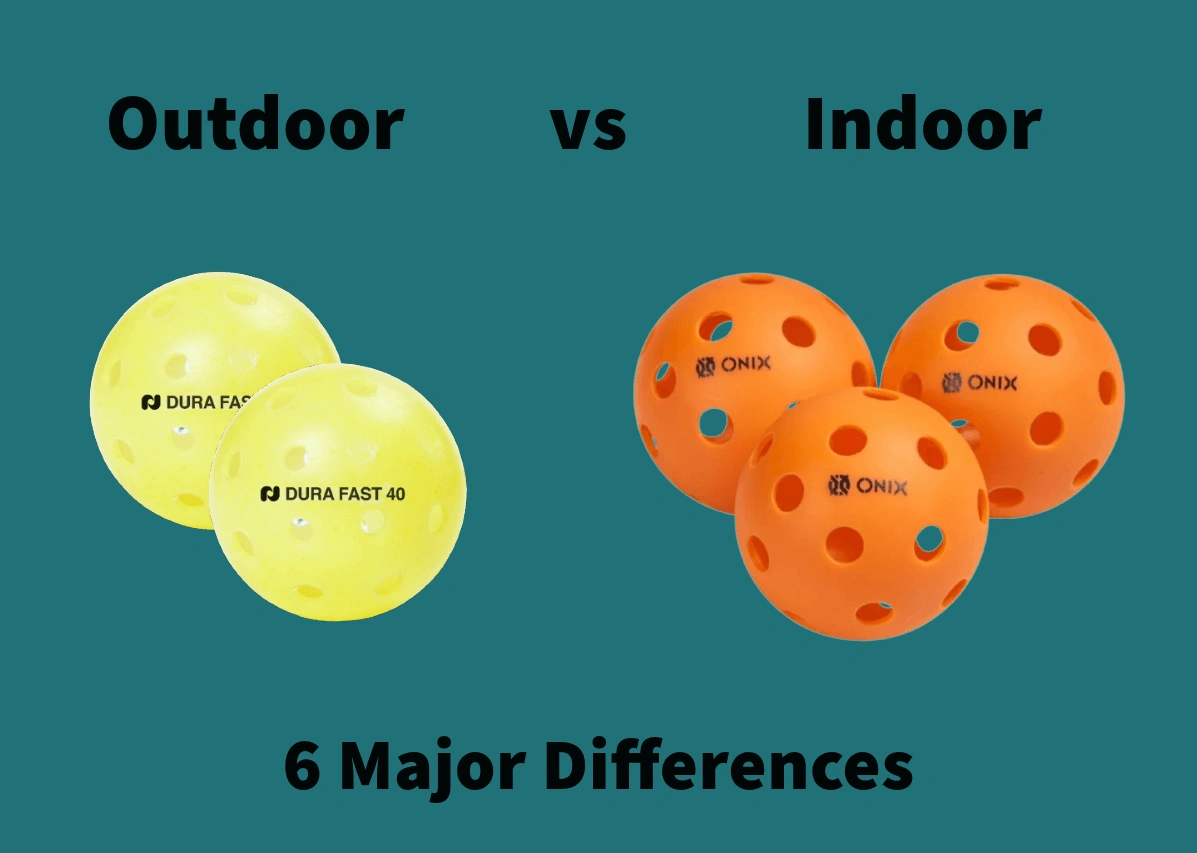
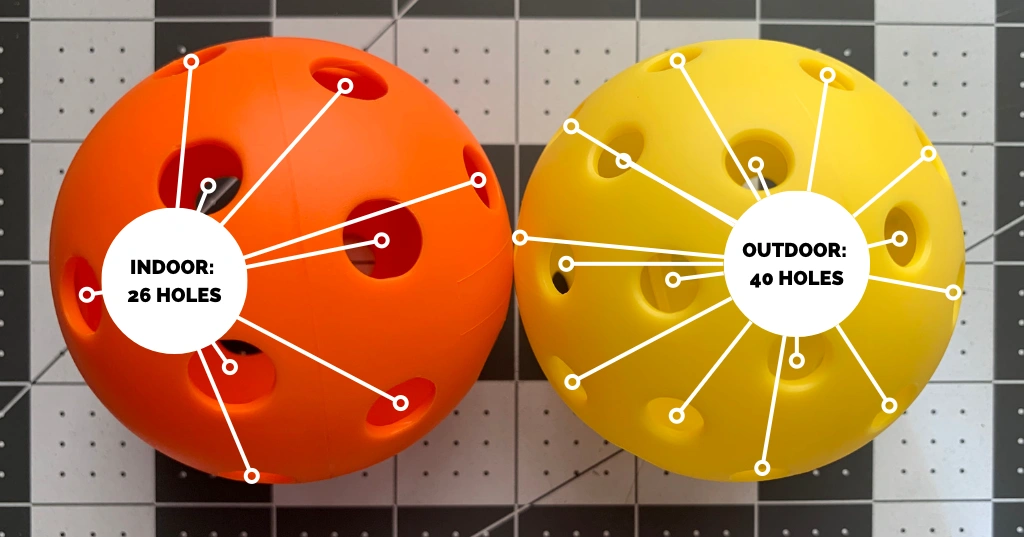
For the distinction between ball categories and court surfaces, read indoor versus outdoor pickleballs. This guide covers testing, quantity, storage and replacement decisions.
Define the session's requirements
Write down the venue's surface, intended format, regular players and any required model. If you are preparing for an event, practice with its chosen ball when practical. If a club already has a standard, ask whether the purchase must follow it.
For a USA Pickleball sanctioned event, verify the exact model in the approved ball database and confirm the organizer's selection. Do not assume a mixed assortment is suitable because one ball in the listing is approved.
Buy a small sample first
Choose a sample quantity that lets the group try the model at its actual venue. Record the model, color and batch information available on the packaging. Inspect the sample for cracks, obvious deformation or inconsistent markings before putting it into play.
Use the same paddle setup and a familiar comparison ball when possible. Start with controlled exchanges, serves and returns. Judge whether the players can track the ball and whether the response suits the session, rather than trying to create a dramatic speed test.
Keep a simple comparison record
| Observation | How to record it | Why it matters |
|---|---|---|
| Visibility | Player feedback on the actual background | Identifies a color or lighting mismatch |
| Condition | Inspection before and after sessions | Separates damage from ordinary preference |
| Playing feel | Notes from the same surface and tasks | Keeps the comparison relevant |
| Replacement use | How many new balls the group actually opens | Supports a realistic reorder quantity |
| Weather and surface | Conditions during each trial | Explains differences between sessions |
A brief club trial does not prove a universal durability ranking. Avoid turning a small sample into an exact claim that every ball lasts a fixed number of games. Use it to improve your own procurement decision.
Calculate the cost you will actually pay
Divide the delivered cost by the number of usable balls received, including shipping and any tax. Compare that with the group's observed replacement needs. A bulk discount helps only if the supply will be used and the model is suitable.
Read the current seller's return policy for defects, shortages or an incorrect model. Check whether colors or versions are mixed in the pack. Keep the order record and packaging until the quantity and condition have been verified.
Inspect before play and remove damaged balls
Look for visible cracks and obvious distortion. If a ball produces repeated unusual bounces, set it aside and check the ball and the court. Swap to a sound ball of the same model and compare; uneven court conditions can also cause unexpected behavior.
Do not try to certify a ball with a casual home drop test. The USA Pickleball equipment manual describes controlled testing conditions, which are different from dropping a ball onto an arbitrary floor. A simple inspection helps you select equipment for play; it does not establish laboratory compliance.
Store and separate the supply
Keep ready-to-use balls in a clean container labeled with the model. Create a separate place for damaged or questionable items so they do not return to circulation. Follow manufacturer storage guidance and avoid assuming every plastic formulation responds the same way to heat or cold.
If the venue uses different models for different sessions, mark each container clearly. A consistent storage process is easier than asking every player to identify balls by sight.
Reorder from actual use
Review how many balls were opened, lost or removed for damage over a realistic period. Keep those categories separate: replacing a lost ball is not evidence that the model lacks durability. Use attendance and upcoming sessions to set the next quantity.
Leave a practical reserve without accumulating more than the group can use. Before repeating an order, confirm the current listing and exact model. Packaging or range changes deserve a fresh check.
Plan the worn ball's next step
Ask a local collector or a specialist program whether it accepts the exact item. Do not put sports balls into curbside recycling merely because a related plastic is collected. For a wider club plan, see gear maintenance, reuse and disposal.
A repeatable purchasing loop is straightforward: define the session, sample the model, inspect condition, record real use and reorder what the group needs. It produces a better decision than an unsupported promise that one ball will outlast everything else.
Ball identification and equipment illustrations
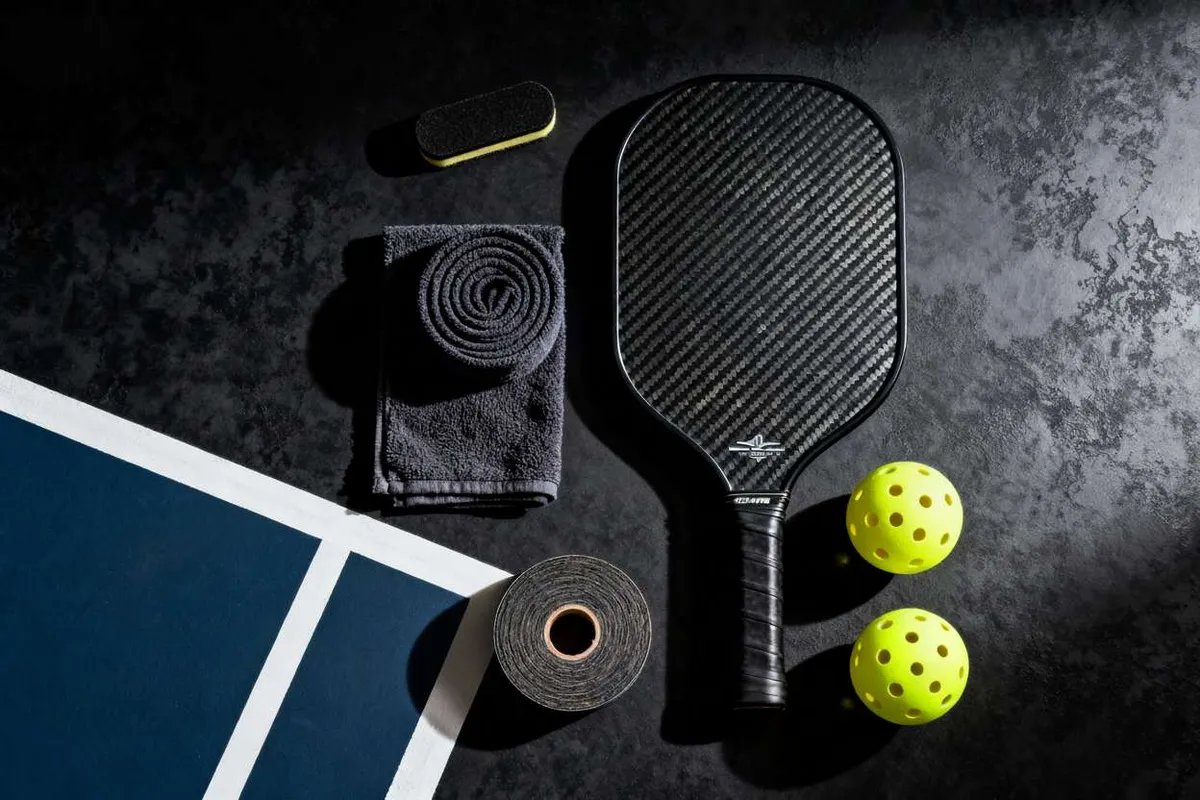
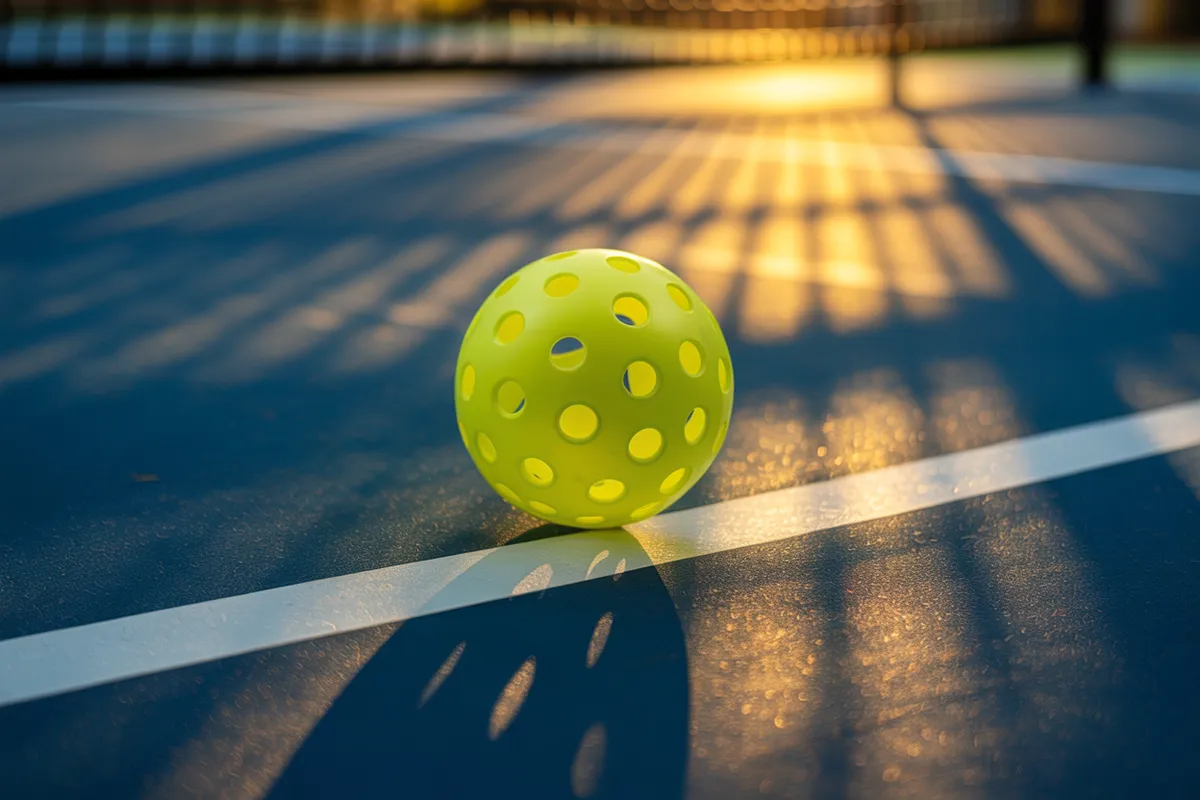
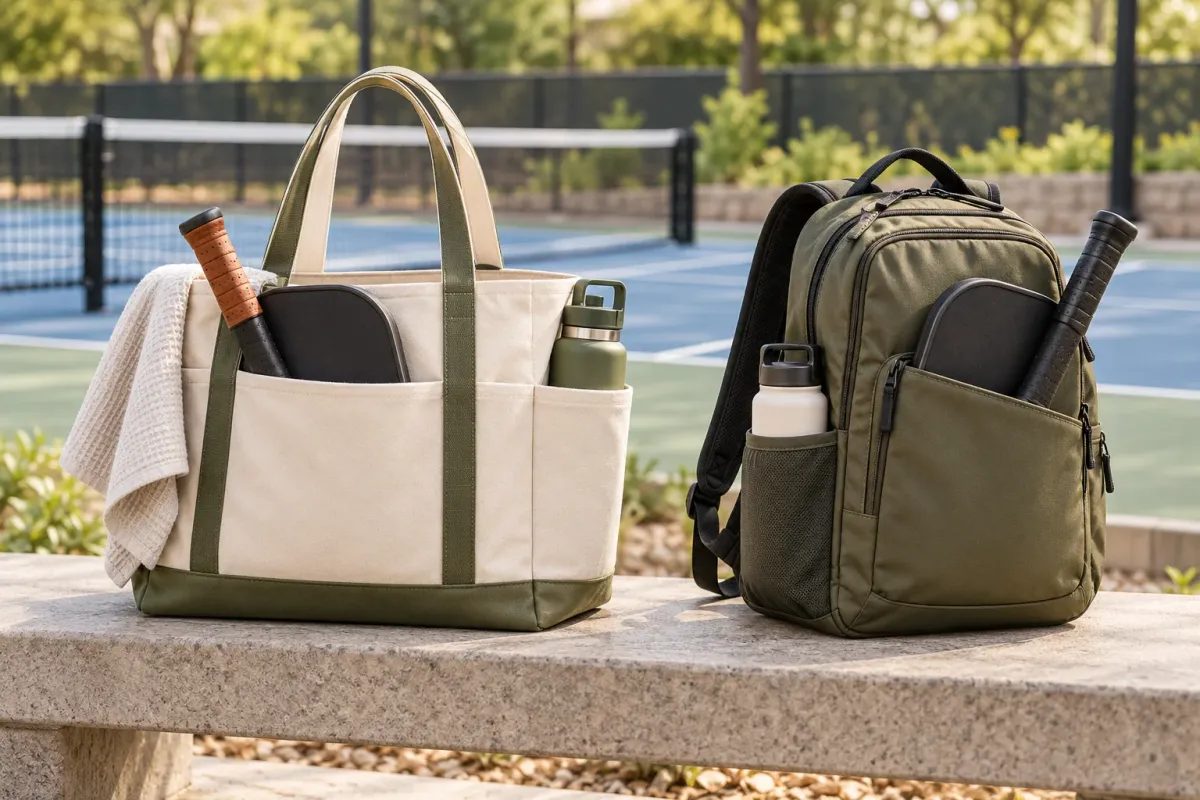
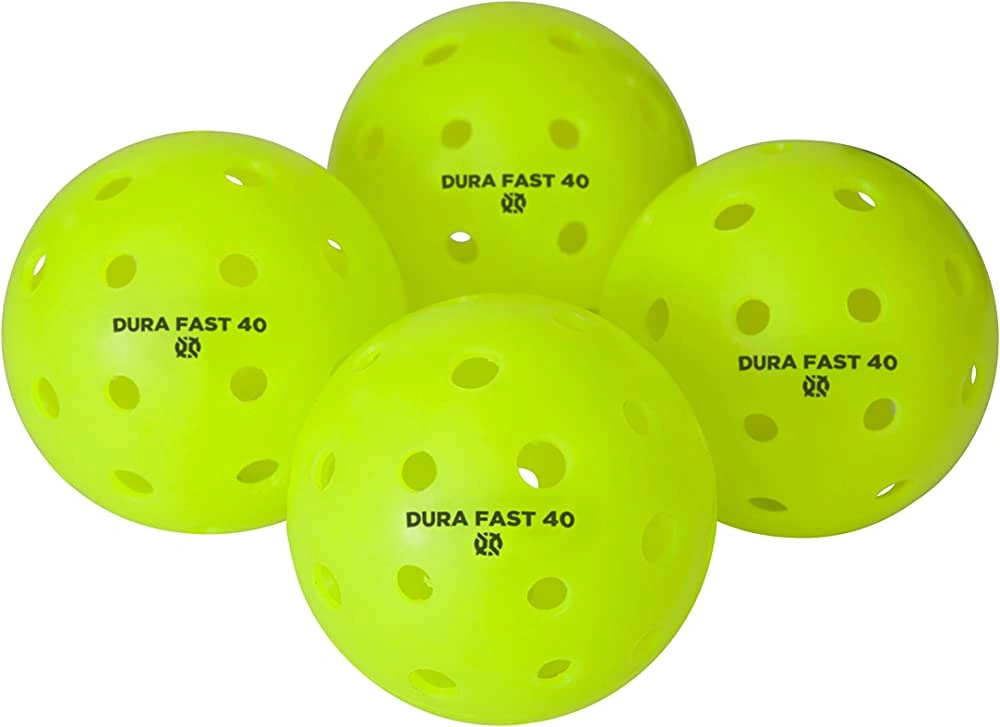
Visual examples of equipment and court settings. Images are illustrative; current specifications and fit should be checked with the maker or retailer.
Frequently asked questions
How many games should a pickleball last?
There is no dependable universal game count. Surface, conditions, play and individual ball condition vary. Track your group’s actual use and remove damaged balls promptly.
Should a club buy the largest available pack?
Test the exact model first, compare delivered unit cost and estimate usage from attendance and replacement records. A larger pack is useful only when the balls suit the session and will be used.
Can I check approval from the package alone?
Use the current database for the exact model and confirm any event requirements. Keep packaging for identification, but do not rely solely on a logo when eligibility matters.