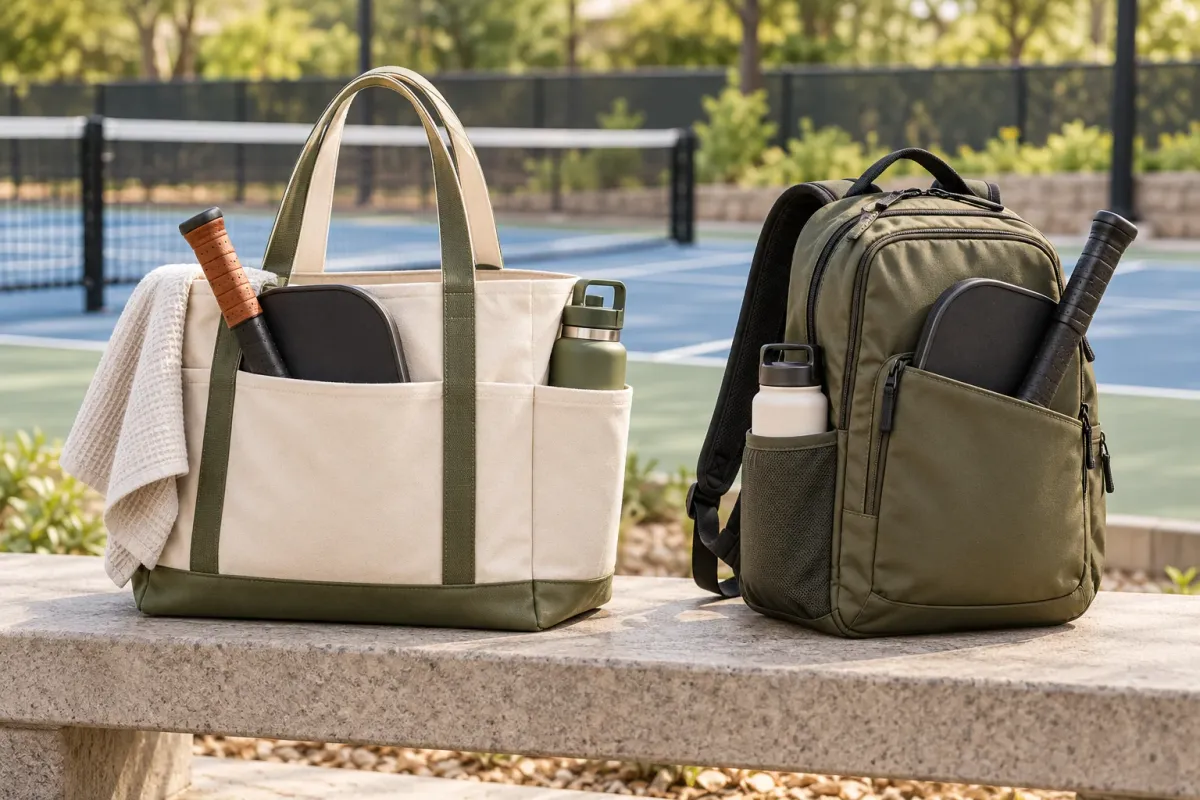
A useful public pickleball court proposal answers more than whether people enjoy the sport. It shows who needs access, which sites could work, how the facility would be shared and maintained, and who can deliver and fund the project.
SFIA’s 2026 report announcement reports 24.3 million U.S. participants in 2025. National participation provides context; it does not prove demand or funding eligibility in your town. Begin with local evidence and an accountable public sponsor.
Document the local access problem
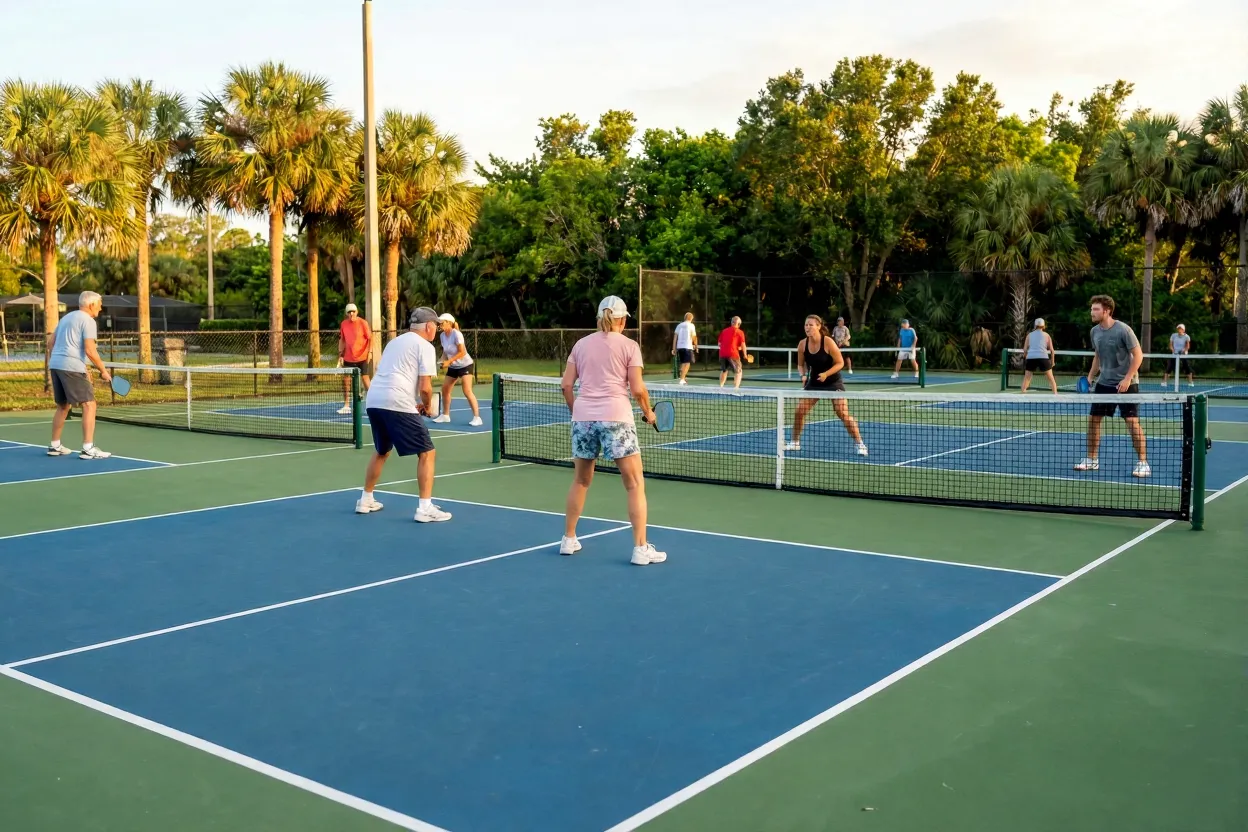
Identify the problem precisely: long waits at existing courts, inaccessible locations, limited beginner sessions or a neighborhood without public recreation options. Visit facilities at different times and record dates, court availability, observed queues and any booking information the operator can share.
Use a short resident survey that asks about current use, preferred times, barriers and reasonable travel distance. Describe how respondents were recruited. A petition shows support; it is not a representative count of all potential users. Keep national participation figures separate from local observations.
Summarize demand in a simple page with a map, dated observations and the survey method. Include non-player views as well, particularly from people who use the same parks or live near proposed sites.
Talk to the people who would operate the courts
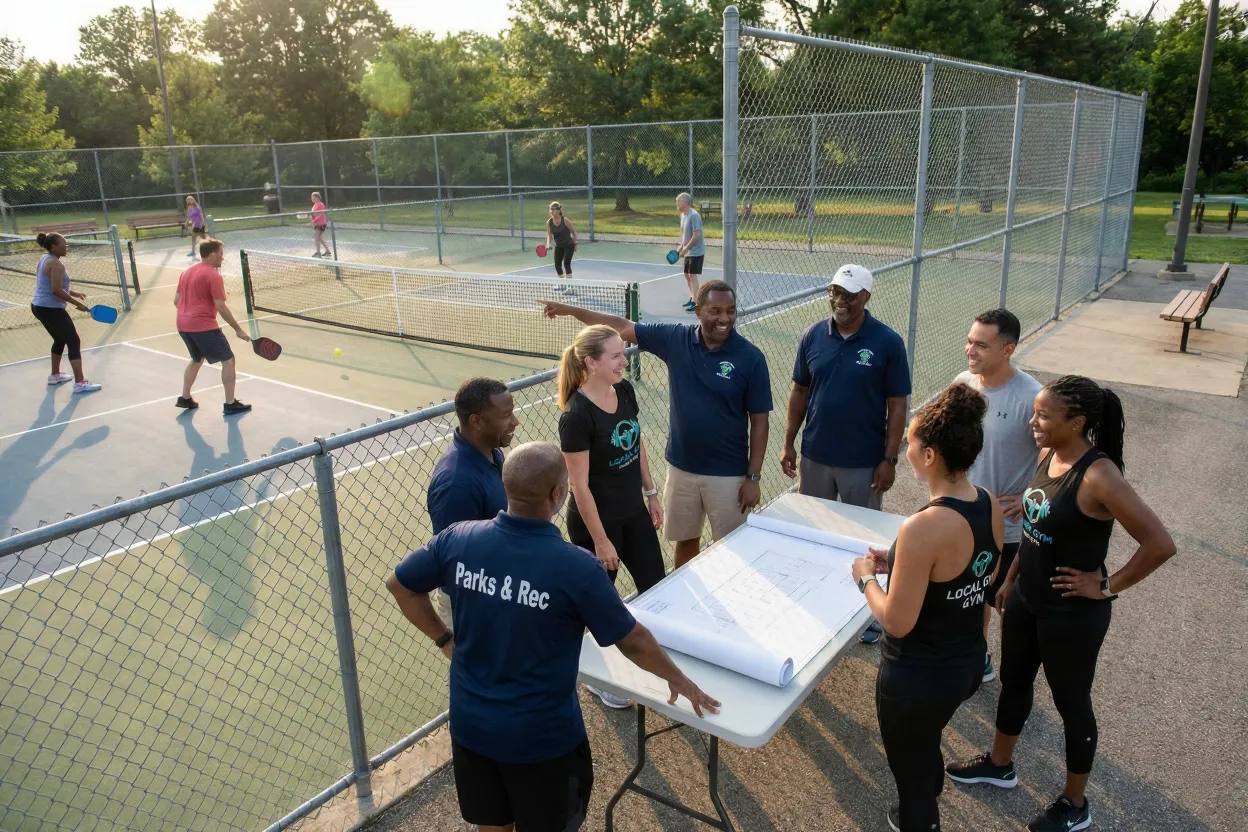
Contact the parks or recreation department early. Ask about the capital planning cycle, existing recreation plans, site ownership, maintenance capacity and the process for considering a proposal. A resident group can support the project, but it should not assume it can authorize work on public land.
Meet other court users, disability-access representatives, nearby residents and potential program partners. Discuss scheduling, introductory sessions, noise, parking and equitable access. Record unresolved concerns instead of treating every objection as an obstacle to defeat.
Compare several site options
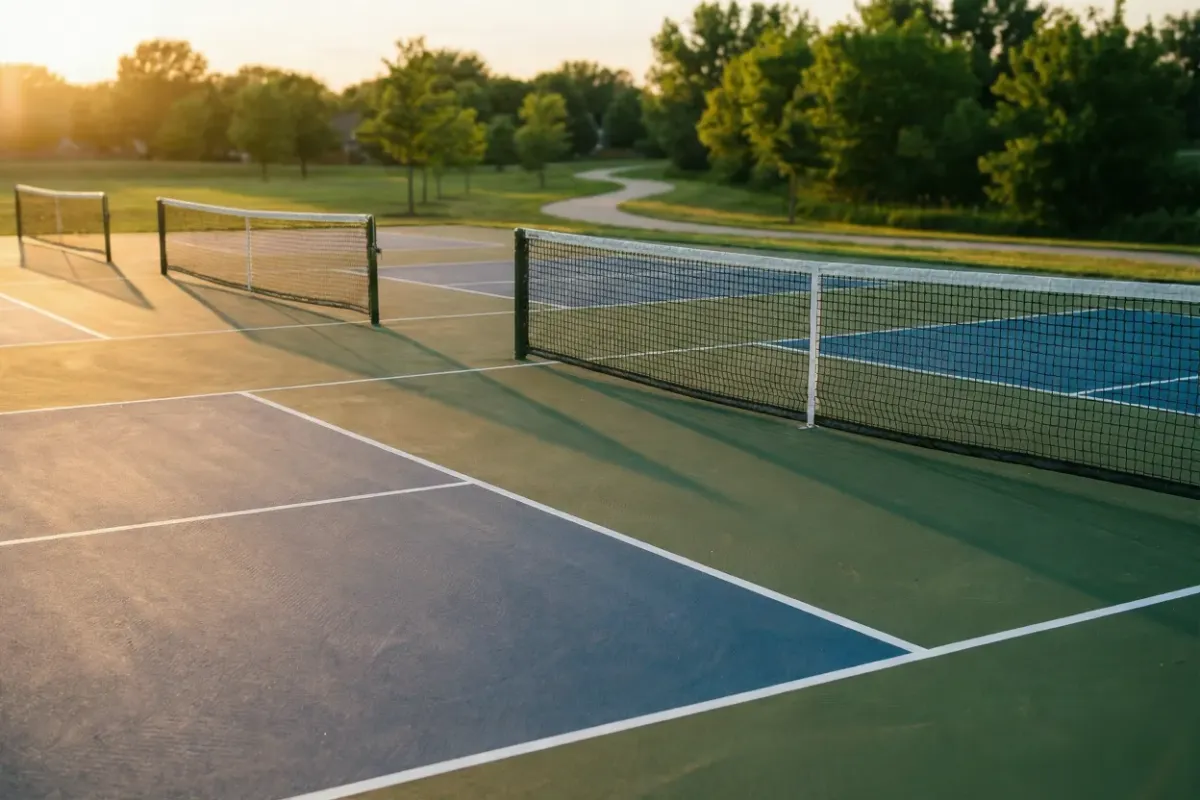
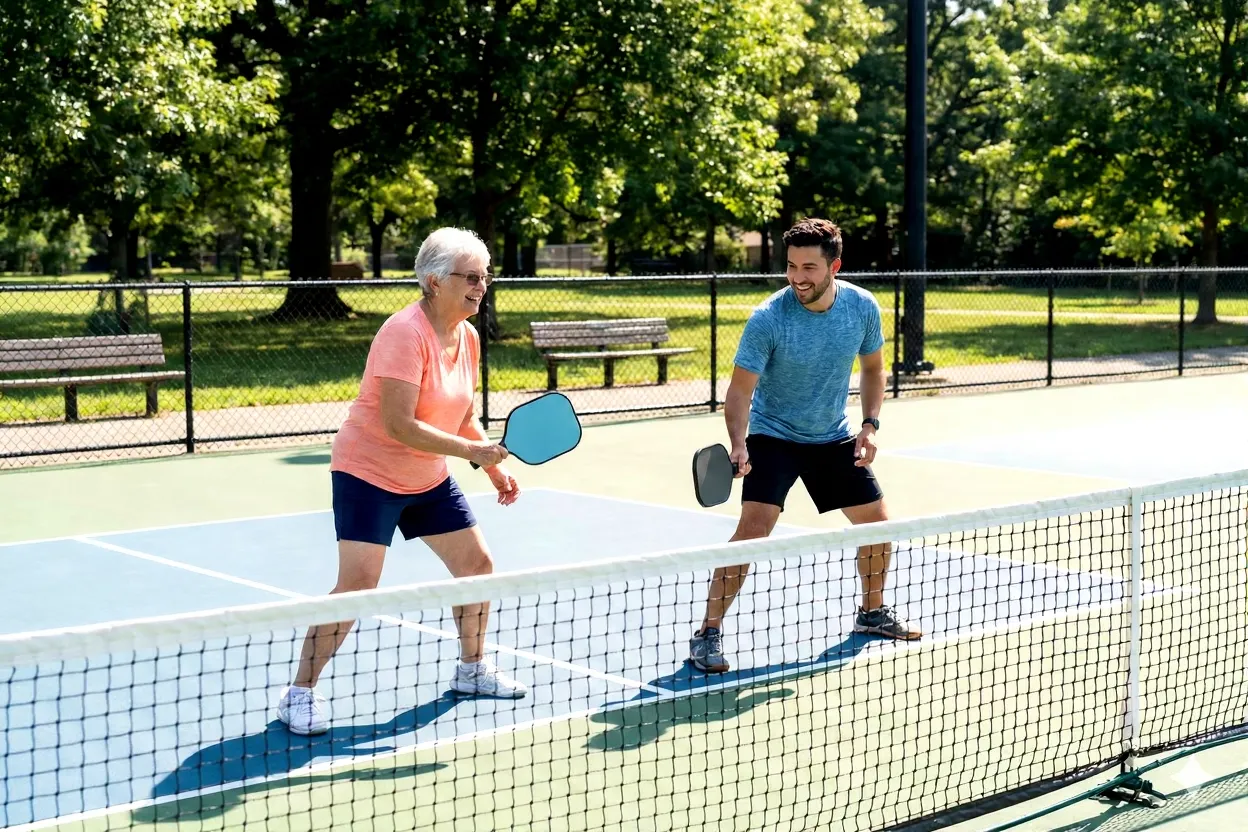
A conversion, shared-use court or new facility can have different costs and tradeoffs. Compare access, existing surface condition, drainage, surrounding clear space, shade, proximity to homes and the effect on other activities. Do not select a site from its apparent empty space alone.
The USA Pickleball construction resources provide sport-specific layout guidance. Local staff and qualified designers must assess site, accessibility and construction requirements. Include a noise and operating-hours discussion where homes are nearby.
A temporary, authorized pilot may help the operator observe demand and scheduling conflicts before a permanent project. Agree how it will be evaluated and who will restore the space if it is discontinued.
Prepare a scoped proposal and operating plan
State the requested decision: a feasibility study, a permitted pilot, inclusion in a capital plan or an approved construction project. Match the amount of design detail to that decision. A planning request does not need to pretend that a final construction budget already exists.
Include a concept plan, permissions needed, comparable written estimates and a schedule with dependencies. Separate land or site preparation, drainage, surfacing, equipment, fencing, access, lighting and professional fees. Add responsibilities for inspection, cleaning, repairs and resurfacing.
- Who owns and operates the site?
- Who approves design and procurement?
- How will public access and other uses be protected?
- Who funds recurring maintenance?
- What decision and next step are being requested?
Verify funding eligibility before promising a grant
The NPS Land and Water Conservation Fund State and Local Assistance manual describes matching assistance generally up to 50% of eligible project costs, with specified exceptions such as eligible insular areas. It is not a general promise to pay 75% of a court project.
Projects follow the applicable state and program process. Ask the state liaison and public sponsor about eligibility, selection, allowable costs, matching sources, timing and long-term recreation obligations. A neighborhood group should not assume it is a direct applicant or incur costs expecting reimbursement before approval.
Other charitable, local or sports grants may help particular programs, but their scope and deadlines must be checked individually. Equipment or programming assistance is not necessarily construction funding. Record each opportunity as confirmed eligible, awaiting clarification or ineligible rather than adding every possible grant to the budget.
Use sponsorships with clear commitments
Local businesses or donors may support an approved project, but an expression of interest is not received funding. Put the amount, conditions, recognition terms and timing in writing through the public operator’s approved process. Ask about donation and procurement policies.
Keep one-time contributions separate from the operating budget. A donated net does not solve drainage, access or maintenance. Show which project costs remain unfunded and who can cover an eligible match if a grant is awarded.
Present a manageable next decision
Bring a concise proposal to the appropriate meeting, supported by the detailed evidence and site comparison. Explain both the benefits and the unresolved work. Ask for a named next step, owner and review date rather than an immediate commitment to an uncosted build.
Afterward, update the proposal as information changes and report progress to residents. The objective is a workable recreation facility with sustainable public access. For construction choices, see the site and budget planning guide; its planning questions can help structure discussions, although a public project follows its own approval process.
Frequently Asked Questions
What is the first step in seeking public courts?
Document the local access problem with dated observations, facility information and a clearly described resident survey. National participation figures provide context but do not substitute for local evidence.
Does LWCF automatically fund a pickleball court?
No. Eligibility, selection, state administration, matching funds and project obligations must be confirmed. Standard assistance generally covers up to 50% of eligible costs, with specified exceptions.
Can a resident group promise grant reimbursement?
No. Work with the eligible public sponsor and administering program. Confirm approval, allowable costs and timing before relying on reimbursement.
Why include an operating plan?
The public operator needs responsibilities and resources for access, inspection, cleaning, repair and future surface work, not just a one-time construction contribution.
Can a shared-use pilot help?
An authorized pilot can help assess demand, scheduling and community concerns. Agree the evaluation criteria and restoration responsibilities with the operator first.