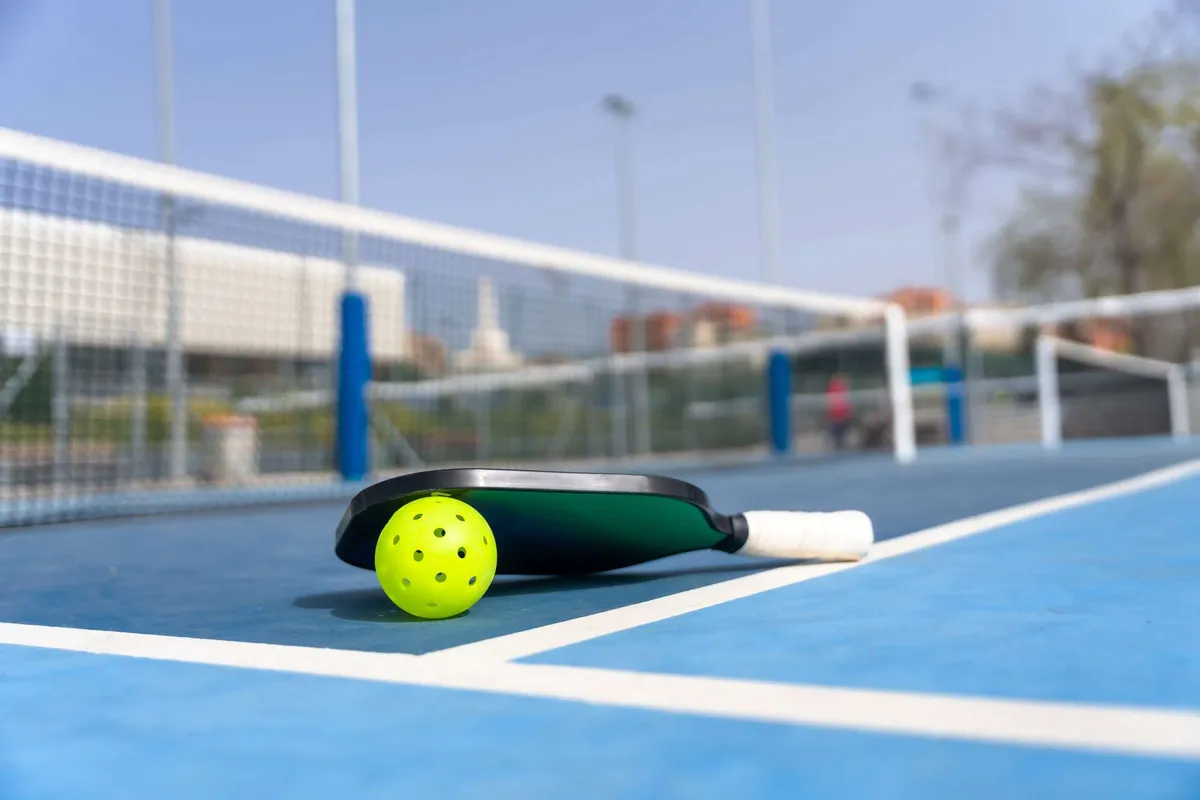
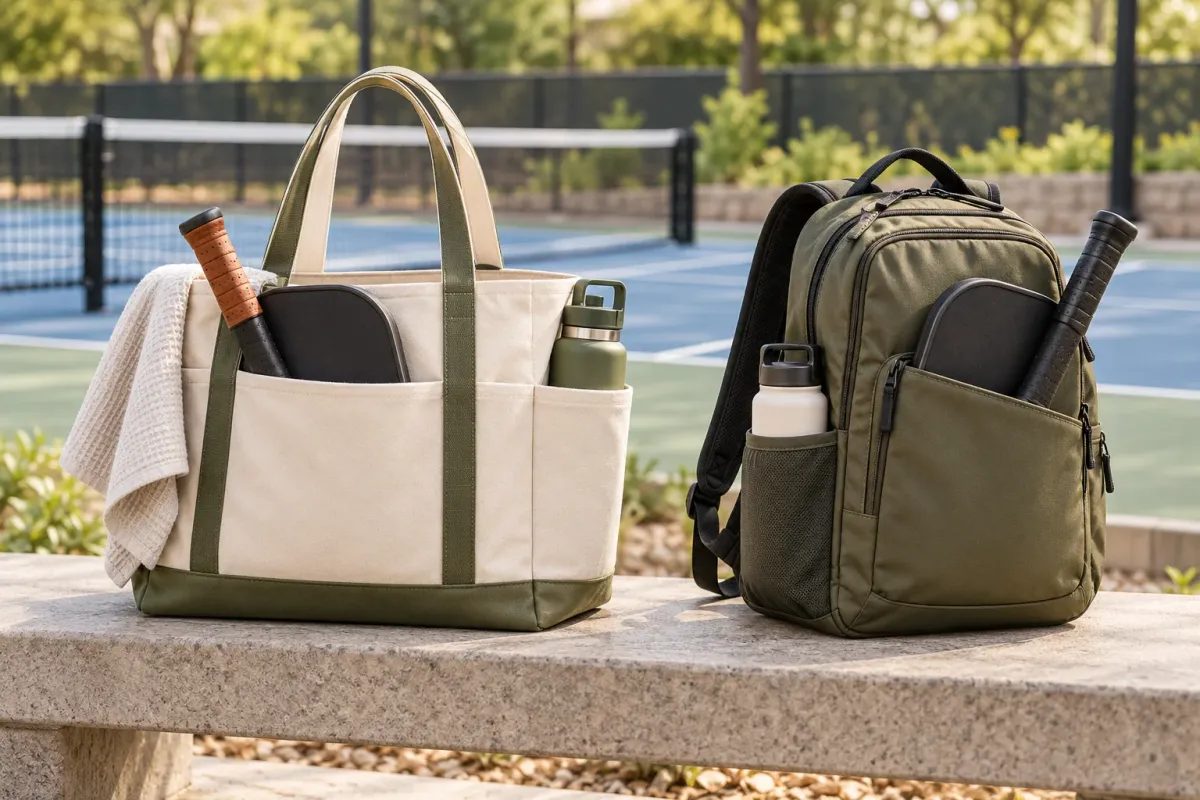
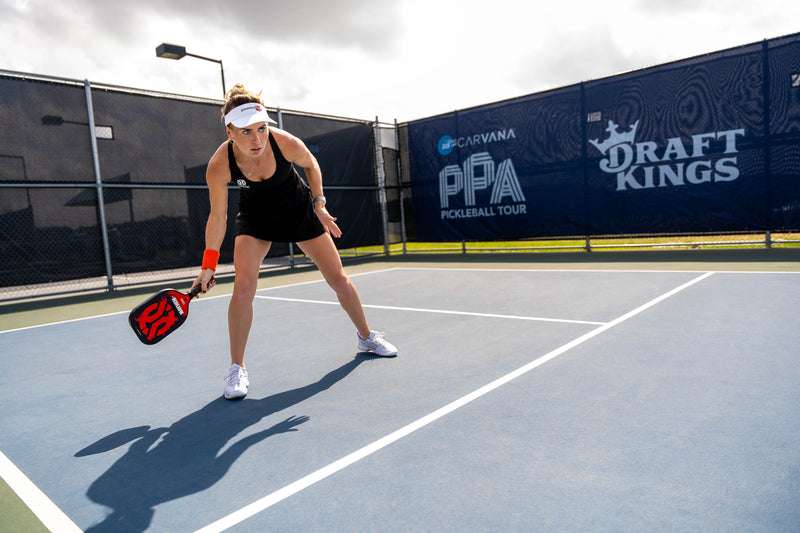
Pickleball is a paddle sport played over a net with a perforated ball. You can play singles, with one player on each side, or doubles, with two on each side. The purpose of this introduction is to make a first session easier to follow, not to teach every exception before you touch a paddle.
Once you understand the basic sequence, use the first-session equipment checklist to prepare. For the full authority on rules, consult USA Pickleball's current rulebook.
Recognize the court before learning the shots
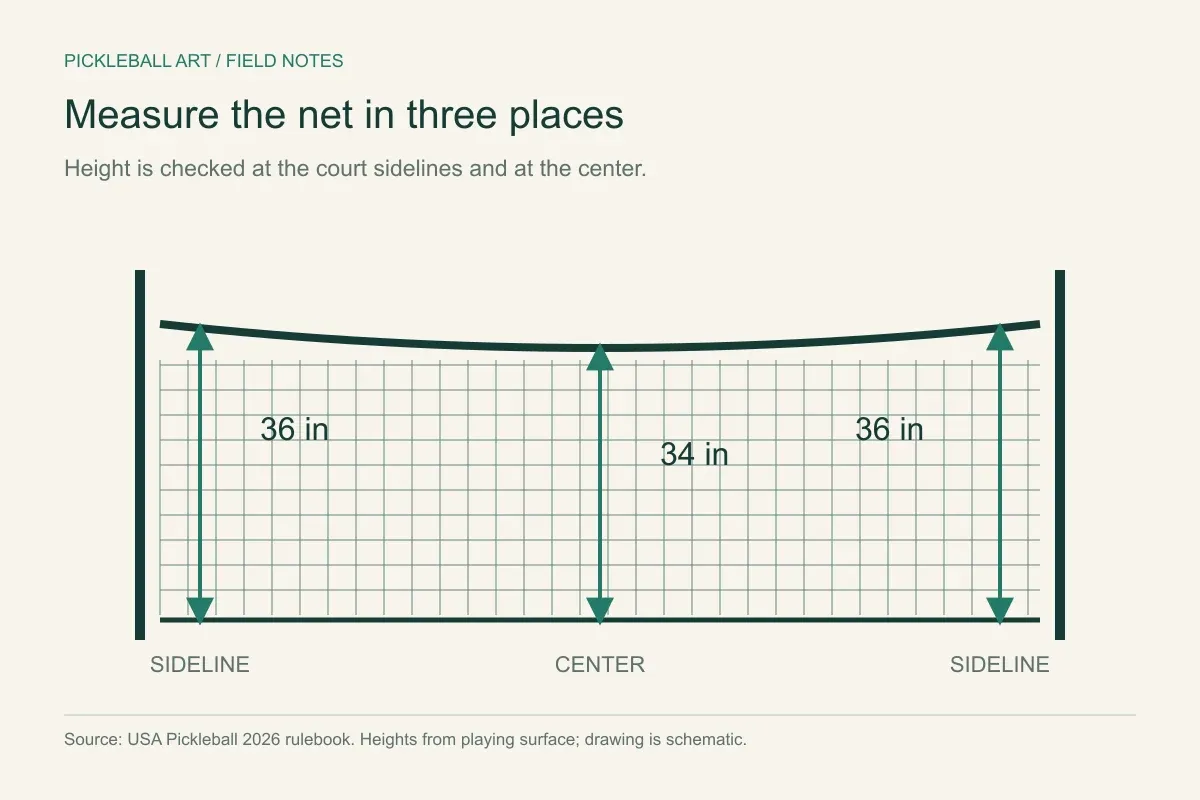
The net separates the two sides. The baseline is at the back, the sidelines mark the width, and a centerline divides the service areas. The non-volley zone near the net is commonly called the kitchen.
Walk through these areas with an instructor or host before the first game. Learning where the serve must land and where you may volley is more useful initially than memorizing every court measurement. Ask the venue how players enter and leave courts safely.
Follow the start of a rally
The serve travels diagonally to the appropriate service area. The receiving side lets it bounce before returning, then the serving side must let that return bounce. After this opening sequence, players may play the ball after a bounce or volley it where permitted.
Practice that order cooperatively: serve, bounce, return, bounce, next shot. If you are learning doubles, tell the partner when you plan to take a middle ball. The first-five-shots guide develops those decisions once the sequence is familiar.
Understand the kitchen without fearing it
The kitchen is a non-volley zone, not a place nobody may enter. You can move into it to play a ball that has bounced. You cannot volley while contacting the zone or its line, and a volley's momentum cannot carry you into it.
A common beginner problem is watching where the ball lands while forgetting where the feet move afterward. Use the kitchen examples to distinguish a bounced shot from a volley and its follow-through.
Ask which scoring format is in use
Traditional side-out scoring awards points to the serving side, while rally scoring awards a point after each rally. The format affects what the score announcement means and how service proceeds. Ask the session host which system and game target apply before starting.
Learn one format at a time. During a beginner session, say the score out loud with the host's help and check who serves next. Confusion about the service order is a rules question; it is not solved by playing the rally faster.
Learn a few shot names as you need them
- Serve: the shot beginning the rally.
- Return: the receiving side's reply to the serve.
- Volley: a shot struck before the ball bounces.
- Dink: a soft shot commonly played near the kitchen.
- Drive: a firmer shot directed through the court.
- Drop: a softer shot intended to land near the opponents' kitchen.
Knowing the name does not mean you must master the shot in the first visit. Begin with comfortable contact and controlled movement. A clear target and cooperative partner can help you learn without the pressure of a scored game.
Choose a first session designed for learning
Ask whether the venue offers instruction, beginner open play or equipment loans. Confirm times, booking and footwear rules. Arrive early enough to find the host and learn the rotation rather than stepping onto a court mid-game.
Pickleball can be social, competitive or both, depending on the session. Choose a pace you can manage and respect the other players' expectations. The USA Pickleball sportsmanship guide provides a useful reference for clear and considerate conduct.
Take the next step after the basics
After the first visit, choose one skill to work on: a legal reliable serve, a controlled return or an early partner call. Build the game in small pieces. For the story behind its unusual name, read the pickle-boat origin account; for practical improvement, practice the next rally rather than trying to learn every advanced tactic at once.
Frequently asked questions
Is pickleball only a doubles game?
No. Singles and doubles are both formats. Ask which session you are joining, since the court coverage and partner decisions differ.
Do I have to stay out of the kitchen at all times?
No. You may enter to play a bounced ball. Volleying and the momentum after a volley are restricted; learn those situations with the kitchen guide and the current rulebook.
Should I learn all the shots before joining a group?
A session designed for beginners can help you learn the basics. Confirm that instruction or beginner support is included, and start with the rally sequence and reliable contact.